
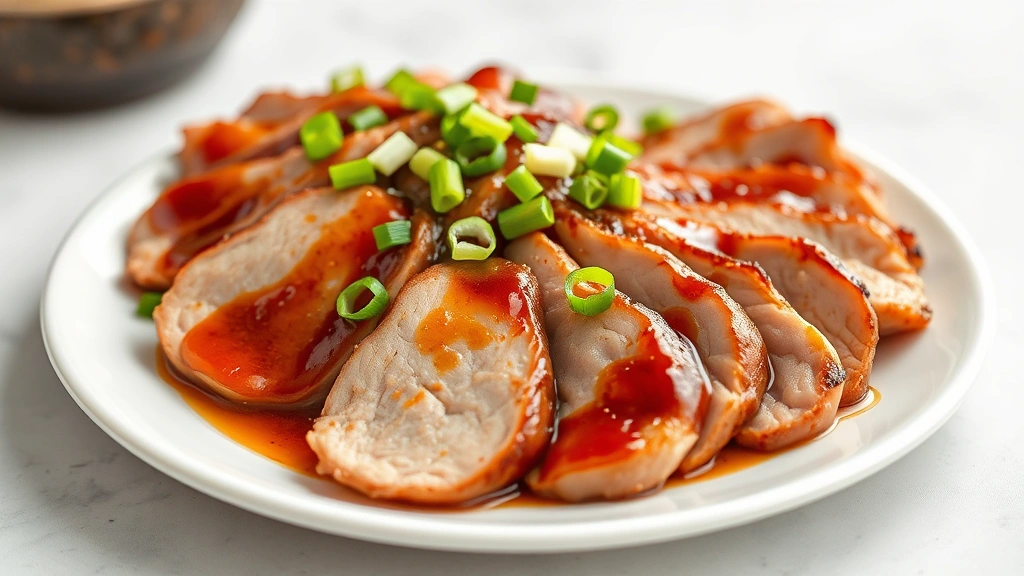
Chashu pork is the crown jewel of any ramen bowl, and honestly, once you master this recipe, you’ll be making it constantly. This Japanese braised pork belly is fall-apart tender, glazed in a gorgeous caramelized sauce, and absolutely bursting with umami flavor. The best part? It’s surprisingly simple to make at home, and it rivals anything you’d get at your favorite ramen restaurant.
I grew up watching my grandmother prepare traditional Japanese dishes, and chashu pork was always a special occasion favorite. The way the meat becomes so tender you can cut it with just a fork, combined with that sticky-sweet glaze, is pure magic. What makes this recipe the BEST is the combination of proper braising technique, the right balance of soy sauce and mirin, and giving it enough time to develop those incredible flavors.
This recipe uses pork belly, which has the perfect ratio of meat to fat. When braised low and slow, the fat renders beautifully and keeps everything incredibly moist. The braising liquid becomes this glossy, concentrated sauce that clings to every slice. You’ll want to roll the pork before cooking to ensure even cooking and beautiful presentation when you slice it.
The beauty of chashu pork is its versatility. Sure, it’s the perfect topping for ramen bowls, but you can also use it for rice bowls, in sandwiches, or even as part of a salad. I often make a double batch because it keeps beautifully in the refrigerator for up to five days, and it reheats like a dream.
One of my favorite tricks is to use the leftover braising liquid as a glaze or sauce for other dishes. It’s liquid gold in the kitchen. I’ve drizzled it over rice, used it to glaze vegetables, and even incorporated it into other Asian-inspired dishes. Nothing goes to waste in my kitchen!
If you’re looking for something truly special to impress your family or friends, this is it. Chashu pork shows that you’ve put thought and care into your cooking. It’s elegant, delicious, and honestly makes you look like a pro in the kitchen. Check out this comprehensive ramen guide from Serious Eats to learn more about assembling the perfect ramen bowl around your chashu pork.
The cooking process is mostly hands-off, which means you can prep other components while the pork braises away. I usually make pickled red onions while the pork is in the oven, and maybe prepare some soft-boiled eggs or marinate some vegetables. By the time everything is ready, you’ve got a restaurant-quality meal on your hands.
The key to success is using quality pork belly and not rushing the process. Low and slow is the name of the game here. You want those flavors to meld beautifully and the pork to become so tender it practically melts on your tongue. This is comfort food at its finest, and once you taste homemade chashu pork, you’ll understand why it’s such a beloved dish across Asia and around the world.
Ingredients
- 2 pounds pork belly, skin removed, in one piece
- 1/4 cup soy sauce
- 1/4 cup mirin (sweet rice wine)
- 3 tablespoons sugar
- 2 tablespoons sake (or dry sherry)
- 1 inch fresh ginger, sliced
- 4 cloves garlic, smashed
- 2 green onions (scallions), cut into 2-inch pieces
- 1 dried red chili
- 2 cups chicken or pork stock
- 1 cup water
- 2 tablespoons vegetable oil
- Salt and white pepper to taste
Instructions
- Pat the pork belly dry with paper towels. Season generously with salt and white pepper on all sides.
- Heat 2 tablespoons of vegetable oil in a large oven-safe pot or Dutch oven over medium-high heat.
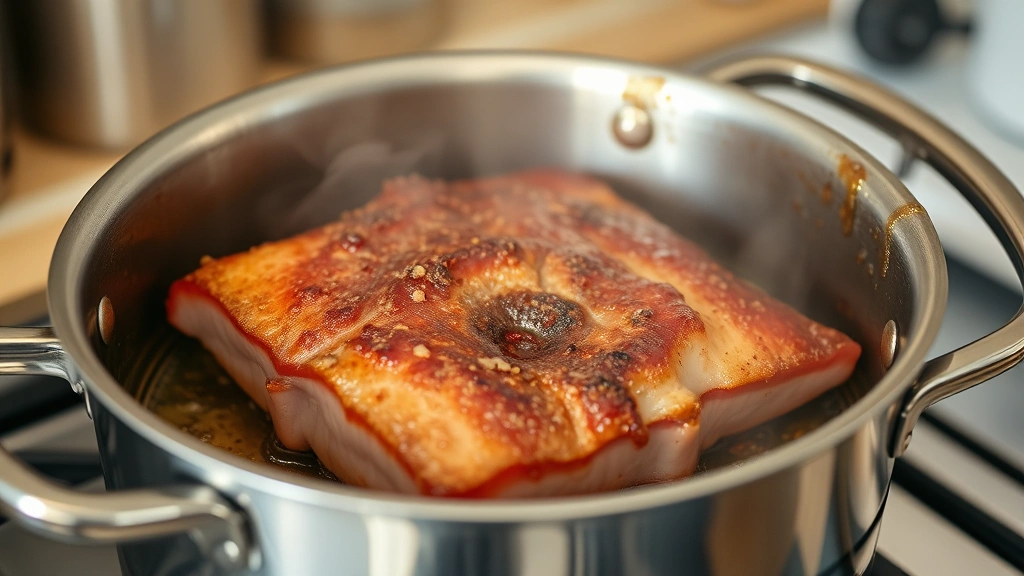
- Once the oil is shimmering, carefully place the pork belly in the pot, skin-side down if skin is still attached. If not, place the side that was originally against the skin down. Sear for 3-4 minutes until golden brown.
- Flip the pork belly and sear the other sides for 2-3 minutes each until all sides have a nice golden crust. Remove the pork and set aside on a plate.
- In the same pot, add the sliced ginger, smashed garlic, green onions, and dried chili. Stir and cook for about 1 minute until fragrant.
- Pour in the soy sauce, mirin, sake, and sugar. Stir well, scraping up any browned bits from the bottom of the pot (this is where all the flavor is!).
- Add the stock and water. Stir to combine and bring the mixture to a simmer.
- Return the pork belly to the pot, placing it skin-side up (or the prettiest side up). The liquid should come about halfway up the pork. Add more stock or water if needed.
- Bring the liquid to a gentle simmer on the stovetop, then cover with a lid and transfer to a preheated 325°F oven.
- Braise for 2 to 2.5 hours, turning the pork belly over halfway through cooking (around the 1 hour 15 minute mark). The pork is done when it’s very tender and a fork easily pierces the meat.
- Carefully remove the pork belly from the pot and place it on a cutting board. Let it rest for 10 minutes.
- Strain the braising liquid through a fine-mesh strainer into a saucepan, discarding the solids. Skim off excess fat from the surface if desired, or leave it for extra richness.
- Bring the braising liquid to a boil over medium-high heat and reduce it by half, about 8-10 minutes. This concentrates the flavors and creates a glossy glaze.
- While the sauce reduces, slice the pork belly into 1/4-inch thick slices using a sharp knife. A partially frozen pork makes slicing easier if you have time to chill it first.
- Arrange the pork slices on a serving plate and drizzle generously with the reduced braising liquid.
- Serve immediately while warm, or let cool completely and refrigerate for up to 5 days. Reheat gently in the oven or microwave with some of the braising liquid before serving.
Pro Tips
o Mirin is essential for authentic chashu pork. It provides a subtle sweetness that balances the salty soy sauce. You can find it in the Asian section of most grocery stores or online. Don’t substitute with regular sugar alone.
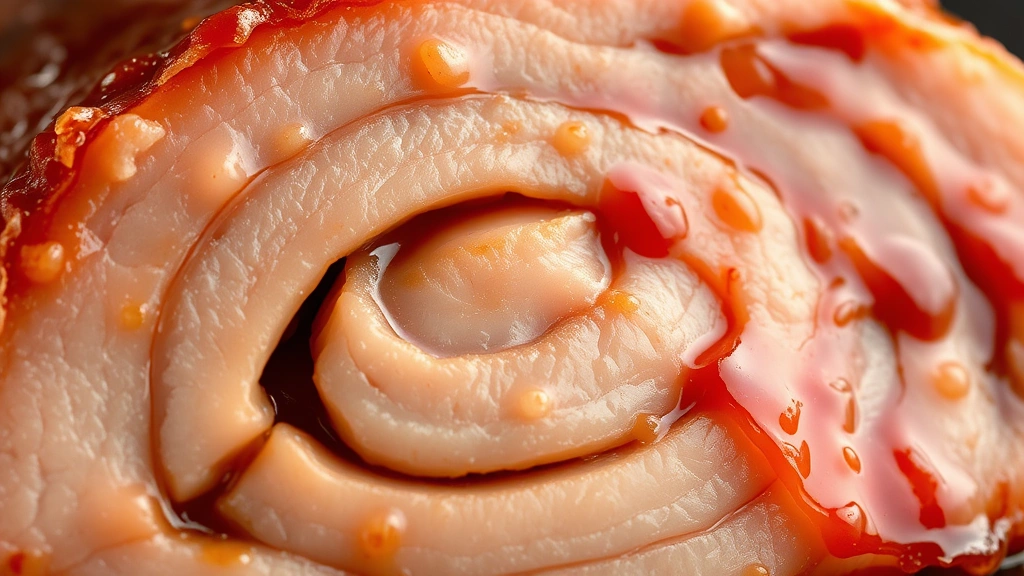
o Rolling the pork belly before cooking creates beautiful spiral slices when cooked, but you can also keep it as a solid piece if you prefer. Both methods work beautifully.
o The pork can be made 2-3 days ahead, which makes it perfect for meal prep. Store it in an airtight container with some of the braising liquid to keep it moist.
o Leftover braising liquid is incredibly valuable. Use it as a base for ramen broths, glaze for vegetables, or a sauce for rice bowls. It keeps refrigerated for up to 2 weeks or frozen for 3 months.
o If your braising liquid is too thin after cooking, reduce it on the stovetop until it reaches your desired consistency. You want it thick enough to coat the back of a spoon.
o For a deeper flavor, marinate the raw pork in half the braising liquid for 4-8 hours before cooking.
o White pepper is preferred over black pepper in Japanese cooking as it doesn’t create dark specks in the finished dish, but either will work.
o Some people like to brush the pork with the reduced sauce multiple times while braising to build up a deeper glaze. This is optional but creates a more refined appearance.
o Serve with soft-boiled eggs, fresh noodles, steamed bok choy, or over rice for a complete meal. The pickled red onions add a beautiful pop of color and acid to balance the richness.
o If you don’t have sake, dry sherry or white wine works as a substitute. Avoid cooking wine which contains added salt.
o The pork can be sliced thick for serving as a main course or thin for layering on ramen bowls. A sharp knife or partially frozen pork makes slicing easier.
o For a spicier version, increase the amount of dried chili or add fresh chilies to the braising liquid.