
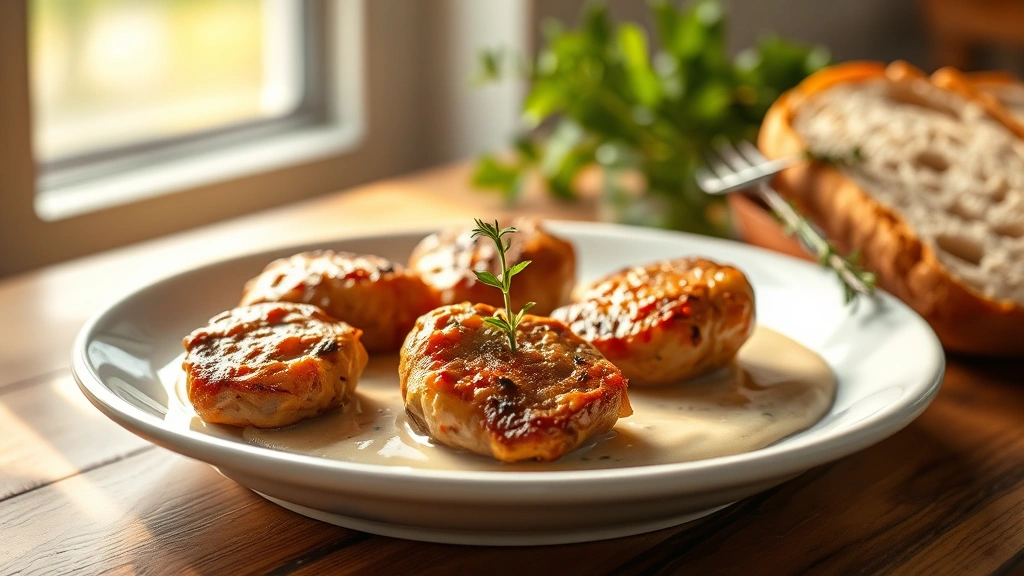
Chicken liver is one of those ingredients that absolutely transforms when prepared with care and intention. If you’ve ever hesitated at the butcher counter or scrolled past it at the grocery store, this is your sign to give it a try. This recipe celebrates the rich, buttery flavor of chicken livers while keeping everything elegant and approachable. The key to the BEST chicken liver recipe lies in not overcooking them—they should be tender and creamy inside, never dry or rubbery.
What makes this dish so special is the combination of classic French technique with simple, quality ingredients. We’re talking about sautéing perfectly seasoned livers until they develop a gorgeous golden crust, then finishing them in a silky sauce that brings everything together. This isn’t offal cooking that intimidates; it’s comfort food that happens to be incredibly good for you. Chicken livers are packed with iron, B vitamins, and protein, making this dish as nutritious as it is delicious.
The beauty of mastering chicken liver recipes is that once you nail the technique, you can serve this at dinner parties and impress everyone at the table. Pair it with creamy pasta, crispy toast, or alongside a fresh salad, and you’ve got a restaurant-quality meal ready in under 30 minutes. This recipe is perfect for weeknight elegance or when you want to feel a little fancy without spending hours in the kitchen.
I first fell in love with chicken livers at a small bistro in France, where they were served simply with shallots and wine. That experience inspired this recipe, which honors those classic flavors while making them accessible for home cooking. The heavy cream pasta pairing I’ve included is one of my favorite ways to serve these, but honestly, they’re spectacular on their own with just crusty bread to soak up the sauce.
For more inspiration on rich, luxurious sauces, check out our heavy cream Alfredo sauce recipe, which uses similar techniques. If you’re planning a composed plate, our pickled red onion recipe adds a bright, acidic contrast that cuts through the richness beautifully. And if you’re looking for a lighter side option, the chickpea salad recipe provides a wonderful fresh counterpoint.
According to Serious Eats’ guide to cooking chicken livers, the most common mistake home cooks make is overcooking them. This recipe respects that wisdom and ensures your livers come out perfect every single time. For more techniques on working with organ meats, the New York Times has an excellent sautéed chicken livers recipe that’s worth exploring. And if you want to dive deeper into French bistro cooking, Bon Appétit’s chicken liver mousse shows another beautiful way to prepare this ingredient.
Ingredients
- 1 pound fresh chicken livers, cleaned and patted dry
- 4 tablespoons unsalted butter, divided
- 3 large shallots, minced
- 3 cloves garlic, minced
- 1 cup dry white wine
- 1/2 cup chicken broth
- 1/2 cup heavy cream
- 2 tablespoons Dijon mustard
- 1 tablespoon fresh thyme leaves
- 2 teaspoons fresh lemon juice
- Sea salt and freshly cracked black pepper to taste
- 2 tablespoons olive oil
- 2 tablespoons fresh parsley, finely chopped
- Crusty bread or cooked pasta for serving
Instructions
- Start by preparing your chicken livers properly—this step is crucial for the best results. Place your livers on a clean cutting board and inspect them carefully, removing any green bile spots or discolored areas with a small knife. Rinse them gently under cool water and pat them completely dry with paper towels. Dry livers will sear beautifully and develop that gorgeous golden crust we’re after. Season them generously on both sides with sea salt and freshly cracked black pepper, then let them sit at room temperature for about 5 minutes.
- Heat a large skillet over medium-high heat and add the olive oil and 2 tablespoons of butter. You want the pan to be quite hot—listen for a sizzle when a droplet of water hits it. This high heat is essential for creating that beautiful sear on the outside while keeping the inside tender and creamy.
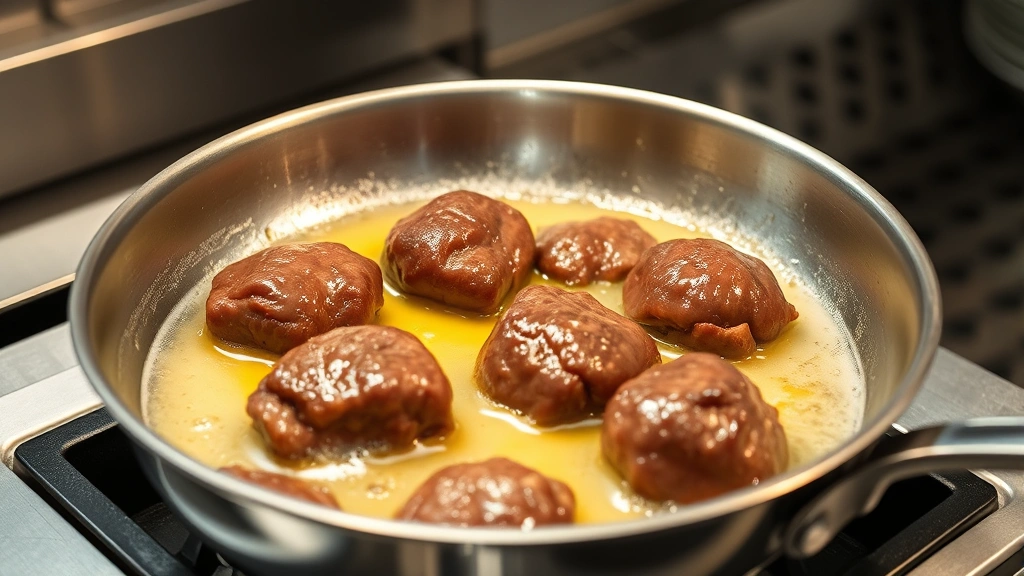
- Once your pan is properly heated, carefully add the seasoned chicken livers in a single layer. Resist the urge to move them around—let them sit undisturbed for about 2-3 minutes until they develop a golden-brown crust on one side. This is where the magic happens and where many home cooks go wrong by constantly stirring.
- Gently flip each liver and cook for another 2-3 minutes on the second side. The livers should still feel slightly soft and give a little when you press them gently—they’ll continue to cook slightly in the sauce. Remove the livers to a clean plate and tent loosely with foil to keep them warm.
- Reduce the heat to medium and add the remaining 2 tablespoons of butter to the same pan. Add your minced shallots and cook, stirring frequently, for about 2 minutes until they become fragrant and just begin to soften. You want them to release their flavor without browning too much.
- Add the minced garlic and fresh thyme leaves to the pan, stirring constantly for about 30 seconds. This blooms the aromatics and fills your kitchen with the most wonderful fragrance. Be careful not to let the garlic brown, or it will become bitter.
- Pour in the dry white wine, using a wooden spoon to scrape up all those flavorful browned bits stuck to the bottom of the pan—this is called deglazing and it’s pure liquid gold. Let the wine bubble away for about 3-4 minutes, allowing some of the alcohol to cook off and the sauce to begin concentrating.
- Add the chicken broth to the pan and let everything simmer together for about 2 minutes. This helps marry all the flavors and continues to reduce and intensify the sauce base.
- Whisk in the Dijon mustard and heavy cream, stirring until everything is smooth and well combined. The sauce should begin to thicken slightly as it simmers. Let it bubble gently for about 2 minutes, stirring occasionally.
- Return the cooked chicken livers to the pan, nestling them gently into the sauce. Add the fresh lemon juice and taste for seasoning, adjusting the salt and pepper as needed. Let everything warm through together for about 1-2 minutes—you’re just reheating the livers, not cooking them further.
- Remove from heat and transfer to a serving dish or individual plates. Garnish generously with fresh parsley and serve immediately with crusty bread for soaking up every last drop of that incredible sauce, or toss with warm pasta for a more substantial dish.
Pro Tips
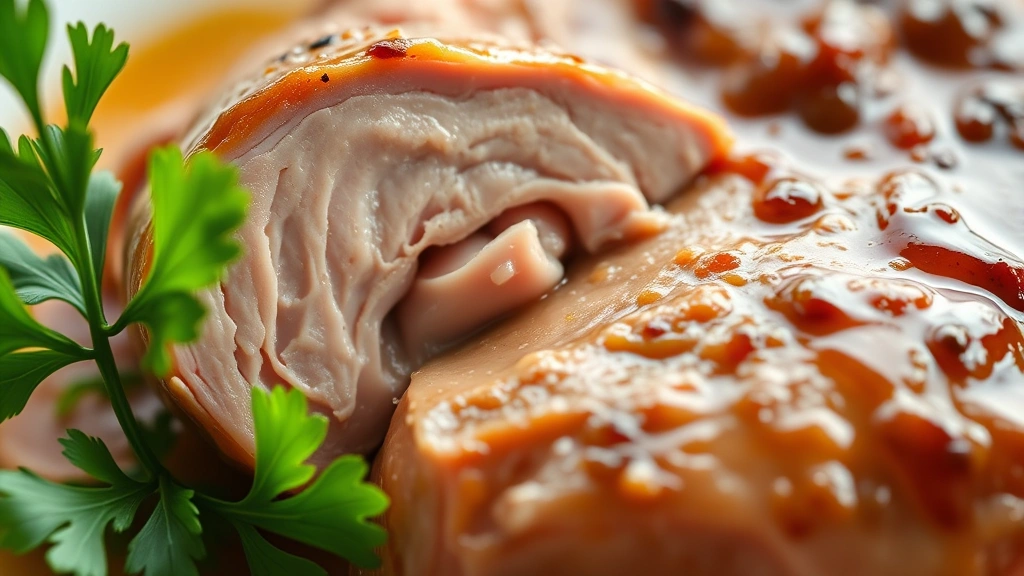
The timing on cooking the livers is critical—aim for a total cooking time of no more than 6-8 minutes total. They should have a slight give when you press them gently, never firm or hard. Think of them like a perfect medium-rare steak: they’ll continue cooking slightly from carryover heat, so it’s better to err on the side of slightly underdone.
This dish is incredibly versatile and pairs beautifully with many different sides. Serve over creamy pasta, on crispy crostini, with buttered egg noodles, or alongside a simple green salad dressed with vinaigrette. The bacon carbonara recipe is another wonderful pasta option if you want to combine two classics.
Wine selection matters here—use a wine you would actually drink. A crisp white wine like Sauvignon Blanc, Pinot Grigio, or Chablis works beautifully. Don’t use anything labeled cooking wine, as it often contains salt and additives that will throw off your flavors.
The sauce can be made up to a day ahead and stored in an airtight container in the refrigerator. Simply reheat gently over medium-low heat, then add your freshly cooked livers at the last minute. This makes it perfect for entertaining—all your prep work is done and you’re just doing the final quick sear before guests arrive.
Leftovers keep well in the refrigerator for up to 3 days, though honestly, these are best enjoyed fresh. If you do have leftovers, they make an incredible pâté when blended smooth with a little butter and brandy.
For those new to cooking with offal, start with this recipe and don’t be intimidated. Chicken livers are mild, delicious, and once you’ve mastered them, you’ll understand why they’re beloved by chefs worldwide. They’re economical, incredibly nutritious, and honestly, they taste absolutely luxurious.