
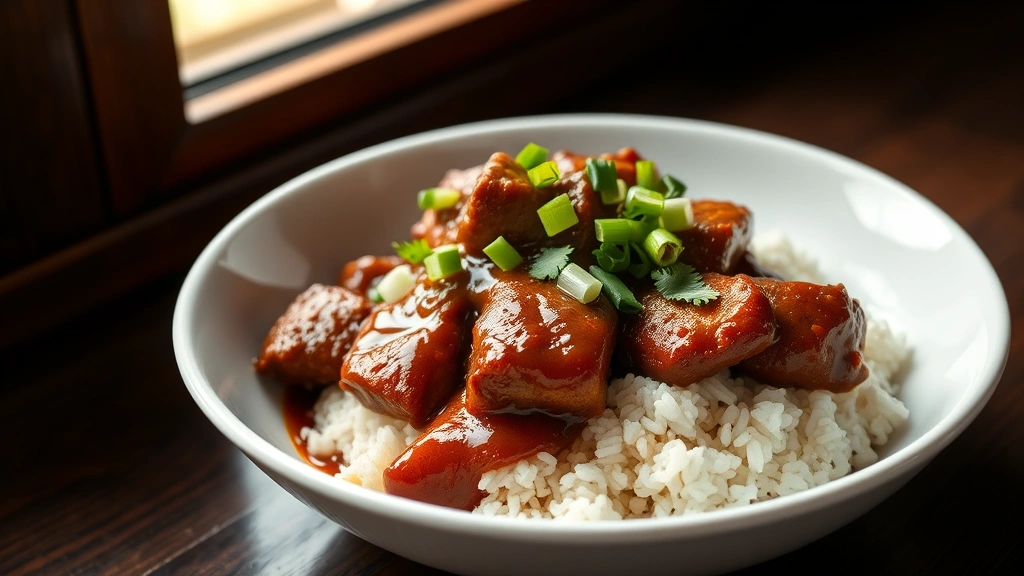
Filipino Pork Adobo is the ultimate comfort food that has graced dinner tables across the Philippines for generations. This iconic dish features tender pork braised in a rich, savory sauce made with vinegar, soy sauce, and garlic—creating layers of umami flavor that are absolutely irresistible. The beauty of adobo lies in its simplicity and depth; what seems like straightforward ingredients transform into something truly magical through slow cooking and patience.
What makes this Filipino pork dish recipes so special is how it bridges tradition and everyday cooking. It’s humble enough for a weeknight meal yet impressive enough to serve at gatherings. The vinegar acts as a natural preservative, which is why adobo was traditionally made to last—a practical solution that became a beloved staple. The longer it sits, the better it tastes, making it perfect for meal prep.
This recipe yields incredibly tender pork with a glossy, caramelized sauce that clings to every bite. The balance between salty, savory, and slightly tangy flavors creates a complexity that keeps you coming back for more. Serve it over steamed white rice to soak up every drop of that precious sauce, and you’ll understand why adobo is considered the national dish of the Philippines.
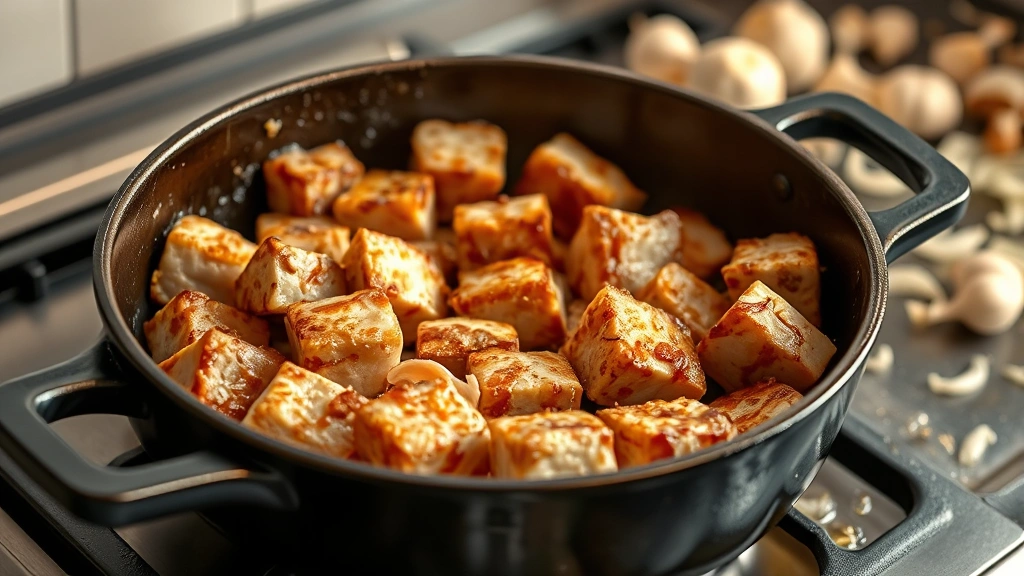
The magic happens when you take time to brown the pork properly—this step builds flavor through the Maillard reaction. Then the low and slow braise allows the meat to become fork-tender while the sauce reduces and concentrates. I like to add a touch of brown sugar to balance the acidity, though this is optional and depends on your preference. Some families swear by adding potatoes and hard-boiled eggs, which you can certainly do.
While these internal links offer wonderful pasta inspiration, don’t overlook how a Best Pickled Red Onion Recipe can add brightness as a side, or how Best Chickpea Salad Recipe works wonderfully alongside adobo for a complete meal. For those interested in complementary flavors, check out our Best Shishito Peppers Recipe as a delicious appetizer.
According to Serious Eats, understanding the science behind braising helps perfect your technique. For more Filipino cooking inspiration, Bon Appétit features excellent articles on Asian cuisine. The New York Times Cooking section also has wonderful resources on traditional braising methods that apply beautifully to this dish.
Ingredients
- 3 pounds pork shoulder or pork belly, cut into 2-inch cubes
- 4 tablespoons vegetable oil, divided
- 1 head garlic, peeled and minced (about 12 cloves)
- 1 medium onion, peeled and quartered
- 1 cup soy sauce
- 1 cup white vinegar or calamansi vinegar
- 2 cups chicken or pork broth
- 3 bay leaves
- 1 teaspoon black peppercorns
- 2 tablespoons brown sugar, optional
- 2 teaspoons salt, or to taste
- 1 teaspoon ground black pepper
- 3 medium potatoes, peeled and cut into chunks (optional)
- 4 hard-boiled eggs, peeled (optional)
- 2 tablespoons cornstarch mixed with 3 tablespoons water, for thickening (optional)
- Fresh cilantro or green onions for garnish
Instructions
- Pat the pork dry with paper towels and season generously with salt and black pepper on all sides. This helps achieve a better brown crust during searing.
- Heat 2 tablespoons of oil in a large, heavy-bottomed pot or Dutch oven over medium-high heat. Once shimmering, working in batches to avoid crowding, brown the pork on all sides until deeply caramelized, about 3-4 minutes per side. Transfer browned pork to a plate and set aside.
- Add the remaining 2 tablespoons of oil to the pot. Reduce heat to medium and add the minced garlic, stirring constantly for about 1 minute until fragrant. Be careful not to let the garlic burn.
- Add the quartered onion and stir for another minute to combine with the garlic and oil.
- Pour in the soy sauce and vinegar, using a wooden spoon to scrape up all the browned bits stuck to the bottom of the pot. These flavorful bits add incredible depth to your sauce.
- Return the browned pork to the pot along with any accumulated juices. Add the chicken or pork broth, bay leaves, peppercorns, and brown sugar if using. Stir well to combine.
- Bring the mixture to a boil, then reduce heat to low. Cover the pot with a lid, leaving it slightly ajar to allow some evaporation. Simmer for 45 minutes to 1 hour, until the pork is very tender and easily pierced with a fork.
- If using potatoes and eggs, add them now. If adding only potatoes, continue cooking for an additional 20-25 minutes until they’re tender. If adding both, add them at the same time, cooking for 20-25 minutes total.
- Taste the sauce and adjust seasoning with salt and pepper as needed. The sauce should be rich, savory, and slightly tangy.
- If you prefer a thicker sauce, make a slurry by mixing cornstarch with water. Stir it into the pot and simmer for 2-3 minutes until the sauce thickens and coats the back of a spoon.
- Remove from heat and let rest for 5 minutes. The residual heat allows flavors to meld together beautifully.
- Transfer to a serving dish, garnish with fresh cilantro or green onions, and serve immediately over steamed white rice with the sauce spooned generously over top.

Pro Tips
Variations and Customizations: Traditional adobo can be made with chicken, beef, or a combination of proteins. Some families add liver pâté to the sauce for extra richness and depth. Potatoes and hard-boiled eggs are popular additions that make it more of a complete meal. You can also add long beans or bok choy during the last few minutes of cooking for added vegetables.
Vinegar Choices: While white vinegar is most common in American kitchens, authentic Filipino recipes often use calamansi vinegar or coconut vinegar for a slightly different flavor profile. Don’t feel limited by what’s available in your area—experiment with different vinegars to find your preference.
Soy Sauce Selection: Use good quality soy sauce for the best results. Some prefer using a mixture of light and dark soy sauce, with the dark adding more depth and color. The type of soy sauce can significantly impact the final flavor, so taste as you go.
Broth Options: Homemade pork or chicken broth will yield the most flavorful results, but quality store-bought broth works well too. Avoid overly salty broths since soy sauce already provides significant sodium.
Garlic Preference: This recipe uses generous amounts of garlic, which is typical for Filipino cooking. If you’re sensitive to garlic, reduce the amount slightly, but don’t eliminate it entirely as it’s crucial to the dish’s character.
Servings Suggestion: Serve with jasmine rice or regular white rice to absorb the sauce. A simple cucumber salad or steamed vegetables provide a refreshing contrast to the rich, savory adobo.
Browing Technique: Don’t skip the browning step even though it takes extra time. This develops incredible flavor that simply cannot be achieved by skipping it. Work in batches rather than crowding the pot to ensure proper browning.