
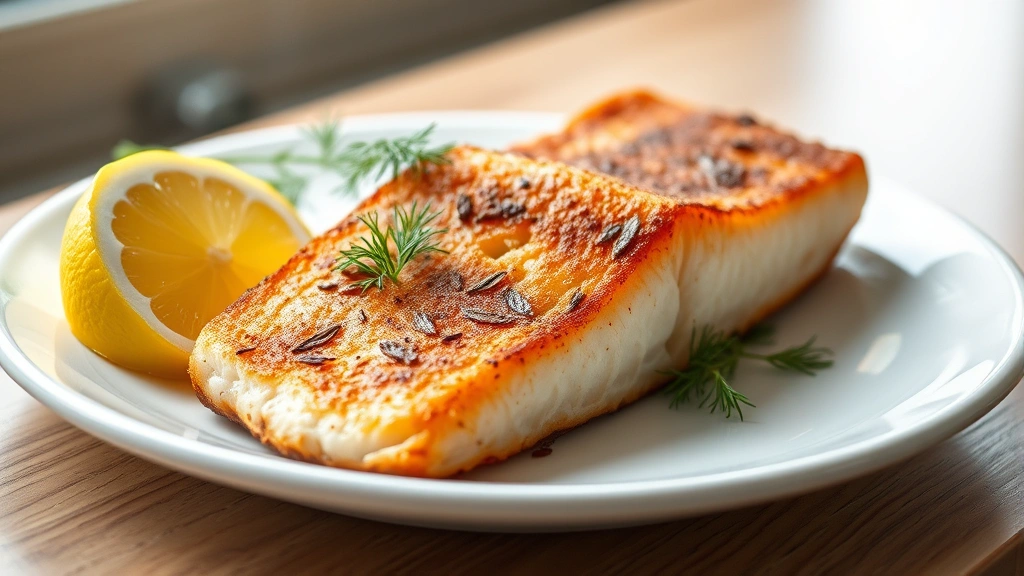
There’s something absolutely magical about perfectly fried salmon—that crispy, golden exterior giving way to tender, flaky fish that practically melts on your tongue. This fried salmon recipe is a total game-changer, and honestly, it’s easier than you might think. I’m sharing all my secrets for achieving restaurant-quality results right in your own kitchen.
The key to perfect fried salmon starts with choosing the right cut and patting it completely dry. Moisture is the enemy of crispiness, so don’t skip this step! I like to use salmon fillets that are about one inch thick—they cook through perfectly while the outside gets beautifully golden and crispy. The coating is where the magic happens: a simple but sophisticated blend of panko breadcrumbs, cornstarch, and just the right seasonings creates that coveted crunch.
What makes this fried salmon recipe stand out is the technique. We’re not deep-frying here (though you certainly can), but rather using a shallow-fry method that uses less oil and gives you more control. The oil temperature is crucial—too cool and your salmon becomes greasy; too hot and it burns before cooking through. I always aim for 350°F for that perfect golden finish.
Serving suggestions are endless! Pair your fried salmon with a Best Chickpea Salad Recipe for a fresh, protein-packed meal, or add Easy Pickled Red Onion Recipe for a tangy pop. You can also serve it over rice, with roasted vegetables, or even on a salad for a lighter option. For sauce lovers, a quick tartar sauce or a squeeze of fresh lemon is all you need.
I love how versatile this recipe is—it works for weeknight dinners, meal prep, or even impressing guests. The beauty of fried salmon is that it’s elegant enough for company but simple enough for Tuesday night. Plus, it comes together in about 20 minutes from start to finish. Once you master this technique, you’ll be making fried salmon all the time. It’s crispy, it’s delicious, and it’s absolutely foolproof. Let me show you exactly how to make it!
For more seafood inspiration and cooking techniques, check out Serious Eats and New York Times Cooking for their excellent fish preparation guides. If you’re interested in pan-searing techniques, Bon Appétit has some fantastic resources on fish cookery.
Ingredients
- 4 salmon fillets (about 6 ounces each, 1 inch thick)
- 1 cup panko breadcrumbs
- 1/2 cup all-purpose flour
- 1/4 cup cornstarch
- 2 large eggs
- 1/4 cup whole milk
- 1 1/2 teaspoons kosher salt
- 1/2 teaspoon black pepper
- 1/2 teaspoon garlic powder
- 1/2 teaspoon paprika
- 1/4 teaspoon cayenne pepper (optional)
- 2 cups vegetable oil or canola oil for frying
- Lemon wedges for serving
- Fresh herbs (dill or parsley) for garnish
Instructions
- Pat the salmon fillets completely dry with paper towels. Moisture is essential to remove for optimal crispiness, so don’t rush this step. Place the dried fillets on a clean plate and season both sides generously with salt and pepper.
- In a shallow bowl, whisk together the flour, panko breadcrumbs, cornstarch, garlic powder, paprika, cayenne pepper (if using), and another 1/4 teaspoon of salt. This creates your seasoned coating mixture.
- In another shallow bowl, whisk together the eggs and milk until well combined. This is your egg wash that will help the coating adhere to the salmon.
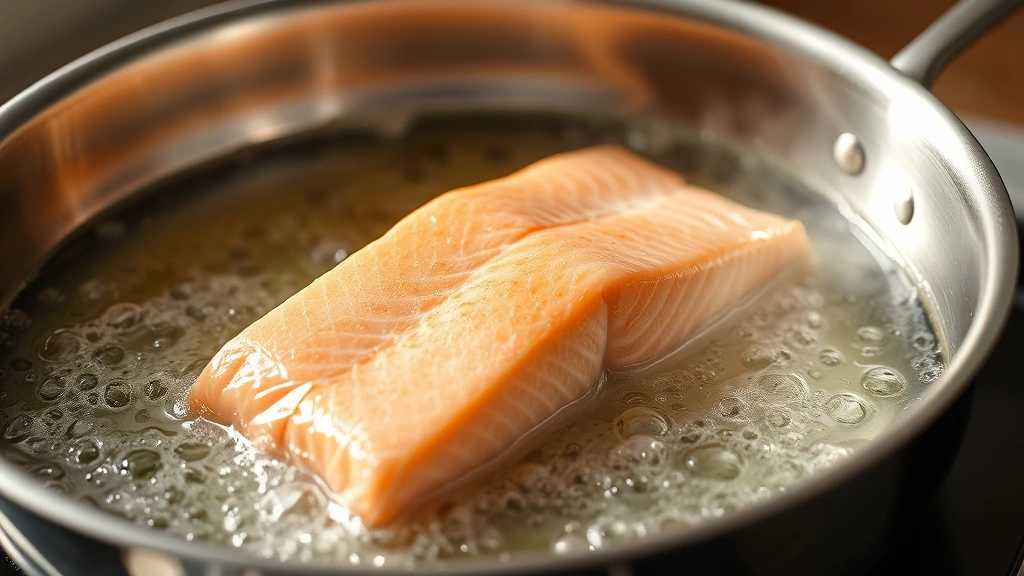
- Heat the oil in a large skillet over medium-high heat. Insert a thermometer to monitor the temperature—you want it to reach 350°F. While the oil heats, set up your breading station with the egg mixture on one side and the breadcrumb mixture on the other.
- Once the oil reaches 350°F, carefully dip each salmon fillet into the egg mixture, coating both sides evenly. Let any excess drip off back into the bowl.
- Immediately transfer the egg-coated salmon to the breadcrumb mixture, pressing gently on both sides to ensure the coating adheres well. Make sure the entire fillet is covered with the seasoned panko mixture.
- Carefully place the breaded salmon fillets into the hot oil, skin-side down if your fillets have skin. You should hear an immediate sizzle—this is a good sign! Fry for 5-6 minutes without moving the fillets, allowing that golden crust to form.
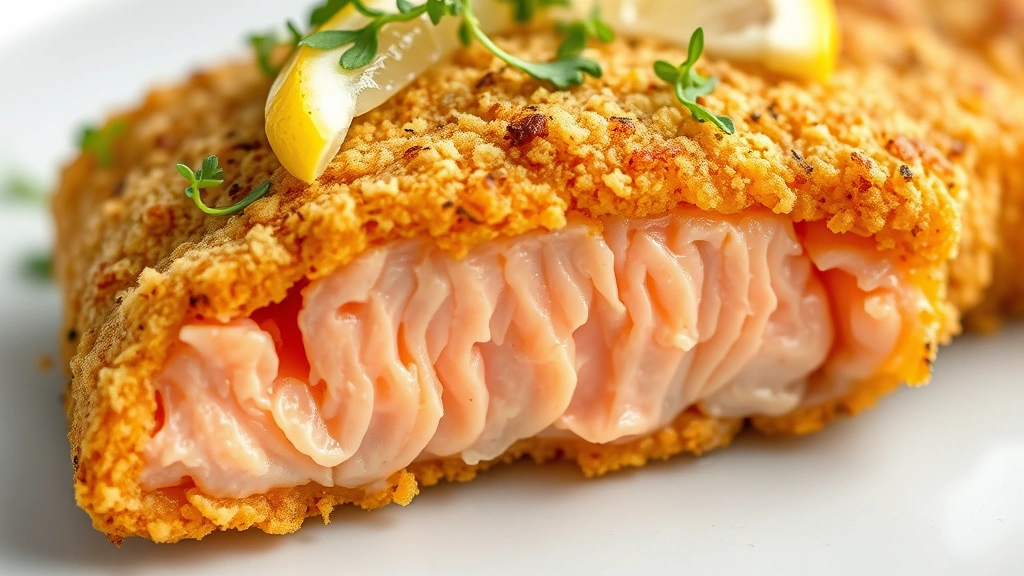
- Using a thin spatula or fish turner, carefully flip each fillet and fry for another 4-5 minutes on the second side until the coating is deep golden brown and the salmon flakes easily with a fork.
- Transfer the fried salmon fillets to a paper towel-lined plate to drain excess oil. Season with a tiny pinch of fleur de sel or flaky sea salt while still hot.
- Serve immediately while the salmon is still warm and crispy, garnished with fresh herbs and lemon wedges on the side.
Pro Tips
Don’t skip the cornstarch in the breading mixture. It’s the secret ingredient that gives you that extra-crispy texture that’s so satisfying. The combination of panko and cornstarch creates the ideal crunch factor.
For thicker fillets over one inch, you may need to reduce the heat slightly or fry a bit longer to ensure the salmon cooks through without burning the exterior. A good rule of thumb is that salmon should reach an internal temperature of 145°F.
You can prepare the breading station 30 minutes ahead of time. Just keep everything at room temperature and assemble right before frying for best results.
Leftovers keep well in an airtight container in the refrigerator for up to 3 days. Reheat gently in a 350°F oven for about 8 minutes to restore some crispiness. Don’t use the microwave as it will make the coating soggy.
Customize the seasonings to your preference. Try adding Old Bay seasoning for a coastal vibe, or fresh herbs like dill mixed into the breading. You could even use coconut flour for part of the flour mixture for a unique twist.
The shallow-fry method uses about half the oil of deep frying, making it healthier and easier to manage. If you prefer deep frying, use a Dutch oven filled with 3-4 inches of oil and maintain the same 350°F temperature.
Pair this fried salmon with tartar sauce, cocktail sauce, or a simple aioli. A squeeze of fresh lemon juice is honestly all you need though—the salmon speaks for itself!
This recipe doubles easily for entertaining. Just make sure not to overcrowd your skillet. Work in batches if needed, and keep finished fillets warm in a 200°F oven while you fry the rest.