
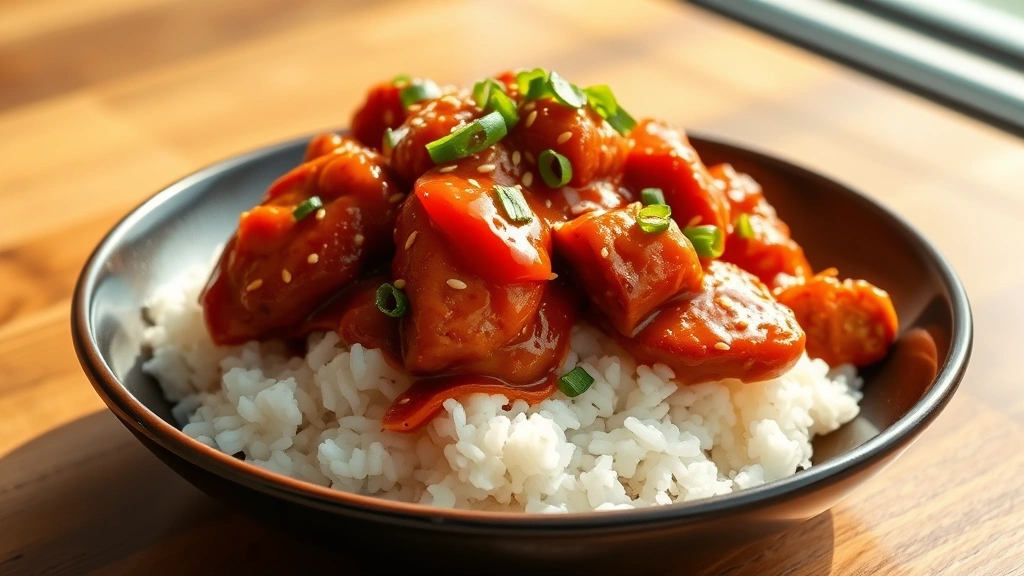
Gochujang chicken is one of those dishes that feels fancy enough for entertaining but simple enough for a weeknight dinner. This Korean-inspired recipe brings together the sweet, spicy, and umami flavors that make gochujang such a beloved ingredient in kitchens everywhere. The beauty of this dish lies in its versatility – you can serve it over rice, with noodles, or alongside roasted vegetables for a complete meal that’ll have everyone asking for seconds.
I absolutely love making this recipe because it comes together in about thirty minutes, which means you can have restaurant-quality chicken on your table before you know it. The gochujang paste creates this incredible glossy sauce that clings to every piece of chicken, and the combination of garlic, ginger, and a touch of sweetness from honey or brown sugar creates layers of flavor that are simply irresistible. Plus, the ingredient list is probably already in your pantry, making this one of those recipes you can pull together on a busy night without a trip to the store.
What makes this the best gochujang chicken recipe is the balance of heat and sweetness, the tender chicken that practically melts in your mouth, and the sauce that’s thick enough to coat every bite but not so thick that it feels heavy. I’ve tested this recipe multiple times, tweaking the ratios until I got it just right, and I’m thrilled to share it with you today. Whether you’re new to Korean cuisine or a seasoned fan, this dish will become a regular in your rotation.
If you love bold, flavorful Asian-inspired dishes, you might also enjoy exploring this Quick Tasty Bacon Carbonara Recipe for a different flavor profile, or check out our Best Pickled Red Onion Recipe as a perfect accompaniment to balance the richness. For more sauce inspiration, check out this Best Heavy Cream Alfredo Sauce Recipe, and if you’re planning a complete meal, our Best Chickpea Salad Recipe makes an excellent side dish.
For more information on gochujang and how to use it in your cooking, Serious Eats has an excellent guide to gochujang. You might also enjoy Bon Appétit’s take on gochujang chicken for another perspective, or explore New York Times Cooking’s gochujang chicken recipe for additional inspiration. If you’re interested in Korean cuisine more broadly, Serious Eats’ Korean recipe collection is fantastic, and Bon Appétit’s best Korean recipes offer wonderful variety.
Ingredients
- 2 pounds boneless, skinless chicken breasts or thighs, cut into bite-sized pieces
- 1/3 cup gochujang paste
- 3 tablespoons soy sauce
- 2 tablespoons honey or brown sugar
- 2 tablespoons rice vinegar
- 4 cloves garlic, minced
- 1 tablespoon fresh ginger, grated
- 2 tablespoons sesame oil
- 1 tablespoon cornstarch mixed with 2 tablespoons water
- 2 tablespoons vegetable oil for cooking
- 1/4 teaspoon red pepper flakes (optional, for extra heat)
- 2 green onions, sliced for garnish
- 1 tablespoon sesame seeds for garnish
- Salt and freshly ground black pepper to taste
- Optional: 1/2 teaspoon white pepper for depth
Instructions
- Begin by preparing your ingredients before you start cooking – this is key to getting dinner on the table quickly. Pat your chicken pieces dry with paper towels; this helps them brown beautifully rather than steam. Season the chicken pieces with a pinch of salt and black pepper on all sides.
- In a small bowl, whisk together the gochujang paste, soy sauce, honey, rice vinegar, sesame oil, minced garlic, and grated ginger until you have a smooth, well-combined sauce. Taste it and adjust the sweetness or spice to your preference – if you like it spicier, add the red pepper flakes now.
- Heat the vegetable oil in a large skillet or wok over medium-high heat until it shimmers and is very hot. Working in batches if necessary to avoid overcrowding the pan, add the chicken pieces in a single layer.
- Let the chicken cook undisturbed for about 3-4 minutes on the first side until it develops a golden-brown color. Stir and cook for another 3-4 minutes until the chicken is mostly cooked through but still slightly tender in the center.
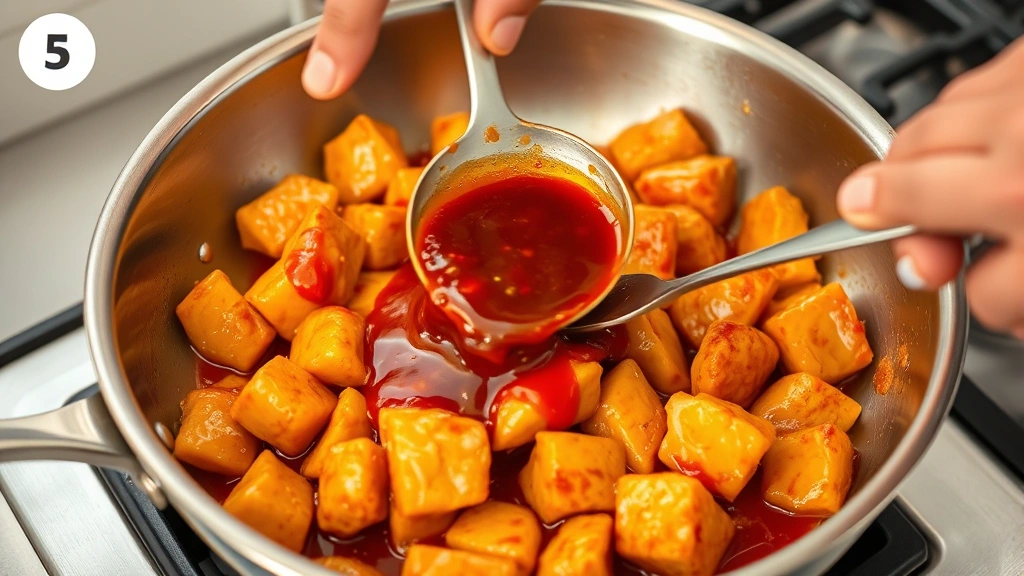
- Pour the gochujang sauce over the chicken, stirring gently to coat all the pieces evenly. Reduce the heat to medium and let the sauce come to a gentle simmer.
- Cook for about 3-4 minutes, stirring occasionally, until the chicken is cooked through completely and the sauce begins to reduce and thicken. The chicken should reach an internal temperature of 165°F (74°C).
- In a small bowl, stir together the cornstarch and water until smooth with no lumps. Slowly pour this mixture into the pan while stirring constantly.
- Continue cooking and stirring for another 1-2 minutes until the sauce thickens to your desired consistency. It should coat the back of a spoon and cling beautifully to each piece of chicken.
- Remove from heat and taste the sauce, adjusting seasonings as needed with additional salt, pepper, or a splash of soy sauce if it needs more depth.
- Transfer the gochujang chicken to a serving dish and garnish generously with sliced green onions and sesame seeds. Serve immediately over steamed rice, with noodles, or alongside roasted vegetables of your choice.
Pro Tips
- Gochujang paste is a fermented Korean chili paste that brings complex flavor beyond just heat – it adds umami and a subtle sweetness that makes this dish so addictive. You can find it at most grocery stores now in the Asian section, or online. Once opened, store it in the refrigerator where it will keep for months.
- Chicken thighs actually work wonderfully in this recipe and stay juicier than breasts, though both work beautifully. Thighs have more fat content, which means they’re more forgiving if you cook them slightly longer. If using thighs, you may need an extra 2-3 minutes of cooking time.
- The cornstarch slurry is optional but highly recommended – it transforms the sauce from thin to luxuriously glossy without using cream or butter. If you don’t have cornstarch, you can skip it, though the sauce won’t be quite as thick or clinging.
- This dish is endlessly customizable based on what you have on hand and your heat preferences. Add diced bell peppers, mushrooms, or broccoli during the last few minutes of cooking. You can also adjust the gochujang-to-other-ingredients ratio if you prefer milder or spicier results.
- Leftovers keep beautifully in an airtight container in the refrigerator for up to four days. Reheat gently on the stovetop over low heat, adding a splash of water or broth if the sauce has thickened too much during storage.
- For a vegetarian version, substitute the chicken with firm tofu, pressed and cut into bite-sized cubes, or with hearty vegetables like cauliflower florets or baby potatoes. The cooking time may vary based on what you choose.
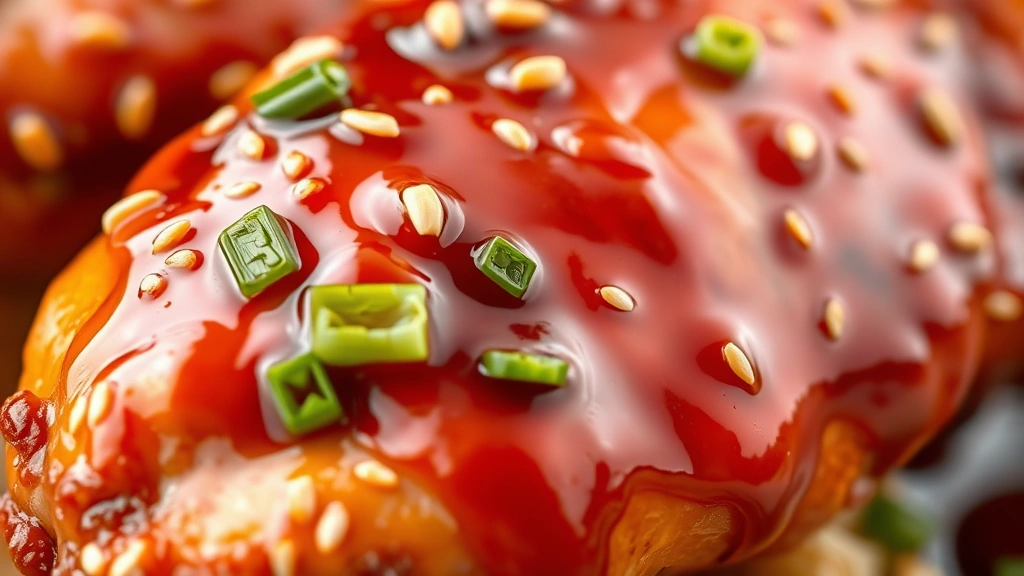
- Don’t skip the sesame seeds and green onions – they add a fresh brightness that cuts through the richness of the sauce and makes each bite feel restaurant-quality.
- If your gochujang sauce is too spicy, balance it with a touch more honey or a splash of milk. If it’s not spicy enough, add more gochujang paste or a pinch of cayenne pepper.
- Rice vinegar is specifically called for here because its mild acidity complements the gochujang beautifully – regular white vinegar can be overpowering, so stick with rice vinegar if possible.