

There’s something absolutely magical about a perfectly roasted lamb shoulder – it’s the kind of showstopping centerpiece that makes you look like a culinary genius, even though it’s surprisingly simple to execute. This cut of lamb is incredibly forgiving, which means you can achieve restaurant-quality results right in your own kitchen with just a few key techniques and quality ingredients.
Lamb shoulder is one of my favorite cuts to work with because it’s well-marbled, affordable, and becomes incredibly tender when roasted low and slow. The key to perfection is starting with room temperature meat, building a flavorful crust through proper seasoning, and allowing the meat to rest before carving – these steps make all the difference between good and absolutely exceptional.
I’ve tested this recipe dozens of times, tweaking the aromatics, the roasting temperature, and the resting time to dial in the perfect balance of a crispy, golden exterior and succulent, fall-apart-tender meat inside. The beauty of this method is its flexibility – you can customize the herb mixture to your preferences, add different vegetables to the pan, or even braise it with wine for extra depth.
Whether you’re planning a special dinner for your family or impressing guests, this lamb shoulder will become your go-to recipe. Serve it alongside roasted potatoes, fresh vegetables, and a rich pan sauce, and you’ll have a meal that tastes like you spent hours in the kitchen – when really, most of that time is hands-off roasting.
The process begins with understanding your lamb. A bone-in lamb shoulder (also called a lamb arm roast or lamb shoulder chop) is ideal because the bone adds incredible flavor to the pan juices, which you can use to make an amazing sauce. Plan for about 20 minutes of cooking time per pound at 325°F, plus an additional 15-20 minutes of resting time.
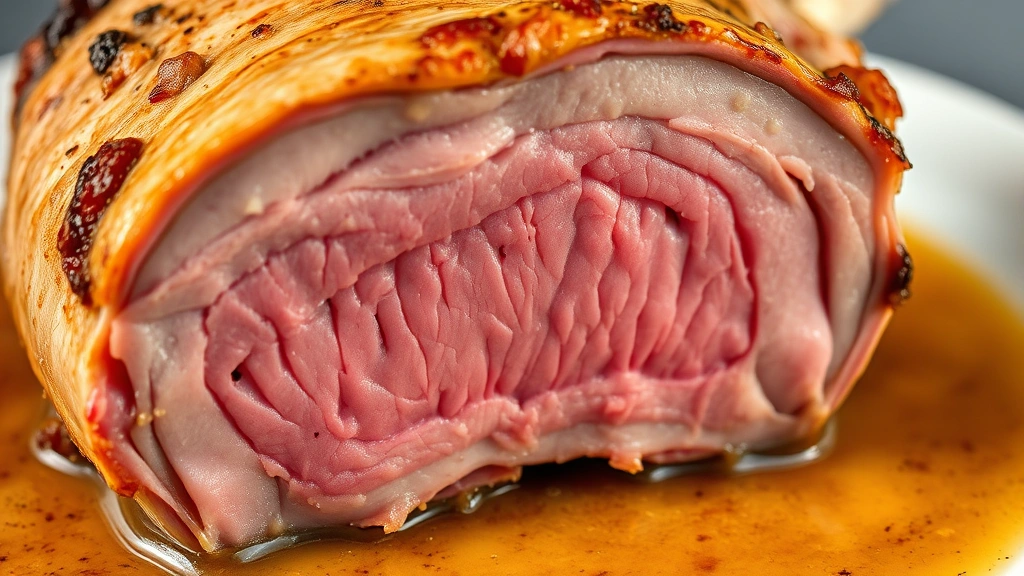
Temperature is absolutely crucial here. I use a meat thermometer to ensure perfect doneness – I aim for 160-165°F for medium, which gives you that perfect pink center with a properly cooked exterior. This isn’t just about food safety; it’s about texture and juiciness. Overcooked lamb becomes dry and tough, while perfectly cooked lamb is tender and succulent.
Ingredients
- 1 bone-in lamb shoulder (6-8 pounds)
- 6 cloves garlic, minced
- 3 tablespoons fresh rosemary, finely chopped
- 2 tablespoons fresh thyme leaves
- 2 tablespoons Dijon mustard
- 3 tablespoons olive oil
- 2 teaspoons kosher salt
- 1 teaspoon freshly ground black pepper
- 1 teaspoon smoked paprika
- ½ teaspoon cayenne pepper
- 2 cups lamb or chicken broth
- 1 cup dry white wine
- 2 tablespoons red wine vinegar
- 1 tablespoon honey
- 3 tablespoons butter
- 2 tablespoons cornstarch mixed with 3 tablespoons cold water
- Fresh rosemary sprigs for garnish
- Fleur de sel for finishing

Instructions
- Remove the lamb shoulder from the refrigerator 45 minutes before cooking to bring it to room temperature. This ensures even cooking throughout the meat.
- Preheat your oven to 325°F. Position the rack in the lower third of the oven to allow for even heat circulation around the roast.
- Pat the lamb shoulder completely dry with paper towels. Moisture on the surface prevents proper browning and crust formation.
- In a small bowl, combine the minced garlic, fresh rosemary, thyme leaves, Dijon mustard, 2 tablespoons of olive oil, kosher salt, black pepper, smoked paprika, and cayenne pepper to create a paste.
- Rub the herb paste evenly all over the lamb shoulder, making sure to work it into all the crevices and under any flaps of meat. Don’t be shy – this is where all your flavor comes from.
- Heat the remaining 1 tablespoon of olive oil in a large, heavy-bottomed roasting pan (or Dutch oven) over medium-high heat until it’s shimmering and just beginning to smoke.
- Carefully place the herb-coated lamb shoulder into the hot pan and sear for 4-5 minutes on the first side without moving it. You want a deep golden-brown crust to form.
- Flip the lamb and sear for another 4-5 minutes on the second side. If there are any exposed fatty areas, sear those briefly as well.
Pour the lamb broth and dry white wine into the pan around (not over) the lamb shoulder. The liquid should come about halfway up the sides of the meat.
- Add the red wine vinegar and honey to the braising liquid, stirring gently to combine. These ingredients will add depth and complexity to your pan sauce.
- Transfer the roasting pan to the preheated oven. Roast uncovered for approximately 1 hour and 45 minutes, or until a meat thermometer inserted into the thickest part reads 160-165°F for medium doneness.
- Halfway through roasting (around the 50-minute mark), carefully flip the lamb shoulder so it cooks evenly. Baste it with the pan juices to keep the meat moist.
- Remove the lamb shoulder from the oven when it reaches the desired temperature. Transfer it to a clean cutting board and tent loosely with foil.
- Allow the meat to rest for 15-20 minutes. This resting period is absolutely essential – it allows the juices to redistribute throughout the meat, ensuring every bite is succulent and tender.
- While the lamb rests, prepare the pan sauce. Skim any excess fat from the roasting pan if desired, leaving about 2 tablespoons for flavor.
- Place the roasting pan over medium heat on the stovetop. Bring the braising liquid to a gentle simmer, scraping up any flavorful browned bits stuck to the bottom of the pan with a wooden spoon.
- Let the liquid reduce for about 5 minutes to concentrate the flavors and reduce the volume by about one-quarter.
- In a small bowl, whisk together the cornstarch slurry (cornstarch mixed with cold water) until smooth with no lumps.
- While stirring constantly, slowly pour the cornstarch mixture into the simmering pan juices. Continue stirring for 2-3 minutes until the sauce thickens and becomes glossy.
- Remove from heat and stir in the 3 tablespoons of cold butter, one tablespoon at a time. This creates an incredibly silky, restaurant-quality sauce.
- Taste the sauce and adjust seasoning with additional salt and pepper as needed. A squeeze of fresh lemon juice can brighten the flavors.
- Carve the rested lamb shoulder into thick slices, cutting away from the bone and following the natural muscle separations for the most tender pieces.
- Arrange the carved lamb on a serving platter, drizzle generously with the pan sauce, and finish with fresh rosemary sprigs and a pinch of fleur de sel for elegance.
Pro Tips
A quality meat thermometer is your best friend. Lamb can appear done on the outside while still being undercooked inside. Aim for 160-165°F for a perfect medium with a slight pink center. Use an instant-read thermometer for the most accurate results.
The searing step creates the Maillard reaction, which develops deep, complex flavors on the meat’s exterior. Don’t skip this – it’s what makes restaurant-quality roasts taste so incredible.
Bone-in shoulder is superior to boneless for this recipe. The bone adds incredible gelatin and flavor to the pan juices, which become your pan sauce. If using boneless, reduce cooking time by about 15-20 minutes.
The resting period is absolutely essential and shouldn’t be skipped. During rest, the muscle fibers relax and reabsorb the juices, resulting in incredibly tender, moist meat. Cutting into it immediately causes all those delicious juices to run out onto your cutting board.
If your pan juices seem too fatty, use a fat separator or carefully tilt the pan and skim the fat from the surface with a spoon before making the sauce.
This recipe pairs beautifully with roasted root vegetables like carrots, parsnips, and potatoes. Add them to the roasting pan for the last 45 minutes of cooking to cook in the lamb’s flavorful juices.
Leftovers are fantastic. Shred any remaining meat and use it for sandwiches, salads, or grain bowls. Store in an airtight container for up to 4 days, or freeze for up to 3 months.
For a wine pairing, choose a full-bodied red like a Bordeaux, Côtes du Rhône, or a quality Cabernet Sauvignon. The tannins complement the rich, savory lamb beautifully.