
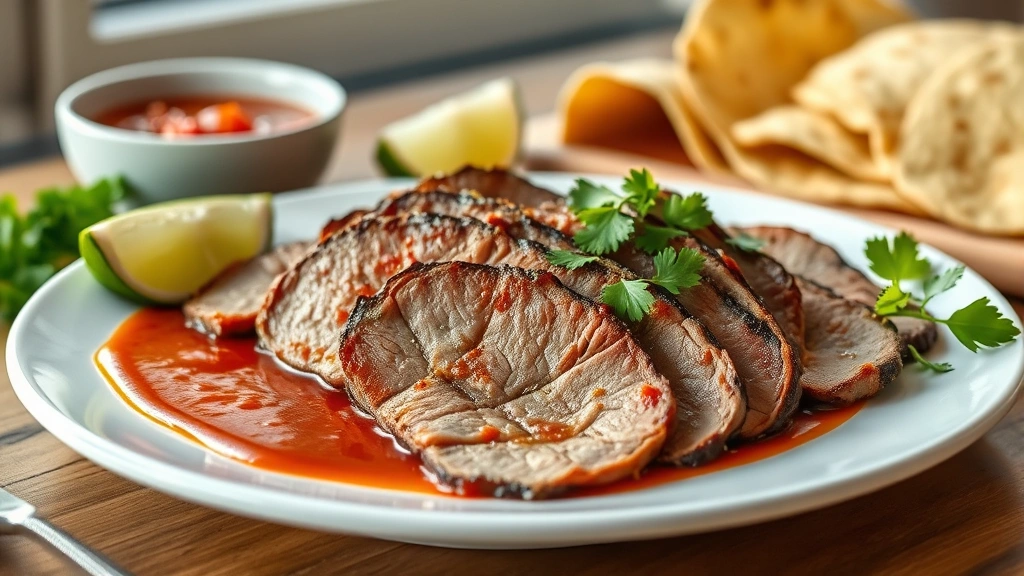
Lengua, or beef tongue, is a celebrated delicacy in Latin American cuisine that transforms into the most incredibly tender, flavorful dish when prepared properly. This traditional preparation method has been passed down through generations, and today I’m sharing my foolproof technique for creating restaurant-quality lengua right in your own kitchen.
Beef tongue might seem intimidating at first, but I promise you, once you taste the rich, buttery texture of perfectly cooked lengua, you’ll understand why it’s considered such a prized cut. The key to success lies in low and slow cooking, which breaks down the connective tissue and creates that signature melt-in-your-mouth tenderness. This recipe yields a versatile protein that works beautifully in tacos, served alongside rice and beans, or even sliced thin for elegant appetizers.
I’ve simplified the traditional process while maintaining all the authentic flavors you’d find in a proper lengua preparation. The combination of aromatics, spices, and the long braise creates an incredibly flavorful cooking liquid that doubles as a sauce. Whether you’re cooking for a family dinner or preparing this for a special celebration, this lengua recipe delivers impressive results every single time. The meat becomes so tender it practically falls apart with just a fork, and the subtle seasoning enhances rather than masks the natural beef flavor.
For best results, source your beef tongue from a quality butcher who can ensure freshness and proper handling. Don’t skip the initial cleaning step—it’s quick and makes a tremendous difference in the final dish. Serve your lengua hot with warm tortillas, fresh lime, and your favorite toppings for an authentic experience. You might also explore complementary side dishes and desserts to round out your meal.
This recipe serves beautifully for both weeknight dinners and entertaining, making it incredibly versatile for any occasion. The leftovers are equally delicious, whether you reheat them gently or use them cold in applications like composed dishes. Once you master this lengua preparation, you’ll find yourself making it regularly. For additional inspiration on elevated cooking techniques, check out Serious Eats and New York Times Cooking.
Ingredients
- 1 beef tongue (3-4 pounds), fresh or thawed if frozen
- 1 large white onion, halved
- 1 head of garlic, halved horizontally
- 3 bay leaves
- 1 tablespoon whole black peppercorns
- 1 tablespoon whole cumin seeds
- 3 dried guajillo chiles, seeded
- 2 dried ancho chiles, seeded
- 1/2 white onion, roughly chopped
- 4 garlic cloves, peeled
- 1 teaspoon dried oregano
- 1/2 teaspoon ground cumin
- 1/4 teaspoon ground cloves
- 3 tablespoons olive oil
- Salt and freshly ground black pepper to taste
- 2 cups beef broth or reserved cooking liquid
- 2 tablespoons apple cider vinegar
- 1 tablespoon honey or piloncillo, grated
- Fresh cilantro for garnish
- Lime wedges for serving
- Warm flour or corn tortillas for serving
Instructions
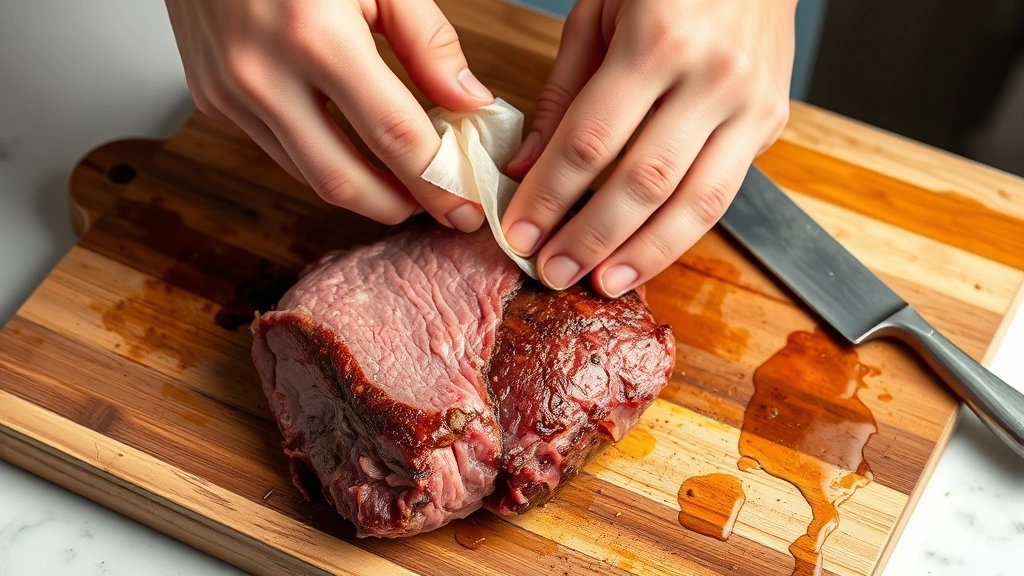
- Remove the beef tongue from refrigeration and rinse thoroughly under cold running water. Using a sharp knife or vegetable peeler, gently scrape away the white membrane covering the surface of the tongue. This outer layer can be tough and unpleasant, so take your time with this step. Rinse again under cold water to remove any debris.
- Fill a large stockpot or Dutch oven with 6-8 quarts of cold water. Place the cleaned tongue in the pot along with the halved white onion, halved garlic head, bay leaves, peppercorns, and cumin seeds.
- Bring the water to a boil over medium-high heat. Once boiling, reduce the heat to medium-low and allow the tongue to simmer gently, uncovered, for 2 to 2.5 hours. The tongue should be fork-tender at this point. Skim any foam or impurities that rise to the surface during the first 30 minutes of cooking.
- While the tongue cooks, prepare the chile sauce. Toast the guajillo and ancho chiles in a dry skillet over medium heat for about 2-3 minutes, just until fragrant. Be careful not to burn them. Remove from heat and let cool slightly.
- Place the toasted chiles in a blender with the chopped onion, garlic cloves, oregano, ground cumin, ground cloves, and 1 cup of water. Blend until completely smooth, about 2-3 minutes. Strain the sauce through a fine-mesh sieve to remove any remaining chile skin particles and create a silky sauce.
- When the tongue is tender, remove it from the cooking liquid using tongs and place on a cutting board. Reserve 2 cups of the cooking liquid. Allow the tongue to cool for about 5 minutes until it’s cool enough to handle.
- Once cooled, the outer skin should peel away easily. Using your fingers or a sharp knife, gently peel away the white membrane and outer skin from the tongue. Work carefully from the thicker end toward the tip. The tongue should come clean easily if it was cooked properly.
- Slice the peeled tongue into 1/4-inch thick slices on a slight bias. Try to create uniform slices for even cooking and presentation.
- Heat the olive oil in a large skillet over medium heat. When the oil is shimmering, add the chile sauce and cook for about 3-4 minutes, stirring frequently, until the sauce darkens slightly and becomes fragrant.
- Add the sliced tongue to the skillet along with the reserved cooking liquid, apple cider vinegar, and honey. Stir gently to combine all ingredients and coat the tongue slices with the sauce.
- Reduce heat to medium-low and simmer the tongue in the sauce for 10-15 minutes, allowing the flavors to meld and the sauce to thicken slightly. Taste and adjust seasonings with salt and pepper as needed.
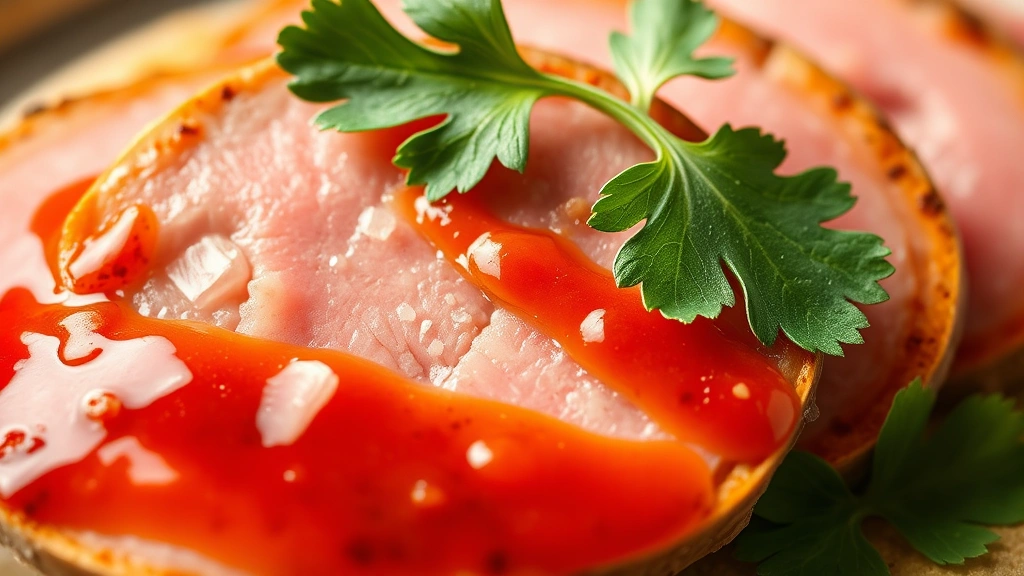
- Transfer the lengua and sauce to a serving platter. Garnish with fresh cilantro and serve hot with warm tortillas, lime wedges, diced onion, and your favorite accompaniments such as salsa or pickled jalapeños.
Pro Tips
Membrane Removal: The initial peeling is crucial for achieving the best texture. Don’t rush this step. If you’re uncomfortable doing it yourself, ask your butcher to clean it for you.
Cooking Liquid: Don’t discard the initial cooking liquid. This broth is liquid gold and can be frozen and used as a base for soups, stews, or other braises.
Chile Selection: Guajillo and ancho chiles provide a perfect balance of mild heat and depth. If you can’t find dried chiles, you can substitute with 1/4 cup of quality chile powder, though the flavor will be slightly different.
Make-Ahead: The tongue can be cooked through step 6 up to two days ahead. Wrap tightly and refrigerate. When ready to finish, peel and slice, then proceed with the sauce preparation.
Leftovers: Store cooled lengua and sauce in an airtight container in the refrigerator for up to five days. Reheat gently over medium-low heat with a splash of water if the sauce has thickened too much. For more side dish ideas, explore complementary recipes.
Serving Suggestions: Beyond tacos, serve lengua alongside refried beans and Mexican rice for a complete meal. Cold sliced tongue works beautifully in salads or as a protein-rich appetizer.
Spice Level: If you prefer less heat, use just one ancho chile and remove the chile seeds completely. For more spice, add a dried chipotle to the sauce.
Broth Variations: Try Bon Appétit for additional protein preparation techniques, or visit Serious Eats for detailed cooking science behind the transformation of tough cuts into tender dishes.