
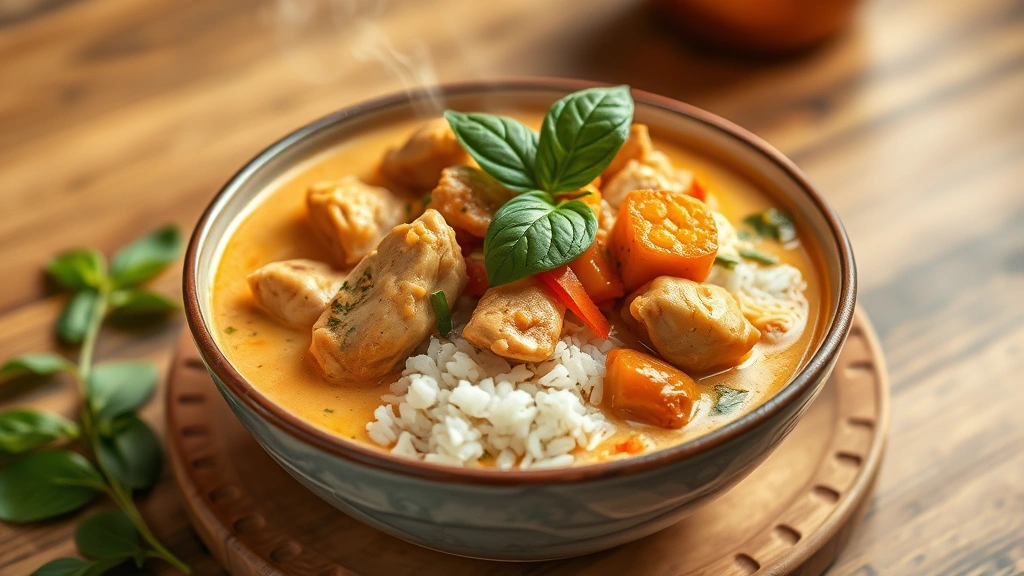
There’s something absolutely magical about homemade Panang curry that you simply cannot replicate from a jar. This simple Panang curry recipe is my go-to weeknight dinner because it comes together in about thirty minutes, requires minimal ingredients, and tastes like you’ve been simmering it all day long. The beauty of this dish lies in its creamy coconut sauce infused with warm spices, tender protein, and vibrant vegetables that are cooked just until tender-crisp.
Panang curry originates from Thailand and is known for being slightly less spicy than its red and green curry cousins, making it perfect for those who prefer a milder heat level. The name “Panang” comes from the Penang region in Malaysia, and this curry has become a beloved staple in Thai cuisine. What I absolutely love about making this at home is how customizable it is—you can adjust the heat level, swap proteins, or load it with your favorite vegetables without any fuss.
The magic of this recipe comes from a few key components: a quality Panang curry paste that serves as your flavor foundation, coconut milk that creates that luxurious creamy sauce, and a touch of fish sauce and lime juice that balance the flavors beautifully. I’ve found that using full-fat coconut milk makes all the difference in achieving that restaurant-quality richness. Some people get intimidated by Thai cooking, but I promise you, this recipe is incredibly straightforward and forgiving.
What makes this Panang curry truly special is how the flavors develop as it simmers. The curry paste blooms in the heat, the coconut milk becomes infused with those aromatic spices, and everything melds together into something absolutely delicious. I typically serve this over jasmine rice or with rice noodles, and it’s equally stunning with either option. The leftovers are just as delicious the next day, making this perfect for meal prep.
I’ve been making this recipe for years now, and it never fails to impress my family and friends. It’s the kind of dish that feels fancy enough for entertaining but simple enough for a regular Tuesday night. Whether you’re new to Thai cooking or a seasoned pro, this straightforward approach to recipe building will have you creating restaurant-quality meals at home in no time.
One of my favorite things about this curry is how well it pairs with various sides and accompaniments. You can serve it with complementary flavors and textures, crispy spring rolls, or a simple cucumber salad for added freshness. The cooling properties of a crisp salad or refreshing beverage balance beautifully with the richness of the curry sauce.
I’ve tested this recipe countless times to ensure it works perfectly every single time, and I’m confident that you’ll have success with it too. The key is not to overcomplicate things—sometimes the simplest recipes are the most satisfying. This Panang curry embodies that philosophy perfectly, delivering maximum flavor with minimal effort.
For those looking to explore more Thai-inspired cooking, this recipe serves as a great foundation for understanding how to build complex flavors from simple components. Once you master this basic technique, you can adapt the foundational principles to create your own variations. The possibilities are truly endless when you understand the balance of flavors that make Thai cuisine so incredible.
Let me walk you through everything you need to know to make this absolutely delicious Panang curry at home. I promise it’s easier than you think!
Ingredients
- 3 tablespoons Panang curry paste (Thai Kitchen or Mae Ploy brand recommended)
- 1 can (13.5 oz) full-fat coconut milk, divided
- 1.5 pounds boneless, skinless chicken breasts, cut into bite-sized pieces
- 2 tablespoons fish sauce (nam pla)
- 1 tablespoon palm sugar or light brown sugar
- 2 tablespoons lime juice (about 1 large lime)
- 2 red bell peppers, thinly sliced
- 8 ounces green beans, trimmed and halved
- 1 small red onion, thinly sliced
- 3 cloves garlic, minced
- 1 tablespoon fresh ginger, minced
- 2 tablespoons vegetable oil
- 1/2 cup chicken broth or water
- 1/4 cup fresh basil leaves (Thai basil preferred, but regular basil works)
- 2-3 red chilies, thinly sliced (optional, for extra heat)
- Salt and pepper to taste
- Jasmine rice or rice noodles for serving
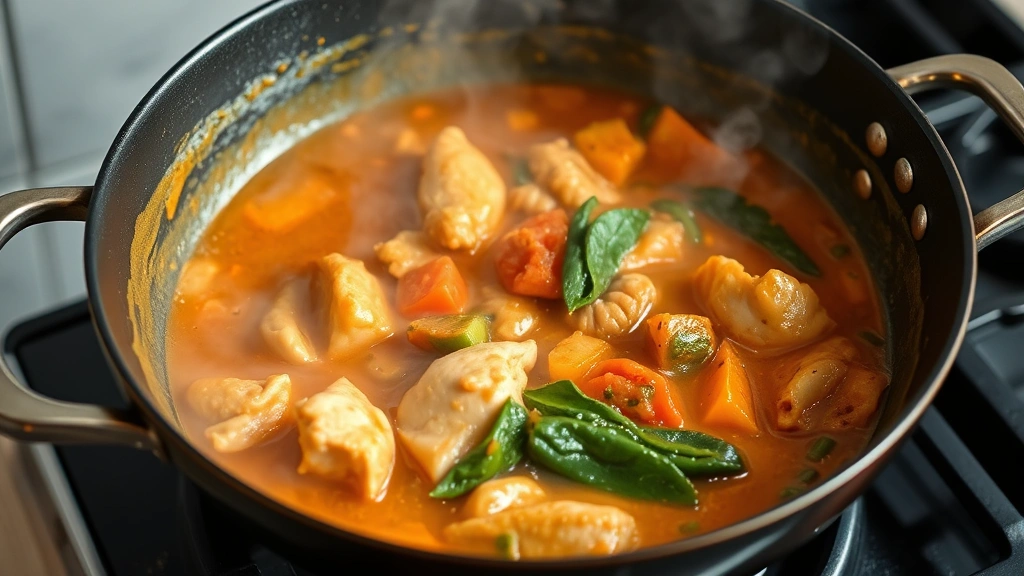
Instructions
- Heat the vegetable oil in a large saucepan or wok over medium-high heat. Once shimmering, add the minced garlic and ginger, stirring constantly for about 30 seconds until fragrant and golden.
- Add the Panang curry paste to the pan, stirring constantly to combine with the oil and aromatics. Cook for 2-3 minutes, stirring frequently, until the paste becomes fragrant and slightly darker in color. This step is crucial as it blooms the spices and develops the flavor base.
- Pour in about 1/2 cup of the coconut milk (the thick portion from the top of the can), stirring well to combine with the curry paste. The mixture should be thick and paste-like at this point. Continue stirring for another minute to ensure everything is well incorporated.
- Add the chicken pieces to the pan, stirring to coat them evenly with the curry paste mixture. Cook for 3-4 minutes, stirring occasionally, until the chicken begins to turn golden on the outside (it doesn’t need to be cooked through at this point).
- Pour in the remaining coconut milk and the chicken broth, stirring well to combine. Bring the mixture to a gentle simmer, then reduce the heat to medium. Let it simmer for about 8-10 minutes until the chicken is cooked through and no longer pink in the center.
- Add the sliced red bell peppers, green beans, and red onion to the pan. Stir well to distribute the vegetables evenly throughout the curry sauce. Continue simmering for 5-6 minutes until the vegetables are tender-crisp and cooked through but still maintaining some bite.
- Stir in the fish sauce and palm sugar, mixing well to combine. Taste the curry and adjust the seasonings as needed. Add the lime juice, stirring gently to incorporate. The lime juice should brighten all the flavors and add a lovely acidity to balance the richness of the coconut milk.
- Remove from heat and gently stir in the fresh basil leaves. Taste once more and adjust salt, pepper, or any other seasonings to your preference. If you prefer extra heat, scatter the sliced red chilies over the top just before serving.
- Divide the cooked jasmine rice or rice noodles among serving bowls. Ladle the Panang curry generously over the rice, making sure to include plenty of the creamy sauce and vegetables. Garnish with additional fresh basil, lime wedges, and sliced chilies if desired.
- Serve immediately while hot and enjoy this absolutely delicious homemade Thai curry!
Pro Tips
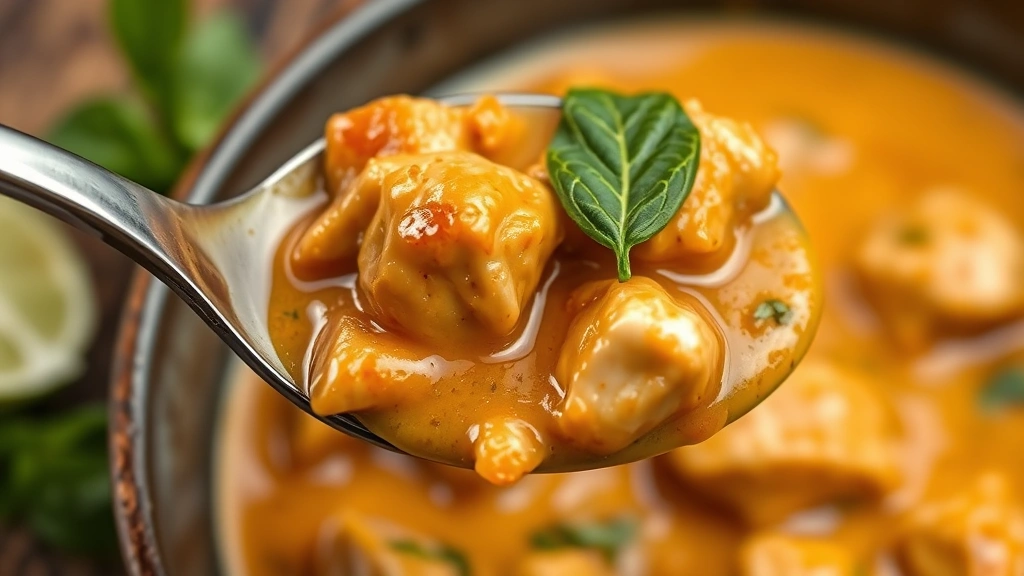
COCONUT MILK SELECTION: Always use full-fat coconut milk for the richest, creamiest results. Light coconut milk will make the sauce thinner and less luxurious. Don’t shake the can before opening—this allows you to scoop out the thick cream from the top.
CURRY PASTE QUALITY: The quality of your Panang curry paste will directly impact the final flavor. I recommend Thai Kitchen or Mae Ploy brands, which are widely available and consistently good. Avoid the curry pastes in glass jars if possible.
HEAT LEVEL ADJUSTMENT: If you prefer a milder curry, use less curry paste (start with 2 tablespoons). For more heat, add an extra tablespoon of curry paste or include the fresh chilies. Some people also add a small amount of red curry paste to increase the spice level.
VEGETABLE VARIATIONS: Feel free to swap or add vegetables based on what you have on hand. Snap peas, carrots, broccoli, bamboo shoots, water chestnuts, and baby corn all work wonderfully in this curry. Just adjust cooking times accordingly—harder vegetables may need a bit longer.
FISH SAUCE: This ingredient is essential for authentic Thai flavor, but if you absolutely cannot find it or prefer not to use it, you can substitute with soy sauce (use the same amount). The flavor will be slightly different but still delicious.
MAKE-AHEAD AND STORAGE: This curry actually tastes even better the next day as the flavors continue to develop. Store leftovers in an airtight container in the refrigerator for up to 3 days. Reheat gently over low heat on the stovetop or in the microwave. You can also freeze this curry for up to 2 months.
SERVING SUGGESTIONS: Serve with jasmine rice, basmati rice, rice noodles, or even regular white rice. Consider adding fresh lime wedges, extra basil, sliced chilies, peanuts, and cucumber slices on the side. A crispy Asian cucumber salad or a simple green salad provides a nice contrast to the rich curry.
TIME-SAVING TIPS: Prepare all your ingredients ahead of time (mise en place) so the actual cooking goes quickly. You can chop vegetables several hours in advance and store them in airtight containers in the refrigerator.
DRINK PAIRINGS: This curry pairs beautifully with Thai iced tea, a crisp white wine like Sauvignon Blanc, or even a light beer. The cooling, slightly sweet Thai iced tea is particularly refreshing alongside the warm, creamy curry.
BUDGET-FRIENDLY: This is an economical recipe that produces restaurant-quality results at a fraction of the cost. Buy your curry paste and coconut milk from Asian markets where they’re often significantly cheaper than at regular supermarkets.