
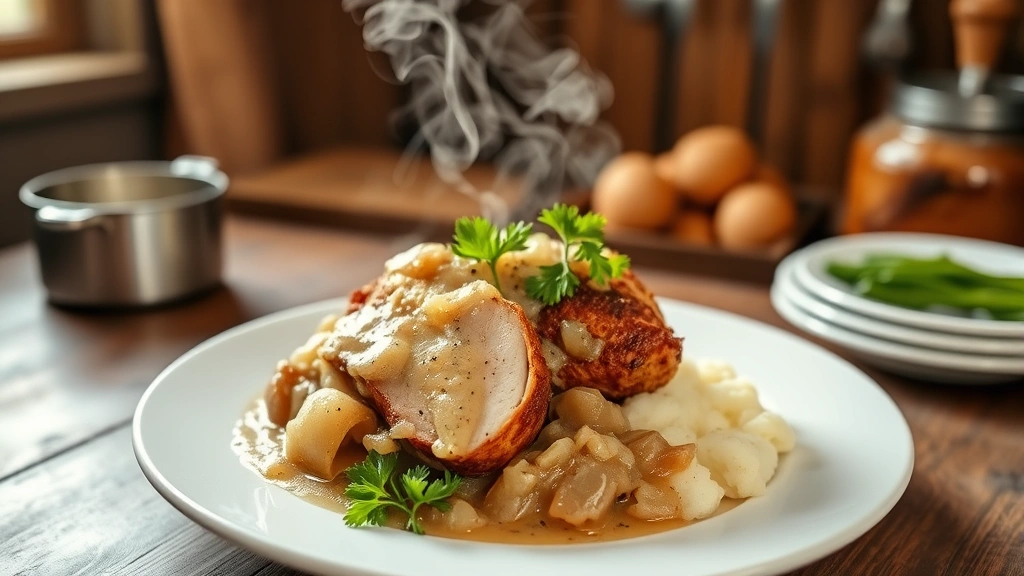
There’s something absolutely magical about the combination of tender pork and tangy sauerkraut that takes me back to my grandmother’s kitchen every single time. This classic dish is the epitome of comfort food done right—it’s hearty, flavorful, and honestly? It’s easier to make than you might think. The beauty of this pork and sauerkraut recipe lies in its simplicity and the way the flavors develop as everything simmers together.
I’ve been making this dish for years, and I can confidently say that the secret to the BEST version is using quality ingredients and giving the pork enough time to become incredibly tender and juicy. When you combine perfectly seasoned pork with that distinctive sauerkraut tang, you get a dish that’s both sophisticated enough for entertaining and comforting enough for a cozy weeknight dinner.
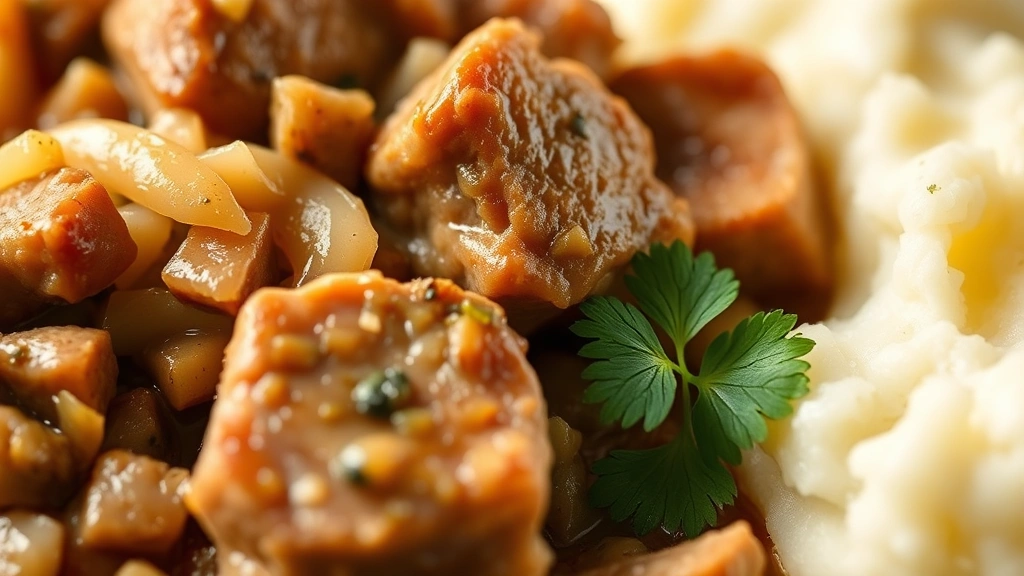
This recipe is incredibly versatile too. You can serve it over creamy mashed potatoes, alongside crusty bread, or even with egg noodles for a more traditional German-style presentation. The pork becomes so tender that it practically falls apart with just a fork, and the sauerkraut acts as the perfect foil to the richness of the meat.
One of my favorite things about this dish is how it transforms with minimal effort on your part. You’ll do a bit of prep work, get everything into a pot or Dutch oven, and then let time do the heavy lifting. The aroma that fills your kitchen as this simmers is absolutely worth the wait, and your family will be asking when you’re making it again before they’ve even finished their plates.
If you’re looking for other comforting main dishes, you might also enjoy exploring our collection of classic comfort recipes. For those nights when you want something equally satisfying but different, we have plenty of other crowd-pleasers that deliver that same home-cooked feel.
Let me walk you through exactly how to make this pork and sauerkraut recipe so that your version turns out absolutely perfect every single time. Trust me, once you master this, it’ll become a regular rotation in your dinner plans.
Ingredients
- 3-4 pounds pork shoulder, cut into 2-inch chunks
- 2 tablespoons olive oil or bacon fat
- 1 large yellow onion, diced
- 4 cloves garlic, minced
- 2 pounds fresh sauerkraut (or canned, drained and rinsed)
- 1 cup chicken or pork broth
- 1 cup dry white wine or additional broth
- 2 tablespoons brown sugar
- 1 tablespoon caraway seeds (optional but recommended)
- 2 bay leaves
- 6-8 whole peppercorns
- 1 teaspoon dried thyme
- Salt and freshly ground black pepper to taste
- 2 tablespoons Dijon mustard
- 1 tablespoon apple cider vinegar
- Fresh parsley for garnish (optional)
Instructions
- Pat the pork chunks dry with paper towels and season generously all over with salt and freshly ground black pepper. This step is crucial for developing a proper crust and locking in the juices.
- Heat the olive oil or bacon fat in a large Dutch oven or heavy-bottomed pot over medium-high heat until it’s shimmering and hot.
- Working in batches to avoid overcrowding the pan, brown the pork chunks on all sides, approximately 3-4 minutes per side. Don’t rush this step—proper browning creates incredible depth of flavor. Set the browned pork aside on a clean plate.
- Reduce the heat to medium and add the diced onion to the same pot, scraping up any browned bits from the bottom. Cook the onion until it begins to soften, about 3-4 minutes.
- Add the minced garlic and cook for another minute, stirring constantly, until fragrant.
- Pour in the white wine (or additional broth) and use a wooden spoon to deglaze the pot, scraping up all those flavorful browned bits. Let this simmer for 2-3 minutes.
- Return the browned pork to the pot along with any accumulated juices.
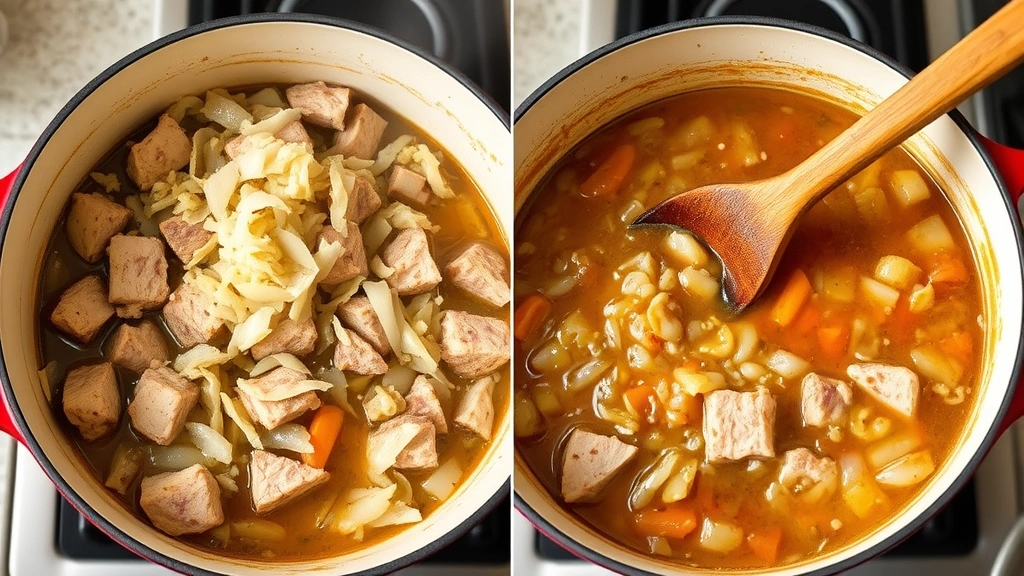
- Add the sauerkraut (drained and rinsed if using canned), chicken broth, brown sugar, caraway seeds if using, bay leaves, peppercorns, and thyme. Stir everything together until well combined.
- Bring the mixture to a simmer, then reduce the heat to low, cover the pot with a lid, and let it simmer gently for 2 hours, or until the pork is incredibly tender and easily pulls apart with a fork.
- Stir in the Dijon mustard and apple cider vinegar, tasting as you go. Add additional salt and pepper if needed to suit your preference.
- If the braising liquid seems too thin, remove the lid and let it simmer for an additional 15-20 minutes to allow some of the liquid to reduce and concentrate the flavors.
- Remove the bay leaves and serve the pork and sauerkraut hot, garnished with fresh parsley if desired, alongside your choice of mashed potatoes, egg noodles, or crusty bread.
Pro Tips
If you can’t find fresh sauerkraut, canned varieties work wonderfully—just make sure to rinse and drain them well to remove excess sodium and brine. Some people prefer the flavor of freshly jarred sauerkraut found in the refrigerated section of the grocery store, which tends to have more complex probiotic benefits.
Caraway seeds are traditional in this dish and add an authentic Germanic note, but if you’re not a fan or don’t have them on hand, the recipe works beautifully without them. Some cooks add a splash of pickle juice or a tablespoon of whole grain mustard for additional tang.
The type of pork you choose matters significantly. Pork shoulder is ideal because it contains enough fat and connective tissue to become incredibly tender during the long braise. Avoid lean cuts like pork loin, which can dry out during cooking.
For a richer version, you can use bacon fat instead of olive oil for browning the meat, or even cook a few strips of bacon separately and crumble them into the final dish. The smoky flavor pairs beautifully with the sauerkraut.
This dish pairs wonderfully with classic desserts for a complete German-inspired meal. Consider serving with a crisp Riesling or a pilsner beer for the ultimate pairing experience.
Some regional variations include adding a sliced apple during cooking, which adds subtle sweetness that balances the sauerkraut’s tang beautifully. Granny Smith apples work particularly well.
For meal prep, you can brown the meat and chop the aromatics the day before, then simply combine everything when you’re ready to cook. This makes it an excellent candidate for weekend meal preparation.
If you’re cooking for a crowd, this recipe doubles beautifully. Just use a larger pot or divide between two Dutch ovens and increase cooking time slightly if needed.
The braising liquid becomes a naturally rich sauce without any additional thickening required, but if you prefer a thicker consistency, you can whisk together a tablespoon of cornstarch with two tablespoons of cold water and stir it in during the last few minutes of cooking.