
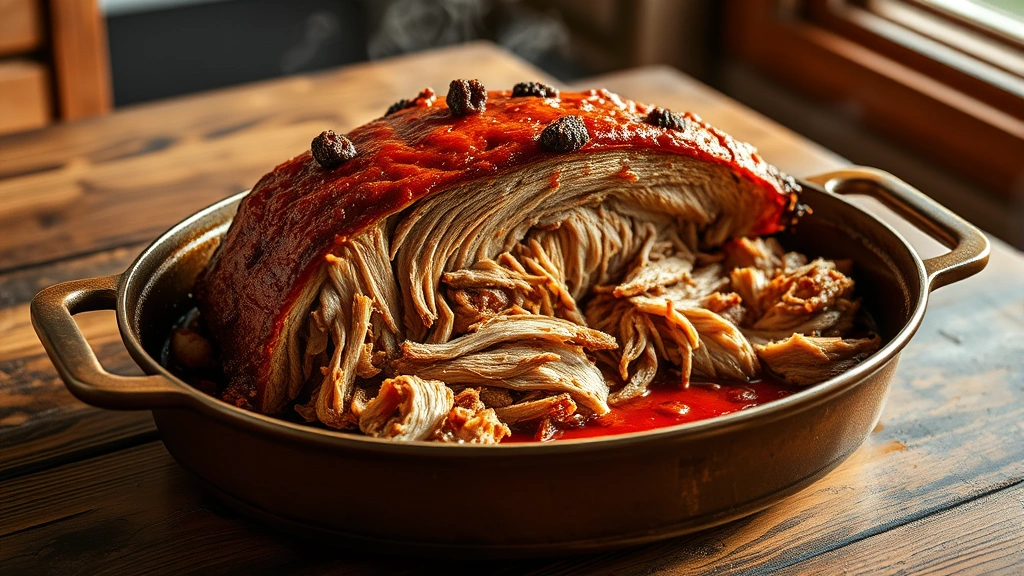
There’s something absolutely magical about a perfectly cooked pork butt—it’s the kind of dish that brings people together and fills your kitchen with the most incredible aromas. This pork butt recipe is my go-to for feeding a crowd, whether you’re hosting a casual weekend gathering or planning something more special. What I love most about this cut is its forgiving nature; the marbling and fat content mean you can cook it low and slow, and it transforms into the most tender, flavorful meat that practically falls apart at the touch of a fork.
I’ve been making this recipe for years, and every single time, guests ask for the secret. The truth is, there’s no complicated technique here—just quality ingredients, patience, and a little bit of love. The magic happens when you combine a carefully crafted dry rub with slow cooking, creating a caramelized exterior while keeping the inside incredibly juicy. Whether you’re planning to serve it pulled for sandwiches, sliced for a main course, or shredded for tacos, this pork butt recipe delivers every single time.
The beauty of this recipe lies in its versatility. You can adapt it to your taste preferences, your cooking equipment, and your timeline. I’ve included options for both oven and slow cooker methods because I know not everyone has access to a smoker, and that’s perfectly fine. The results are consistently delicious no matter which method you choose. I always make extra because the leftovers are phenomenal—perfect for quick weeknight meals, amazing in Taco Bell Meat preparations, or even layered into Cheddar Biscuits.
When you’re shopping for your pork butt, look for a piece with good marbling—those little white lines throughout the meat. This fat is what keeps everything moist during the long cooking process and adds incredible flavor. Don’t be intimidated by the size; a 8 to 10-pound pork butt is actually quite manageable and yields enough for a good-sized gathering with plenty of leftovers. I like to give myself about 2 hours of cooking time per pound when cooking low and slow, which means planning ahead, but the hands-on time is minimal.
The dry rub is where you can really make this recipe your own. I’ve included my favorite combination of spices, but feel free to adjust based on your preferences. Some people love more heat, others prefer a sweeter profile. The base of brown sugar, paprika, and garlic powder is classic for a reason—it creates that beautiful crust while complementing the natural pork flavor beautifully. The key is making sure you apply the rub generously and let it sit for at least an hour before cooking, preferably overnight. This allows the flavors to penetrate the meat and create a more complex taste.
One thing I cannot stress enough is the importance of using a meat thermometer. This takes all the guesswork out of cooking and ensures you end up with perfectly tender meat every single time. You’re looking for an internal temperature of 190-205°F for the most tender results. At this temperature, the collagen has fully converted to gelatin, making the meat incredibly moist and easy to shred.
If you’re serving this with sides, consider pairing it with Roasted Eggplant for a lighter option or Cream of Celery Soup as a comforting starter. For a more traditional barbecue spread, classic coleslaw and baked beans are always winners. The pork is rich and flavorful enough to shine on its own, but these sides complement it beautifully.
For more inspiration on cooking techniques, I recommend checking out Serious Eats for detailed food science explanations, or New York Times Cooking for additional pork recipes. If you want to explore more savory meat recipes, Bon Appétit has some fantastic options that use similar techniques.
The wonderful thing about this pork butt recipe is that it teaches you fundamental cooking skills that translate to other dishes. You’ll learn about flavor development through dry rubs, the importance of low-and-slow cooking for tough cuts, and how to use a meat thermometer properly. These skills will serve you well in the kitchen for years to come. I encourage you to make this recipe multiple times, experimenting with different seasonings and serving methods until you make it completely your own. That’s when cooking becomes truly personal and meaningful.
Ingredients
- 1 bone-in pork butt (8-10 pounds), skin scored
- 3 tablespoons brown sugar
- 2 tablespoons smoked paprika
- 1 tablespoon garlic powder
- 1 tablespoon onion powder
- 1 tablespoon chili powder
- 1 tablespoon kosher salt
- 1 tablespoon black pepper
- 1 tablespoon ground cumin
- 1 teaspoon cayenne pepper
- 1 teaspoon dry mustard
- 2 tablespoons olive oil
- 1 cup apple cider vinegar
- 1 cup beef broth
- 1 large yellow onion, quartered
- 4 cloves garlic, minced
- 2 bay leaves
- Fresh thyme sprigs for garnish
Instructions
- Remove pork butt from refrigerator 1 hour before cooking to bring it closer to room temperature.
- Pat the pork butt completely dry with paper towels, paying special attention to the skin and crevices.
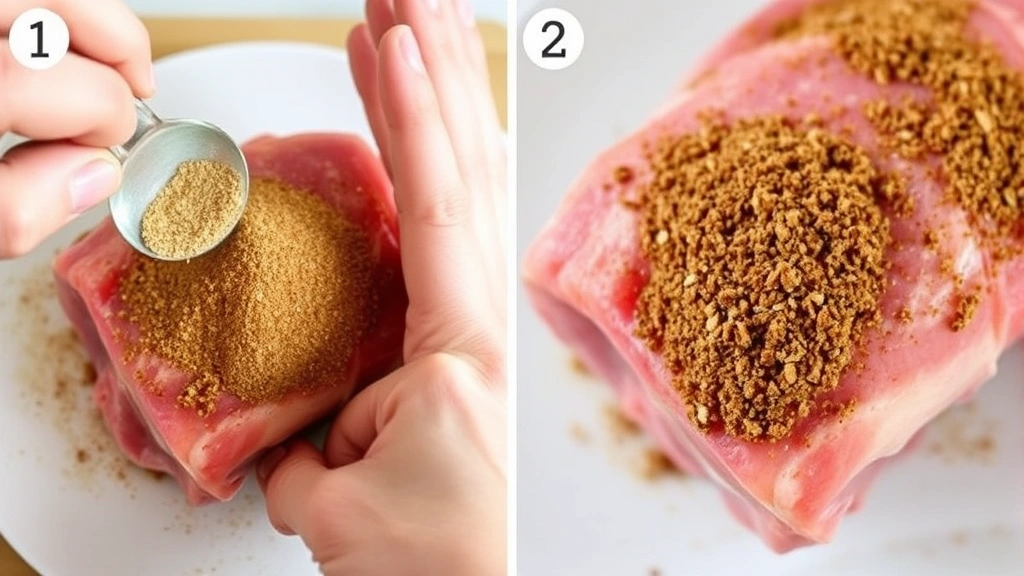
- In a small bowl, combine brown sugar, smoked paprika, garlic powder, onion powder, chili powder, kosher salt, black pepper, ground cumin, cayenne pepper, and dry mustard.
- Rub olive oil all over the pork butt, then generously apply the dry rub, making sure to work it into all the crevices and under any flaps of skin.
- Cover loosely with plastic wrap and refrigerate for at least 2 hours, or preferably overnight, to allow flavors to penetrate the meat.
- Preheat oven to 325°F (163°C). Line a large roasting pan with aluminum foil for easy cleanup.
- Place the seasoned pork butt skin-side up in the roasting pan.
- Add quartered onion and bay leaves to the bottom of the pan around the pork.
- Pour apple cider vinegar and beef broth into the pan (not over the pork), creating a braising liquid that will keep the meat moist.
- Cover the roasting pan tightly with aluminum foil and place in the preheated oven.
- Roast for 6-8 hours, depending on the size of your pork butt, until the internal temperature reaches 190-205°F when measured with a meat thermometer in the thickest part (not touching bone).
- Remove foil during the last 30 minutes of cooking to allow the skin to crisp up slightly.
- Remove pork butt from oven and let rest for 15-20 minutes before handling (this allows the juices to redistribute).
- While resting, strain the pan drippings through a fine-mesh sieve into a saucepan, discarding solids.
- Skim any excess fat from the surface of the drippings if desired, or leave it for extra flavor.
- Simmer the drippings over medium heat for 5 minutes to concentrate flavors and create a sauce.
- Using two forks or a pair of tongs, shred the pork directly in the roasting pan, discarding any excess fat or bone.
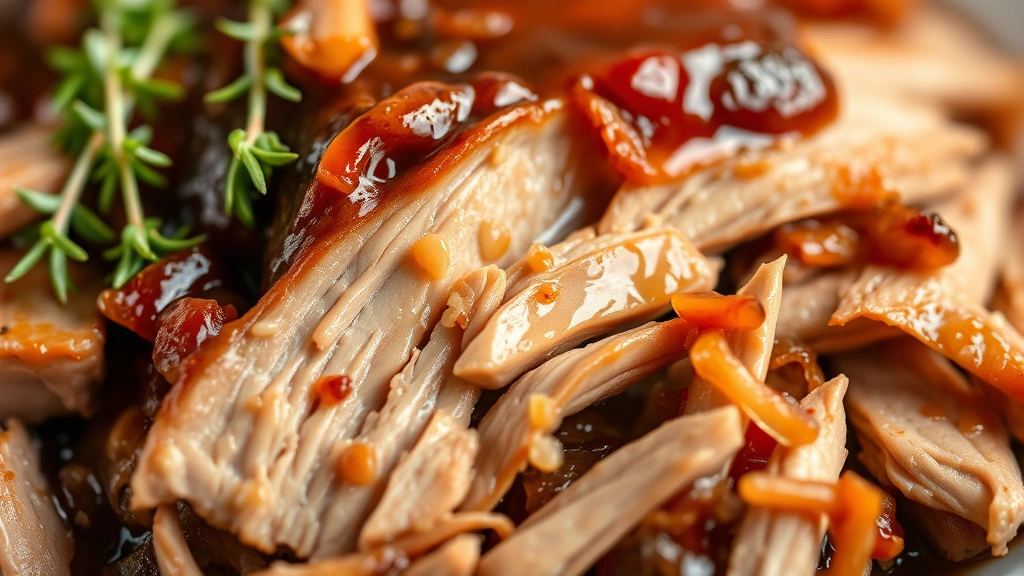
- Toss the shredded pork with the warm sauce until well coated.
- Transfer to a serving platter and garnish with fresh thyme sprigs.
- Serve warm with your choice of sides and condiments.
Pro Tips
Making Ahead: This recipe is actually better when made a day ahead. Cook the pork, shred it, and refrigerate it in an airtight container with the sauce. The flavors meld beautifully overnight, and you can simply reheat it gently in a low oven or slow cooker before serving.
Serving Suggestions: Serve pulled pork on toasted buns with coleslaw and pickles for a classic pulled pork sandwich. Alternatively, serve it sliced as a main course with your favorite sides, or use it as a filling for tacos, burritos, or grain bowls. The versatility of this dish means you can serve it several different ways throughout the week.
Freezer Storage: Shredded pork butt freezes exceptionally well for up to 3 months. Portion it into freezer bags or containers with some of the sauce, and you’ll have quick meals ready to go. Thaw overnight in the refrigerator and reheat gently.
Seasoning Adjustments: Feel free to customize the dry rub based on your preferences. For a sweeter profile, increase brown sugar to 4 tablespoons. For more heat, add extra cayenne or a teaspoon of ghost pepper powder. For a more savory rub, increase the garlic and onion powder.
Bone Selection: The bone-in pork butt cooks more evenly and stays moister than boneless versions. The bone conducts heat and helps keep the meat juicy throughout the long cooking process.
Meat Thermometer Essential: Invest in a good instant-read meat thermometer if you don’t have one. This tool eliminates guesswork and ensures perfect results every time.
Pan Drippings Gold: Don’t discard the pan drippings. They contain concentrated pork flavor and create an incredible sauce. The fat rendered during cooking is liquid gold for adding richness to the finished dish.
Resting Period Important: The 15-20 minute rest after cooking allows carryover cooking to finish and lets juices redistribute throughout the meat, resulting in more tender, juicier pork.
Leftover Uses: Use leftovers in fried rice, quesadillas, pizza toppings, grain bowls, or mixed into barbecue sauce for instant pulled pork sandwiches.