
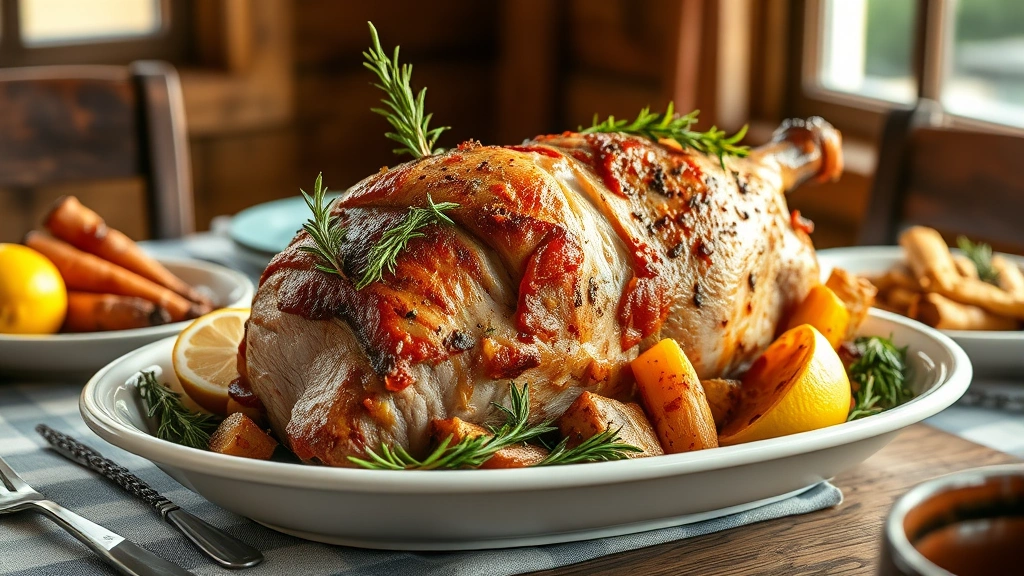
There’s nothing quite like a perfectly roasted pork butt – tender, juicy, and absolutely packed with flavor. This classic centerpiece dish has been a beloved staple at tables for generations, and today I’m sharing my foolproof method for achieving restaurant-quality results right in your own kitchen.
Pork butt roast, despite its unfortunate name, is one of the most forgiving and delicious cuts of meat you can work with. The marbling of fat throughout the meat keeps it moist during cooking, while the size allows for beautiful caramelization on the outside. Whether you’re planning a Sunday dinner with family or hosting a dinner party, this recipe delivers impressive results every single time.
The secret to the perfect pork butt roast lies in three key components: proper seasoning, low and slow cooking, and patience. I’ve tested this recipe dozens of times, adjusting temperatures and cooking times to find the sweet spot that gives you a gorgeous golden crust while maintaining that incredibly tender, almost pull-apart texture inside. The aromatics – garlic, rosemary, and thyme – infuse the meat with subtle herbaceous notes that complement the natural pork flavor beautifully.
What I love most about this recipe is its versatility. Serve it with classic roasted vegetables, alongside creamy mashed potatoes, or even shredded for sandwiches the next day. The leftovers are just as good as the original meal, making this an economical choice for feeding a crowd.
If you’re new to roasting large cuts of meat, don’t be intimidated. This recipe walks you through every step, from selecting your roast at the butcher counter to carving it at the table. You’ll find that once you master this technique, you’ll be making pork butt roast regularly. Your family will be begging for it!
For more impressive dinner ideas, check out our Perfect Cherry Cheesecake for dessert inspiration. And if you’re planning a full menu, our Best Peach Ice Cream makes a wonderful finale. You might also enjoy our Best Banana Bread with Chocolate Chips for brunch the next day, and don’t forget about our Simple Powdered Sugar Frosting for any baked goods you might want to prepare.
For additional inspiration on meat preparation techniques, I recommend checking out Serious Eats and Bon Appétit for their excellent guides on roasting. The New York Times also offers wonderful cooking resources that complement this recipe beautifully.
Ingredients
- One 8-10 pound pork butt (bone-in or boneless)
- 3 tablespoons kosher salt
- 2 tablespoons freshly ground black pepper
- 2 tablespoons garlic powder
- 1 tablespoon onion powder
- 2 teaspoons dried thyme
- 2 teaspoons dried rosemary
- 1 teaspoon smoked paprika
- 1 teaspoon cayenne pepper (optional, for heat)
- 6 cloves fresh garlic, minced
- 3 tablespoons olive oil
- 2 cups beef or chicken broth
- 1 large yellow onion, quartered
- 4 fresh rosemary sprigs
- 4 fresh thyme sprigs
- 2 bay leaves
Instructions
- Remove your pork butt from the refrigerator 1-2 hours before cooking to allow it to come to room temperature. This ensures even cooking throughout the meat.
- Preheat your oven to 325 degrees Fahrenheit. Position the oven rack in the lower-middle portion so the roast won’t touch the top of the oven.
- Pat the pork butt completely dry with paper towels. Any moisture on the surface will prevent proper browning and crust formation.
- In a small bowl, combine kosher salt, black pepper, garlic powder, onion powder, dried thyme, dried rosemary, smoked paprika, and cayenne pepper. Mix thoroughly until all spices are evenly distributed.
- Rub the entire surface of the pork butt generously with the spice mixture, making sure to coat all sides, including any crevices or areas where the skin wrinkles.
- In a small bowl, mix the minced fresh garlic with olive oil to create a paste, then massage this mixture all over the pork butt, working it into the spice rub.
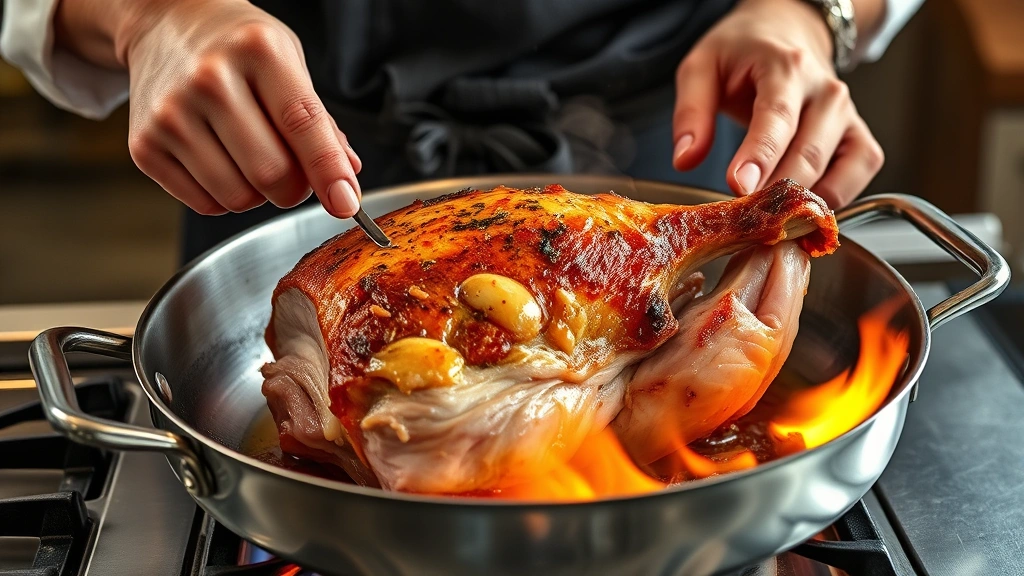
- Place a large roasting pan on your stovetop over medium-high heat. Once hot, carefully place the pork butt skin-side down in the pan.
- Sear the meat for 3-4 minutes until the underside develops a deep golden-brown crust. Using tongs, carefully flip and sear the other side for another 3-4 minutes.
- Sear the ends and any other exposed sides for 2 minutes each until all surfaces have a nice caramelized crust.
- Remove the pork butt from the pan and set aside on a clean cutting board. Pour off all but 2 tablespoons of the fat from the roasting pan.
- Add the quartered onion to the roasting pan and stir, scraping up any browned bits from the bottom. These browned bits are liquid gold for flavor.
- Return the pork butt to the roasting pan, skin-side up. Add the fresh rosemary sprigs, fresh thyme sprigs, and bay leaves around the meat.
- Pour the broth carefully around (not over) the pork butt, ensuring the liquid comes up about halfway up the sides of the meat.
- Cover the roasting pan tightly with aluminum foil, ensuring no steam can escape. This will keep the meat moist during the long cooking process.
- Transfer the covered pan to your preheated 325-degree oven and roast for approximately 4 hours, or until the internal temperature reaches 190-195 degrees Fahrenheit when measured at the thickest part with a meat thermometer.
- Remove the foil carefully (watch out for the hot steam!) and check the temperature. The meat should be fork-tender and easily shred apart.
- If you prefer a crispier exterior, increase the oven temperature to 425 degrees and roast uncovered for an additional 15-20 minutes until the skin is crackly and golden.
- Remove from the oven and let the pork butt rest for 15-20 minutes before carving. This resting period allows the juices to redistribute throughout the meat.
- While the meat rests, strain the pan drippings through a fine-mesh sieve into a saucepan, discarding the solids. Skim any excess fat from the surface if desired.
- Gently simmer the strained pan drippings over medium heat for 3-5 minutes, then season with salt and pepper to taste. This creates an incredible natural gravy.
- Carve the pork butt against the grain into thick slices, or shred it with two forks for a more casual presentation.
- Transfer the carved or shredded pork to a serving platter and drizzle with the warm pan gravy. Serve immediately with your choice of sides.
Pro Tips
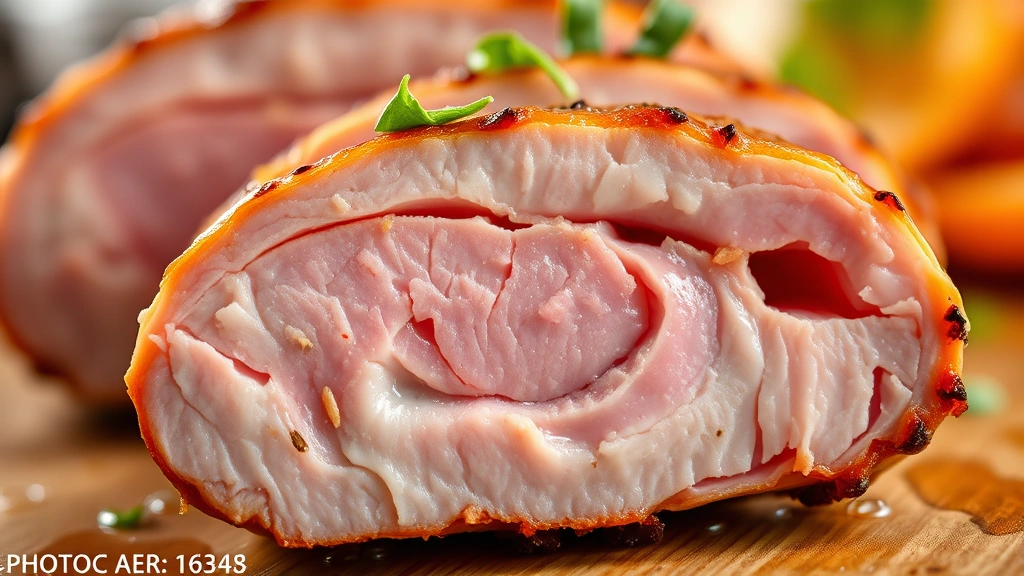
Temperature is Everything: Invest in a reliable meat thermometer. The difference between perfectly tender and dry pork is just a few degrees. Aim for 190-195 degrees Fahrenheit for that pull-apart texture. Don’t rely on cooking time alone – every oven is different, and roast sizes vary.
Make-Ahead Preparation: You can prepare the spice rub the night before and store it in an airtight container. Apply it to the pork butt in the morning, and it will develop a flavorful crust as it sits. You can also sear the meat ahead of time and refrigerate it until you’re ready to roast.
Leftover Magic: Shredded pork butt makes incredible sandwiches, tacos, grain bowls, and even pizza toppings. Store leftovers in an airtight container in the refrigerator for up to four days, or freeze for up to three months. Reheat gently in a low oven with a splash of broth to maintain moisture.
Serving Suggestions: Pair with creamy mashed potatoes, roasted root vegetables, coleslaw, or crusty bread. A simple green salad with vinaigrette provides nice balance to the rich meat. Consider serving with pickled vegetables or a spicy mustard for added brightness.
Broth Selection: Use quality broth – it becomes part of your gravy. Homemade broth is ideal, but store-bought works fine. Avoid bouillon cubes, which can be too salty. You can also use apple cider or white wine mixed with broth for additional complexity.
Crispy Skin: If you love crackling skin, increase the final oven temperature to 425 degrees for the last 15-20 minutes. Pat the surface dry before this high-heat finish. Some people even use a kitchen torch for extra crispiness, though this requires caution.
Scaling for Crowds: This recipe scales beautifully. For a larger gathering, use multiple smaller roasts rather than one enormous one – they’ll cook more evenly. Adjust cooking time based on weight: generally 30-40 minutes per pound at 325 degrees.
Seasoning Variations: Try different herb combinations – Mexican-inspired with cumin and oregano, Asian-influenced with ginger and five-spice powder, or Italian with basil and oregano. The base technique remains the same; only the seasonings change.