
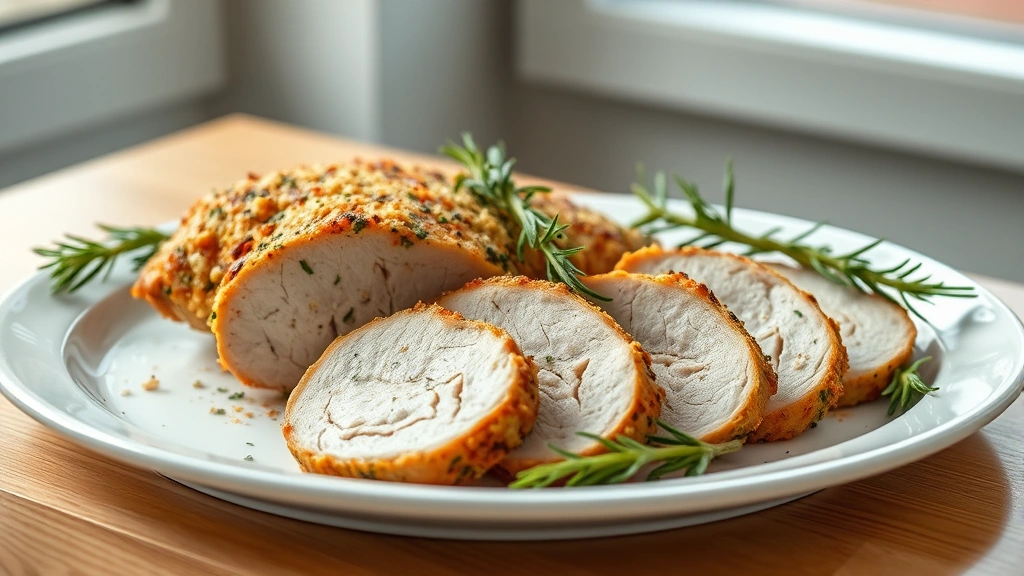
There’s nothing quite like a perfectly marinated pork loin that emerges from the oven with a beautiful golden crust and juicy, flavorful interior. This pork loin marinade recipe is an absolute game-changer for weeknight dinners and special occasion meals alike. I’m so excited to share my foolproof method that combines classic flavors with modern techniques to deliver restaurant-quality results every single time.
The secret to the perfect pork loin marinade lies in balancing three essential components: acid for tenderizing, fat for flavor, and aromatics for depth. Whether you’re planning a casual family dinner or an impressive holiday spread, this marinade will transform a simple cut of meat into something truly spectacular. I’ve tested this recipe dozens of times, and I can confidently say it’s become my go-to for pork loin preparation.
What makes this marinade special is how it works on multiple levels. The acid—whether it’s citrus, vinegar, or wine—breaks down the muscle fibers in the pork, making it incredibly tender. The oil carries fat-soluble flavors throughout the meat, while the herbs and spices create an aromatic backbone that infuses every bite. When combined, these elements create a marinade that doesn’t just coat the surface but penetrates deep into the meat for consistent flavor throughout.
I recommend using fresh herbs whenever possible, as they provide a brightness that dried herbs simply can’t match. However, I’ve included dried herb measurements as well, so you can adapt based on what’s in your pantry. The beauty of this recipe is its flexibility—you can adjust the ingredients based on your preferences and what you have available.
One of my favorite things about this marinade is how versatile it is. You can use it for entertaining sides like macaroni salad as a complete meal, or pair it with hash brown potato casserole for a comforting dinner. The marinade also works beautifully with desserts to round out your menu.
For best results, I recommend marinating your pork loin for at least 4 hours, though overnight is ideal. This gives the flavors ample time to penetrate the meat and the acid time to work its tenderizing magic. Don’t rush this step—good things come to those who wait, and your patience will be rewarded with incredibly tender, flavorful pork.
Check out Bon Appétit’s herb-marinated pork loin for additional inspiration, or explore Serious Eats’ grilled pork loin techniques for different cooking methods. The New York Times roasted pork loin is another excellent reference for timing and temperature guidance.
Ingredients
- 1 cup olive oil
- 1/2 cup apple cider vinegar or red wine vinegar
- 1/4 cup fresh lemon juice (about 2 lemons)
- 1/4 cup Dijon mustard
- 6 cloves garlic, minced
- 3 tablespoons fresh rosemary, finely chopped (or 1 tablespoon dried)
- 2 tablespoons fresh thyme, finely chopped (or 1 teaspoon dried)
- 2 tablespoons fresh sage, finely chopped (or 1 teaspoon dried)
- 2 tablespoons honey or maple syrup
- 1 tablespoon kosher salt
- 1 teaspoon black pepper
- 1/2 teaspoon red pepper flakes (optional)
- 2 bay leaves
- 1 pork loin (3-4 pounds)
Instructions
- In a large mixing bowl, whisk together the olive oil, vinegar, lemon juice, and Dijon mustard until well combined and emulsified.
- Add the minced garlic to the mixture and stir thoroughly to distribute evenly throughout the marinade.
- Add the fresh (or dried) rosemary, thyme, and sage to the bowl, stirring to combine all ingredients.
- Stir in the honey, kosher salt, black pepper, and red pepper flakes if using, mixing until the marinade is well blended and the salt is dissolved.
- Add the bay leaves to the marinade and give everything one final stir to ensure all components are incorporated.
- Pat your pork loin dry with paper towels to help it absorb the marinade more effectively.
- Place the pork loin in a large resealable plastic bag, or use a glass baking dish with plastic wrap if you prefer.
- Pour the entire marinade over the pork loin, making sure it’s completely covered on all sides.
- If using a plastic bag, seal it carefully and massage the marinade into the meat through the bag for about one minute.
- If using a glass dish, flip the pork loin a few times to ensure even coating with the marinade.
- Place the marinating pork loin in the refrigerator for at least 4 hours, though overnight (8-12 hours) is ideal for maximum flavor.
- Turn or rotate the pork loin halfway through the marinating time to ensure even flavor distribution.
- Remove the pork loin from the refrigerator 30-45 minutes before cooking to bring it closer to room temperature.
- Preheat your oven to 375°F (190°C) and allow it to reach full temperature.
- Remove the pork loin from the marinade, allowing excess to drip off, and place on a clean cutting board.
- Reserve about 1/4 cup of the marinade in a separate bowl for basting during cooking.
- Place the pork loin on a roasting pan lined with foil or parchment paper for easy cleanup.
- Roast the pork loin in the preheated oven for 35-45 minutes, depending on thickness and desired doneness.
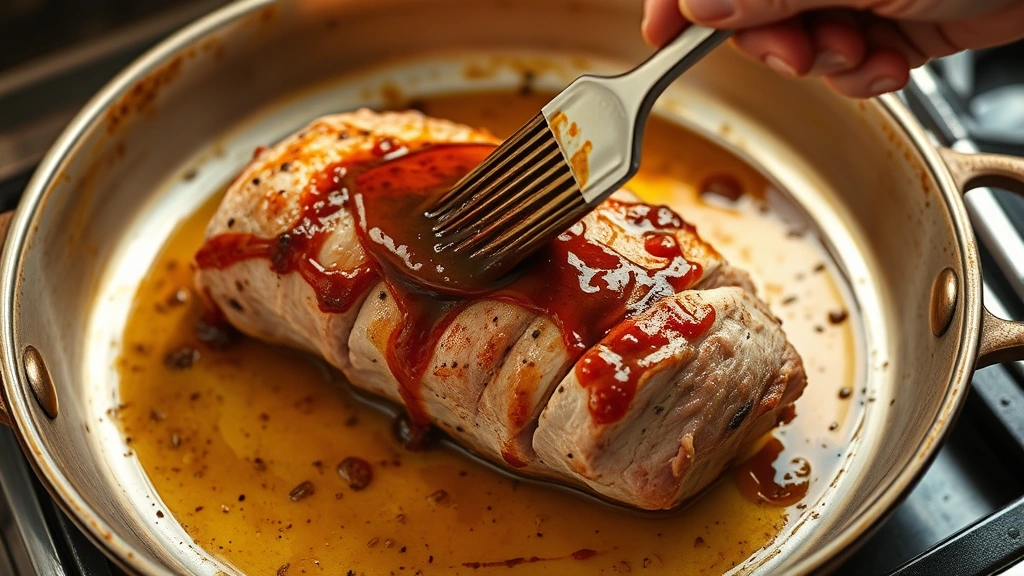
- Every 10-15 minutes, baste the pork loin with the reserved marinade using a brush or spoon.
- Check the internal temperature with a meat thermometer inserted into the thickest part of the loin, aiming for 145°F (63°C) for medium, which is the USDA-recommended safe temperature for pork.
- Once the pork loin reaches the desired temperature, remove it from the oven and tent it loosely with foil.
- Allow the pork loin to rest for 10 minutes before slicing; this helps retain the juices and ensures tender, moist meat.
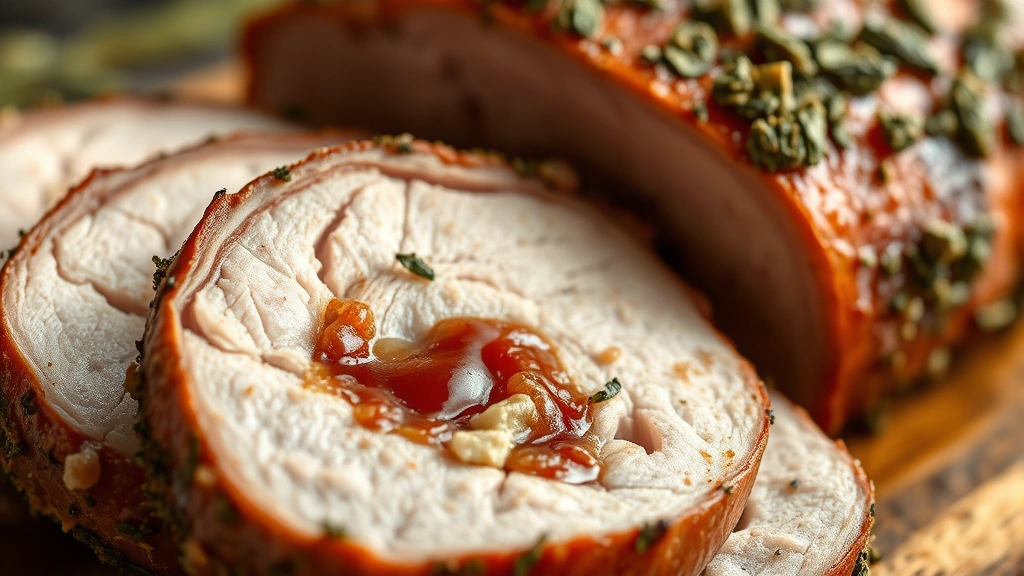
- Slice the pork loin against the grain into 1/2-inch thick slices for optimal tenderness.
- Drizzle any pan juices over the sliced pork loin before serving for additional flavor.
Pro Tips
Marinating Duration: While 4 hours produces excellent results, marinating overnight (8-12 hours) allows the flavors to develop more fully and the acid to tenderize the meat more effectively. Don’t exceed 24 hours, as the vinegar can begin to break down the meat too much.
Temperature Importance: Invest in a reliable meat thermometer for perfect results every time. Overcooked pork becomes dry, while undercooked pork poses food safety concerns. The USDA recommends 145°F (63°C), which yields perfectly juicy, slightly pink meat.
Leftover Marinade: Never reuse marinade that has come into contact with raw meat unless you plan to heat it to a rolling boil first. For a pan sauce, use only the reserved portion that didn’t touch raw meat.
Slicing Technique: Always slice pork loin against the grain for maximum tenderness. Identify the direction the muscle fibers run, then slice perpendicular to them.
Variation Options: Substitute apple juice for half the vinegar for a slightly sweeter profile, or add soy sauce for an Asian-inspired version. Fresh ginger and orange zest work beautifully in alternative variations.
Resting Time: Don’t skip the resting period after cooking. It allows carryover cooking to finish and redistributes juices throughout the meat, ensuring tender, juicy results.
Cooking Method Flexibility: While roasting is traditional, you can also grill your marinated pork loin over medium-high heat for 30-40 minutes, turning occasionally, or slow-roast it at 325°F for 50-60 minutes for a more fall-apart texture.