
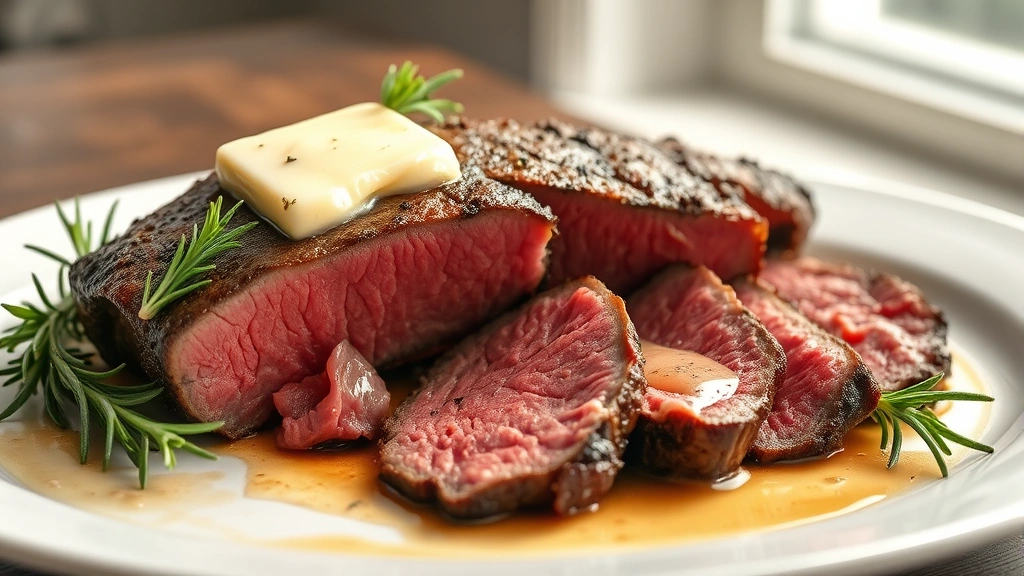
A ribeye roast is the ultimate centerpiece for any special occasion, and when prepared properly, it’s absolutely spectacular. This elegant cut comes from the rib section of the beef and is known for its beautiful marbling, tenderness, and rich flavor. Whether you’re hosting a holiday dinner or celebrating a milestone, this foolproof method will have your guests absolutely raving.
The key to a perfect ribeye roast lies in understanding a few fundamental principles. First, you want to start with a high-quality cut from a trusted butcher—look for vibrant red color and beautiful white fat marbling throughout. Second, proper seasoning and preparation make all the difference. We’re going to keep it simple and elegant here, letting the natural beef flavor shine through. Third, investing in a meat thermometer is non-negotiable; it ensures you hit your target doneness every single time.
This recipe uses a combination of high-heat searing and low-temperature roasting, which is the gold standard for achieving a beautiful crust while maintaining a perfectly pink, juicy interior. The reverse-sear method has revolutionized home cooking, and once you master it, you’ll never go back to traditional roasting methods. We’ll also use a simple herb butter that adds incredible depth of flavor without overwhelming the natural taste of the beef.
Throughout this guide, I’ll share all my professional secrets for getting restaurant-quality results in your own kitchen. From proper resting techniques to understanding carryover cooking, you’ll learn everything you need to know. Check out our Best Banana Bread with Chocolate Chips for another showstopping dish that’s perfect for entertaining.
The beauty of a ribeye roast is its versatility. You can serve it simply with roasted vegetables, or pair it with elegant sides like creamed spinach, truffle mashed potatoes, or a fresh green salad. The cooking time is surprisingly quick—usually just 45 minutes to an hour depending on your oven and the size of your roast—making it perfect for weeknight dinners or special occasions when you need something impressive but manageable.
One thing I always emphasize is the importance of bringing your meat to room temperature before cooking. This ensures even cooking throughout the roast and prevents the outside from overcooking while waiting for the center to finish. It might seem like a small step, but it genuinely makes a difference in your final result. I also recommend getting your butcher to cut the roast to your specifications and tie it if needed for even cooking.
For more inspiration on special occasion cooking, be sure to explore Best Easy Bread Pudding for an elegant dessert option. This ribeye roast recipe pairs beautifully with any number of sides and sauces, and I’ve included several options in my notes below.
Let’s dive into creating a ribeye roast that will absolutely impress everyone at your table. With careful attention to temperature and timing, you’re about to create something truly special.
Ingredients
- One 4-5 pound ribeye roast, tied
- 3 tablespoons kosher salt
- 2 tablespoons freshly ground black pepper
- 4 tablespoons unsalted butter, softened
- 4 cloves garlic, minced
- 2 tablespoons fresh rosemary, finely chopped
- 1 tablespoon fresh thyme, finely chopped
- 2 tablespoons olive oil
- 1 cup beef broth
- ½ cup red wine (optional but recommended)
- 2 tablespoons balsamic vinegar
Instructions
- Remove your ribeye roast from the refrigerator 45 minutes to 1 hour before cooking to bring it to room temperature. This step is crucial for even cooking.
- Preheat your oven to 275°F. Position the rack in the lower third of the oven.
- While the roast comes to temperature, prepare your herb butter by mixing softened butter with minced garlic, rosemary, and thyme in a small bowl. Set aside.
- Pat the ribeye roast completely dry with paper towels. Any moisture on the surface will prevent proper browning.
- Generously season all sides of the roast with kosher salt and freshly ground black pepper, pressing the seasonings into the meat.
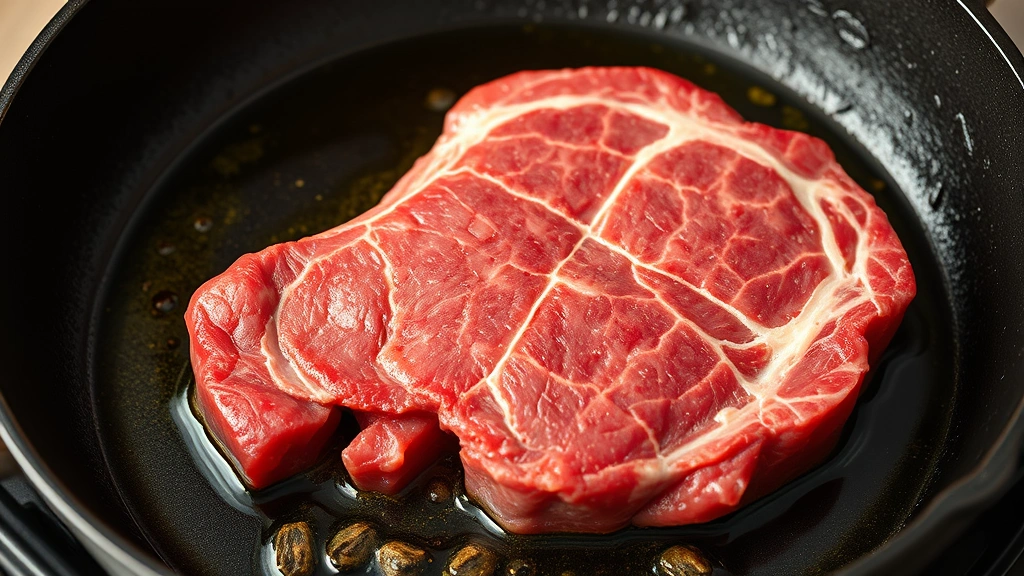
- Heat olive oil in a large, oven-safe skillet over medium-high heat until it’s shimmering and just beginning to smoke.
- Carefully place the ribeye roast in the hot skillet and sear for 3-4 minutes on the first side without moving it. You want a deep golden-brown crust to develop.
- Using tongs, turn the roast and sear the second side for another 3-4 minutes.
- Sear the two remaining sides and any exposed ends for 2-3 minutes each until the entire exterior is deeply browned.
- Remove the skillet from heat. Spread the herb butter over the top and sides of the roast, allowing it to melt and coat the meat.
- Transfer the skillet to the preheated 275°F oven. Insert a meat thermometer into the thickest part of the roast, ensuring it doesn’t touch bone or fat.
- Roast for 30-45 minutes, depending on your desired doneness. Aim for 120-125°F for medium-rare, 130-135°F for medium.
- While the roast cooks, you can prepare your sides. The low-temperature cooking gives you plenty of time for roasted vegetables or other accompaniments.
- When the roast reaches your target internal temperature, remove it from the oven and transfer it to a cutting board.
- Tent the roast loosely with aluminum foil and let it rest for 15-20 minutes. This is critical—the resting period allows the juices to redistribute throughout the meat.
- While the roast rests, make a quick pan sauce by placing the skillet over medium heat on the stovetop.
- Add beef broth and red wine to the skillet, scraping up any browned bits from the bottom with a wooden spoon.
- Simmer the sauce for 5-7 minutes until it reduces slightly and intensifies in flavor.
- Stir in balsamic vinegar and taste for seasoning, adjusting salt and pepper as needed.
- After resting, remove the foil from the roast and transfer it to a serving platter or cutting board.
- Slice the ribeye roast against the grain into ½-inch thick slices, arranging them on your serving platter.
- Drizzle the warm pan sauce over the sliced roast and serve immediately with your choice of sides.
Pro Tips
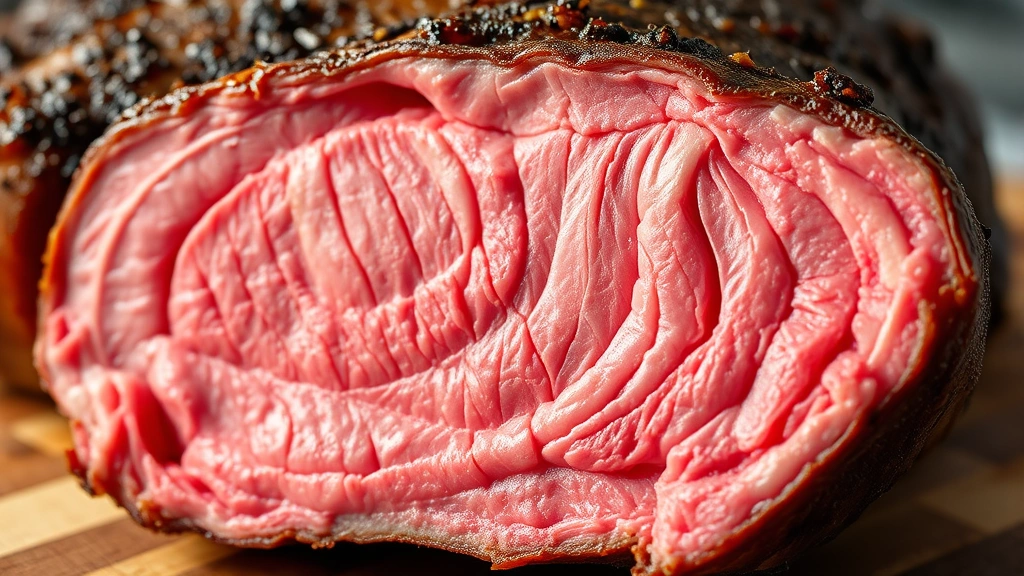
Choosing Your Cut: A quality ribeye roast should have beautiful white marbling throughout the meat. Ask your butcher for a roast with the fat cap on one side—this protects the meat during cooking and adds incredible flavor. If possible, request a roast that’s evenly shaped for consistent cooking.
Seasoning Options: While we use a classic herb butter here, feel free to experiment. Try adding smoked paprika, garlic powder, or even a touch of cayenne pepper to your seasoning blend. Some prefer dry rubs with cumin and coriander for a more adventurous flavor profile.
Side Dish Pairings: This roast pairs beautifully with creamed spinach, truffle mashed potatoes, roasted Brussels sprouts with bacon, or a simple green salad with a red wine vinaigrette. Yorkshires puddings are also a traditional favorite.
Make-Ahead Tips: You can prepare your herb butter up to three days in advance and store it in the refrigerator. Season your roast and let it sit uncovered in the refrigerator for up to 24 hours before cooking—this dry-brine method actually improves texture and flavor.
Leftover Ideas: Slice any remaining roast and use it for French dip sandwiches, beef salads, or grain bowls. Leftover roast beef stays fresh in an airtight container for up to four days.