
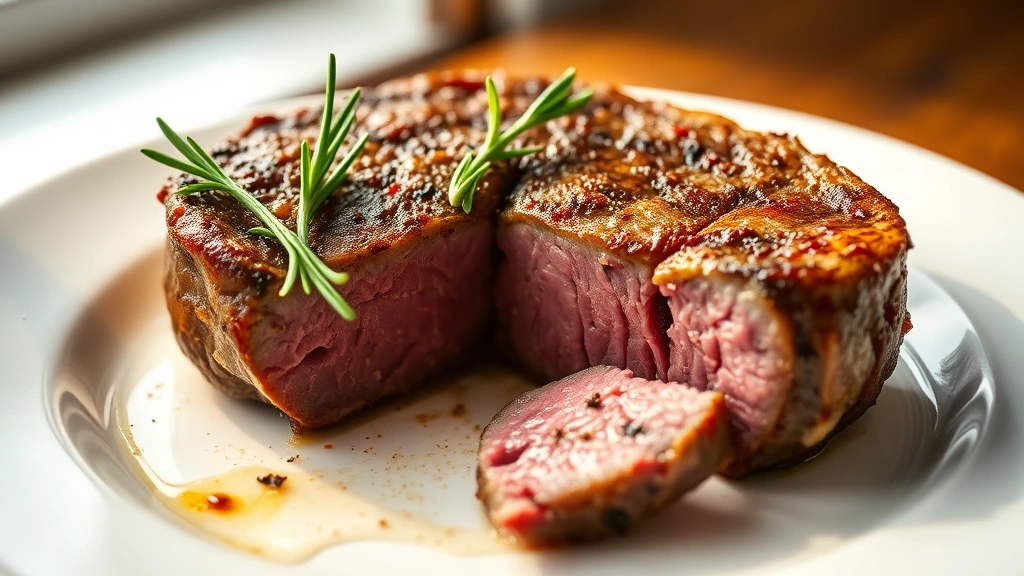
Round eye round steak is an underrated cut of beef that deserves a place on your dinner table. This economical yet flavorful cut comes from the round primal, offering lean meat with beautiful marbling when properly selected. With the right cooking techniques and marinades, you can transform this budget-friendly steak into a restaurant-quality meal that rivals more expensive cuts.
The key to preparing round eye round steak lies in understanding its characteristics. This cut has less fat than premium steaks, which means it requires careful attention to avoid drying out during cooking. Marinating is essential, as it not only adds flavor but also helps tenderize the meat through the action of acidic ingredients and enzymes. Whether you’re planning a weeknight dinner or a casual gathering with friends, this recipe will show you how to maximize tenderness and flavor.
This versatile cut works beautifully with bold seasonings and can be prepared using various cooking methods including pan-searing, grilling, or slow cooking. The recipe I’m sharing today focuses on a classic preparation that brings out the natural beef flavors while ensuring a juicy, tender result. Pair this with your favorite sides like roasted vegetables, mashed potatoes, or a fresh salad for a complete meal.
If you’re looking to expand your steak repertoire, consider exploring other protein preparations or trying complementary side dishes. The techniques you’ll learn here apply to many cuts of beef and will elevate your cooking confidence.
For more detailed information on beef cuts and cooking methods, I recommend checking out Serious Eats’ comprehensive steak guide and Bon Appétit’s cast iron steak technique. You might also enjoy learning about layering flavors in your cooking, which applies beautifully to marinades and seasoning approaches.
The beauty of round eye round steak is its accessibility and affordability. You don’t need expensive equipment or rare ingredients to create something truly delicious. With quality beef, proper marinating time, and attention to cooking temperature, you’ll produce steaks that impress family and guests alike. This recipe serves as your foundation for countless variations and cooking adventures.
Ingredients
- 2 round eye round steaks, 1 to 1.25 inches thick (about 1.5 pounds total)
- 1/4 cup olive oil
- 3 tablespoons balsamic vinegar
- 2 tablespoons soy sauce
- 4 cloves garlic, minced
- 1 tablespoon Dijon mustard
- 1 tablespoon fresh rosemary, finely chopped
- 1 teaspoon fresh thyme, finely chopped
- 1 teaspoon black pepper, freshly ground
- 1 teaspoon kosher salt, plus more for finishing
- 1/2 teaspoon red pepper flakes
- 2 tablespoons butter, for cooking
- 2 cloves garlic, smashed, for basting
- Fresh rosemary sprigs, for garnish
Instructions
- In a small bowl, whisk together olive oil, balsamic vinegar, soy sauce, minced garlic, Dijon mustard, fresh rosemary, thyme, black pepper, salt, and red pepper flakes until well combined and emulsified.
- Place the round eye round steaks in a shallow glass dish or large zip-top bag, making sure they lie flat and have enough space for the marinade to coat evenly.
- Pour the marinade over the steaks, ensuring both sides are thoroughly coated. Use your hands to gently massage the marinade into the meat, paying special attention to any crevices.
- Cover the dish with plastic wrap or seal the zip-top bag, removing as much air as possible. Refrigerate for at least 8 hours, but preferably overnight. This allows the flavors to penetrate deeply and the acid to begin tenderizing the meat.
- Remove the steaks from the refrigerator about 30 minutes before cooking. This allows them to come closer to room temperature, ensuring more even cooking throughout.
- Pat the steaks dry with paper towels, removing excess marinade but leaving the seasonings that have adhered to the surface. Reserve about 2 tablespoons of the marinade for basting.
- Heat a cast iron skillet or heavy-bottomed stainless steel pan over medium-high heat for 2-3 minutes until very hot. The pan should be hot enough that a drop of water immediately sizzles and evaporates.
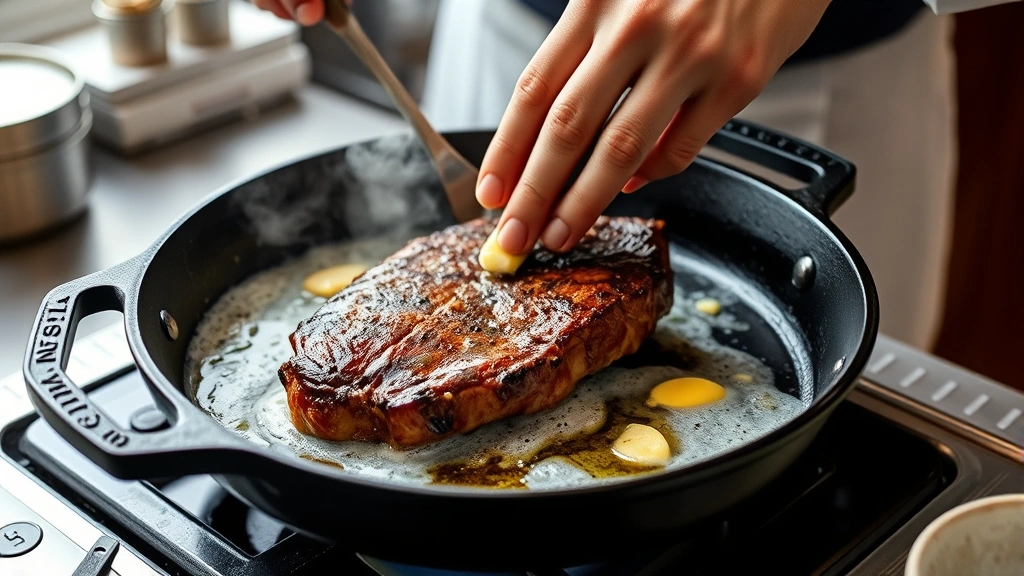
- Add 1 tablespoon of butter to the hot pan and swirl to coat evenly. Once the butter is foaming and just beginning to brown, carefully place the first steak in the center of the pan.
- Allow the steak to sear undisturbed for 4-5 minutes on the first side, resisting the urge to move it around. This creates a beautiful golden-brown crust through the Maillard reaction.
- Flip the steak carefully using tongs and immediately add the second tablespoon of butter and smashed garlic cloves to the pan around the steak.
- Cook the second side for 4-5 minutes for medium-rare doneness (internal temperature of 130-135°F), basting frequently with the foaming butter and reserved marinade using a spoon.
- Repeat the searing process with the second steak, using the same technique and timing. If the pan seems too full with both steaks, cook them sequentially to ensure proper browning.
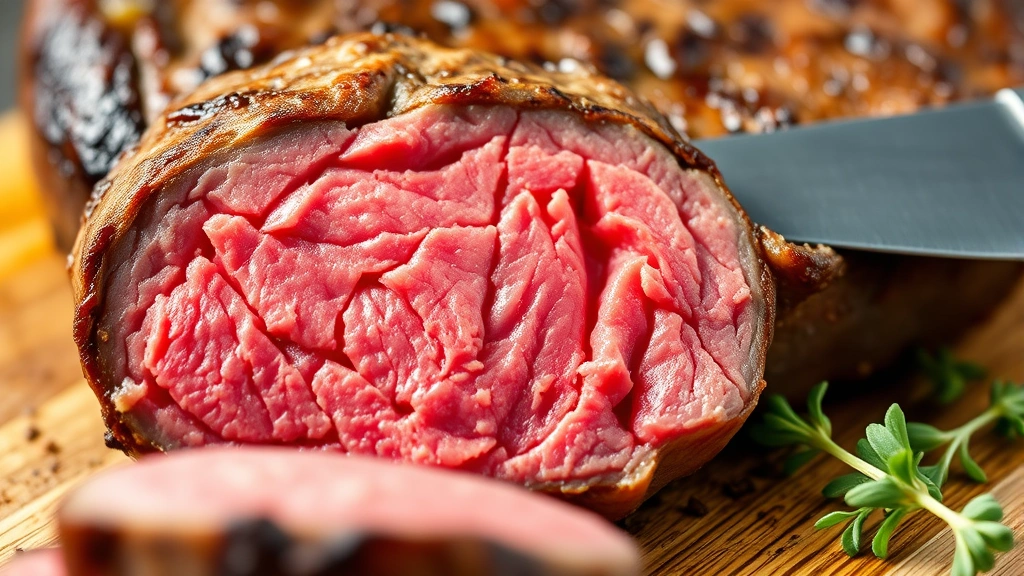
- Transfer both steaks to a warm plate and tent loosely with aluminum foil. Allow them to rest for 5-7 minutes. This crucial step allows the juices to redistribute throughout the meat, ensuring a juicier final result.
- Just before serving, sprinkle the steaks with fleur de sel or additional kosher salt and garnish with fresh rosemary sprigs. Serve immediately with your choice of sides.
Pro Tips
Marinating Tips: The acidic components in the marinade (vinegar and soy sauce) help break down the muscle fibers, making the meat more tender. Don’t marinate longer than 24 hours, as the acid can begin to deteriorate the texture. If marinating for less than 8 hours, the tenderizing effect will be minimal.
Temperature Control: Using a meat thermometer takes the guesswork out of cooking. For round eye round steak, aim for 130-135°F for medium-rare, which provides the best balance of tenderness and flavor. Remember that the internal temperature will rise by 3-5 degrees while resting, so remove it from heat slightly before reaching your target temperature.
Basting Technique: Basting with butter and garlic adds incredible flavor and helps keep the lean meat moist during cooking. The foaming butter carries flavors to the surface of the steak, creating deeper, more complex tastes.
Resting Period: Never skip this step. Resting allows muscle fibers to relax and reabsorb moisture, resulting in significantly juicier steaks. A 5-7 minute rest is ideal for steaks of this thickness.
Seasoning at Service: Adding salt just before serving, rather than before cooking, prevents the surface from drawing out moisture and ensures a crispier crust.
Pan Selection: Cast iron retains heat exceptionally well and creates excellent browning. If using stainless steel, ensure it’s heavy-bottomed to prevent hot spots.
Leftover Storage: Store cooked steaks in an airtight container in the refrigerator for up to 3 days. Reheat gently in a low oven (250°F) to avoid overcooking.
Variation Ideas: Try different herbs like oregano or tarragon, or add Asian flavors with ginger and scallions. The marinade base is flexible and forgiving.