
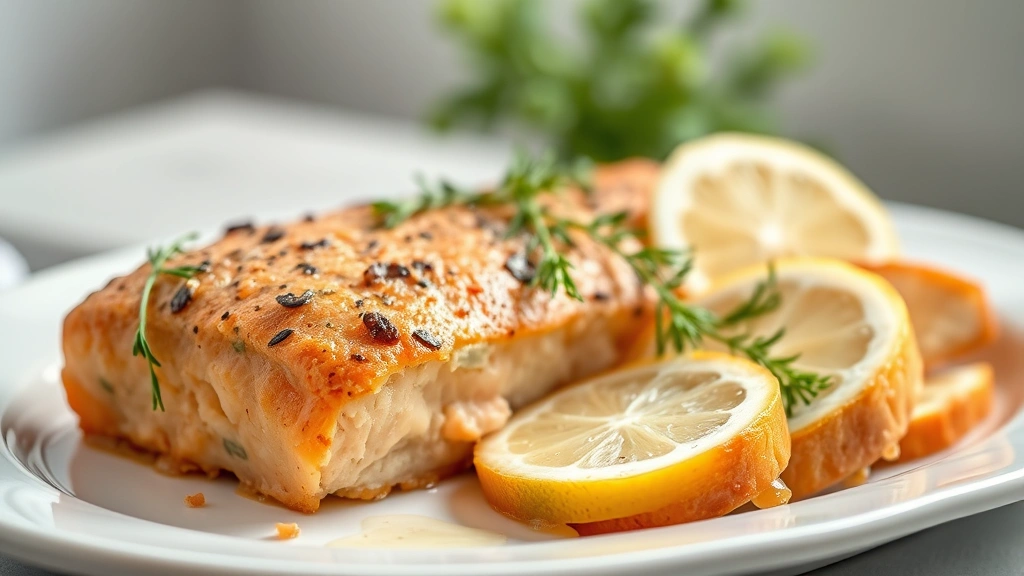
There’s something absolutely wonderful about a homemade salmon loaf—it’s elegant enough for dinner guests, yet simple enough for a weeknight meal. This classic dish combines flaky salmon with a perfectly balanced binder and seasonings that let the fish shine through. Whether you’re looking for a showstopping main course or a way to use canned salmon, this recipe delivers restaurant-quality results in your own kitchen.
Salmon loaf has been a beloved staple in American cuisine for generations, and for good reason. It’s economical, versatile, and produces a moist, flavorful main dish that pairs beautifully with roasted vegetables or a crisp salad. The key to the perfect salmon loaf is using quality ingredients and not overmixing the mixture, which can make it dense. Fresh dill and a touch of lemon brighten the salmon’s natural flavors, while panko breadcrumbs keep the texture light and airy.
What I love most about this salmon loaf recipe is how forgiving it is. You can customize it based on what you have in your pantry, add your favorite herbs, or even top it with a glaze for extra flavor. It’s perfect for meal prep since it reheats beautifully, and leftovers make fantastic sandwiches. The beauty of this dish lies in its simplicity—just a few quality ingredients come together to create something truly special.
I recommend serving this warm from the oven with a bright sauce on the side or with roasted lemon potatoes. For more inspiration on sides, check out our collection of classic recipes that pair wonderfully with salmon dishes. This recipe serves six generously and takes less than an hour from start to finish, making it perfect for busy weeknights or casual entertaining.
For more detailed techniques, visit Serious Eats or Bon Appétit for professional tips on working with salmon. You’ll also find wonderful variations at New York Times Cooking that can inspire your next dinner.
Ingredients
- 2 cans (14.75 ounces each) salmon, drained and flaked, or 1.5 pounds fresh salmon, cooked and flaked
- 1 cup panko breadcrumbs
- 1/2 cup milk
- 2 large eggs, beaten
- 1/4 cup finely diced onion
- 1/4 cup finely diced celery
- 2 tablespoons fresh dill, chopped
- 1 tablespoon fresh parsley, chopped
- 2 cloves garlic, minced
- 2 tablespoons fresh lemon juice
- 1 tablespoon Dijon mustard
- 1/2 teaspoon salt
- 1/4 teaspoon black pepper
- 1/4 teaspoon paprika
- 2 tablespoons butter, for pan
- Lemon slices for garnish
- Fresh dill sprigs for garnish
Instructions
- Preheat your oven to 350°F (175°C). Line a 9×5 inch loaf pan with parchment paper or lightly grease it with butter, ensuring the sides are well-coated to prevent sticking.
- In a large mixing bowl, combine the panko breadcrumbs and milk, stirring gently until the breadcrumbs are moistened but not soggy. Let this mixture sit for 2 minutes to allow the breadcrumbs to fully absorb the milk.
- Add the beaten eggs to the breadcrumb mixture and stir until well combined. The mixture should have a slightly wet, cohesive texture.
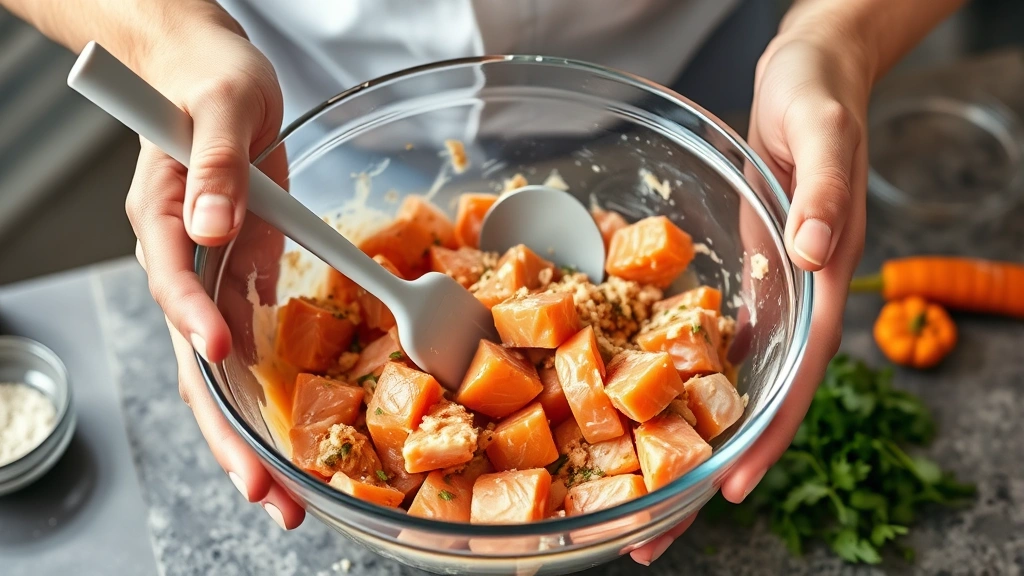
- Gently fold in the flaked salmon using a rubber spatula, being careful not to break up the salmon pieces too much. You want visible flakes of salmon throughout the loaf for texture and appearance.
- Add the diced onion, celery, minced garlic, fresh dill, and fresh parsley to the mixture. Stir gently to distribute the vegetables and herbs evenly.
- In a small bowl, whisk together the lemon juice, Dijon mustard, salt, black pepper, and paprika. Pour this mixture over the salmon mixture and fold gently until everything is evenly combined, being careful not to overmix.
- Transfer the salmon mixture to your prepared loaf pan, pressing it gently and smoothing the top with a spatula. The mixture should be fairly compact but not densely packed.
- Dot the top of the loaf with small pieces of butter, distributing them evenly across the surface. This will help create a golden, flavorful crust as it bakes.
- Place the loaf pan on a baking sheet to catch any drippings and make handling easier. Bake in the preheated oven for 35-40 minutes, until the top is golden brown and a toothpick inserted into the center comes out clean.
- Remove the salmon loaf from the oven and let it rest in the pan for 5 minutes. This allows it to set slightly and makes it easier to remove from the pan.
- Carefully run a knife around the edges of the loaf and turn it out onto a serving platter. If using parchment paper, simply lift it out. Garnish with fresh lemon slices and dill sprigs before serving.
Pro Tips
CANNED VS FRESH SALMON: Both work wonderfully in this recipe. Canned salmon is economical and convenient, while fresh salmon provides a more delicate flavor. If using canned, drain it well and remove any bones you prefer not to have, though they’re edible and provide calcium. Wild-caught salmon has a richer flavor than farmed, but either type works well.
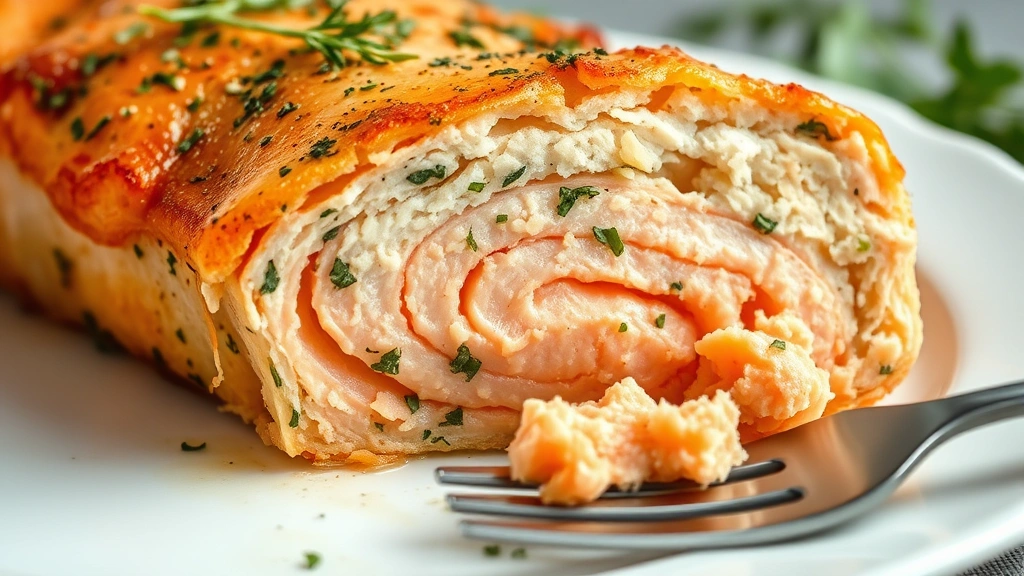
MIXING TECHNIQUE: The key to a tender salmon loaf is gentle handling. Overmixing develops gluten in the breadcrumbs and can result in a dense, tough texture. Fold ingredients together using a rubber spatula rather than stirring vigorously. The mixture should look somewhat loose and textured, not uniform and paste-like.
MAKE-AHEAD OPTIONS: You can prepare the salmon mixture up to 24 hours in advance, cover it, and refrigerate. Bake it directly from the refrigerator, adding 5-10 minutes to the cooking time. The loaf also freezes beautifully for up to three months. Wrap cooled slices individually and thaw before reheating.
SERVING SUGGESTIONS: Serve with a creamy dill sauce for extra elegance. Roasted asparagus, steamed green beans, or buttered new potatoes make excellent side dishes. Leftover salmon loaf makes fantastic sandwiches on toasted bread with lettuce and tomato.
TOPPING IDEAS: Create a simple glaze by mixing 3 tablespoons melted butter with 2 tablespoons lemon juice and fresh herbs. Brush this over the loaf during the last 10 minutes of baking for extra flavor and shine. Alternatively, top with a layer of seasoned breadcrumbs mixed with melted butter before baking.
WINE PAIRING: This salmon loaf pairs beautifully with crisp white wines like Sauvignon Blanc or Pinot Grigio. A light Rosé also complements the dish wonderfully during warmer months.