
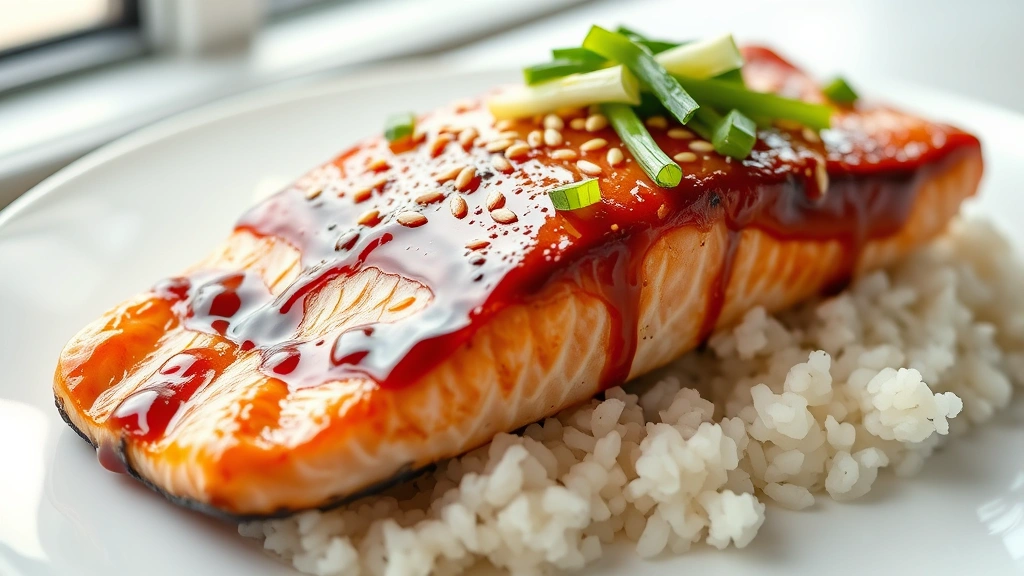
There’s something absolutely magical about teriyaki salmon that transforms a simple weeknight dinner into a restaurant-quality meal. This BEST Salmon Teriyaki Recipe combines the perfect balance of sweet, savory, and umami flavors that will have your family asking for seconds. The beauty of this dish lies in its simplicity – with just a handful of quality ingredients and about 20 minutes of your time, you’ll create something truly spectacular.
Teriyaki, which means “shining grilled” in Japanese, is all about that glossy, caramelized glaze that clings to the salmon and creates the most incredible flavor profile. I’ve perfected this recipe over years of testing, and I’m thrilled to share my secrets with you today. The key is using fresh salmon fillets with the skin on, which provides a wonderful textural contrast when cooked properly. The homemade teriyaki sauce is far superior to anything you’ll find in a bottle – it’s bright, balanced, and absolutely addictive.
What makes this salmon teriyaki recipe the BEST is the technique. We’re going to sear the salmon skin-side down first to get that beautiful crispy exterior, then finish it with the glorious teriyaki glaze that reduces into a silky perfection. The cooking process is quick enough for weeknight dinners but impressive enough to serve to guests. Pair this with steamed rice and some sautéed vegetables, and you’ve got yourself a complete meal that tastes like you spent hours in the kitchen.
I love serving this alongside fresh side dishes and garnishing with sesame seeds and fresh ginger for that authentic Japanese restaurant feel. Whether you’re cooking for your family or impressing dinner guests, this salmon teriyaki recipe is absolutely foolproof and delivers restaurant-quality results every single time. Let me walk you through exactly how to make it.
The homemade teriyaki sauce is where the magic happens. Unlike store-bought versions that often contain excessive sodium and artificial ingredients, making your own allows you to control the sweetness and depth of flavor. The combination of soy sauce, mirin, and a touch of honey creates that signature glossy finish that makes teriyaki so irresistible. Brown sugar adds warmth and complexity, while garlic and ginger bring brightness and depth.
One of my favorite tips for this recipe is to prepare your teriyaki sauce ahead of time. It keeps beautifully in the refrigerator for up to two weeks, making it perfect for meal prep or when you want to throw together dinner in a flash. You can also double the sauce recipe and use it for other proteins and vegetables.
When selecting your salmon, look for fillets that are firm to the touch with a vibrant color. The skin should be shiny and intact. I prefer wild-caught salmon for its superior flavor and nutritional profile, though farm-raised works beautifully too. Make sure your salmon is at room temperature before cooking – this ensures even cooking throughout.
The technique of searing skin-side down is absolutely crucial for this recipe. The skin acts as a protective barrier, keeping the delicate flesh moist and tender while the exterior becomes wonderfully crispy. This is the hallmark of restaurant-quality salmon preparation. Once you master this technique, you’ll use it for all your salmon dishes.
For the perfect sear, use a stainless steel or cast-iron skillet heated over medium-high heat. Don’t move the salmon around – let it sit undisturbed for 4-5 minutes to develop that gorgeous crust. Then, flip gently and cook for just 2-3 minutes on the other side. The residual heat and the teriyaki glaze will finish cooking the salmon to tender perfection.
This recipe is incredibly versatile. You can serve it over steamed jasmine rice, alongside cauliflower rice for a lighter option, or even over a bed of mixed greens for a healthy salad. Add some sautéed bok choy or broccoli, and you’ve got a complete, balanced meal.
If you’re looking for more Japanese-inspired recipes, check out Serious Eats’ Japanese cuisine section for additional inspiration. Their techniques pair beautifully with this teriyaki salmon recipe.
The beauty of this salmon teriyaki recipe is that it works for any occasion. Whether you’re cooking a quick weeknight dinner for the family or preparing something special for a date night, this dish impresses every single time. The combination of crispy skin, tender flesh, and that glossy, caramelized teriyaki glaze is absolutely unbeatable.
I recommend having all your ingredients prepped and ready before you start cooking – this is a quick recipe, and you’ll want to work efficiently. The actual cooking time is only about 12-15 minutes, so mise en place is your friend here.
For additional inspiration on sauce-based salmon dishes, New York Times Cooking has some wonderful resources on Asian-inspired seafood preparation.
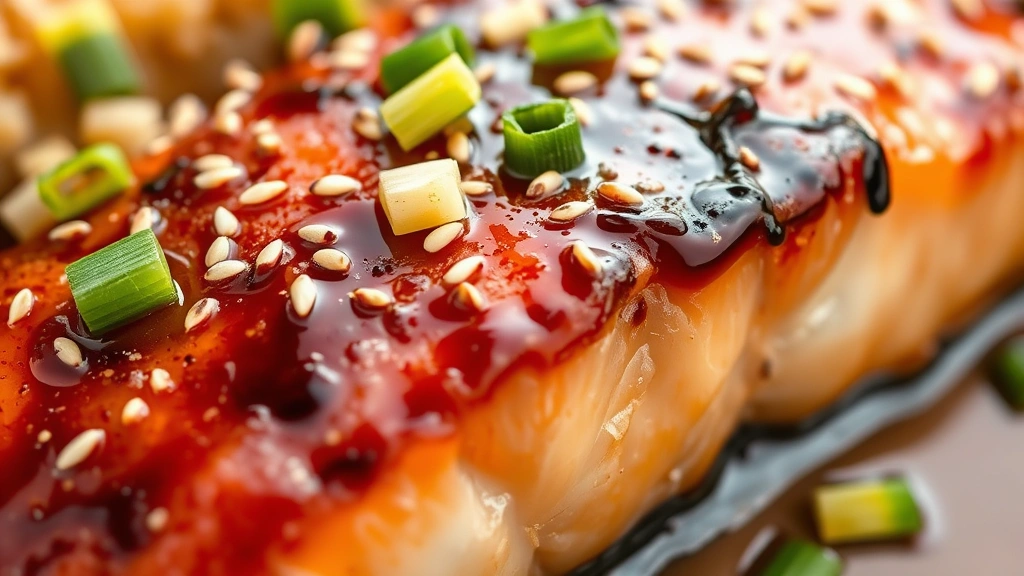
The finishing touches really elevate this dish from good to absolutely incredible. Fresh sesame seeds (both white and black), thinly sliced green onions, and a sprinkle of toasted sesame oil bring everything together beautifully. If you have fresh cilantro on hand, a small handful adds a wonderful bright note.
This salmon teriyaki recipe has become my go-to for special occasions and simple dinners alike. I hope it becomes a staple in your kitchen too. The combination of ease, elegance, and exceptional flavor makes this truly the BEST salmon teriyaki recipe you’ll ever make.
Ingredients
- 4 salmon fillets (6 ounces each), skin-on
- 1/4 cup low-sodium soy sauce
- 3 tablespoons mirin
- 2 tablespoons brown sugar
- 1 tablespoon honey
- 3 cloves garlic, minced
- 1 tablespoon fresh ginger, minced
- 1 teaspoon rice vinegar
- 1/2 teaspoon cornstarch
- 1 tablespoon water
- 2 tablespoons vegetable oil
- Salt and white pepper to taste
- Sesame seeds for garnish
- Green onions, sliced, for garnish
- Optional: fresh cilantro and toasted sesame oil
Instructions
- In a small bowl, whisk together soy sauce, mirin, brown sugar, honey, minced garlic, minced ginger, and rice vinegar until the sugar is completely dissolved. Set the teriyaki sauce aside.
- In another small bowl, mix cornstarch with 1 tablespoon of water to create a slurry. This will be used to thicken the sauce at the end.
- Pat the salmon fillets dry with paper towels – this is crucial for achieving a crispy skin. Season both sides generously with salt and white pepper.
- Heat the vegetable oil in a large skillet over medium-high heat until it shimmers, about 1-2 minutes.
- Carefully place the salmon fillets skin-side down in the hot skillet. Do not move them around – let them sit undisturbed for 4-5 minutes to develop a beautiful golden crust on the skin.
- After 4-5 minutes, gently flip the salmon fillets using a spatula. Cook for an additional 2-3 minutes on the flesh side.
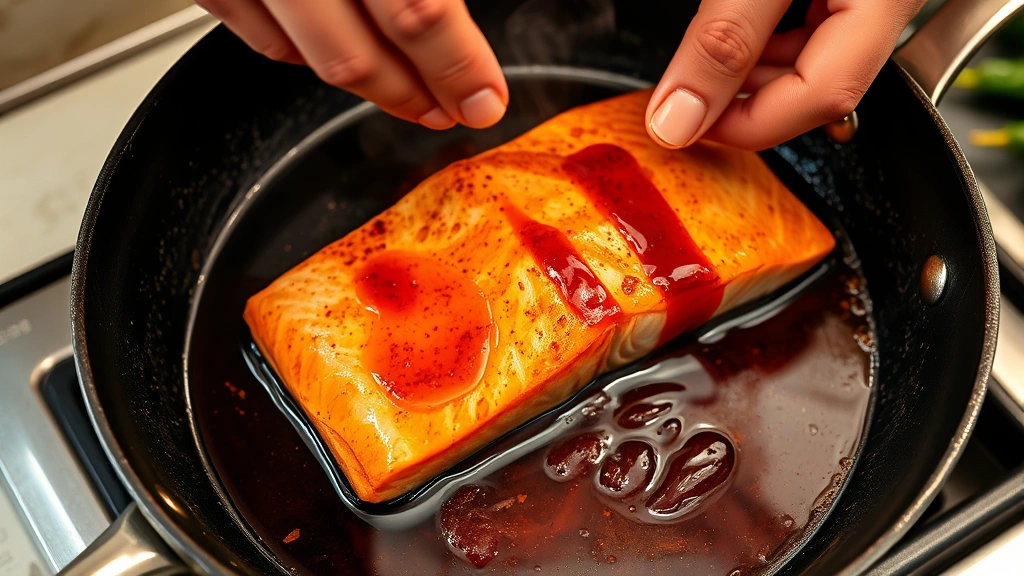
- Pour the prepared teriyaki sauce around the salmon fillets in the skillet. The sauce should not completely cover the salmon – let it pool around them.
- Reduce the heat to medium and let the sauce simmer for 2-3 minutes, allowing it to reduce slightly and coat the salmon.
- If you prefer a thicker, glossier glaze, slowly pour the cornstarch slurry into the simmering sauce while stirring gently. Continue to simmer for another 1-2 minutes until the sauce reaches your desired consistency.
- The salmon is done when it flakes easily with a fork and is opaque throughout. The internal temperature should reach 145°F (63°C).
- Carefully transfer the salmon fillets to serving plates, skin-side up, and spoon the teriyaki glaze generously over the top.
- Garnish with sesame seeds, sliced green onions, and cilantro if desired. A light drizzle of toasted sesame oil adds wonderful depth.
- Serve immediately alongside steamed rice and your choice of vegetables for a complete meal.
Pro Tips
Quality Matters: Invest in fresh, high-quality salmon fillets with the skin intact. The skin is not just edible – it’s delicious when cooked properly and adds incredible texture to the dish.
Room Temperature Salmon: Remove your salmon from the refrigerator 10-15 minutes before cooking. Room temperature fish cooks more evenly and stays more tender throughout the cooking process.
Don’t Skip the Dry Step: Patting the salmon completely dry before cooking is non-negotiable. Any excess moisture will steam the salmon rather than allowing it to sear beautifully.
Make-Ahead Sauce: Prepare the teriyaki sauce up to 2 weeks in advance and store it in an airtight container in the refrigerator. This makes weeknight dinners incredibly convenient.
Skillet Selection: A stainless steel or cast-iron skillet works best for this recipe. Nonstick pans can work but often don’t achieve the same level of crust on the skin.
Don’t Crowd the Pan: If cooking for more than 4 people, work in batches rather than crowding the skillet. This ensures each fillet gets proper heat exposure for optimal searing.
Glaze Consistency: The cornstarch slurry is optional but highly recommended for that signature glossy teriyaki appearance. Start with less and add more if needed – you want a sauce that clings to the salmon.
Timing Is Everything: Salmon cooks quickly, so watch carefully. Overcooked salmon becomes dry and loses its delicate texture. Aim for an internal temperature of 145°F (63°C).
Garnish Generously: The sesame seeds and green onions aren’t just decoration – they add flavor, texture, and that restaurant-quality presentation that makes this dish feel special.
Serving Suggestions: This pairs beautifully with jasmine rice, steamed bok choy, sautéed broccoli, or a fresh cucumber salad. For a lighter option, serve over cauliflower rice or mixed greens.
Leftovers: Salmon teriyaki keeps beautifully in the refrigerator for up to 3 days. Reheat gently in a 300°F oven to prevent drying out. Leftover salmon makes an excellent addition to rice bowls or salads the next day.
Sauce Variations: Try adding a touch of sriracha for heat, or substitute the honey with agave nectar for a vegan version. The base ratio of soy, mirin, and sugar remains the key to authentic teriyaki.
Fresh Ginger Preference: I always use fresh ginger rather than powdered – it provides superior flavor and brightness that truly elevates this dish above store-bought versions.