
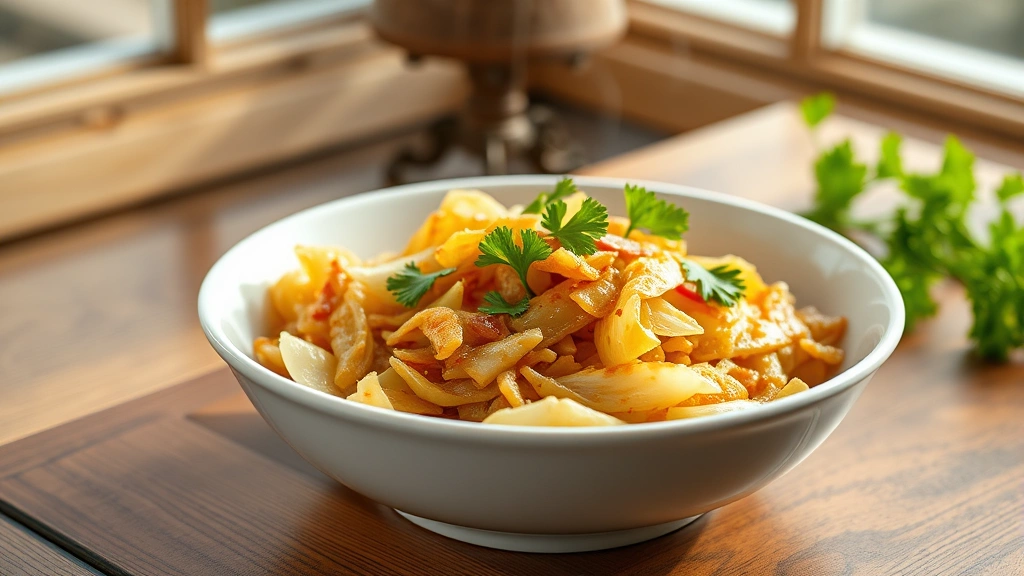
Sautéed cabbage is one of those absolutely magical side dishes that proves the simplest recipes are often the very best. There’s something so wonderfully comforting about tender, caramelized cabbage that’s been kissed with butter and garlic—it’s the kind of dish that transforms a humble vegetable into something restaurant-worthy and absolutely crave-able.
I grew up watching my grandmother make this dish for family dinners, and let me tell you, it’s been a staple on our table ever since. The beauty of sautéed cabbage is in its versatility and ease. Whether you’re looking for a quick weeknight side dish or something elegant enough for entertaining, this recipe delivers every single time. It pairs beautifully with roasted chicken, grilled fish, or even alongside a creamy pasta dish.
What I absolutely love about this recipe is that it requires minimal ingredients and minimal effort, yet somehow tastes like you’ve spent hours in the kitchen. The key is using quality butter, taking your time to let the cabbage caramelize properly, and seasoning generously. When you slice your cabbage into thin ribbons and cook it low and slow, the natural sugars come out and create this beautiful golden color that’s both visually stunning and delicious.
If you’re looking for other amazing vegetable side dishes, you might also enjoy our Perfect Balsamic Brussel Sprouts Recipe or this Best Creamy Grits Recipe. Both are equally simple and equally delicious.
I’ve been making variations of this recipe for years, and I’m so excited to share my absolute favorite version with you today. This particular technique comes from years of testing different methods, different heat levels, and different seasonings. The result is a foolproof recipe that will have your family asking for seconds and wondering why you haven’t been making this all along.
One of my favorite things about this dish is how adaptable it is. You can add bacon for smokiness, include some apple for sweetness, or even toss in some caraway seeds if you want that traditional Eastern European flavor. But today, we’re keeping it classic and letting the cabbage shine. This is comfort food at its finest, and I promise you’ll be making it again and again. For more veggie inspiration, check out our Best Enoki Mushroom Recipe.
Ingredients
- 4 tablespoons unsalted butter
- 1 large head of green cabbage, about 2 pounds, thinly sliced
- 4 cloves garlic, minced
- 1 teaspoon kosher salt, plus more to taste
- ½ teaspoon freshly ground black pepper
- ¼ teaspoon red pepper flakes, optional
- 2 tablespoons apple cider vinegar or white wine vinegar
- 1 tablespoon sugar or honey
- Fresh parsley, chopped, for garnish
- Pinch of nutmeg, optional but recommended
Instructions
- Start by preparing your cabbage. Cut the head in half from top to root, then place cut side down on your cutting board. Slice thinly into ribbons, about ¼-inch thick. You want the pieces to be relatively uniform in size so they cook evenly. Don’t stress about being perfectly precise—rustic is perfectly fine and actually preferred here.
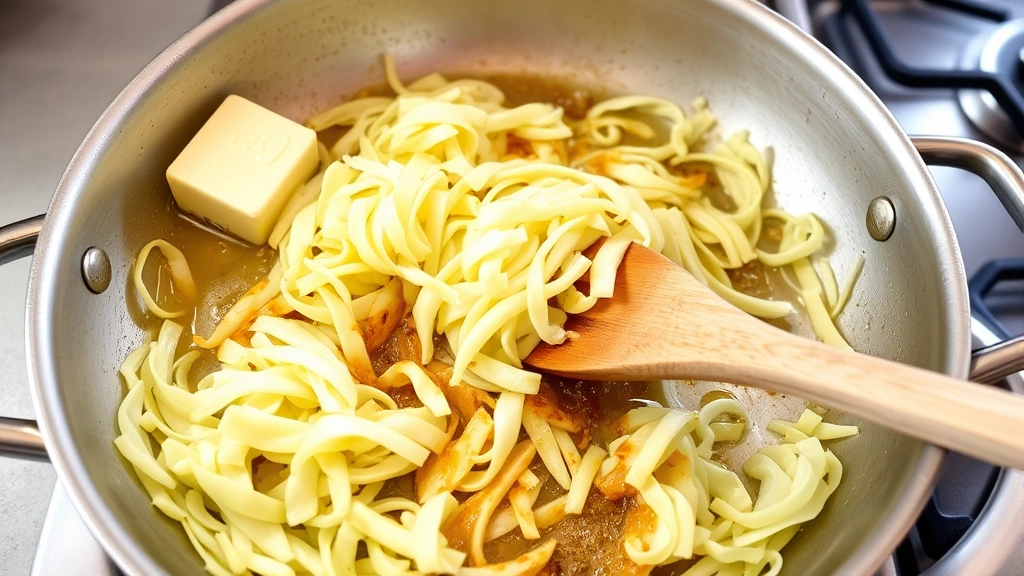
- Heat a large skillet or Dutch oven over medium heat and add the butter. Allow it to melt completely and begin to foam slightly, which should take about 1-2 minutes. This indicates the butter is hot enough to begin cooking but not so hot that it will burn.
- Once the butter is foaming, add your minced garlic and cook for about 30 seconds to 1 minute, stirring constantly. You want the garlic to become fragrant but not brown, as burnt garlic will taste bitter. This step is crucial for building flavor.
- Add all of your sliced cabbage to the skillet along with the kosher salt and freshly ground black pepper. At first, it will seem like way too much cabbage and won’t fit in the pan, but don’t worry—it will cook down significantly. Stir the cabbage with a wooden spoon or spatula, mixing it with the butter and seasonings.
- Continue to cook over medium heat, stirring occasionally, for about 8-10 minutes. The cabbage will gradually soften and release its moisture, causing it to shrink down considerably. As it cooks, you should notice the edges beginning to caramelize and turn golden brown. This is exactly what you want—those caramelized edges add incredible depth of flavor.
- Once the cabbage is mostly tender and golden (some pieces should still have a slight bite to them), add the vinegar, sugar, and red pepper flakes if using. Stir well to combine, scraping up any browned bits from the bottom of the pan. These browned bits, called fond, are packed with flavor and will dissolve into the dish.
- Add just a pinch of nutmeg at this point if you’d like a more complex flavor profile. The nutmeg adds an unexpected warmth that complements cabbage beautifully, though it’s entirely optional. Cook for another 1-2 minutes, stirring gently.
- Taste the cabbage and adjust the seasonings as needed. You may want more salt, more vinegar, or more sweetness depending on your preferences. The balance should be savory with just a hint of sweetness and acidity from the vinegar.
- Transfer your beautiful sautéed cabbage to a serving dish and garnish with fresh chopped parsley if desired. Serve immediately while it’s still warm and has the best texture. This dish is best enjoyed fresh but can be reheated if needed.
Pro Tips
o Make sure to slice your cabbage as thinly as possible. A mandoline slicer is incredibly helpful here if you have one, though a sharp knife works just fine. Thin slicing is key to achieving that tender texture without overcooking.
o Don’t rush the cooking process. The slow caramelization is what develops the deep, complex flavors in this dish. Medium heat is your friend here—high heat will cause the cabbage to brown too quickly on the outside while remaining tough inside.
o This recipe pairs beautifully with roasted chicken, grilled pork chops, baked salmon, or even hearty stews. It’s also wonderful alongside Best Stuffed Eggplant Recipe for a vegetable-forward meal.
o For added richness and smokiness, you can cook 4-6 strips of bacon until crispy, chop it, and add it to the skillet along with the garlic. The bacon fat can even replace some or all of the butter for a more rustic preparation.
o If you prefer a sweeter version, increase the sugar to 2 tablespoons and add a diced apple in step 4. The apple will cook down and add natural sweetness and texture to the dish.
o Leftovers can be stored in an airtight container in the refrigerator for up to 4 days. Reheat gently in a skillet over medium-low heat, adding a splash of water or broth if it seems dry. Alternatively, enjoy it at room temperature as a side salad-style dish.
o For extra flavor depth, try adding a tablespoon of soy sauce or tamari in place of some of the vinegar. This adds an umami richness that’s absolutely divine. You can also experiment with caraway seeds for a traditional European-style preparation.
o This recipe is naturally gluten-free and dairy-free if you substitute the butter with olive oil or coconut oil. The cooking method remains exactly the same, and the results are equally delicious.