
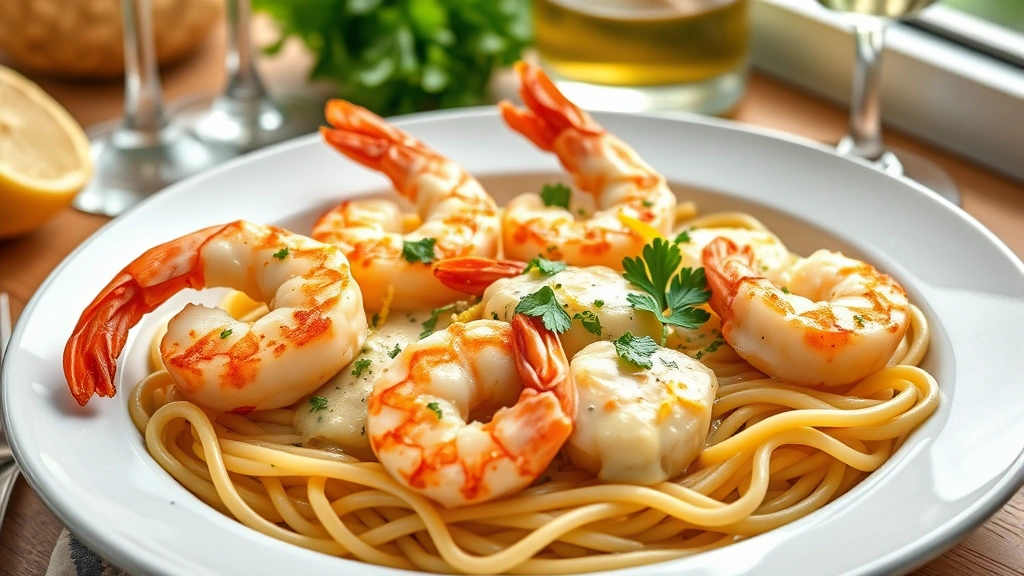
There’s something absolutely magical about pan-seared shrimp and scallops—they cook in minutes, taste restaurant-quality, and honestly make you feel like such a sophisticated chef. This easy shrimp and scallop recipe is my go-to for weeknight dinners when I want something elegant but don’t have hours to spend in the kitchen.
I first fell in love with this combination at a little seafood restaurant in Charleston, and I’ve been recreating it at home ever since. The key to success here is using the freshest seafood you can find and not overthinking the preparation. Both shrimp and scallops are naturally delicious—they don’t need much more than good butter, garlic, and a squeeze of lemon to shine.
What makes this recipe so special is how quickly it comes together. From prep to plate is about fifteen minutes, which means you can have an impressive dinner on the table faster than you could order takeout. The shrimp and scallops get a beautiful golden crust in a hot skillet, while staying tender and succulent inside. I love serving this over pasta, with crusty bread for soaking up the sauce, or alongside roasted vegetables for a lighter option.
The beauty of this dish is its versatility. You can easily double or triple it for entertaining, and it pairs wonderfully with white wine. I often make this for dinner parties because guests are always impressed, yet the recipe is so simple that I barely break a sweat in the kitchen. It’s one of those dishes that looks fancy but tastes even better than it looks.
If you’re looking for other impressive but easy seafood options, check out our French toast recipe for brunch inspiration, or explore our 3-ingredient pancake recipe for quick breakfast solutions. For more elegant dinner ideas, you might also enjoy our single-serving recipes that are perfect for intimate dinners.
Let me walk you through my technique for this easy shrimp and scallop recipe. The most important thing is to pat your seafood completely dry before cooking—this is what gives you that gorgeous golden crust. I use paper towels and really take my time with this step. Wet seafood will steam rather than sear, and we definitely don’t want that.
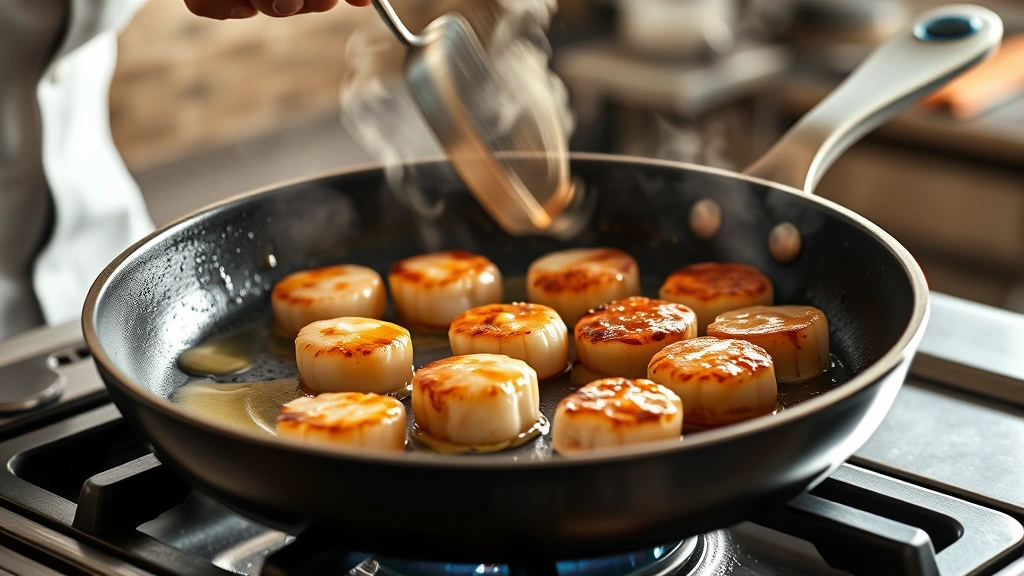
I prefer to cook the scallops and shrimp separately because they have different cooking times and searing requirements. Scallops need a bit more heat and a longer sear to develop that caramelized exterior, while shrimp cook through more quickly. By cooking them separately, you ensure both are cooked perfectly.
For more seafood inspiration and technique guides, check out Serious Eats’ seafood section and Bon Appétit’s recipe collection. You can also find great cooking techniques at The New York Times Cooking for additional inspiration on preparing shellfish perfectly every time.
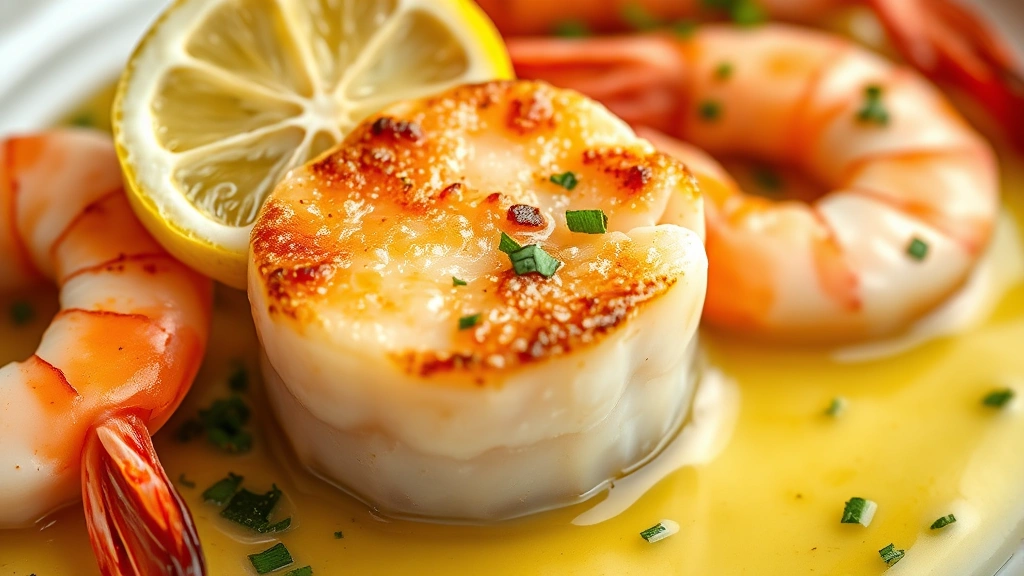
The sauce is where this dish really comes together. Garlic, white wine, butter, and fresh lemon juice create a silky, luxurious sauce that clings to both the shrimp and scallops beautifully. I sometimes add a touch of fresh herbs—thyme or parsley work wonderfully—but honestly, the simplicity is part of what makes this dish so perfect.
I recommend serving this shrimp and scallop recipe with something to soak up all that delicious sauce. My favorite options are pasta (angel hair or linguine work beautifully), creamy risotto, or crusty bread. You could also serve it over cauliflower rice if you’re looking for a lighter option, or alongside roasted asparagus and new potatoes for a complete meal.
One final tip: don’t skip the fresh lemon at the end. That bright acidity is what elevates this from good to absolutely delicious. I squeeze it right over the finished dish and sometimes add a little lemon zest for extra brightness. Your guests will think you’ve spent hours on this, but really, it’s one of the easiest impressive dinners you can make.
Ingredients
- 1 pound large shrimp, peeled and deveined, patted dry
- 1 pound large sea scallops, patted dry
- 4 tablespoons butter, divided
- 6 cloves garlic, minced
- ½ cup dry white wine
- Juice of 2 lemons (about ¼ cup)
- 2 tablespoons fresh parsley, chopped
- 1 teaspoon fresh thyme leaves (optional)
- Salt and freshly ground black pepper to taste
- 2 tablespoons olive oil
- Red pepper flakes (optional, for heat)
- Zest of 1 lemon for garnish
Instructions
- Pat the shrimp and scallops completely dry with paper towels. This step is crucial for getting a beautiful golden crust. Season both with salt and pepper on both sides.
- Heat 1 tablespoon of olive oil and 1 tablespoon of butter in a large skillet over medium-high heat until the butter is foaming and the oil is shimmering.
- Once the pan is very hot, carefully add the scallops in a single layer. Do not move them for 2-3 minutes—let them develop a golden crust on one side.
- Flip the scallops and cook for another 2 minutes on the second side until they’re opaque throughout. Transfer to a plate and set aside.
- Add the remaining 1 tablespoon of olive oil and 1 tablespoon of butter to the same skillet, allowing it to get hot again.
- Add the shrimp in a single layer and cook for 1-2 minutes without moving them, until they start turning pink and developing color on the bottom.
- Flip the shrimp and cook for another 1-2 minutes until they’re pink throughout and cooked through. Transfer to the plate with the scallops.
- Reduce heat to medium and add the remaining 2 tablespoons of butter to the skillet.
- Add the minced garlic to the butter and cook for about 30 seconds to 1 minute, stirring constantly, until fragrant but not browned.
- Pour in the white wine, scraping up any browned bits from the bottom of the pan with a wooden spoon. Let this simmer for 1-2 minutes to reduce slightly.
- Add the lemon juice and stir to combine. Let the sauce simmer for another minute.
- Return the scallops and shrimp to the skillet along with any accumulated juices, and stir gently to coat with the sauce.
- Add the fresh parsley and thyme if using, and taste for seasoning. Adjust salt and pepper as needed.
- Cook everything together for just 1 minute to heat through and let the flavors meld.
- Transfer to serving plates or a platter, pour the sauce over everything, and garnish with lemon zest and additional fresh parsley if desired. Serve immediately over pasta, risotto, or with crusty bread.
Pro Tips
Drying Your Seafood: This cannot be overstated—wet seafood will not sear properly. I use several paper towels and pat thoroughly on both sides. Some people even place the dried shrimp and scallops on a clean kitchen towel for a few minutes before cooking to ensure they’re completely dry.
The Searing Process: Don’t crowd your pan. If your skillet is too small, cook the seafood in batches. Overcrowding lowers the pan temperature and causes steaming instead of searing. A 12-inch skillet works perfectly for this recipe.
Scallop Selection: Make sure you’re using “dry” scallops, not “wet” scallops. Wet scallops have been treated with sodium tripolyphosphate and will never develop a proper crust. Ask your fishmonger specifically for dry scallops.
Wine Choice: Use a wine you’d actually drink. A crisp white wine like Sauvignon Blanc or Pinot Grigio works beautifully. Don’t use “cooking wine” from the supermarket—it has added sodium and won’t taste as good.
Make-Ahead Options: You can prep everything ahead of time—peel the shrimp, pat the scallops dry, mince the garlic, and juice the lemon. However, cook the dish fresh, as seafood is best served immediately after cooking.
Serving Suggestions: This pairs beautifully with angel hair pasta tossed in butter and parmesan, creamy risotto, or a simple side salad. For a lighter meal, serve over cauliflower rice or alongside steamed vegetables.
Leftovers: While best served fresh, you can store leftovers in an airtight container in the refrigerator for up to 2 days. Reheat gently over low heat with a splash of wine or broth to avoid toughening the seafood.
Substitutions: If you can’t find scallops, use all shrimp and adjust cooking time accordingly. If you can’t find shrimp, use all scallops. You can also use a combination of both plus mussels or clams for a mixed seafood version.
Seasoning Variations: Add a pinch of saffron to the sauce for elegance, or a touch of Dijon mustard for depth. Fresh dill or tarragon can replace the parsley for different flavor profiles.