
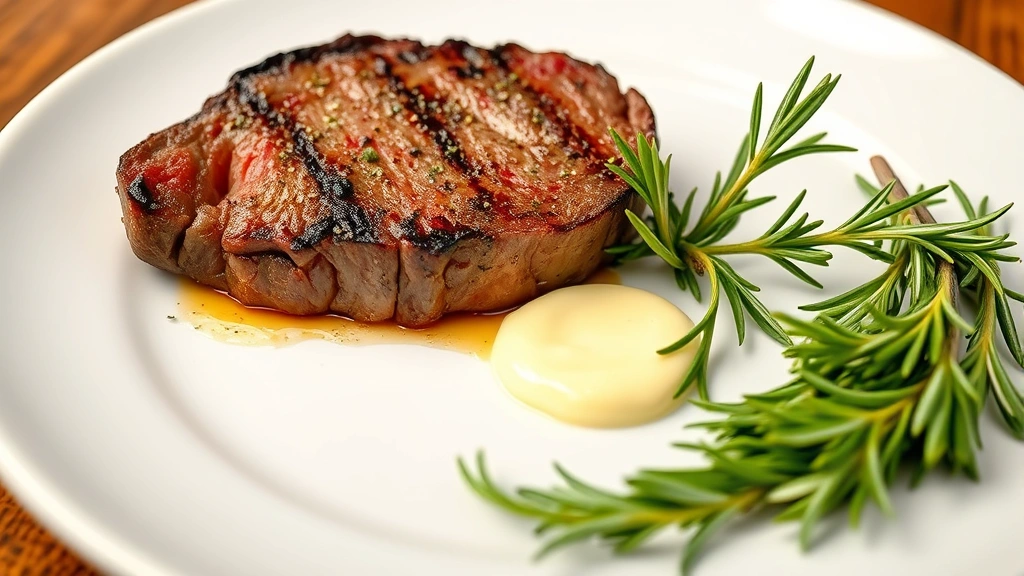
Sirloin tip steak is one of the most underrated cuts of beef, and when prepared correctly, it rivals more expensive cuts in flavor and tenderness. This lean, flavorful steak comes from the hindquarters of the cow and offers a wonderful beef taste without excessive marbling. The key to perfecting sirloin tip steak lies in understanding its unique characteristics—it’s leaner than ribeye or strip steak, which means it requires a slightly different approach to cooking.
The magic happens when you combine proper seasoning, the right cooking technique, and strategic resting periods. Whether you’re cooking for a weeknight dinner or impressing guests at a special occasion, this recipe will guide you through every step to achieve a perfectly cooked sirloin tip steak with a beautiful crust and juicy, tender interior.
What makes sirloin tip steak so special is its versatility. You can grill it, pan-sear it, broil it, or even reverse sear it in the oven. The technique I’m sharing today focuses on the pan-sear method, which gives you the most control and creates that restaurant-quality crust that locks in all the delicious flavors. This method works beautifully whether you’re cooking a single steak for two or multiple steaks for a dinner party.
Before we dive into the cooking process, it’s important to understand that sirloin tip steak benefits tremendously from proper seasoning and bringing it to room temperature before cooking. These seemingly small steps make an enormous difference in your final result. Additionally, investing in a good meat thermometer takes the guesswork out of doneness and ensures you achieve your preferred level every single time.
I love serving sirloin tip steak with complementary sauces and sides that highlight its natural beef flavor. Whether you’re pairing it with a classic béarnaise, a simple chimichurri, or just a pat of herb butter, this steak deserves to shine on your dinner table.
Ingredients
- 2 sirloin tip steaks, 1 to 1.5 inches thick (about 8-10 ounces each)
- 2 teaspoons kosher salt, divided
- 1 teaspoon freshly ground black pepper, divided
- 1 teaspoon garlic powder
- 1 teaspoon onion powder
- 1/2 teaspoon smoked paprika
- 2 tablespoons avocado oil or high-heat vegetable oil
- 3 tablespoons unsalted butter
- 4 cloves garlic, smashed
- 3-4 fresh rosemary sprigs
- 2-3 fresh thyme sprigs
- 1/4 teaspoon fleur de sel for finishing (optional but recommended)
Instructions
- Remove your sirloin tip steaks from the refrigerator 20-30 minutes before cooking to bring them to room temperature. This ensures even cooking throughout the steak and prevents a cold center.
- Pat the steaks completely dry using paper towels. This is crucial—any moisture on the surface will create steam and prevent a proper crust from forming. Don’t skip this step.
- In a small bowl, combine 1 teaspoon kosher salt, 1/2 teaspoon black pepper, garlic powder, onion powder, and smoked paprika. Mix these seasonings together so they distribute evenly.
- Season both sides of each steak generously with the spice mixture, pressing gently so the seasonings adhere to the meat. Remember, you’re seasoning the whole surface, not just one side.
- Place a heavy-bottomed skillet (cast iron or stainless steel work best) over medium-high heat and let it preheat for 2-3 minutes until it’s very hot. You should be able to feel the heat radiating from it.
- Add the avocado oil to the hot skillet, tilting to coat the bottom evenly. The oil should shimmer and almost smoke slightly, indicating it’s ready for the steaks.
- Carefully place the steaks in the hot skillet, laying them away from you to avoid any oil splatters. Do not move them for 3-4 minutes—this undisturbed time is what creates that beautiful, caramelized crust.
- After 3-4 minutes, flip the steaks carefully using tongs (not a fork, which punctures the meat and releases juices). Cook the second side for another 3-4 minutes for medium-rare, depending on thickness.
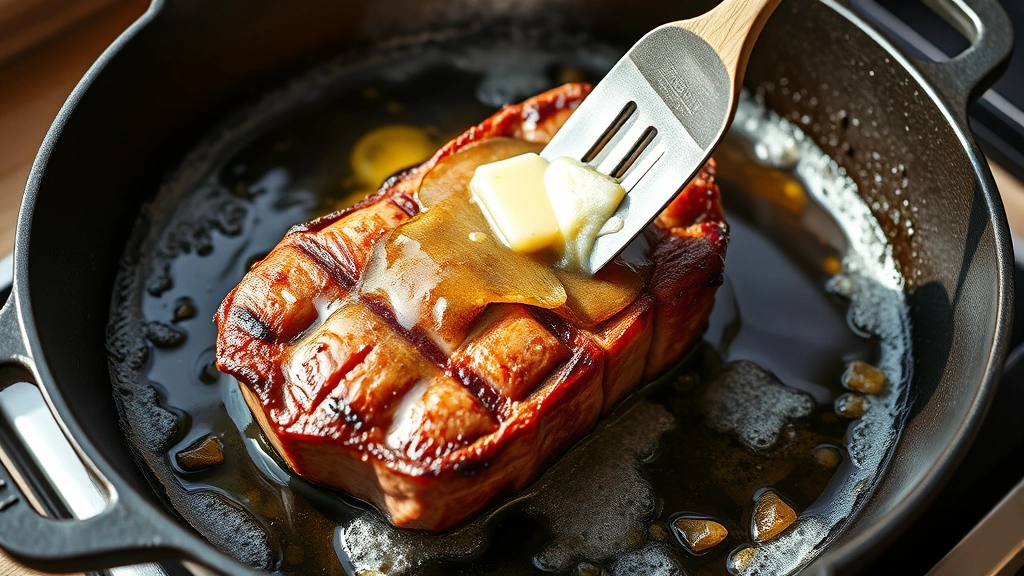
- Reduce the heat to medium and add the butter, smashed garlic cloves, rosemary sprigs, and thyme sprigs to the skillet around the steaks.
- Tilt the skillet slightly and baste the steaks with the melted butter repeatedly for 2-3 minutes, tilting the pan to collect the foaming butter and spooning it over the top of each steak.
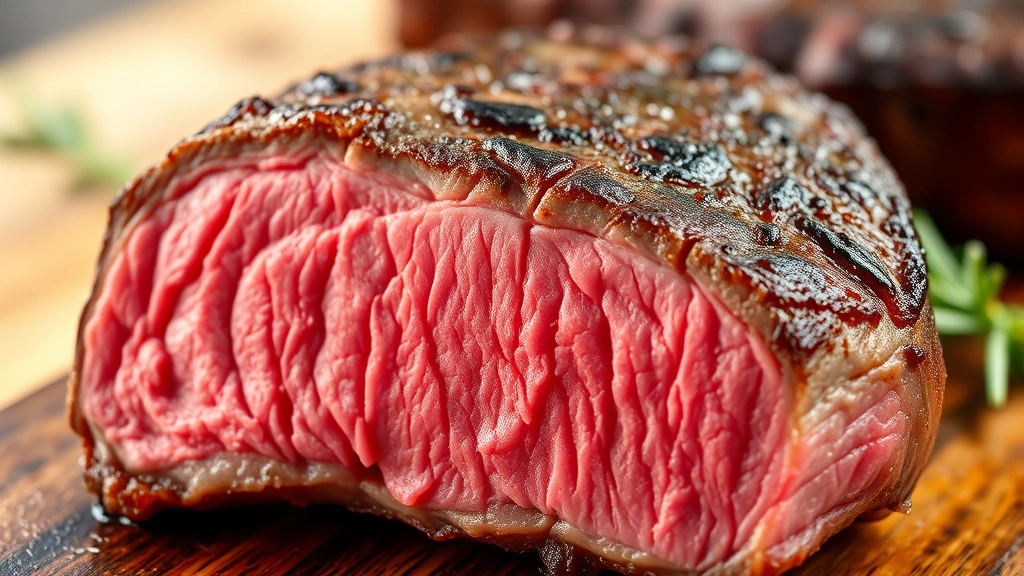
- Check the internal temperature using a meat thermometer inserted into the thickest part of the steak: 125-130°F for medium-rare, 130-135°F for medium, or 135-140°F for medium-well.
- Remove the steaks from the skillet and place them on a warm plate. Sprinkle with fleur de sel if using. Let them rest for 5-7 minutes before serving—this allows the juices to redistribute throughout the meat.
- While the steaks rest, you can strain the pan juices through a fine-mesh sieve and drizzle them over the rested steaks, or serve them alongside as a pan sauce.
Pro Tips
Dryness is Your Friend: Moisture is the enemy of crust development. Use paper towels to thoroughly dry the steaks before seasoning and cooking. A wet surface will steam rather than sear, resulting in a gray, unappetizing crust.
Thermometer Investment: A reliable instant-read meat thermometer removes all guesswork from cooking steak. The difference between perfect and overcooked is just a few degrees, and a thermometer ensures you hit your target temperature every time.
Butter Basting Magic: The final step of basting with foaming butter and aromatics adds incredible flavor and keeps the lean sirloin tip steak moist during the final minutes of cooking. This step is absolutely worth the extra minute of attention.
Resting Period: Never skip the resting period after cooking. During this time, the muscle fibers relax and reabsorb the juices, resulting in a more tender, juicier steak. Cutting into the steak immediately causes all those flavorful juices to run onto the plate instead of staying in the meat.
Salt Timing: Salting early (at least 40 minutes before cooking or just before cooking) prevents the moisture from being drawn out. Mid-range timing (5-10 minutes before) can sometimes result in a less-than-ideal texture, so avoid that window.
Pan Selection: A heavy-bottomed skillet provides even heat distribution and better browning. Cast iron is ideal because it retains heat exceptionally well, but stainless steel works beautifully too. Avoid non-stick pans for searing steaks—they don’t get hot enough.
Oil Choice: Use high-heat oils like avocado, grapeseed, or refined vegetable oil. Olive oil has a lower smoke point and will burn, creating bitter flavors. Save the olive oil for finishing touches.
Sirloin Tip Characteristics: This cut is leaner than premium steaks, which means it can dry out if overcooked. Aim for medium-rare to medium for the best results. The lower fat content also means it benefits from proper seasoning and the butter basting step.
Make-Ahead Options: You can season the steaks up to 24 hours in advance and refrigerate them uncovered. The salt will help dry-age the surface, creating an even better crust. Just remember to bring them to room temperature before cooking.
Serving Suggestions: Pair with fresh, vibrant sides or creamy options like mashed potatoes. A simple green salad or roasted vegetables complements the rich steak beautifully.