
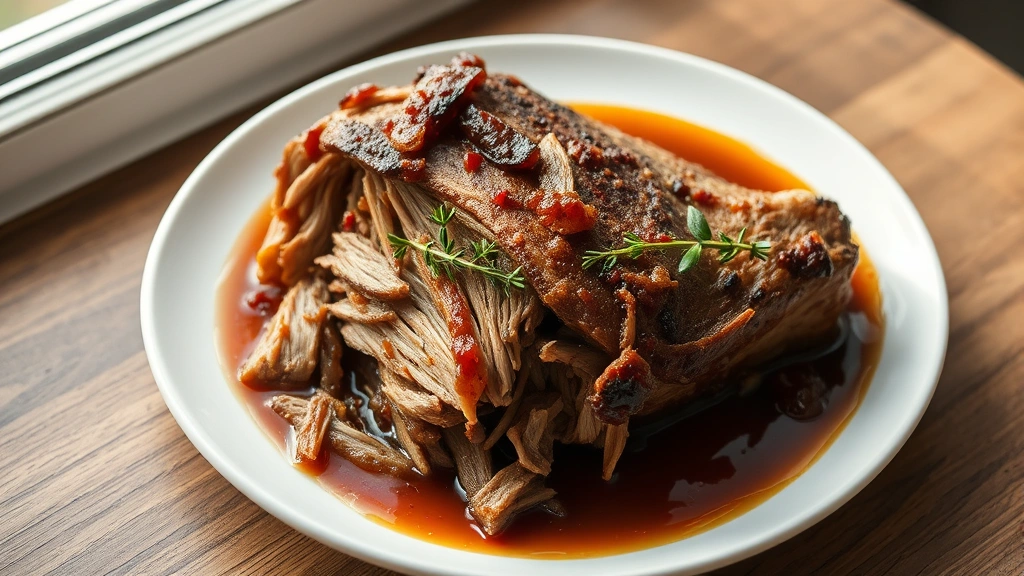
There’s something absolutely magical about coming home to the aroma of tender, fall-apart pork that’s been slow-cooking all day long. This slow cooker pork recipe is the definition of effortless elegance – it requires minimal prep work but delivers maximum flavor that will have your entire family gathered around the dinner table asking for seconds.
Slow cooking is truly one of my favorite cooking methods because it transforms tougher cuts of meat into something incredibly succulent and tender. The low, gentle heat allows the collagen in the pork to break down slowly, creating that luxurious, melt-in-your-mouth texture that’s simply impossible to achieve any other way. Plus, you get the bonus of having your home smell absolutely incredible throughout the day.
What I absolutely love about this particular recipe is its versatility. You can serve it as a main dish with your favorite sides, shred it for pulled pork sandwiches, or even use it as a base for other dishes. The beauty of slow cooker pork is that it’s virtually impossible to overcook – the longer it sits, the more tender it becomes. I’ve included some of my favorite flavor combinations and variations below, but feel free to get creative and make this recipe your own.
If you’re looking for other comforting slow cooker recipes, you might also enjoy exploring our cream cheese glaze recipe for glazing options or our perfect caramel cheesecake recipe for a sweet treat. For more slow cooker inspiration, check out Serious Eats’ slow cooker collection and Bon Appétit’s slow cooker pork recipes.
The key to making the absolute best slow cooker pork is selecting the right cut of meat. I always reach for a pork shoulder, also called pork butt, which has just enough marbling and connective tissue to become incredibly tender during the slow cooking process. This cut is forgiving, flavorful, and designed for long, slow cooking methods. Don’t be intimidated by its size – it shrinks considerably during cooking, and you’ll end up with a beautiful, manageable portion.
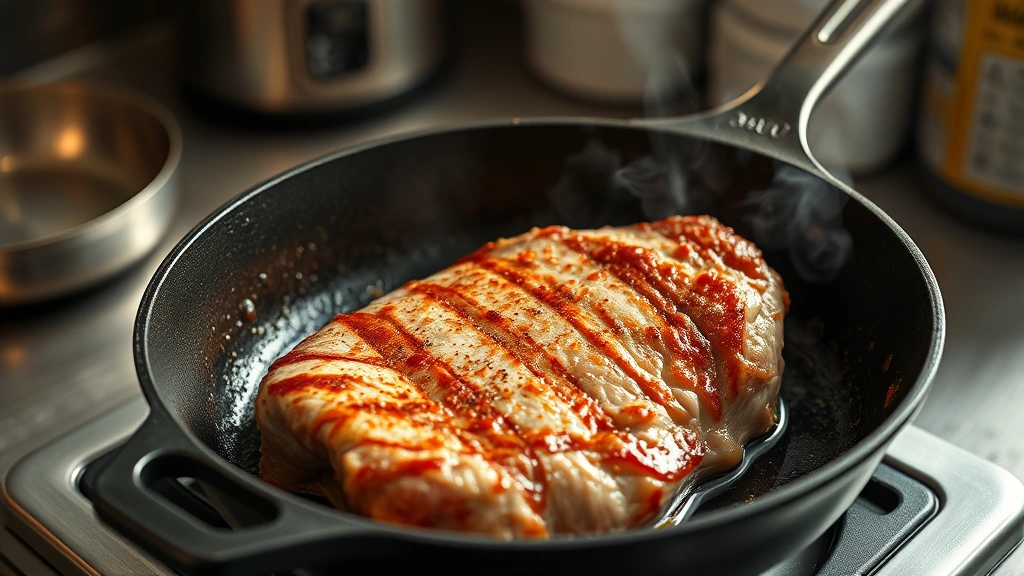
Prepping your pork properly is essential for achieving that restaurant-quality result. I always take a few extra minutes to season the meat generously on all sides before it goes into the slow cooker. You can also sear it in a hot skillet first for a bit of extra depth and color, though this step is entirely optional – the end result will still be delicious without it. The searing just adds another layer of flavor complexity that I personally can’t resist.
One of my favorite aspects of this recipe is how customizable it is. You can keep it simple with just salt, pepper, and some aromatics, or you can build a more complex flavor profile with spices, herbs, and a flavorful braising liquid. The choice is entirely yours, and that’s what makes slow cooker cooking so wonderful. It adapts to your preferences and your pantry.
For additional slow cooker inspiration and techniques, check out New York Times Cooking’s slow cooker pork recipes for more expert guidance and variations on this timeless classic.
Ingredients
- 1 pork shoulder (bone-in or boneless), 6-8 pounds, excess fat trimmed
- 2 tablespoons kosher salt
- 1 tablespoon freshly ground black pepper
- 2 teaspoons garlic powder
- 2 teaspoons onion powder
- 1 teaspoon smoked paprika
- 1 teaspoon dried thyme
- 1/2 teaspoon cayenne pepper (optional)
- 2 tablespoons olive oil
- 2 large yellow onions, sliced into rings
- 6 garlic cloves, minced
- 1 cup low-sodium chicken broth or apple juice
- 1/2 cup apple cider vinegar
- 3 tablespoons brown sugar
- 2 tablespoons Worcestershire sauce
- 2 bay leaves
- 4 sprigs fresh rosemary (or 1 teaspoon dried)
- 4 sprigs fresh thyme (or 1 teaspoon dried)
- 1 teaspoon red pepper flakes (optional)
- 2 tablespoons cornstarch mixed with 2 tablespoons water (optional, for thickening)
Instructions
- Remove the pork shoulder from the refrigerator about 30 minutes before cooking, allowing it to come closer to room temperature. This ensures more even cooking throughout the meat.
- In a small bowl, combine the kosher salt, black pepper, garlic powder, onion powder, smoked paprika, dried thyme, and cayenne pepper if using. Mix these spices together thoroughly.
- Pat the pork shoulder completely dry using paper towels. Moisture on the surface will prevent proper browning and searing. Don’t skip this step – it makes a real difference.
- Rub the spice mixture generously all over the pork shoulder, making sure to get into all the crevices and under any loose skin. This is your flavor foundation, so be generous.
- Optional but recommended: Heat the olive oil in a large skillet over medium-high heat until it’s shimmering. Carefully place the seasoned pork shoulder in the hot oil, fat-side down. Sear for 3-4 minutes until golden brown, then rotate and sear the remaining sides for 2-3 minutes each until the entire exterior has a beautiful caramelized crust. Transfer the seared pork to a plate and set aside.
- Add the sliced onions to the bottom of your slow cooker, creating an aromatic bed that will help prevent the meat from sticking and add flavor to the cooking liquid.
- Sprinkle the minced garlic over the onions, then carefully place the pork shoulder (seared or unseared) on top of the onion and garlic mixture.
- In a measuring cup, whisk together the chicken broth, apple cider vinegar, brown sugar, and Worcestershire sauce until the sugar is dissolved.
- Pour the liquid mixture around the pork shoulder, being careful not to wash away the seasoning on top. Add the bay leaves, fresh rosemary sprigs, fresh thyme sprigs, and red pepper flakes if using.
- Cover the slow cooker with the lid and cook on the LOW setting for 8 hours, or on the HIGH setting for 5-6 hours. The pork is done when it’s incredibly tender and shreds easily with a fork.
- Using a meat thermometer, ensure the internal temperature has reached at least 190°F for optimal tenderness. The higher the temperature, the more tender your pork will be.
- Carefully remove the pork shoulder from the slow cooker and place it on a cutting board. Let it rest for 10 minutes before shredding or slicing.
- While the pork rests, strain the cooking liquid through a fine-mesh sieve into a bowl, discarding the bay leaves and herb sprigs. Reserve the liquid for serving or thickening.
- Using two forks, shred the pork into bite-sized pieces, discarding any excess fat or bone as needed.
- Optional: If you prefer a thicker, more gravy-like sauce, return the strained liquid to the slow cooker on HIGH setting and stir in the cornstarch slurry. Cook for 15-20 minutes, stirring occasionally, until thickened.
- Return the shredded pork to the slow cooker with the cooking liquid and stir gently to combine. Taste and adjust seasonings as needed with additional salt and pepper.
- Serve the pork immediately while hot, or keep it warm on the WARM setting of your slow cooker for up to 2 hours.

Pro Tips
o Make-Ahead Magic: You can prepare all your ingredients the night before and store them in separate containers. In the morning, simply add everything to your slow cooker – no fuss required.
o Searing Step: While optional, searing the pork shoulder before slow cooking adds a wonderful depth of flavor through the Maillard reaction. If you’re short on time, you can absolutely skip this step without sacrificing too much flavor.
o Liquid Selection: I love using apple juice or apple cider vinegar because they complement pork beautifully, but you can also use beef broth, chicken broth, or even cola for a different flavor profile.
o Variations to Try: Add barbecue sauce in the last hour for pulled pork sandwiches, include diced green chiles and salsa for Mexican-inspired carnitas, or add soy sauce and ginger for an Asian-inspired variation.
o Storage Instructions: Leftover slow cooker pork keeps in the refrigerator for up to four days in an airtight container. You can also freeze it for up to three months. Thaw overnight in the refrigerator before reheating.
o Reheating Tips: Reheat gently in a low oven at 300°F until warmed through, or use your slow cooker on LOW for about an hour. Avoid reheating in the microwave, which can dry out the meat.
o Serving Suggestions: Serve over mashed potatoes, with coleslaw and biscuits, in sandwiches with pickles, over rice, in tacos with your favorite toppings, or as the base for grain bowls.
o Slow Cooker Size Matters: This recipe works best in a 6-quart slow cooker. If you have a smaller cooker, reduce the pork shoulder size proportionally.
o Alcohol Substitution: If you prefer not to use apple cider vinegar, substitute with additional broth or juice, though the tangy depth will be slightly different.
o Layering Flavors: Don’t skip the fresh herbs at the end – they provide a bright note that balances the rich, savory pork beautifully.