
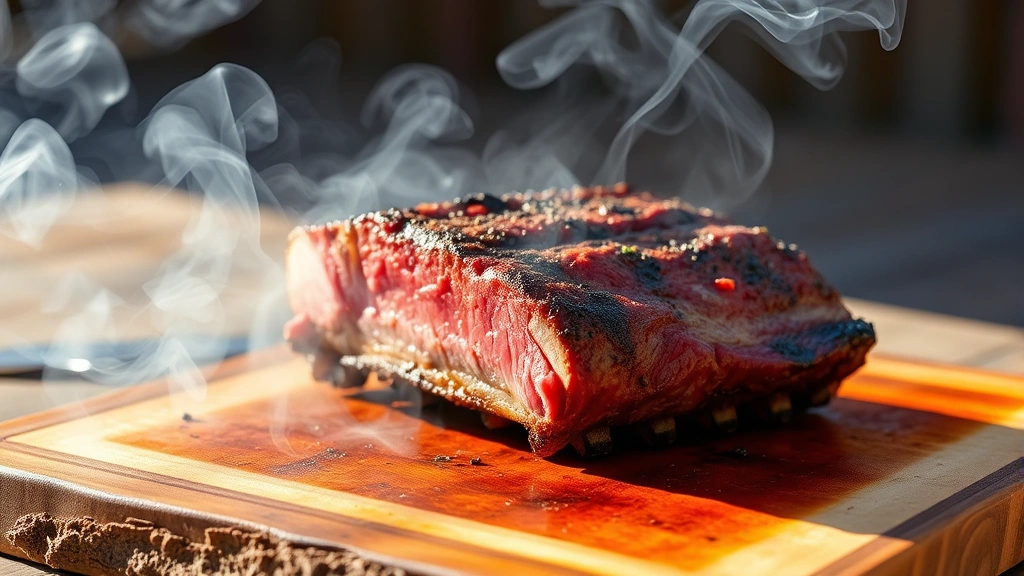
There’s something absolutely magical about smoked short ribs—the way the meat becomes so tender it practically falls off the bone, the beautiful smoke ring that forms beneath the surface, and that incredible depth of flavor that only comes from hours of low and slow cooking. This simple smoked short ribs recipe is perfect for anyone looking to impress family and friends without spending all day fussing in the kitchen.
I’ve been smoking meats for years, and short ribs have become one of my absolute favorite cuts to work with. They’re forgiving, flavorful, and when prepared properly, they’re the kind of dish that has everyone asking for your secret. The beauty of this recipe is that it doesn’t require fancy equipment or complicated techniques—just good quality ribs, a solid dry rub, and patience.
What makes short ribs so special is the combination of meat and bone. Unlike brisket or pulled pork, short ribs have beautiful marbling and a bone structure that adds incredible flavor to the meat as it cooks. When you smoke them low and slow, all those connective tissues break down into gelatin, creating a texture that’s simultaneously tender and succulent.
This recipe can be prepared on any smoker—whether you’re using a traditional offset smoker, a kamado-style cooker, or even a pellet smoker. The key is maintaining a steady temperature and giving the ribs enough time to develop that perfect bark while the interior becomes fall-apart tender. I typically smoke my short ribs at 225-250°F, which allows the smoke to penetrate deeply while the meat cooks evenly.
One thing I love about entertaining with smoked short ribs is that they’re naturally impressive. Your guests will think you spent the entire day slaving away, when in reality, most of that time is hands-off cooking. You can prep the ribs in the morning, get them on the smoker by midday, and have dinner ready by evening. For a more casual gathering, you can even prep and rub the ribs the night before, then simply smoke them the next day.
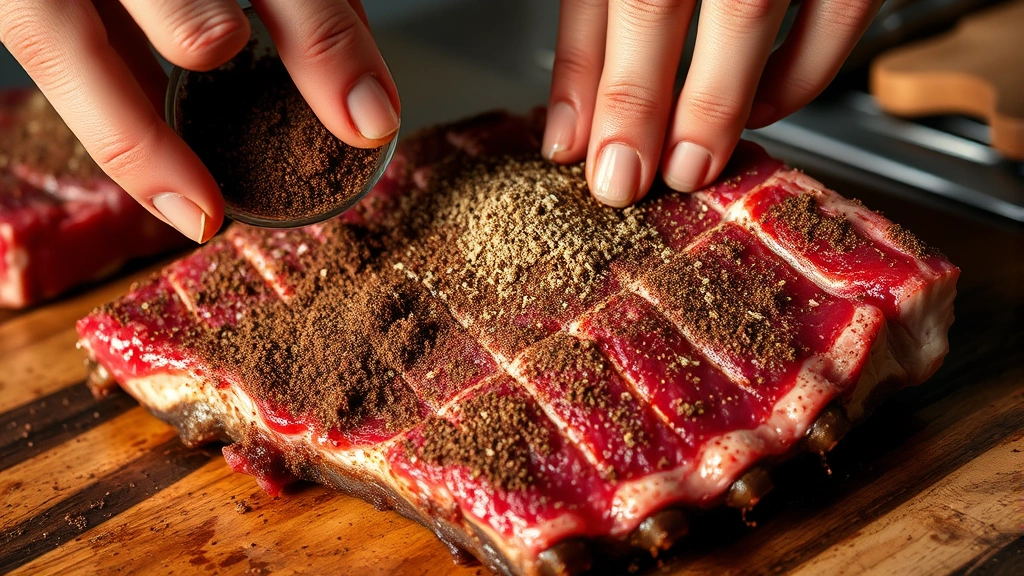
The dry rub is where a lot of the magic happens. I use a combination of brown sugar, paprika, garlic powder, and a touch of cayenne to create a balanced rub that complements the natural flavors of the beef without overpowering them. You can absolutely customize this to your preference—if you like things spicier, add more cayenne or some chipotle powder. If you prefer a sweeter profile, increase the brown sugar slightly.
One of my favorite aspects of this recipe is how versatile it is. Serve these ribs with classic BBQ sides like creamed corn and coleslaw for a traditional approach. Or try pairing them with something like Rice Pudding for a unique contrast of flavors. For dessert, you might want something light and refreshing, like Lemon Sorbet to cleanse the palate after all that rich, smoky meat.
If you’re looking to expand your smoking repertoire, I highly recommend checking out Serious Eats for additional smoking techniques and inspiration. For more detailed information on meat preparation and cooking methods, Bon Appétit has excellent resources. And if you want to explore more protein options, New York Times Cooking offers fantastic meat recipes and techniques.
The preparation process is straightforward. Start by selecting quality short ribs—look for ones with good marbling and a decent amount of meat on the bone. Remove the membrane from the back of the ribs, then apply your dry rub generously, making sure to coat all sides. Let the ribs sit for at least an hour (or overnight) to allow the flavors to penetrate the meat.
When you’re ready to smoke, get your smoker up to temperature and add your preferred smoking wood. Hickory and oak are classic choices that work beautifully with beef, but you can also experiment with cherry or apple wood for a slightly sweeter smoke flavor. Place the ribs on the grates bone-side down, and let them cook undisturbed for several hours.
Most short ribs will need about 5-6 hours of smoking time, depending on the thickness of the meat and your smoker’s temperature. You’ll know they’re done when the meat has pulled back from the bones and jiggles slightly when you move the racks. If you want to add a finishing sauce, brush it on during the last 30 minutes of cooking to prevent it from burning.
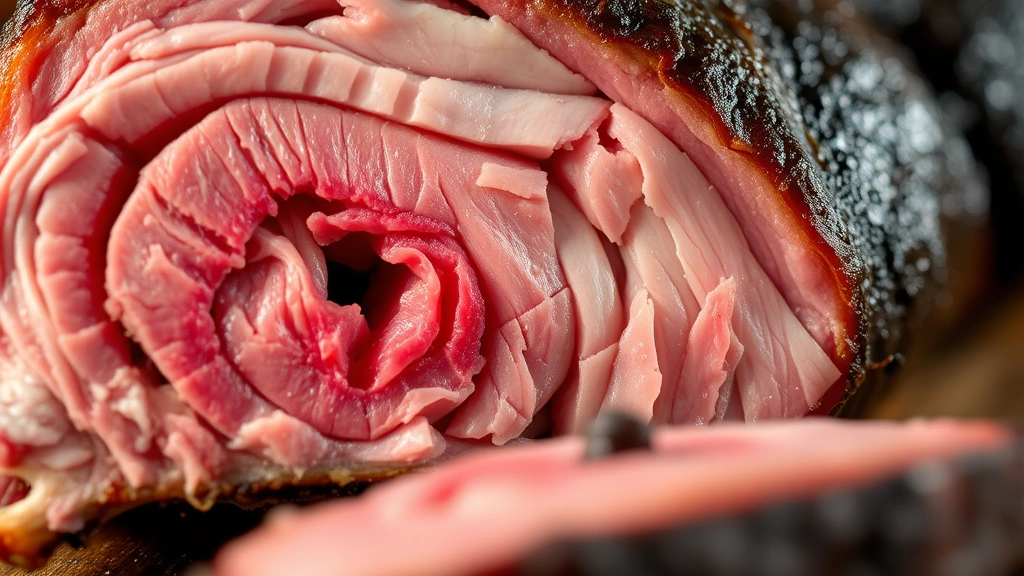
The result should be ribs with a beautiful dark bark on the outside and incredibly tender, juicy meat on the inside. The smoke ring—that pink layer just beneath the surface—is a sign that you’ve done everything right. This is the hallmark of properly smoked meat and it tastes absolutely delicious.
Ingredients
- 3 to 4 pounds beef short ribs (about 3 to 4 ribs)
- 3 tablespoons brown sugar
- 2 tablespoons paprika
- 1 tablespoon garlic powder
- 1 tablespoon onion powder
- 1 tablespoon kosher salt
- 1 teaspoon black pepper
- 1 teaspoon cayenne pepper
- 1 teaspoon dried thyme
- 1/2 teaspoon ground cumin
- Hickory or oak wood chips for smoking
- 2 tablespoons butter (optional, for basting)
- 1/2 cup BBQ sauce (optional, for finishing)
Instructions
- Remove the short ribs from the refrigerator about 30 minutes before smoking to bring them closer to room temperature.
- Using a sharp knife or paper towel, carefully remove the thin membrane from the back (bone side) of the short ribs.
- In a small bowl, combine brown sugar, paprika, garlic powder, onion powder, kosher salt, black pepper, cayenne pepper, thyme, and cumin to create your dry rub.
- Pat the short ribs dry with paper towels to help the rub adhere better to the meat.
- Generously apply the dry rub to all sides of the short ribs, using about 2-3 tablespoons per rib, and gently massage the rub into the meat.
- Place the rubbed ribs on a rimmed baking sheet and refrigerate for at least 1 hour (or up to overnight) to allow the flavors to develop.
- Prepare your smoker by cleaning the grates and adding wood chips or chunks to the firebox according to your smoker’s instructions.
- Preheat your smoker to 225-250°F, adjusting vents and dampers as needed to maintain a steady temperature.
- Once the smoker reaches temperature and is producing thin, blue smoke, carefully place the short ribs on the grates bone-side down.
- Close the smoker door and maintain the temperature at 225-250°F throughout the cooking process.
- Smoke the ribs undisturbed for 3 to 4 hours, resisting the urge to open the door and check on them frequently.
- After 3 to 4 hours, check the ribs for tenderness by inserting a toothpick or fork into the thickest part of the meat—it should slide in with minimal resistance.
- If using BBQ sauce, brush it onto the ribs during the final 30 minutes of cooking, closing the door between applications.
- Continue smoking until the meat has pulled back noticeably from the bones and jiggles when the rack is moved, approximately 5 to 6 hours total.
- Remove the ribs from the smoker and let them rest on a cutting board for 5 to 10 minutes before serving.
- Transfer the ribs to a serving platter and serve immediately while they’re still warm and juicy.
Pro Tips
Choosing your wood is important for the final flavor profile. Hickory provides a strong, classic smoke flavor that pairs beautifully with beef. Oak offers a milder smoke that won’t overpower the natural beef flavors. Cherry and apple wood add subtle sweetness that some people love, while others prefer sticking with traditional choices.
The membrane on the back of the ribs should always be removed before smoking. It’s tough and prevents seasonings and smoke from penetrating the meat properly. Simply slide a knife or your fingers under the membrane and peel it away.
Don’t skip the resting period after smoking. This allows the juices to redistribute throughout the meat, ensuring each bite is as juicy and tender as possible. A 5 to 10 minute rest is sufficient for short ribs.
If your ribs are cooking faster than expected, you can wrap them in foil to slow down the cooking process slightly. Conversely, if they’re cooking slower than anticipated, you can increase the smoker temperature by 25°F.
Leftover smoked short ribs can be refrigerated for up to 4 days. Reheat them gently in a low oven at 250°F until warmed through, or slice them and add to soups or grain bowls for a delicious next-day meal.
For those using pellet smokers, the process is essentially the same, though you may need to adjust timing slightly depending on your specific pellet smoker model. Follow your manufacturer’s guidelines for temperature management.