
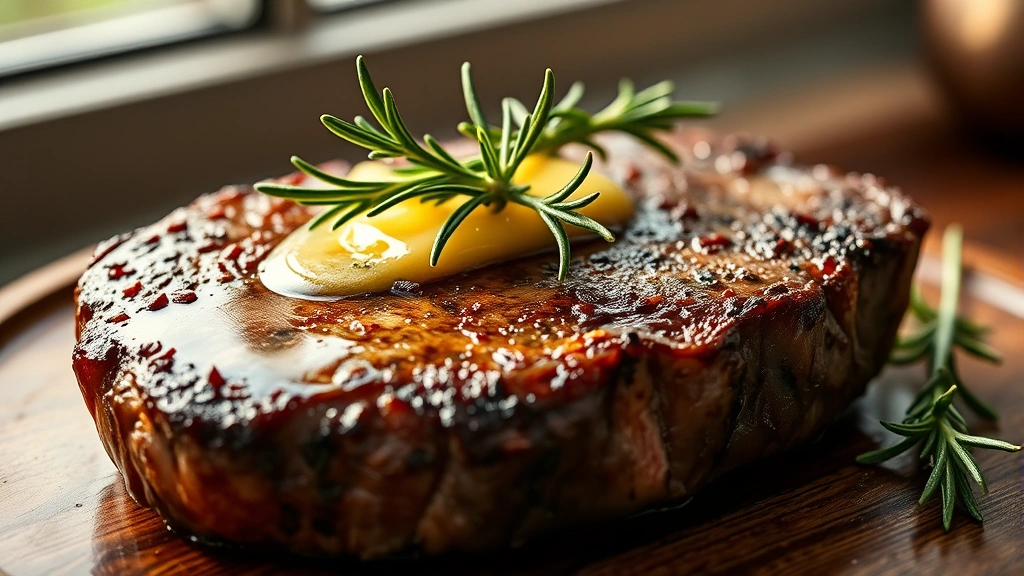
There’s something absolutely magical about a slice of perfectly cooked steak topped with a pat of silky, aromatic steak butter that melts into golden pools of pure indulgence. This compound butter is the secret weapon that transforms an already delicious steak into something truly restaurant-worthy, and the best part? It’s incredibly simple to make at home.
Steak butter, also known as compound butter, is simply softened butter mixed with fresh herbs, garlic, and other flavorful ingredients. It’s the finishing touch that professional chefs use to elevate their steaks, and once you master this technique, you’ll wonder how you ever ate steak without it. The beauty of making your own steak butter is that you can customize it to your exact preferences—whether you prefer bold garlic notes, fresh herbs like rosemary and thyme, or even a touch of Dijon mustard for extra depth.
What makes this particular steak butter recipe so special is the combination of premium ingredients and the perfect ratio that ensures maximum flavor with every bite. We’re using high-quality butter as our base, fresh herbs that you can find at any grocery store, and a carefully balanced blend of seasonings that complement beef without overpowering it. Unlike store-bought versions that often contain stabilizers and preservatives, homemade steak butter delivers pure, authentic flavor that will have your dinner guests asking for your secret.
The technique for making steak butter is straightforward enough for beginners but yields professional results. You’ll start with softened butter—not melted, but at room temperature so it’s easy to work with—and then fold in your chosen ingredients. The key is being gentle with your mixing to maintain that creamy texture while ensuring all the flavors are evenly distributed. Once mixed, you can shape it into a log, chill it, and slice off pats as needed. This means you can make a batch and keep it in your freezer for weeks, ready to top any steak that comes off the grill or out of the pan.
This steak butter recipe works beautifully with any cut of beef—whether you’re cooking a tenderloin, ribeye, New York strip, or even a more budget-friendly sirloin. The richness of the butter and the brightness of the herbs work together to enhance the natural beef flavors rather than mask them. For the best results, place a pat of your homemade steak butter on top of your steak while it’s still hot off the heat, allowing it to melt slowly and seep into every crevice. You can also serve it on the side for guests to add as much or as little as they prefer.
If you’re looking to expand your steak dinner repertoire, consider pairing this with complementary sauces or side dishes. For more inspiration on creating memorable meals, check out our guides on creating restaurant-quality dishes at home and mastering simple techniques. You might also enjoy exploring other elevated recipes that bring the wow factor to your table.
For additional steak preparation techniques, Serious Eats offers excellent guidance on steak cooking methods, while Bon Appétit has wonderful compound butter variations. The New York Times also provides detailed compound butter techniques that will help you perfect this essential skill.
Ingredients
- 1 cup (2 sticks) unsalted butter, softened to room temperature
- 3 cloves fresh garlic, minced very finely
- 2 tablespoons fresh rosemary, finely chopped
- 2 tablespoons fresh thyme, finely chopped
- 1 tablespoon fresh parsley, finely minced
- 1 teaspoon fleur de sel or sea salt
- ½ teaspoon freshly cracked black pepper
- ½ teaspoon smoked paprika
- ¼ teaspoon red pepper flakes (optional, for a hint of heat)
- 1 teaspoon fresh lemon juice
- ½ teaspoon Dijon mustard
Instructions
- Remove your butter from the refrigerator and place it on the counter about 30 minutes before you plan to make the steak butter. You want it to be soft enough to easily mix with a fork or spatula, but not so warm that it’s melting or greasy. The ideal consistency is similar to frosting.
- While the butter softens, prepare all your ingredients. Mince your garlic very finely—you want tiny pieces so the garlic distributes evenly throughout the butter rather than creating large chunks that would be unpleasant to bite into.
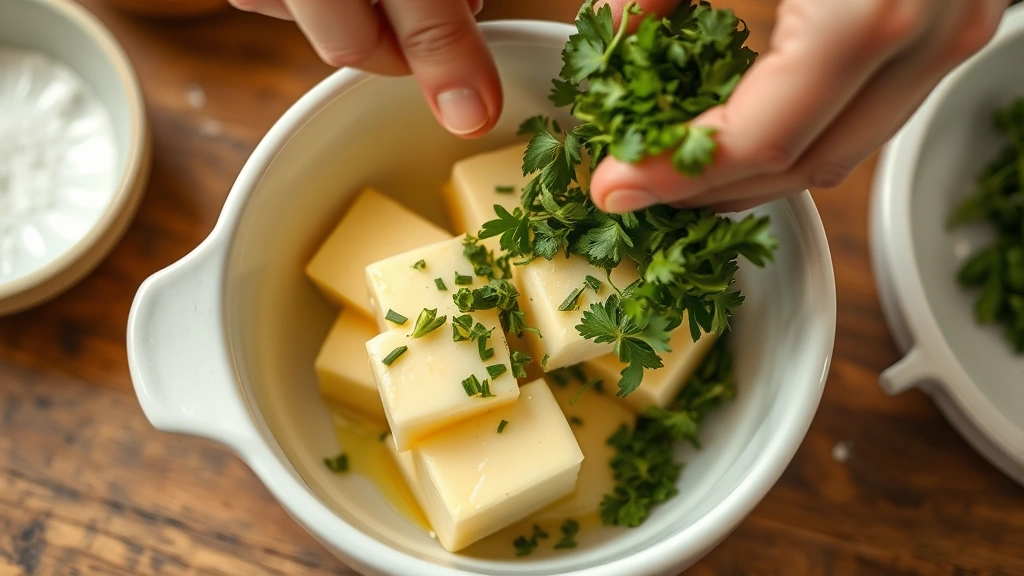
- Finely chop all your fresh herbs, keeping them separate for now. Pat them dry with paper towels if they seem moist, as excess water can make your butter watery. Fresh herbs are essential here as they provide bright, vibrant flavor that dried herbs simply cannot match.
- In a small bowl, combine all your dried seasonings: the fleur de sel, black pepper, smoked paprika, and red pepper flakes if using. Mix these together with a fork to combine evenly.
- Place your softened butter in a medium mixing bowl. Using a rubber spatula or wooden spoon, begin gently folding and mixing the butter to break up any large chunks and create a smooth, creamy base.
- Add your minced garlic to the butter and fold it in gently but thoroughly, making sure the garlic is evenly distributed throughout. This is important because you don’t want any bites to be unexpectedly garlicky or garlic-free.
- Add your fresh rosemary, thyme, and parsley to the butter, folding gently after each addition to ensure even distribution. Take your time with this step—gentle folding maintains the creamy texture better than aggressive mixing.
- Sprinkle in your prepared dry seasonings mixture and add the lemon juice and Dijon mustard. Fold everything together gently but thoroughly until the color is uniform and all ingredients are evenly incorporated throughout the butter.
- Taste a tiny bit of the butter by dipping a clean spoon into it. Adjust seasonings as needed—add a pinch more salt if it needs it, or a bit more lemon juice for brightness. Remember that the butter will be spread on hot steak, so you can season it slightly more boldly than you might think.
- Once you’re satisfied with the flavor, transfer the butter to a sheet of plastic wrap or parchment paper. If using plastic wrap, place the butter along one edge and then roll it tightly, using the wrap to form it into a log about 1½ inches in diameter.
- Twist the ends of the plastic wrap tightly to seal and compact the butter log. This will help it hold its shape as it chills and makes it easy to slice later.
- Place the wrapped butter log in your refrigerator for at least 2 hours, though overnight is even better. This allows the flavors to meld together and the butter to firm up so it slices cleanly.
- When ready to use, remove the butter from the refrigerator and let it sit for about 5 minutes to soften just slightly, making it easier to slice. Unwrap and slice into ½-inch thick pats using a sharp knife.
- Top each hot steak immediately after cooking with a pat of your homemade steak butter, allowing it to melt luxuriously over the surface. Serve any remaining pats on the side for guests to add to their preference.
Pro Tips
Fresh Herbs Make the Difference: While you can use dried herbs in a pinch, fresh herbs provide a brightness and vibrancy that dried herbs cannot replicate. If you don’t have fresh herbs on hand, reduce the amount of dried herbs by one-third since they’re more concentrated in flavor.
Storage and Freezing: Properly wrapped steak butter will keep in the refrigerator for up to one week, or in the freezer for up to three months. This makes it perfect for batch-making ahead of time. Simply slice off what you need and return the rest to the freezer.
Customization Ideas: Don’t feel limited to this exact recipe. Try adding blue cheese crumbles for a steakhouse twist, crispy bacon pieces for a smoky element, or even a touch of truffle oil for luxury. Anchovy paste adds incredible umami depth if you enjoy bold flavors.
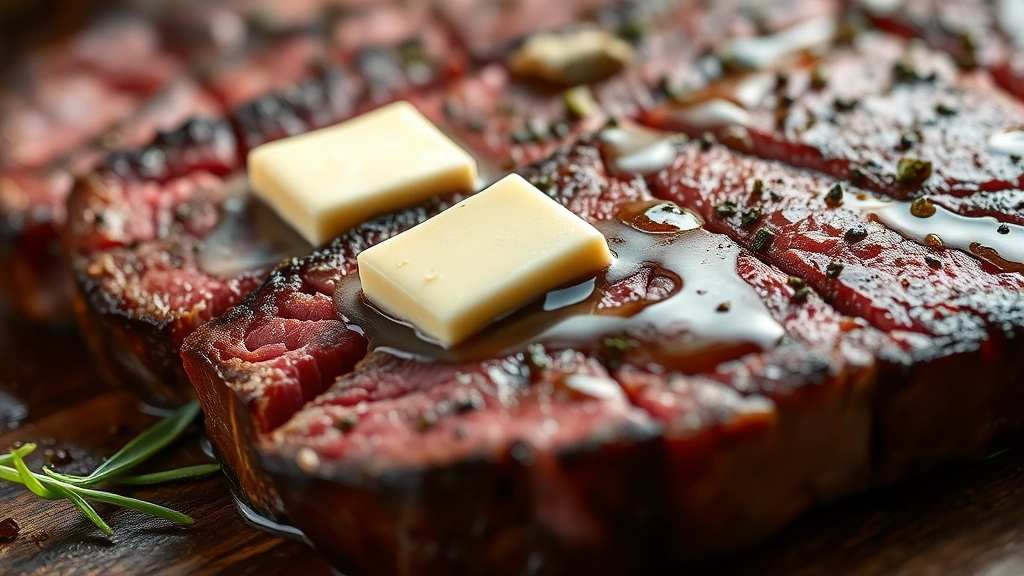
Perfect Timing: Always add the butter to your steak right after cooking when the meat is still hot. The residual heat will begin melting the butter immediately, creating those beautiful golden pools and allowing the flavors to seep into the steak rather than sitting on top.
Alternative Shaping Method: If you don’t have plastic wrap, spoon the butter mixture into ice cube trays and freeze. Once solid, pop out the cubes and store in a freezer bag. This gives you perfect single-serving portions.
Garlic Intensity: If you’re sensitive to raw garlic, consider mincing your garlic even finer or reducing the amount slightly. Alternatively, you can very gently toast the garlic in a dry pan for just 30 seconds to mellow its flavor before adding it to the butter.
Pairing with Different Steaks: Thinner steaks benefit from more butter since there’s less surface area, while thicker steaks can handle generous pats. Adjust your portion sizes accordingly—a ½-inch pat works well for most standard steaks.
Making it Ahead: This recipe is perfect for entertaining because you can make it days in advance. This means less to do when your guests arrive, and you can focus on cooking the steaks to perfection.