
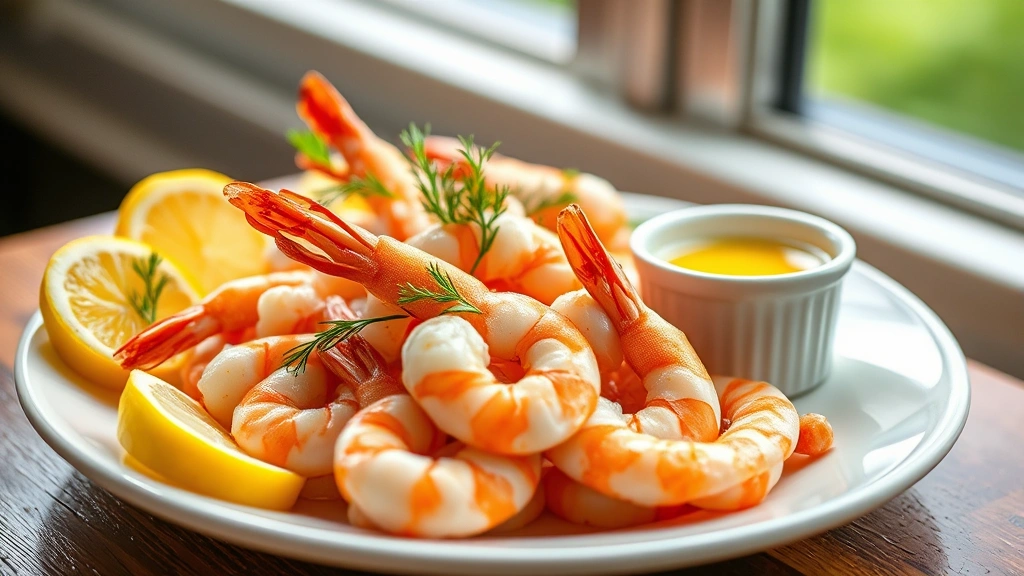
Steamed shrimp is the ultimate weeknight dinner that feels fancy but comes together in mere minutes! This foolproof method delivers tender, succulent shrimp with a delicate flavor that lets the natural brininess shine through. Whether you’re looking for a light lunch, elegant appetizer, or quick protein to add to pasta, this simple preparation technique will become your go-to.
What makes steamed shrimp so wonderful is its versatility and nutritional benefits. Shrimp cooks in just 3-5 minutes, making it perfect for busy weeknights when you need dinner on the table fast. The gentle steaming method preserves the shrimp’s delicate texture and keeps them from becoming rubbery, which can happen with other cooking methods. Plus, steaming requires minimal added fat, making this dish naturally lighter than pan-seared or fried versions.
I love serving steamed shrimp with a variety of accompaniments. Sometimes I go classic with melted butter and fresh lemon for dipping, other times I whip up a quick cocktail sauce or garlic aioli. You can also toss them with pasta, add them to grain bowls, or serve them over a bed of fresh greens. The beauty of this recipe is that once you master the basic steaming technique, the flavor possibilities become endless. Check out this complementary recipe for side dish inspiration.
The key to perfect steamed shrimp is not overcooking them. Shrimp are done the moment they turn from translucent to opaque and curl slightly. Overcooked shrimp become tough and lose their sweet flavor. I always set a timer and check them right at the minimum time. You’ll also want to use fresh or properly thawed shrimp for the best results. If using frozen shrimp, thaw them in the refrigerator overnight or in a bowl of cold water for about 30 minutes.
One of my favorite tricks is adding aromatics to the steaming liquid. A splash of white wine, fresh herbs like dill or tarragon, and sliced lemon create an incredibly flavorful base that infuses the shrimp as they cook. This is far superior to plain water steaming and requires absolutely no extra effort. The aromatic steaming liquid can also be strained and used as a base for sauces or seafood stocks.
For the best results, I recommend using large or jumbo shrimp (16/20 or 12/15 count per pound). Smaller shrimp can get lost and may overcook more quickly, while larger shrimp are easier to monitor and have a more impressive presentation. Pat your shrimp dry before steaming to help them cook more evenly. If your shrimp have the tails still attached, you can easily peel them after steaming while they’re still warm, which makes the process much easier.
Steamed shrimp pairs beautifully with so many sides. Serve alongside roasted vegetables, fresh salads, or grain bowls. This refreshing sorbet makes a light dessert if you’re keeping your meal light. For something more substantial, consider this berry compote recipe as a topping for accompanying grains. You can also make it an elegant appetizer by serving the shrimp on individual spoons with a touch of cocktail sauce for a classic presentation that looks restaurant-quality.
This recipe is naturally gluten-free, paleo-friendly, and keto-approved, making it an excellent choice for various dietary needs. It’s also packed with protein and low in calories, so it’s perfect for anyone watching their health. The omega-3 fatty acids in shrimp provide numerous health benefits, making this dish both delicious and nutritious.
For entertaining, steamed shrimp is absolutely foolproof. You can prepare everything ahead of time, and the actual cooking takes just minutes. Your guests will be impressed by how elegant and restaurant-quality this dish tastes, yet it requires minimal effort. Check out this decadent dessert option to round out your entertaining menu.
Once you master this basic technique, you’ll find yourself making steamed shrimp regularly. It’s quick, reliable, and absolutely delicious every single time.
Ingredients
- 2 pounds large shrimp (16/20 count), peeled and deveined
- 1 cup water or seafood broth
- 1/2 cup dry white wine
- 1 lemon, thinly sliced
- 4 sprigs fresh dill or tarragon
- 4 cloves garlic, smashed
- 1 teaspoon kosher salt
- 1/2 teaspoon black pepper
- 1/4 teaspoon red pepper flakes (optional)
- 2 bay leaves
- 4 tablespoons unsalted butter, for serving
- Fresh parsley, chopped, for garnish
- Lemon wedges, for serving
Instructions
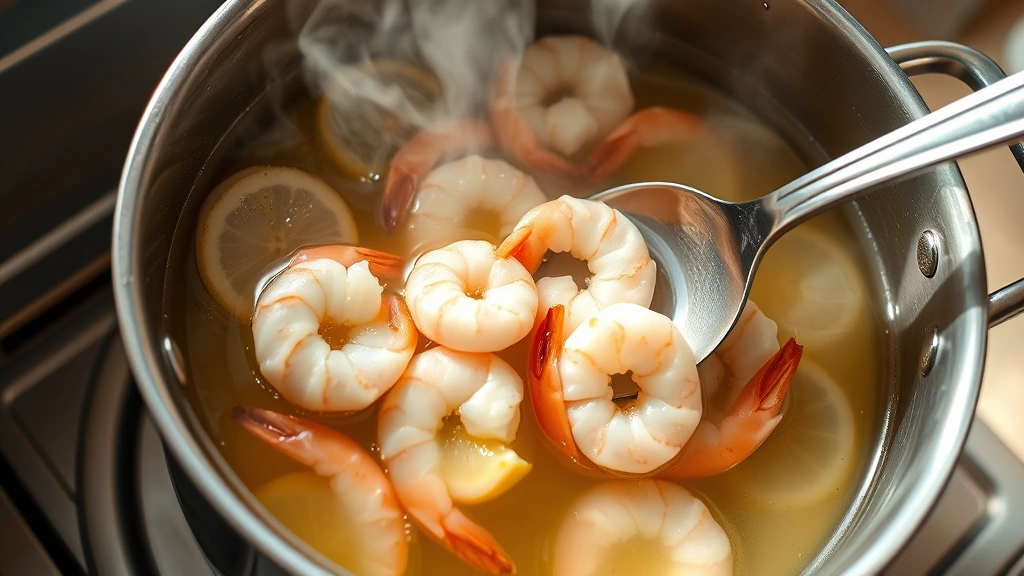
- Fill a large pot or steamer pot with the water, white wine, lemon slices, dill sprigs, smashed garlic, bay leaves, salt, pepper, and red pepper flakes if using. Bring the liquid to a gentle boil over medium-high heat.
- While the steaming liquid heats, pat the shrimp dry with paper towels. This helps them cook more evenly and ensures better texture.
- Once the steaming liquid is at a rolling boil, carefully add the shrimp to the pot or place them in a steamer basket positioned above the boiling liquid, depending on your equipment.
- Set a timer for exactly 3 minutes for smaller shrimp or 4-5 minutes for jumbo shrimp. Do not walk away from the pot—timing is crucial for perfect results.
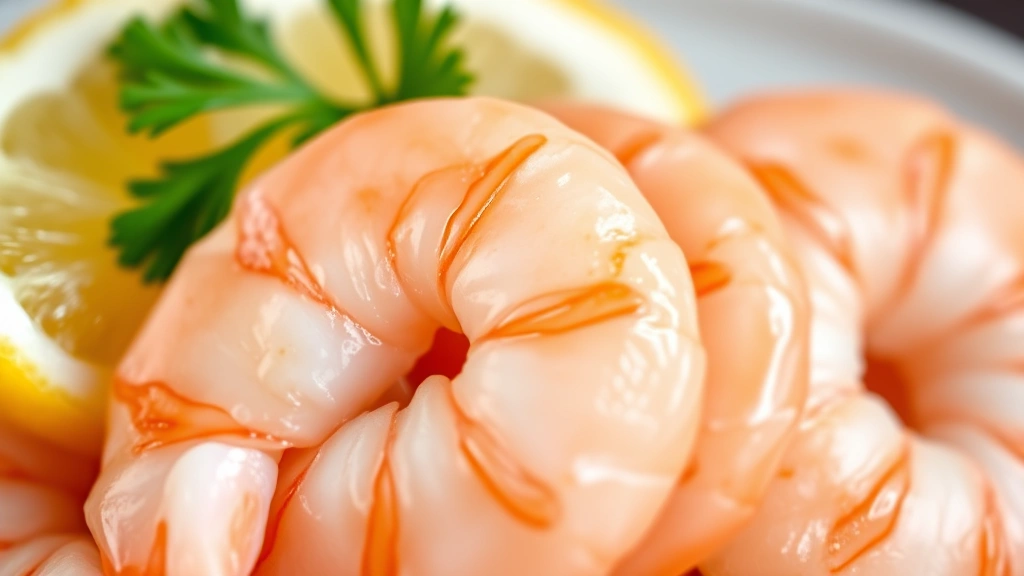
- At the 3-minute mark, begin checking the shrimp. They’re done when they’ve turned from translucent to opaque pink and have curled into a C-shape. If they’ve curved into a tight O-shape, they’re slightly overcooked.
- Using a slotted spoon, immediately transfer the cooked shrimp to a serving bowl or platter. Do not leave them in the hot liquid, as residual heat will continue cooking them.
- Strain the steaming liquid through a fine-mesh sieve if you wish to reserve it for sauce-making or future seafood stock. Discard the aromatics or save them for flavoring.
- Arrange the shrimp on a serving platter and garnish with fresh chopped parsley and lemon wedges.
- Serve the shrimp immediately while still warm with melted butter on the side for dipping, or with your choice of sauce such as cocktail sauce, garlic aioli, or a simple lemon butter sauce.
- If you prefer, you can peel the shrimp tail on or tail off depending on your preference and how you’re serving them. Warm shrimp are easier to peel than cold ones.
Pro Tips
TIMING IS EVERYTHING: Shrimp cook incredibly quickly, often in just 3-5 minutes depending on size. Set a timer and check them at the minimum time. Overcooked shrimp become tough, rubbery, and lose their sweet natural flavor. If you’re cooking multiple batches, keep the first batch warm by covering with foil or placing in a warm oven at 200 degrees Fahrenheit.
AROVATIC OPTIONS: Feel free to customize your steaming liquid with your favorite aromatics. White wine, dry vermouth, or additional lemon juice add wonderful flavor. Fresh herbs like tarragon, chervil, or cilantro work beautifully depending on your intended serving style. Sliced ginger, star anise, and a splash of soy sauce create an Asian-inspired version perfect for grain bowls.
SERVING SUGGESTIONS: Serve steamed shrimp hot with melted butter and fresh lemon for a classic preparation. Alternatively, chill them and serve as an appetizer with cocktail sauce. Toss warm shrimp with pasta, add to grain bowls, place atop fresh greens for salad, or use in wraps and sandwiches. Room temperature or chilled shrimp work beautifully in seafood salads or as a protein topping for Buddha bowls.
MAKING COMPOUND BUTTERS: Prepare compound butters ahead for serving. Mix softened butter with fresh herbs, minced garlic, Dijon mustard, or hot sauce. A dollop melting over warm shrimp creates an elevated presentation with minimal effort. These butters also freeze beautifully for up to three months.
STORAGE AND LEFTOVERS: Cooked shrimp keep refrigerated in an airtight container for up to three days. Reheat gently in a 325-degree oven for about 5 minutes or simply serve cold. Leftover shrimp work wonderfully in pasta dishes, salads, grain bowls, or seafood stews. Never refreeze previously frozen shrimp once cooked.
DIETARY CONSIDERATIONS: This recipe is naturally gluten-free, paleo-friendly, keto-approved, and Whole30 compliant. Shrimp provides excellent protein with minimal carbohydrates and contains beneficial omega-3 fatty acids. Each serving provides approximately 25 grams of protein and only about 100 calories before any accompaniments.
WINE PAIRING: Steamed shrimp pairs beautifully with crisp white wines like Sauvignon Blanc, Pinot Grigio, or Albariño. If serving with Asian-inspired aromatics, consider a Riesling or Gewürztraminer. The light, delicate nature of the shrimp won’t overpower subtle wine flavors.