
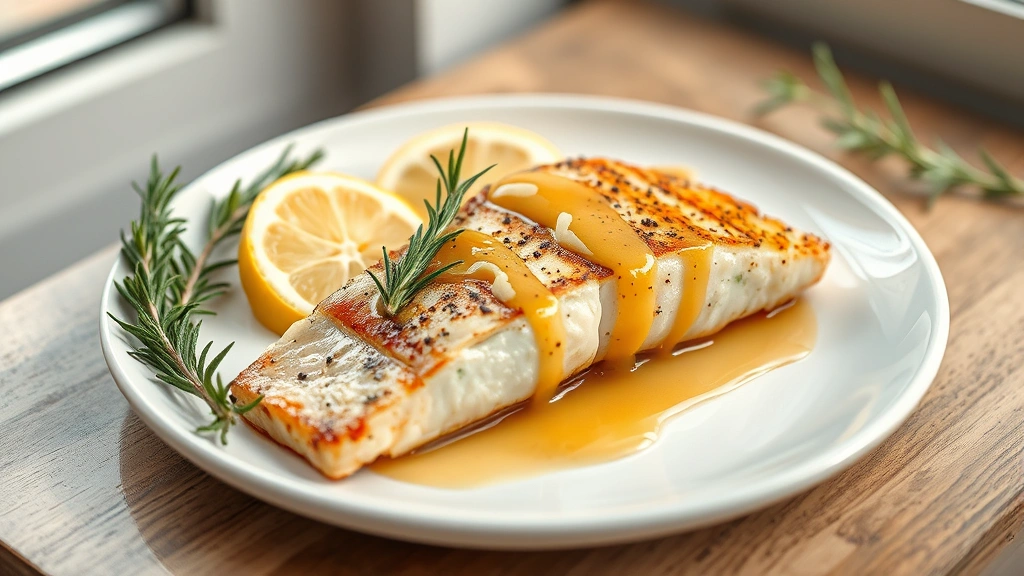
Swordfish is one of those magnificent fish that deserves a place at your dinner table, especially when you know how to cook it properly. This beautiful, meaty fish has a firm texture that holds up beautifully to bold flavors and high-heat cooking methods. Unlike delicate white fish that can fall apart with the slightest provocation, swordfish steaks are substantial enough to stand up to robust marinades, charring, and even grilling.
What makes swordfish so special is its unique texture and mild, slightly sweet flavor profile. It’s often compared to steak because of its density and the way it cooks. When you slice into a perfectly cooked swordfish steak, you’ll notice it has a beautiful, almost meaty quality that appeals to seafood lovers and skeptics alike. The key to achieving that restaurant-quality result at home is understanding the fish itself and using the right cooking technique.
This recipe brings together Mediterranean-inspired flavors with a simple pan-searing method that locks in moisture and creates a gorgeous golden crust. We’re talking about a delicate balance of fresh lemon, aromatic garlic, and herbaceous rosemary that complements without overpowering the natural sweetness of the fish. The beauty of this approach is its simplicity—you need just a handful of quality ingredients and about 20 minutes to create something truly spectacular.
I love serving this swordfish with perfectly roasted balsamic brussel sprouts for a complete meal that feels elegant yet achievable on a weeknight. For something lighter, pair it with pickled red onions and a crisp salad. The versatility of this fish means you can adapt it to whatever sides speak to you.
Before we dive into the technique, let me share why I’m passionate about this recipe. Swordfish has gotten a bit of a bad reputation in recent years, primarily due to sustainability concerns. However, when sourced responsibly from reputable fishmongers, it remains a delicious and worthwhile addition to your cooking repertoire. Always ask your fishmonger about the origin and catch method of their swordfish. Look for fish that’s been caught using pole-and-line or harpoon methods, which are far more sustainable than commercial net fishing.
The cooking method I’m sharing is foolproof and works beautifully whether you’re cooking for two or eight. The key is achieving that perfect sear—a golden, flavorful crust that seals in the natural juices of the fish. This happens when you have proper heat, dry fish, and a hot pan with just enough oil to prevent sticking without creating a greasy mess. Like with any high-heat cooking, preparation is everything.
One thing I’ve learned over years of cooking swordfish is that thickness matters tremendously. Aim for steaks that are at least 1 to 1.5 inches thick. Thinner cuts tend to dry out quickly, while thicker steaks give you that beautiful window where the outside is gorgeously seared but the inside remains moist and tender. The thickness also allows you to build layers of flavor through the searing process.
This recipe is deeply influenced by the Mediterranean tradition of cooking fish simply and elegantly. There’s wisdom in that approach—when you have truly fresh, quality swordfish, you don’t need to mask its natural flavor with complicated techniques or heavy sauces. Instead, you’re working with the fish, highlighting its inherent qualities while adding complementary elements that enhance rather than overshadow.
For more inspiration on preparing seafood, check out Serious Eats’ seafood section for detailed scientific approaches to cooking fish perfectly. You might also enjoy exploring Bon Appétit’s fish recipes for contemporary takes on classic preparations, and New York Times Cooking has wonderful resources for mastering fish cookery. Additionally, if you enjoy bold, spiced preparations, you might appreciate applying similar flavor profiles to your swordfish.
The beauty of mastering this swordfish recipe is that once you understand the fundamentals, you can play with different seasonings and marinades. Try a Sicilian approach with capers and olives, a Spanish version with smoked paprika, or even a lighter preparation with just citrus and herbs. The cooking technique remains consistent—it’s the flavor profile that shifts based on your mood and what’s in your pantry.
I’m thrilled to share this recipe with you. It’s been refined through countless dinner parties, family meals, and quiet weeknight dinners where I wanted something special without spending hours in the kitchen. This is the kind of recipe that makes you look like a confident, experienced cook, even if you’re just beginning your culinary journey. Let’s get started.
Ingredients
- 4 swordfish steaks, 1 to 1.5 inches thick (about 6-8 ounces each)
- 3 tablespoons extra virgin olive oil, divided
- Sea salt and freshly ground black pepper, to taste
- 4 cloves garlic, minced
- 3 sprigs fresh rosemary
- Zest and juice of 2 lemons
- 1/2 teaspoon red pepper flakes (optional)
- 2 tablespoons fresh parsley, chopped
- Fleur de sel for finishing (optional but recommended)
Instructions
- Remove swordfish steaks from the refrigerator about 15 minutes before cooking and pat them completely dry with paper towels. This step is crucial for achieving a proper sear. Place them on a clean plate.
- Season both sides of each swordfish steak generously with sea salt and freshly ground black pepper. Be generous here—the seasoning creates flavor and helps develop that beautiful golden crust.
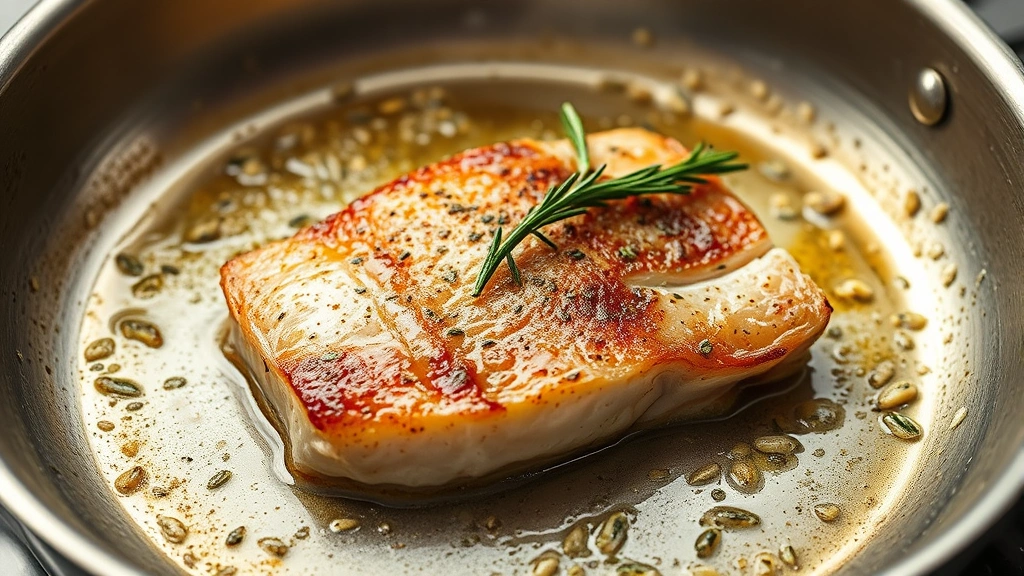
- Place a large stainless steel skillet over medium-high heat. Allow it to preheat for about 2-3 minutes until it’s quite hot but not smoking.
- Add 2 tablespoons of the olive oil to the hot skillet. Swirl it around to coat the pan evenly. Wait about 30 seconds for the oil to shimmer—this indicates it’s hot enough for searing.
- Carefully place the swordfish steaks into the hot skillet. You should hear an immediate sizzle. Don’t move them for the first 4-5 minutes to allow a proper golden crust to develop. Resist the urge to flip or fidget with them.
- While the first side cooks, prepare your aromatics. Mince your garlic and have your fresh rosemary sprigs ready. Have lemon zest and juice measured out.
- After 4-5 minutes, check the underside of one steak by gently lifting it with a spatula. It should be golden brown and release easily from the pan. If needed, wait another minute.
- Carefully flip each swordfish steak to the other side. The sear should be beautiful and golden.
Immediately add the remaining 1 tablespoon of olive oil around the edges of the pan, then add the minced garlic and fresh rosemary sprigs.
- Cook the second side for another 3-4 minutes until golden brown. The fish should feel slightly firm to the touch but still have some give when pressed gently.
- While the second side cooks, sprinkle the lemon zest over the swordfish steaks and the red pepper flakes, if using.
- Pour the fresh lemon juice around the steaks in the pan, being careful to avoid the hot skillet rim. Let it sizzle for about 30 seconds to create a light pan sauce.
- Remove the pan from heat. Carefully transfer each swordfish steak to a warm serving plate, using a spatula to keep them intact.
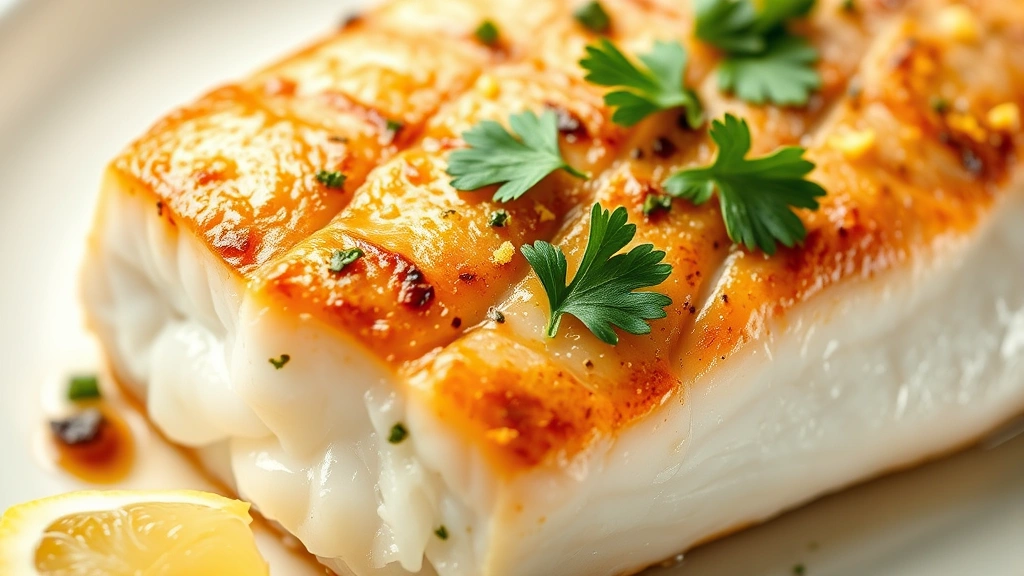
- Spoon the pan juices, garlic, and rosemary over the top of each steak. Garnish with fresh chopped parsley and a final pinch of fleur de sel if desired.
- Serve immediately while the fish is hot, ideally with your favorite sides such as roasted vegetables or a fresh salad.
Pro Tips
- Selecting your swordfish is the most important step. Visit a reputable fishmonger and ask questions about sourcing. Look for flesh that’s pale pink or off-white in color with no browning or discoloration.
- The thickness of your steaks directly impacts cooking time. Thicker steaks (1.5 inches) may need an additional 1-2 minutes per side, while thinner ones may cook slightly faster. Check for doneness by gently pressing the fish—it should be opaque throughout and flake easily when pressed.
- Don’t skip the drying step. Moisture is the enemy of a good sear. Pat the fish very thoroughly with paper towels immediately before cooking.
- Stainless steel pans are superior to nonstick for this preparation because they develop better fond for pan sauces and allow for a more dramatic sear.
- If your swordfish smells fishy, that’s a sign it’s not fresh. Fresh swordfish should smell clean and ocean-like, not ammonia-scented or off-putting.
- This recipe works beautifully with other firm white fish such as halibut, mahi-mahi, or even thick cod fillets, though cooking times may vary slightly.
- Leftover cooked swordfish can be flaked and used in salads, pasta dishes, or even tacos the next day. Store in an airtight container in the refrigerator for up to 3 days.
- The pan sauce in this recipe is intentionally light. If you prefer a more robust sauce, you can add a splash of white wine or chicken stock to the pan after flipping the fish and reduce it slightly.
- For meal prep purposes, you can season and refrigerate the swordfish steaks up to 4 hours before cooking. Just pat them dry again before searing.
- This dish pairs beautifully with dry white wines like Sauvignon Blanc, Pinot Grigio, or a crisp Albariño. The acidity complements the richness of the fish perfectly.
- If you’re cooking for guests, you can prepare all your ingredients in advance and have everything measured and ready. The actual cooking takes only about 12 minutes, so you can have dinner on the table quickly.