
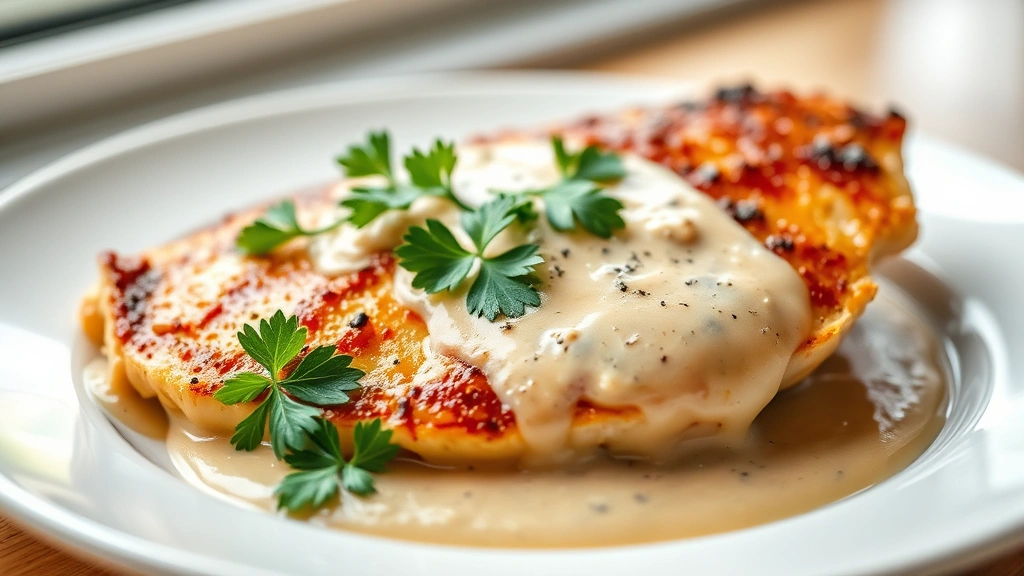
Thin cut chicken breast is a weeknight lifesaver that transforms ordinary dinners into something truly special. This quick and tasty recipe showcases why thin-pounded chicken cooks so beautifully—it’s tender, juicy, and ready in under 30 minutes from start to finish. The secret lies in proper pounding technique and understanding how to season for maximum flavor impact.
When you pound chicken breast to an even thickness of about a quarter-inch, you’re not just speeding up cooking time; you’re creating a uniform surface that cooks evenly and absorbs flavors beautifully. This recipe uses a simple pan-searing method with a butter and white wine sauce that would make any French bistro proud. The beauty of working with thin cut chicken is that it becomes impossibly tender while maintaining its delicate flavor profile.
I love serving this alongside creamy sides and fresh vegetables. The versatility of thin cut chicken means you can customize this recipe endlessly. Some nights I add fresh herbs like tarragon or thyme, other nights I incorporate capers and lemon juice. The technique remains the same, but the flavor possibilities are endless.
This dish comes together so quickly because thin chicken cooks through in just 3-4 minutes per side. There’s no need to worry about dry, overcooked chicken when you’re working with properly pounded pieces. I often make this on busy weeknights when I need something elegant but don’t have hours to spend in the kitchen. It’s impressive enough for dinner guests yet simple enough for everyday family meals.
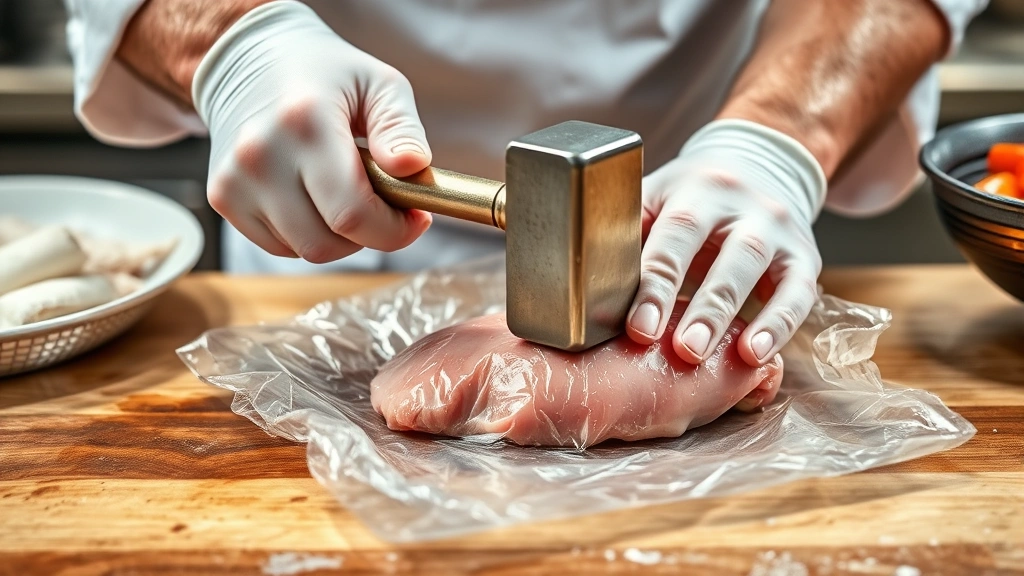
For the best results, use a meat mallet and pound evenly, ensuring consistent thickness throughout each breast. This prevents any thick spots that might remain undercooked while thinner areas dry out. Room temperature chicken pounds more easily than cold chicken straight from the refrigerator. Pair this with bright, fresh accompaniments to balance the richness of the sauce. The dish is naturally elegant and works beautifully for both casual and formal dining occasions.
Ingredients
- 4 boneless, skinless chicken breasts (about 6-8 ounces each)
- 1 cup all-purpose flour
- 1 teaspoon kosher salt
- 1/2 teaspoon freshly ground black pepper
- 1/2 teaspoon garlic powder
- 1/4 teaspoon dried thyme
- 3 tablespoons unsalted butter, divided
- 2 tablespoons olive oil
- 1 cup dry white wine
- 1 cup chicken broth
- 2 tablespoons fresh lemon juice
- 3 cloves garlic, minced
- 2 tablespoons fresh parsley, chopped
- 1 tablespoon capers (optional)
- Salt and pepper to taste
Instructions
- Pat the chicken breasts dry with paper towels. Place one breast between two pieces of plastic wrap or in a plastic bag. Using a meat mallet, pound gently but firmly from the center outward until the chicken is an even quarter-inch thickness. Repeat with remaining breasts.
- In a shallow bowl, combine flour, salt, pepper, garlic powder, and thyme. Mix well to distribute seasonings evenly throughout the flour mixture.
- Dredge each pounded chicken breast in the seasoned flour, shaking off excess. Set on a clean plate and let sit for 2-3 minutes to allow coating to set slightly.
- Heat 1 tablespoon butter and 1 tablespoon olive oil in a large skillet over medium-high heat until the butter is foaming and oil is shimmering.
- Working in batches to avoid overcrowding the pan, carefully place chicken breasts in the hot skillet. Cook for 3-4 minutes without moving them until the underside is golden brown.
- Flip the chicken and cook for another 3-4 minutes until the second side is golden and the internal temperature reaches 165 degrees Fahrenheit when measured with an instant-read thermometer. Transfer cooked chicken to a warm plate.
- If the pan looks dry, add remaining 2 tablespoons butter and 1 tablespoon olive oil. Add minced garlic and sauté for about 30 seconds until fragrant, stirring constantly to prevent burning.
- Pour the white wine into the skillet, scraping up any browned bits from the bottom with a wooden spoon. These flavorful browned bits, called the fond, add incredible depth to your sauce.
- Reduce the wine by half, which should take about 2-3 minutes of steady simmering over medium-high heat.
- Add the chicken broth and lemon juice, stirring to combine. Bring to a gentle simmer and cook for 2-3 minutes until the sauce has reduced slightly and thickened.
- Stir in the capers if using, and taste for seasoning. Adjust salt and pepper as needed—remember the sauce will concentrate as it reduces.
- Return the chicken breasts to the skillet, nestling them into the sauce. Simmer gently for 1-2 minutes just to warm through and allow flavors to meld.
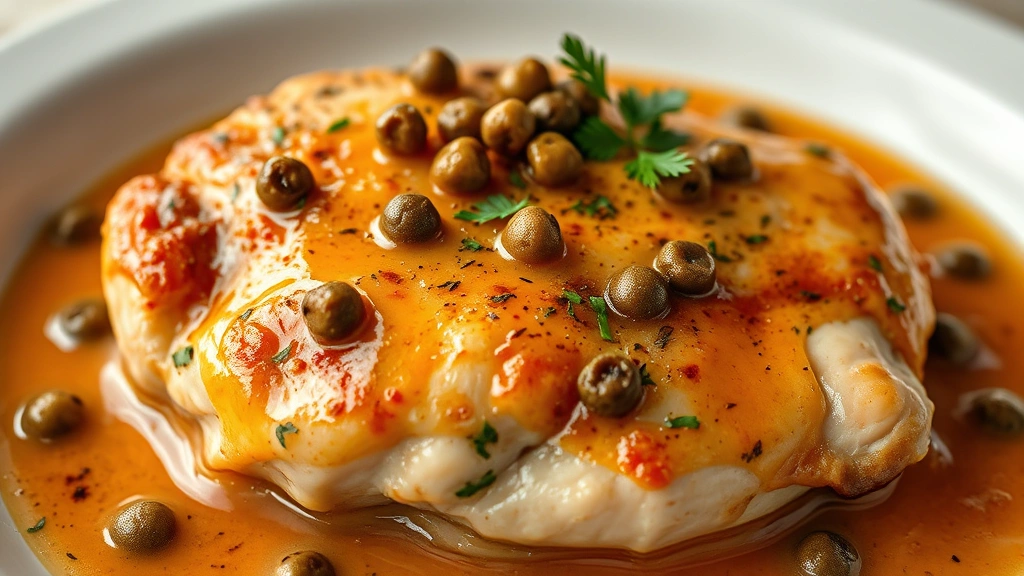
- Transfer chicken to serving plates and spoon the sauce generously over top. Garnish with fresh chopped parsley and a few extra capers if desired. Serve immediately while hot.
Pro Tips
Don’t skip the flour coating even if you prefer lighter meals. The thin layer creates a beautiful golden crust that seals in juices and adds textural contrast. You can use cornstarch mixed with a bit of flour for a slightly crispier exterior if preferred.
The white wine sauce is forgiving and adaptable. If you don’t have white wine, use additional chicken broth plus a splash of apple cider vinegar or fresh lemon juice for acidity. The key is building flavor through the fond and reducing the liquid to concentrate flavors.
For meal prep, pound the chicken breasts and refrigerate for up to 24 hours before cooking. This actually helps the chicken stay juicier during cooking. Don’t coat with flour until you’re ready to cook, as the flour will absorb moisture and create a soggy crust.
This recipe pairs beautifully with light fresh sides like roasted vegetables, pasta, or creamy risotto. The sauce is elegant enough to dress up simple sides into restaurant-quality meals. Serve with crusty bread to soak up every drop of the luscious pan sauce.
Leftovers keep well in an airtight container in the refrigerator for up to three days. Reheat gently over medium-low heat to prevent the chicken from drying out further. You can also slice cooled chicken and use it for salads or sandwiches the next day.
For a lighter version, skip the flour coating and simply season the chicken, then sear in just a bit of olive oil. The sauce remains the same and is equally delicious. This version has fewer calories but loses some of the textural contrast that makes this dish so satisfying.