
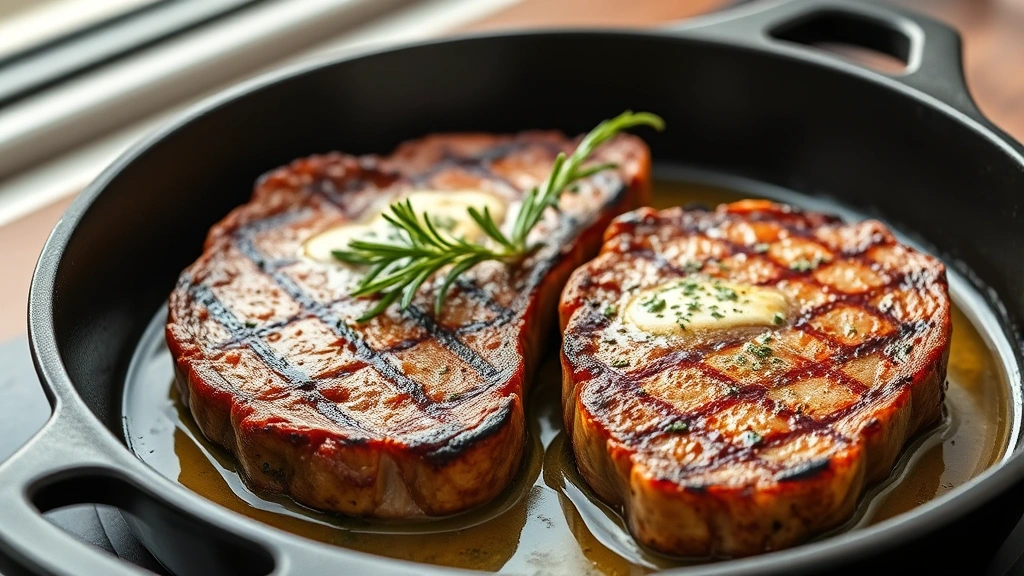
There’s nothing quite like a perfectly seared thin steak—crispy on the outside, tender and juicy on the inside, ready in minutes. Whether you’re cooking weeknight dinner or impressing guests, thin-cut steaks are your secret weapon for restaurant-quality results at home. This guide walks you through everything you need to know to master thin steak recipes, from selecting the right cut to nailing that perfect crust.
Thin steaks are incredibly forgiving once you understand the fundamentals. The key is high heat, proper seasoning, and timing—you want to get in and out of the pan quickly to avoid overcooking. I’m sharing my go-to method that delivers steaks that are golden brown, perfectly seasoned, and cooked to your exact preference every single time.
What makes thin steaks so special? They cook in just 2-3 minutes per side, making them perfect for busy weeknights. They also develop that gorgeous, caramelized crust that thin-cut steaks are known for. Whether you’re using sirloin, ribeye, or New York strip, these thin steak recipes will transform your dinner routine. The beauty of this cooking method is its versatility—you can serve these steaks with a simple salad, alongside roasted vegetables, or even slice them up for sandwiches.
I love pairing thin steaks with simple sides that let the meat shine. Try serving alongside seasonal vegetables or a fresh green salad. For sauce lovers, a quick pan sauce takes just two minutes. The easy preparation means you can have dinner on the table faster than you’d expect.
When shopping for thin steaks, look for cuts that are ¼ to ½ inch thick. These cook quickly and evenly, giving you maximum control over the final result. The method I’m sharing works beautifully with any lean, tender cut. Check out Serious Eats’ guide to cooking thin steaks for additional techniques and variations.
The secret to restaurant-quality thin steaks at home is understanding heat management and moisture control. Pat your steaks completely dry before cooking—this is non-negotiable for a good crust. Season generously with salt and pepper, then get your pan smoking hot. Don’t move the steaks once they hit the pan; let them develop that beautiful brown crust. For more detailed information on steak preparation, visit Bon Appétit’s pan-seared steak recipe.
This recipe is my absolute favorite for weeknight cooking because it’s fast, foolproof, and delivers impressive results. You’ll be amazed at how quickly these thin steaks come together, and your family will be asking for them constantly. The simple ingredients mean this is budget-friendly too. Let me show you exactly how I do it.
Ingredients
- 2 thin-cut steaks (sirloin, ribeye, or New York strip), ¼ to ½ inch thick
- 2 tablespoons unsalted butter, divided
- 2 cloves garlic, crushed
- 2 sprigs fresh rosemary or thyme
- Kosher salt, to taste
- Freshly ground black pepper, to taste
- 1 tablespoon high-heat cooking oil (avocado, vegetable, or canola)
- Optional: ½ teaspoon smoked paprika for extra flavor
- Optional: fresh lemon juice for finishing
Instructions
- Remove steaks from the refrigerator 10-15 minutes before cooking. This allows them to come to room temperature, ensuring even cooking throughout.
- Pat steaks completely dry with paper towels. Moisture is the enemy of a good crust, so don’t skip this step—it’s absolutely essential.
- Season both sides of the steaks generously with kosher salt and freshly ground black pepper. If using smoked paprika, sprinkle a light amount on each side now.
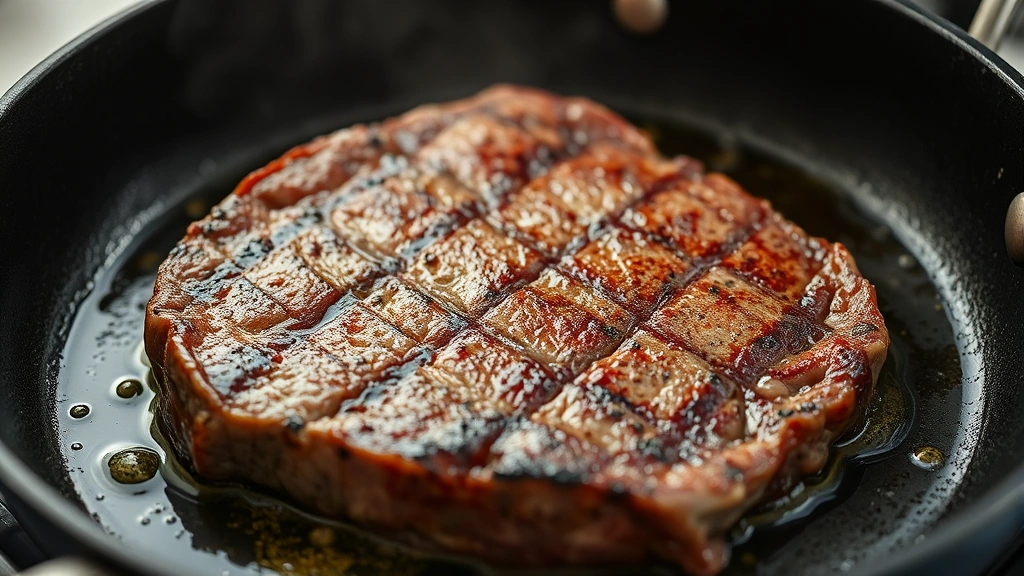
- Place a cast-iron or stainless steel skillet over medium-high heat and let it get very hot for about 2-3 minutes. You want the pan smoking hot before the steaks touch it.
- Add the high-heat cooking oil to the pan and swirl to coat evenly. The oil should shimmer and almost smoke.
- Carefully place the steaks in the pan and resist the urge to move them. Let them cook undisturbed for 2-3 minutes until a golden brown crust forms on the bottom.
- Flip the steaks and immediately add 1 tablespoon of butter, the crushed garlic cloves, and herb sprigs to the pan.
- Cook the steaks for another 1-2 minutes on the second side. For medium-rare, aim for an internal temperature of 130-135°F.
- Tilt the pan and use a spoon to baste the steaks with the foaming butter repeatedly during the last minute of cooking. This adds incredible flavor and ensures even cooking.
- Transfer steaks to a warm plate and let them rest for 2-3 minutes before serving. This allows the juices to redistribute throughout the meat.
- Top each steak with a small pat of fresh butter and fresh lemon juice if desired. Serve immediately while hot.
Pro Tips
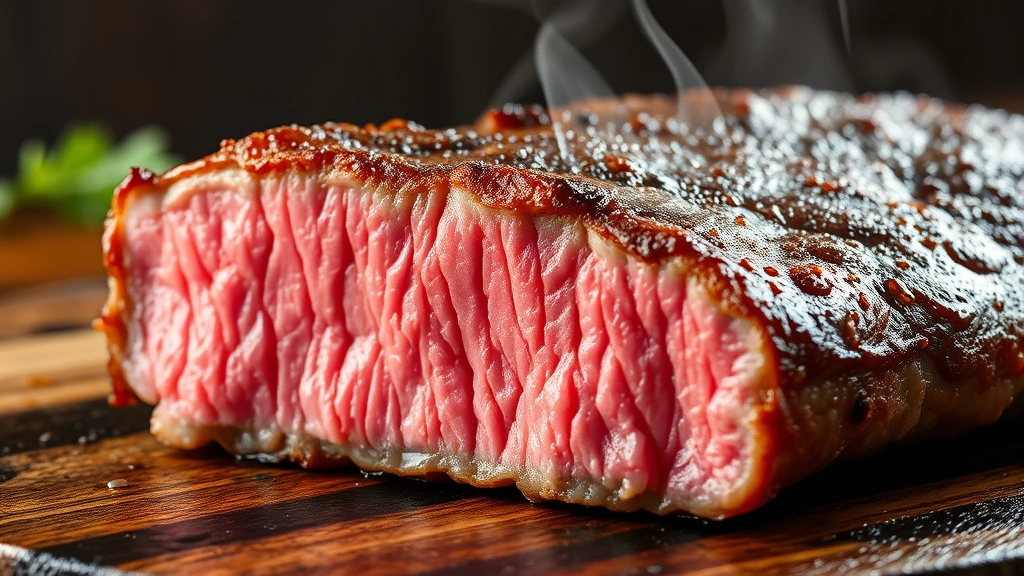
Don’t skip the resting period. Even though it’s just 2-3 minutes, it makes a noticeable difference in juiciness. During rest, the muscle fibers relax and reabsorb the juices that were pushed to the surface during cooking.
Pan selection is crucial for thin steak recipes. Cast-iron skillets retain heat beautifully and develop excellent crusts. Stainless steel works well too. Avoid non-stick pans for steaks because they don’t achieve the high temperatures needed for proper browning.
For the best results, use a meat thermometer to check doneness. Medium-rare is 130-135°F, medium is 135-145°F, and medium-well is 145-160°F. Remember that internal temperature will rise about 5°F while resting, so remove steaks slightly before reaching your target temperature.
Seasoning timing is important. Salt draws moisture to the surface initially, so salt at least 10 minutes before cooking or just right before. Salting only 1-2 minutes before cooking can trap moisture on the surface and prevent browning.
The butter basting technique is what separates good steaks from great ones. As the butter foams, it carries flavor and heat efficiently, promoting browning and adding richness. Make sure to tilt the pan so you can continuously baste the steaks.
Thin steak recipes are incredibly versatile. Serve them with your favorite sides—roasted vegetables, a crisp salad, mashed potatoes, or even sliced for sandwiches. They pair beautifully with fresh lemon, chimichurri sauce, or a simple red wine reduction.
For extra flavor, try different herb combinations. Thyme, rosemary, and sage all work beautifully. You can also add a splash of Worcestershire sauce or soy sauce to the pan for umami depth.
Make sure your steaks are at room temperature before cooking. Cold steaks fresh from the refrigerator will cook unevenly, with the outside overcooked before the inside reaches the right temperature.
If cooking multiple steaks, work in batches rather than crowding the pan. An overcrowded pan causes steaming instead of searing, which results in gray steaks instead of that gorgeous brown crust.