
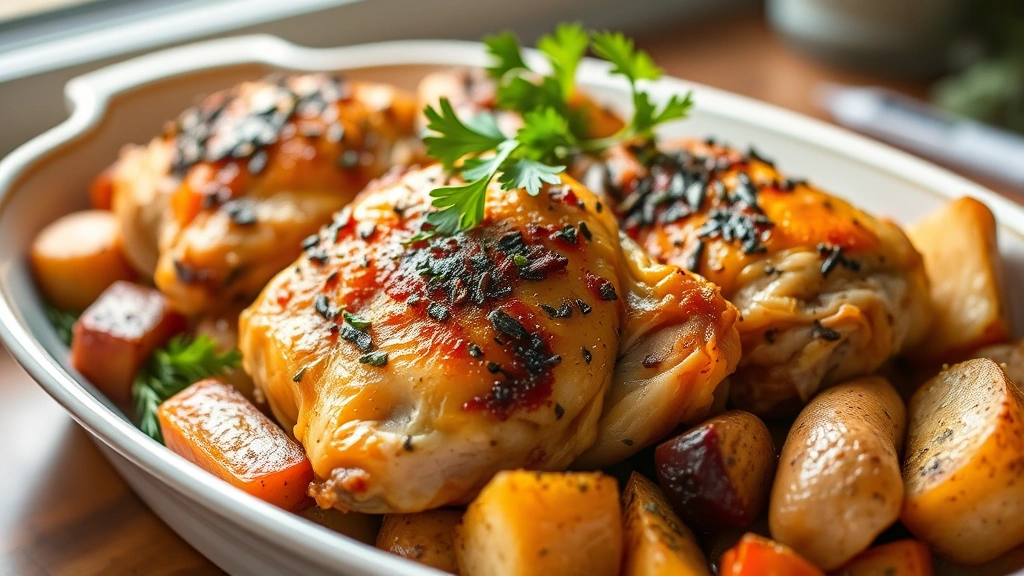
Turkey thighs are an absolute game-changer for weeknight dinners and special occasions alike. Often overlooked in favor of turkey breasts, these darker meat cuts are incredibly flavorful, naturally juicy, and so much more forgiving to cook. With their rich, savory taste and tender texture when prepared properly, turkey thighs deliver restaurant-quality results right in your own kitchen.
This recipe showcases the best way to prepare turkey thighs with a beautiful herb butter crust, aromatic vegetables, and a luscious pan sauce that ties everything together. The key to perfection is starting with a hot skillet to develop a golden, crispy exterior while keeping the inside incredibly moist. We’ll walk you through every step to ensure your turkey thighs come out absolutely stunning every single time.
What I love most about this recipe is its versatility. Serve it for a casual Tuesday night dinner, or dress it up for holiday entertaining. The technique works beautifully whether you’re cooking for two or feeding a crowd. Plus, turkey thighs are budget-friendly compared to other poultry options, making this an economical choice that doesn’t compromise on flavor or elegance.
For more impressive poultry dishes, check out our guide to perfect cooking techniques. If you’re looking for other proteins to master, explore our entertaining recipes that impress guests.
The beauty of turkey thighs lies in their higher fat content compared to white meat, which means they stay moist even if slightly overcooked. This makes them ideal for both beginners and experienced cooks. The dark meat has a deeper, more complex flavor that pairs beautifully with herbs like thyme, rosemary, and sage. Combined with garlic, butter, and a touch of lemon, these ingredients create a flavor profile that’s both comforting and sophisticated.
When shopping for turkey thighs, look for ones that are similar in size so they cook evenly. Most packages contain two thighs, which is perfect for four servings. The skin should be intact and have a pale, slightly pinkish tone. If you can’t find fresh turkey thighs, frozen ones work beautifully too—just make sure to thaw them completely before cooking.
This recipe technique can be adapted for any occasion. Want to make it Mediterranean? Add olives, sun-dried tomatoes, and artichoke hearts to your pan sauce. Prefer Asian flavors? Brush the turkey with a glaze made from soy sauce, ginger, and honey. The cooking method remains the same, but your flavor variations are endless. Learn more about flavor combinations that work with different proteins.
One of the best features of this recipe is that it comes together in under an hour from start to table, yet tastes like you’ve been cooking all day. The initial sear creates a beautiful Maillard reaction, developing deep, complex flavors. Then, gentle roasting in the oven ensures the meat cooks through evenly while staying incredibly tender. The result is restaurant-quality turkey thighs that rival anything you’d order out.
For side dish inspiration to complement this elegant main course, consider pairing suggestions that balance rich proteins. You’ll want something fresh and bright—think roasted vegetables, a crisp green salad, or creamy mashed potatoes.
Now, let’s talk about making this recipe truly foolproof. Temperature is your best friend here. Using an instant-read thermometer takes all the guesswork out of doneness. Turkey thighs are perfectly cooked when they reach 165°F in the thickest part of the thigh, away from the bone. This ensures food safety while maintaining that tender, juicy texture we’re after.
For additional kitchen tips and tricks, check out these excellent resources: Bon Appétit’s cooking techniques, Serious Eats’ comprehensive guides, and NYT Cooking’s expert advice.
The pan sauce at the end is truly the star of this dish. By deglazing the pan with chicken broth and scraping up all those flavorful brown bits, you’re capturing every ounce of delicious taste. A finish of butter and fresh lemon juice brightens everything up perfectly. Don’t skip this step—it takes just a few minutes but elevates your dish from good to absolutely incredible.
Whether you’re a seasoned home cook or just starting your culinary journey, this turkey thigh recipe will become a favorite in your rotation. It’s elegant enough for dinner parties, simple enough for weeknight cooking, and absolutely delicious no matter the occasion.
Ingredients
- 2 bone-in, skin-on turkey thighs (about 2 pounds total)
- 4 tablespoons unsalted butter, softened
- 3 cloves garlic, minced
- 2 teaspoons fresh thyme leaves
- 1 teaspoon fresh rosemary, finely chopped
- 1 teaspoon Dijon mustard
- Zest of 1 lemon
- Salt and freshly ground black pepper to taste
- 2 tablespoons olive oil
- 1 medium yellow onion, quartered
- 2 large carrots, cut into 2-inch pieces
- 2 celery stalks, cut into 2-inch pieces
- 1 cup chicken broth
- 1/2 cup dry white wine
- 2 tablespoons fresh lemon juice
- 1 tablespoon cornstarch mixed with 2 tablespoons water (optional, for thickening)
- Fresh parsley for garnish

Instructions
- Remove turkey thighs from refrigerator 30 minutes before cooking to bring them to room temperature. This ensures even cooking throughout.
- Preheat oven to 425°F. Pat turkey thighs completely dry with paper towels—this is crucial for achieving crispy, golden skin.
- In a small bowl, combine softened butter, minced garlic, fresh thyme, rosemary, Dijon mustard, and lemon zest. Mix until well combined.
- Gently loosen the skin on each turkey thigh by carefully sliding your fingers under it, being careful not to tear it. Spread half the herb butter under the skin of each thigh, massaging it evenly across the meat.
- Season the outside of turkey thighs generously with salt and freshly ground black pepper on all sides.
- Heat olive oil in a large oven-safe skillet over medium-high heat until it shimmers and is very hot.
- Carefully place turkey thighs skin-side down in the hot skillet. Do not move them for 4-5 minutes—this develops that beautiful golden crust.
- Flip turkey thighs and sear the meat side for 2-3 minutes until browned, then flip back to skin-side down.
- Arrange quartered onion, carrot pieces, and celery around the turkey thighs in the skillet, nestling them between and around the meat.
- Transfer skillet to preheated 425°F oven and roast for 25-30 minutes, until an instant-read thermometer inserted into the thickest part of the thigh reads 165°F.
- Remove skillet from oven and carefully transfer turkey thighs to a clean cutting board. Tent loosely with foil and let rest for 5 minutes before serving.
- Place skillet with vegetables over medium-high heat on stovetop. Pour in white wine and chicken broth, scraping up all browned bits from bottom of pan with a wooden spoon.
- Simmer sauce for 3-4 minutes, allowing it to reduce slightly and concentrate in flavor.
- Strain sauce through a fine-mesh sieve into a saucepan, discarding cooked vegetables or keeping them if desired for plating.
- Bring strained sauce back to a simmer over medium heat. If you prefer a thicker sauce, whisk in the cornstarch slurry and simmer for 1-2 minutes, stirring constantly.
- Remove from heat and whisk in 2 tablespoons fresh lemon juice and 1 tablespoon cold butter for a silky finish.
- Taste sauce and adjust seasoning with additional salt and pepper as needed.
- Place turkey thighs on serving plates, spoon pan sauce over top, and garnish with fresh parsley before serving.

Pro Tips
Don’t Skip the Skin Drying Step: Completely dry turkey skin is essential for achieving that crispy, golden exterior. Any moisture on the surface creates steam, which prevents browning.
Herb Butter Under the Skin: Placing herb butter directly under the skin keeps the meat incredibly moist and infuses flavor throughout. It also helps the skin crisp up beautifully.
Use an Instant-Read Thermometer: This takes all guesswork out of doneness. Turkey thighs are safely cooked at 165°F. Check temperature in the thickest part of the thigh, away from bone.
Don’t Skip Resting: The five-minute rest after roasting allows juices to redistribute throughout the meat, ensuring maximum tenderness and juiciness when you cut into it.
Scraped Pan Bits are Flavor Gold: Those browned bits stuck to the bottom of your skillet contain concentrated turkey flavor. Always deglaze your pan with wine or broth to capture this liquid gold.
Fresh Herbs Make a Difference: While dried herbs work in a pinch, fresh herbs provide a brighter, more complex flavor that really elevates this dish.
Wine Selection Matters: Use a wine you’d actually drink. Avoid cooking wines with added salt. A crisp white wine like Sauvignon Blanc or Pinot Grigio works beautifully.
Make-Ahead Friendly: You can prepare the herb butter and season the turkey thighs up to 8 hours ahead. Cover and refrigerate, then bring to room temperature before cooking.
Leftover Magic: Cold leftover turkey thighs make incredible sandwiches, salads, or can be shredded for tacos. Shred the meat and mix with the pan sauce for an outstanding turkey pot pie filling.