
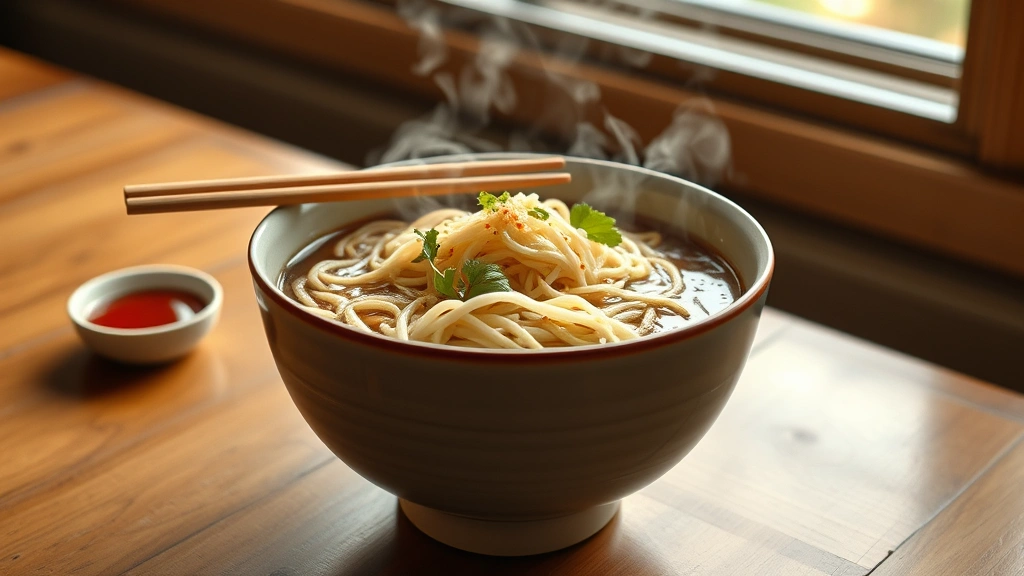
Buckwheat noodles, or soba, are a delightful departure from traditional wheat pasta—nutty, slightly earthy, and wonderfully versatile. This guide will walk you through creating the perfect buckwheat noodles from scratch, whether you’re a seasoned cook or trying this technique for the first time. These Japanese-inspired noodles are naturally gluten-free and packed with protein, making them an excellent choice for anyone looking to expand their culinary repertoire.
The beauty of buckwheat noodles lies in their simplicity and the way they absorb flavors beautifully. Unlike regular pasta, soba has a delicate texture that requires a bit of care during cooking, but once you master the technique, you’ll find yourself making them regularly. Whether you’re serving them chilled with a dipping sauce or in a warm broth, these noodles deliver authentic Japanese flavor to your home kitchen.
Making noodles from scratch might seem intimidating, but it’s actually quite forgiving. The dough comes together quickly, and the kneading process is meditative and enjoyable. I love the therapeutic nature of pasta-making—it’s one of those recipes that connects us to culinary traditions spanning centuries. The ratio of buckwheat flour to wheat flour is crucial for achieving the right texture; too much buckwheat and your noodles become brittle, while too little and you lose that characteristic nutty flavor.
Before you begin, gather all your ingredients and equipment. You’ll want a good pasta maker or a sharp knife for cutting if you’re going the manual route. The key to success is patience during the resting periods—these allow the gluten to develop properly and make the dough much easier to work with. Once you’ve mastered this basic technique, you can experiment with variations, adding ingredients like spinach or sesame seeds for visual appeal and added nutrition.
Serving these noodles is where the real fun begins. Pair them with a classic dipping sauce for an authentic experience, or toss them with vegetables and proteins for a complete meal. The versatility of buckwheat noodles means you can incorporate them into various cuisines—try them in a warm soup, cold salads, or stir-fries. For a complete meal pairing, consider what proteins and vegetables you have on hand.
This recipe yields about 4 servings, though if you’re making noodles from scratch, you might want to double the batch since the process is time-intensive. Homemade soba has a tender, slightly chewy texture that’s superior to most dried varieties you’ll find in stores. The freshness of homemade noodles is truly remarkable, and your guests will be impressed by your dedication to authentic cooking. Learn more about complementary protein preparations to round out your meal. For expert tips on technique, check out Serious Eats, and for international variations, Bon Appétit offers wonderful inspiration. The New York Times cooking section also features excellent noodle recipes and techniques worth exploring.
Ingredients
- 1 cup buckwheat flour
- ½ cup all-purpose wheat flour
- ½ teaspoon fine sea salt
- ¾ cup water, plus more as needed
- 2 tablespoons potato starch or cornstarch, for dusting
- Salt for boiling water
Instructions
- In a large mixing bowl, combine buckwheat flour, all-purpose flour, and fine sea salt. Whisk together until well combined and no lumps remain.
- Create a well in the center of the flour mixture by pushing the flour toward the sides of the bowl.
- Slowly pour the water into the well, stirring with a fork to gradually incorporate the flour from the sides into the water.
- Continue mixing until a shaggy dough forms. If the dough seems too dry, add water one tablespoon at a time. If too wet, add a bit more buckwheat flour.
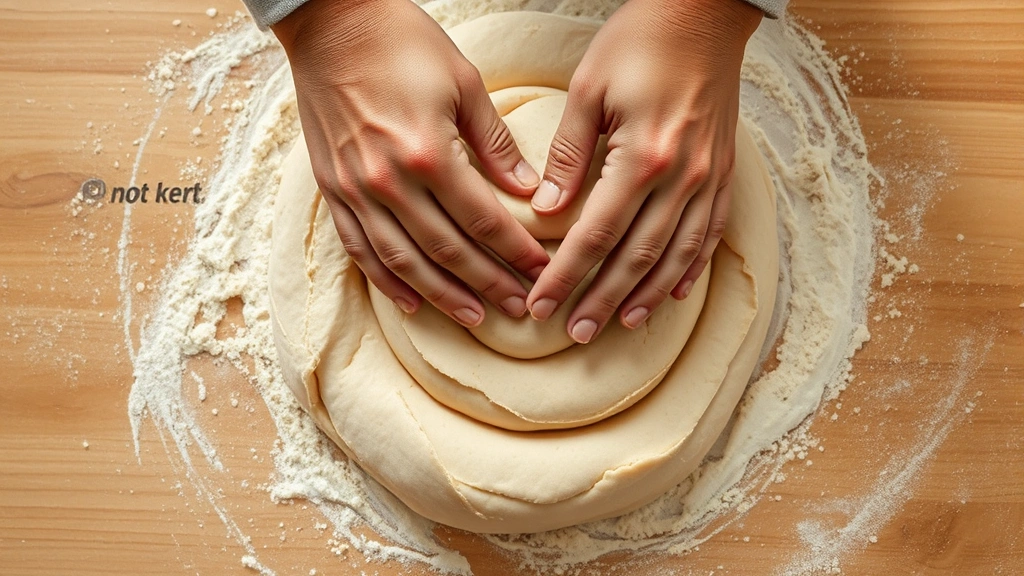
- Transfer the dough to a lightly floured work surface and knead for about 5 minutes until the dough becomes smooth and elastic. It should feel slightly firmer than bread dough.
- Wrap the dough in plastic wrap or cover with an inverted bowl and let it rest at room temperature for 30 minutes. This resting period is crucial for gluten development.
- After resting, divide the dough into two equal portions. Work with one portion at a time, keeping the other covered.
- Lightly dust your work surface with potato starch. Using a rolling pin, roll out the first portion of dough to about ⅛-inch thickness, working from the center outward.
- Dust the top of the rolled dough with more potato starch to prevent sticking.
- Carefully fold the dough in thirds, then roll it out again to ⅛-inch thickness. Repeat this process two more times to create thin, even noodles.
- Once the dough is thin and uniform, carefully roll it up like a log starting from one end.
- Using a very sharp knife, cut the rolled dough into thin noodles, approximately ⅛-inch wide. Work quickly and use smooth, downward strokes rather than sawing motions.
- Gently unroll the noodles and place them on a parchment-lined baking sheet, dusting generously with potato starch to prevent clumping.
- Bring a large pot of salted water to a rolling boil. The water should taste like seawater.
- Carefully add the buckwheat noodles to the boiling water, stirring gently to separate them.
- Return the water to a boil and cook for 3 to 4 minutes, until the noodles are tender but still have a slight chew. Do not overcook, as soba becomes mushy quickly.
- Drain the noodles in a fine-mesh strainer and immediately rinse under cold running water while gently stirring with your fingers to stop the cooking process and remove excess starch.
- If serving cold, place the drained noodles on a clean kitchen towel to absorb any excess moisture. If serving warm, transfer directly to serving bowls with your chosen sauce or broth.
Pro Tips
Potato starch is preferred over regular flour for dusting because it doesn’t incorporate into the dough as readily and creates a better non-stick surface. You can find it in the baking aisle or Asian grocery sections.
Resting the dough allows the gluten network to develop, making it much easier to roll and cut. Don’t skip this step, as it makes a significant difference in the final texture.
When cooking fresh soba noodles, timing is critical. They cook much faster than dried pasta. Start checking at 3 minutes and taste for doneness. Properly cooked soba should be tender with a slight firmness in the center.
Traditional serving methods include cold soba with a dipping sauce (tsuyu) made from dashi, soy sauce, and mirin, or warm soba in a simple broth. You can also toss finished noodles with sesame oil, soy sauce, and vegetables for a simple salad.
If you’re making these noodles ahead, you can store uncooked fresh soba in the refrigerator for up to 2 days on a parchment-lined baking sheet, loosely covered. Cooked noodles are best served immediately but can be refrigerated for up to 2 days and reheated gently.
For a more rustic approach, you can hand-cut the noodles instead of using a pasta machine. Simply fold the rolled dough into thirds and cut with a sharp knife. The thickness might vary slightly, but the rustic charm is part of the appeal.
Experiment with the dough hydration based on your flour’s absorption rate. Humidity and flour type can affect how much water you need. Start with ¾ cup and adjust gradually.
Make extra dough and freeze portions for later use. Wrap tightly in plastic wrap and freeze for up to 1 month. Thaw at room temperature before using.
The nuttiness of buckwheat pairs beautifully with Asian flavors like ginger, garlic, sesame, and scallions, but don’t be afraid to experiment with Western preparations as well.