
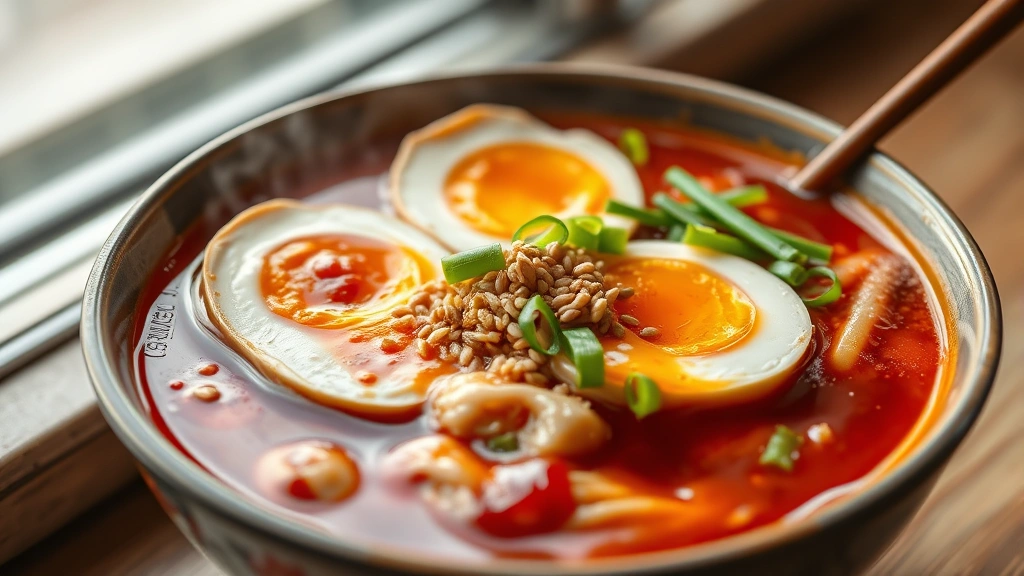
Spicy Buldak Ramen is a fiery Korean sensation that brings authentic heat and incredible flavor right to your kitchen! This creamy, spicy noodle dish has taken the world by storm, and once you master this recipe, you’ll understand why. The combination of gochujang, gochugaru, and a touch of sweetness creates an addictive sauce that coats perfectly chewy ramen noodles.
This isn’t just about turning up the heat—it’s about layering complex flavors that dance on your palate. The chicken, whether you use shredded rotisserie or pan-seared breast, provides protein and substance, while the creamy broth mellows the spice just enough to keep you coming back for more bites. What makes this version special is the balance: we’re not going for one-note heat, but rather a sophisticated blend of spicy, savory, slightly sweet, and umami-rich tastes.
I first fell in love with Buldak Ramen at a small Korean restaurant in Los Angeles, and I spent months perfecting my homemade version. The key is using quality gochujang and gochugaru, not settling for generic red pepper flakes. If you’re new to Korean cooking, this recipe is your perfect entry point into a world of incredible flavors. The beauty of this dish is its versatility—you can adjust the heat level to your preference, add vegetables, swap proteins, or even make it vegetarian.
Whether you’re meal prepping for the week, craving comfort food on a chilly evening, or want to impress friends with your culinary skills, this Buldak Ramen recipe delivers every single time. Serve it with a cold glass of milk or a refreshing beverage, and prepare yourself for an unforgettable experience. This recipe serves 2-3 people generously and takes less than 30 minutes from start to finish, making it perfect for busy weeknights or lazy weekends.
For more Korean-inspired dishes and flavor combinations, check out our Best Hailey Bieber Smoothie Recipe for refreshing post-meal beverages. You might also enjoy exploring Quick Easy PB2 Protein Shake Recipe for protein-packed options. If you’re interested in other Asian noodle dishes, these complementary recipes round out your culinary repertoire perfectly.
Looking to understand more about heat levels in cooking? Serious Eats offers excellent resources on spice management and Bon Appétit features amazing Korean cuisine explorations. For professional technique guidance, New York Times Cooking provides comprehensive cooking instruction. You can also explore similar comfort noodle recipes through our Best Ninja Creami Ice Cream Recipe for dessert pairings and Best Lemon Sorbet Recipe for cooling accompaniments after this spicy meal.
Ingredients
- 8 ounces ramen noodles (fresh or dried)
- 2 tablespoons gochujang (Korean red chili paste)
- 1 tablespoon gochugaru (Korean red chili flakes)
- 2 tablespoons butter, divided
- 3 cloves garlic, minced
- 1 tablespoon soy sauce
- 1 tablespoon sesame oil
- 1 tablespoon brown sugar or honey
- 1 teaspoon rice vinegar
- 6 cups chicken or vegetable broth
- 1 cup shredded cooked chicken (rotisserie or pan-seared)
- 2 green onions, sliced
- 1 teaspoon sesame seeds
- 2 eggs
- 1 cup mushrooms, sliced (optional)
- Salt and pepper to taste
- Crushed peanuts for garnish (optional)
- Fresh cilantro for garnish (optional)

Instructions
- Bring a large pot of water to a boil. Add ramen noodles and cook according to package directions until al dente, usually 3-4 minutes for fresh or 4-5 minutes for dried. Drain and set aside, tossing with a light drizzle of sesame oil to prevent sticking.
- In a large saucepan, melt 1 tablespoon of butter over medium heat. Add minced garlic and sauté for about 30 seconds until fragrant and golden, being careful not to burn it.
- Add gochujang to the pan and stir constantly for about 1-2 minutes, allowing the paste to caramelize slightly and deepen in color. This step is crucial for developing rich, complex flavors.
- Add the remaining 1 tablespoon of butter to the pan, then stir in gochugaru, soy sauce, sesame oil, brown sugar, and rice vinegar. Mix thoroughly until all ingredients are combined and the sauce is glossy.
- Pour in the broth slowly while stirring constantly to ensure there are no lumps of gochujang remaining. Bring the mixture to a gentle simmer, then reduce heat to medium-low and let it simmer for 3-4 minutes to allow flavors to meld.
- While the broth simmers, prepare the eggs. In a small saucepan, bring water to a boil and carefully add eggs. Cook for 6-7 minutes for soft-boiled eggs with runny yolks, or 8-9 minutes for firmer yolks, depending on your preference.
- If using fresh mushrooms, quickly sauté them in a small pan with a touch of butter and salt until golden brown, about 3-4 minutes. This adds depth and umami to the final dish.
- Add the cooked ramen noodles and shredded chicken to the simmering broth. Stir gently to coat the noodles evenly with the spicy sauce, ensuring every strand gets that delicious flavor.
- Let everything simmer together for 1-2 minutes, allowing the noodles to absorb some of the flavorful broth and the chicken to warm through completely.
- Taste the broth and adjust seasonings as needed. Add more salt if it’s too bland, more gochugaru if you want more heat, or a touch more sugar if it’s too spicy.
- Divide the ramen and broth between bowls, making sure to distribute the noodles and chicken evenly among servings.
- Top each bowl with a soft-boiled egg cut in half, sautéed mushrooms if using, sliced green onions, sesame seeds, and any other desired garnishes like crushed peanuts or fresh cilantro.
- Serve immediately while hot, and prepare yourself for an explosion of flavors with every spoonful. Enjoy this incredible spicy sensation!
Pro Tips
Heat Level Customization: If you’re sensitive to spice, start with 1 tablespoon of gochujang and 1/2 tablespoon of gochugaru, then adjust upward. Those who love extreme heat can double both quantities. Remember, you can always add more heat, but you can’t remove it.
Broth Preparation: Homemade broth yields superior results to store-bought, but quality store-bought broth works perfectly fine for weeknight cooking. For deeper flavor, simmer your broth with dried shiitake mushrooms, kombu seaweed, or chicken bones for 20 minutes before straining.
Noodle Selection: Fresh ramen noodles create a silkier texture than dried, but both work beautifully in this recipe. Some Asian markets carry fresh ramen; if unavailable, quality dried ramen noodles from Korean or Japanese brands are excellent alternatives.
Protein Options: Shredded rotisserie chicken is convenient and delicious, but you can also pan-sear chicken breasts, use ground chicken, add tofu for vegetarian versions, or include shrimp for seafood variation.
Vegetable Additions: Beyond mushrooms, consider adding thinly sliced carrots, corn kernels, baby bok choy, spinach, or bean sprouts. Add delicate vegetables in the last minute of cooking to preserve texture and nutrients.
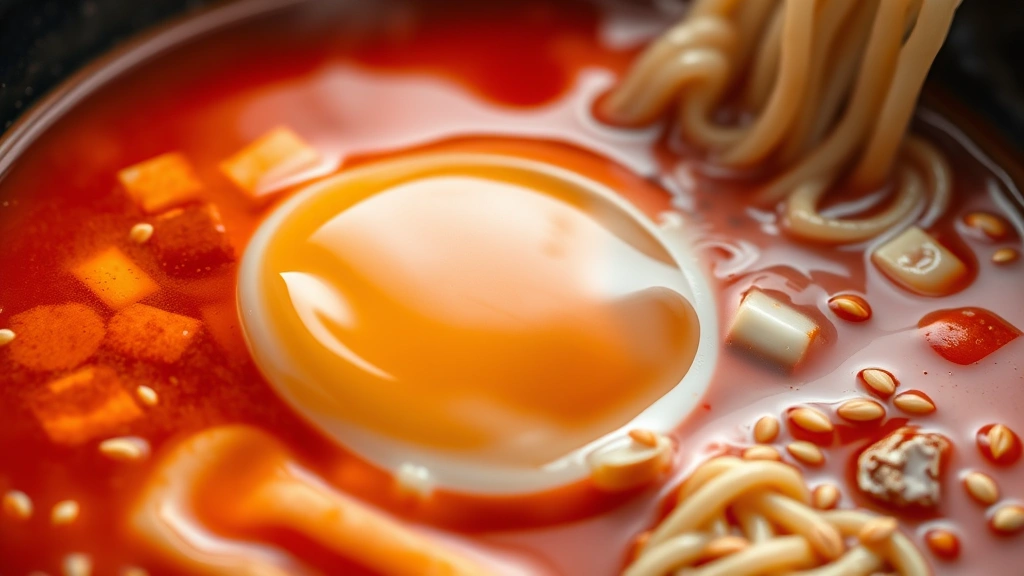
Egg Preparation: Soft-boiled eggs with runny yolks add richness and creaminess to each bite. If you prefer harder yolks, simply cook longer. You can also use poached eggs or even a raw egg yolk stirred into the hot broth.
Make-Ahead Tips: Prepare the sauce components in advance and store separately. Cook noodles fresh just before serving for best texture. You can prep vegetables and protein the day before, making this an excellent meal prep option.
Creamy Version: For extra creaminess similar to restaurant versions, add 1/2 cup heavy cream or coconut milk after adding the broth. This mellows the spice while adding luxurious texture.
Leftover Storage: Store cooled Buldak Ramen in an airtight container for up to three days. Reheat gently on the stovetop with additional broth, as the noodles absorb liquid over time.
Beverage Pairing: Serve with cold milk, ice cream, or a refreshing drink to cool the palate between bites. Avoid very hot beverages as they intensify the spice.
Serving Style: Serve in deep bowls with plenty of broth. Include extra sauce on the side for those who want to adjust spice levels to their preference.