
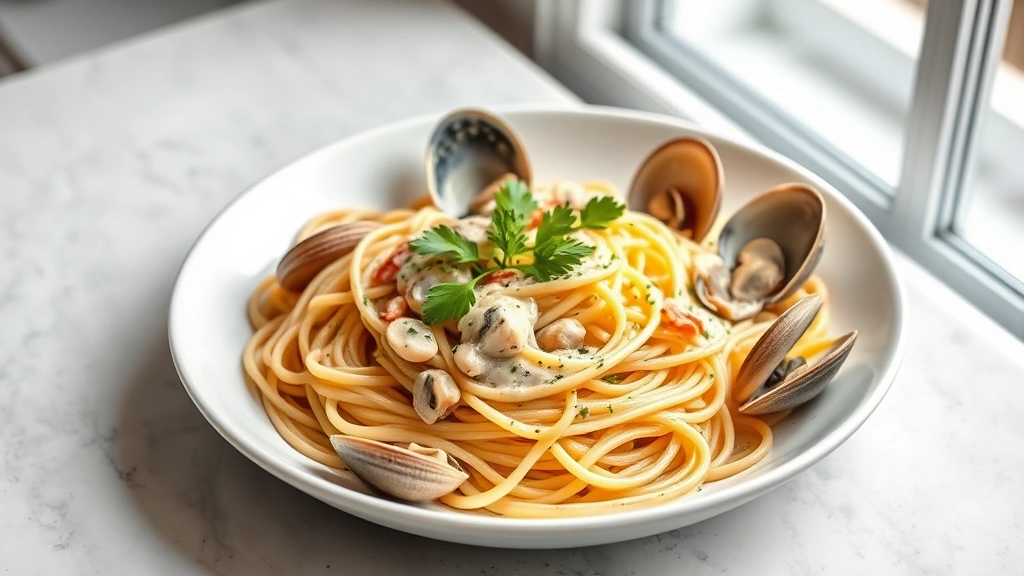
There’s something absolutely magical about a bowl of perfectly executed clam pasta—it’s elegant, it’s restaurant-quality, and yet it’s surprisingly simple to make at home. This clam pasta recipe brings together the briny sweetness of fresh clams with garlic, white wine, and a touch of butter to create a sauce that’s both light and deeply satisfying. Whether you’re cooking for a special occasion or just want to treat yourself to something special on a Tuesday night, this dish delivers every single time.
I absolutely love making clam pasta because it feels fancy but requires minimal ingredients and surprisingly little fuss. The key to the tastiest clam pasta is using fresh, quality clams and not overthinking the preparation. You want the natural flavor of the clams to shine through, which is why we keep the sauce relatively simple with just garlic, white wine, fresh parsley, and a pinch of red pepper flakes for subtle heat.
The beauty of this recipe is that it comes together in about 30 minutes, making it perfect for weeknight dinners or when you want to impress guests without spending all day in the kitchen. I’ve tested this recipe countless times, and I can promise you that following these steps will result in the most tender, flavorful clams and a sauce that tastes like you’ve been cooking all day.
Before we dive in, I want to mention that this recipe pairs beautifully with other Italian-inspired dishes. If you’re planning a full Italian dinner, consider serving this alongside a fresh salad or some crusty bread to soak up every last drop of sauce. And if you’re looking for other pasta inspiration, check out my pearl couscous recipe for a different take on Mediterranean flavors.
For more detailed techniques on cooking with wine and seafood, I highly recommend checking out Serious Eats’ seafood guide and Bon Appétit’s pasta collection for additional inspiration. The New York Times Cooking section also has wonderful resources on selecting and preparing fresh clams. And if you want to elevate your dinner even further, my green bean and bacon recipe makes an absolutely divine side dish that complements clam pasta beautifully.
Ingredients
- 1 pound fresh littleneck clams, cleaned and rinsed
- 1 pound linguine or spaghetti pasta
- 1/4 cup extra virgin olive oil
- 6 cloves garlic, minced
- 1/2 teaspoon red pepper flakes (optional)
- 3/4 cup dry white wine
- 1/2 cup reserved pasta water
- 4 tablespoons unsalted butter
- 1/4 cup fresh Italian parsley, finely chopped
- Zest of 1 lemon
- 2 tablespoons fresh lemon juice
- Salt and freshly ground black pepper to taste
- Parmesan cheese for serving (optional)
Instructions
- Bring a large pot of salted water to a boil. The water should taste like the sea—this is your only opportunity to season the pasta itself. Add the linguine and cook according to package directions until al dente, about 9-11 minutes. Before draining, reserve 1/2 cup of the pasta cooking water, then drain the pasta and set aside.
- While the pasta cooks, prepare your clams by scrubbing them under cold running water with a stiff brush to remove any sand or debris. Discard any clams with broken shells or those that don’t close when tapped. This step is crucial for ensuring a grit-free final dish.
- Heat the olive oil in a large, deep skillet over medium heat. Once the oil is shimmering and fragrant, add the minced garlic and red pepper flakes if using. Cook for about 1-2 minutes, stirring frequently, until the garlic becomes fragrant but not browned. Burnt garlic will make your sauce bitter, so keep the heat at medium.
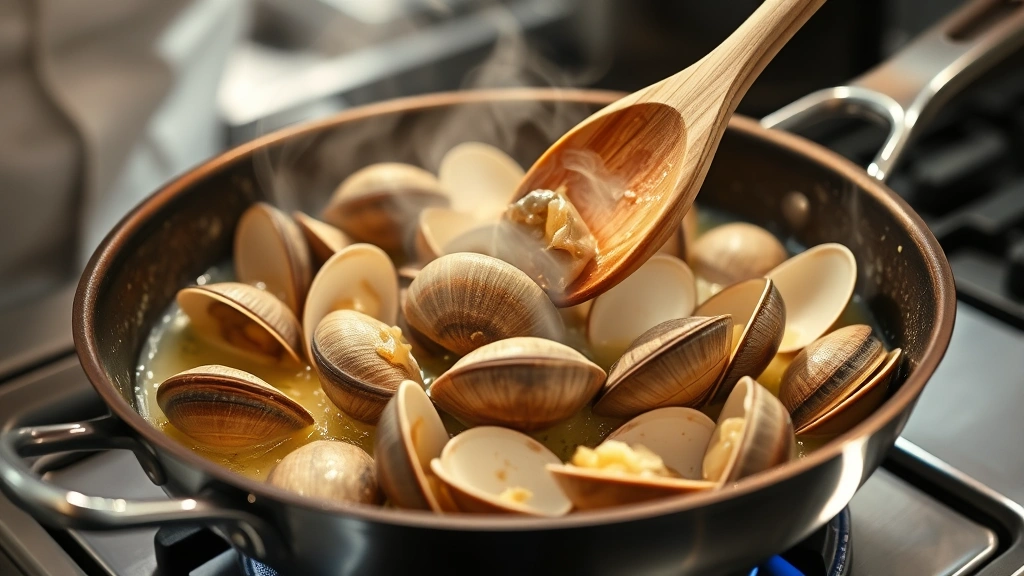
- Carefully add the cleaned clams to the skillet, arranging them in a single layer if possible. Pour in the dry white wine, which will help steam the clams open and create the base of your sauce. Increase the heat to medium-high and cover the skillet with a lid.
- Cook the clams for 5-7 minutes, shaking the pan occasionally, until the shells begin to open. As each clam opens, carefully remove it with tongs and transfer it to a clean bowl. Discard any clams that haven’t opened after 8 minutes of cooking.
- Once all the clams have opened, strain the cooking liquid through a fine-mesh sieve lined with cheesecloth to remove any sand, then return the strained liquid to the skillet. Add 2 tablespoons of the butter to the skillet and whisk until melted and combined with the wine reduction.
- Remove the clams from their shells, leaving a few in their shells for garnish if desired. Add the shelled clams back to the skillet with the sauce, along with the reserved pasta water and the lemon juice. Stir in the remaining 2 tablespoons of butter and let everything simmer together for 2-3 minutes.
- Taste the sauce and adjust the seasoning with salt and freshly ground black pepper. Remember that the clams release salt into the sauce, so taste before adding too much salt. Add the cooked pasta directly to the skillet with the clam sauce.
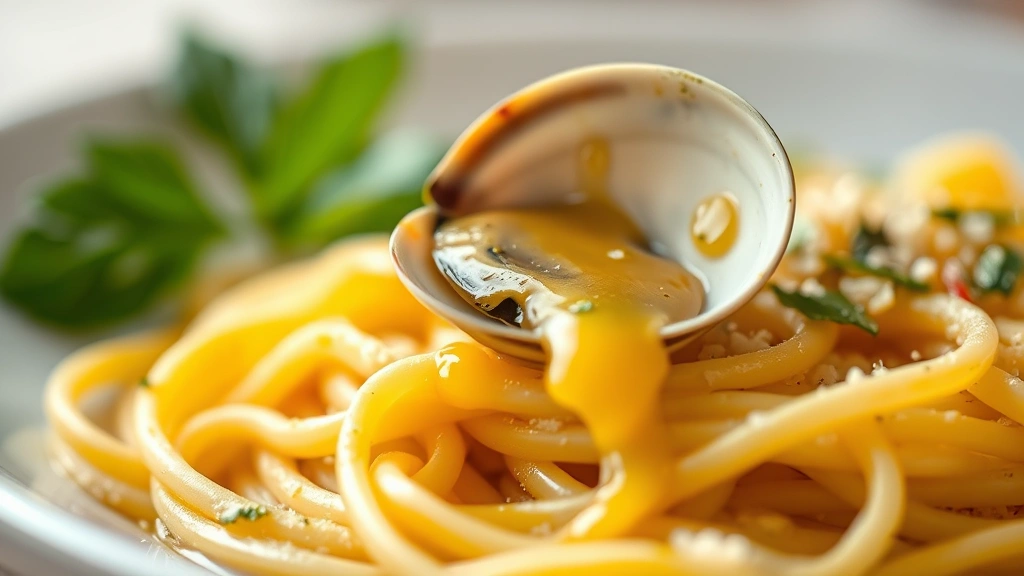
- Toss the pasta and clam sauce together gently but thoroughly, ensuring every strand of pasta is coated with the silky sauce. The pasta water we reserved earlier helps create a cohesive sauce that clings to the pasta beautifully.
- Remove from heat and stir in the fresh parsley and lemon zest, which add brightness and freshness to the finished dish. Divide the clam pasta among serving bowls, making sure each portion has plenty of clams and sauce.
- Serve immediately while hot, garnishing with additional fresh parsley and a light drizzle of quality olive oil. Add Parmesan cheese if desired, though traditionalists often skip it with seafood pasta to let the clam flavors shine.
Pro Tips
- The most important factor for the tastiest clam pasta is using the freshest clams possible. Buy them the day you plan to cook and keep them on ice until ready to use. Fresh clams should smell briny and oceanic, never fishy.
- Don’t be alarmed if some clams don’t open during cooking—this is normal. Always discard unopened clams as they may not be safe to eat. Similarly, if a clam smells off or seems different from the others, trust your instincts and discard it.
- The pasta water is absolutely essential to this recipe. It contains starch that helps emulsify the sauce and makes it cling beautifully to the pasta. This is why we always reserve it before draining.
- For the white wine, choose a dry wine you would actually drink. Avoid cooking wines as they often contain added salt and preservatives. A crisp Pinot Grigio, Sauvignon Blanc, or Vermentino works beautifully.
- If you prefer a slightly creamier sauce, you can add a splash of heavy cream or a dollop of crème fraîche in the final step. However, the traditional preparation relies on the butter and pasta water to create a silky emulsion.
- Red pepper flakes are optional but highly recommended. They add a subtle warmth that enhances the briny sweetness of the clams without overpowering them.
- This dish is best served immediately after combining the pasta with the sauce. The pasta will continue to absorb liquid as it sits, so timing is important for achieving the perfect consistency.
- Littleneck clams are ideal for this recipe because they’re large enough to handle easily and have excellent flavor. Manila clams work well too if littlenecks aren’t available, though they’re smaller and may cook faster.
- If you want to make this recipe ahead, you can prepare the clam sauce completely and refrigerate it for up to 24 hours. Simply reheat gently and toss with freshly cooked pasta just before serving.
- For extra elegance, leave a few clams in their shells as garnish. This looks stunning and gives guests a nice visual cue about what they’re eating.
- Lemon is crucial to brightening this dish. If you skip the lemon, the pasta will taste flat. The acidity cuts through the richness of the butter and complements the briny clams perfectly.