
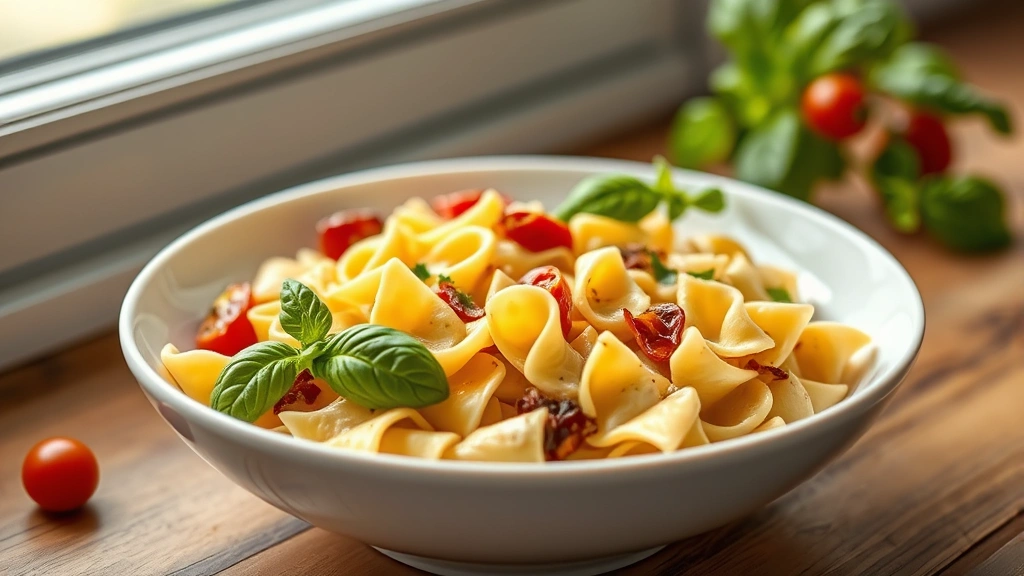
Farfalle pasta, with its charming bow-tie shape, is one of the most delightful pasta varieties to cook with at home. This beautiful pasta isn’t just pretty to look at—it’s incredibly versatile and holds sauce beautifully in its ridged wings. Whether you’re planning a quick weeknight dinner or impressing guests at your next dinner party, this farfalle pasta recipe delivers restaurant-quality results in under 30 minutes.
The secret to the BEST farfalle pasta dish lies in a few simple principles: using quality ingredients, cooking your pasta to al dente perfection, and building layers of flavor in your sauce. I love pairing farfalle with creamy sauces, fresh tomato-based preparations, or light olive oil and herb combinations. The bow-tie shape catches and clings to sauce beautifully, making every bite flavorful and satisfying.
What makes this recipe so special is its simplicity combined with incredible taste. You don’t need fancy techniques or hard-to-find ingredients to create something truly delicious. This is the kind of dish that comes together quickly but tastes like you spent hours in the kitchen. It’s perfect for busy weeknights when you want something homemade and comforting.
I’ve been making farfalle pasta for years, and I’ve perfected the technique to ensure you get perfect results every single time. From selecting the right pasta to creating a silky, flavorful sauce, I’m sharing all my secrets in this comprehensive guide. You’ll learn how to cook farfalle so it’s perfectly tender yet still has that ideal al dente bite, and how to build a sauce that coats every precious bow-tie piece.
This recipe serves four people as a main course, though you can easily double it for a crowd. The total cooking time is just 20 minutes, making it ideal for those nights when you need dinner on the table fast. Pair it with a simple salad and some crusty bread for a complete meal that tastes far more impressive than the minimal effort required. Once you master this basic farfalle pasta technique, you’ll find yourself making it regularly—it’s that good!
For variations, try pairing your farfalle with a creamy cheese sauce or serving alongside fresh crack slaw for a delightful contrast. You can also prepare homemade pickles to serve on the side for added brightness and tang. For more sophisticated flavor combinations, check out Bon Appétit’s guide to classic pasta preparations and Serious Eats’ comprehensive pasta collection. The New York Times also offers wonderful farfalle pasta inspiration to explore different sauce pairings.
Ingredients
- 1 pound farfalle pasta (bow-tie pasta)
- Salt for pasta water
- 4 tablespoons unsalted butter
- 4 cloves garlic, minced
- 1 cup heavy cream
- ½ cup whole milk
- ½ cup grated Parmesan cheese
- ¼ cup fresh basil, chopped
- 2 tablespoons fresh parsley, chopped
- Zest of 1 lemon
- Black pepper to taste
- ½ teaspoon red pepper flakes (optional)
- 2 tablespoons olive oil
- ½ cup sun-dried tomatoes, chopped
- ¼ cup pine nuts (optional)
- Fresh lemon juice (about 1 tablespoon)
Instructions
- Bring a large pot of salted water to a rolling boil. The water should taste like the sea—this is your only opportunity to season the pasta itself.
- Add the farfalle pasta to the boiling water, stirring occasionally to prevent sticking.
- Cook the pasta for 8-10 minutes, aiming for al dente texture with a slight firmness when you bite into it. Check the package directions and begin testing one minute before the recommended time.
- While the pasta cooks, heat 2 tablespoons of olive oil in a large skillet over medium heat.
- Add the minced garlic to the warm oil, stirring constantly for about 30 seconds until fragrant. Be careful not to let it brown.
- Add the chopped sun-dried tomatoes to the skillet and cook for 1 minute, allowing the flavors to infuse into the oil.
- Pour in the heavy cream and milk, stirring gently to combine. Bring to a gentle simmer over medium heat.
- Add the butter to the cream sauce, stirring until completely melted and incorporated.
- Reduce the heat to medium-low and stir in the grated Parmesan cheese, mixing until the sauce is smooth and creamy.
- Season the sauce with black pepper, red pepper flakes if using, and a pinch of salt to taste.
- Drain the cooked farfalle pasta, reserving about ½ cup of pasta water for adjusting the sauce consistency.
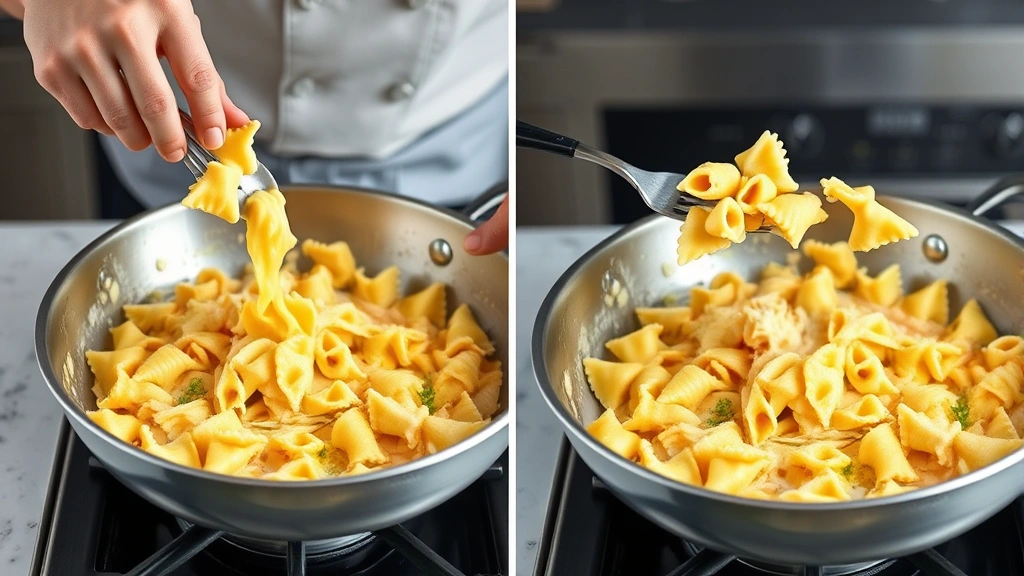
- Add the drained farfalle to the cream sauce, tossing gently to coat all the pasta pieces evenly.
- If the sauce seems too thick, add reserved pasta water one tablespoon at a time until you reach the desired consistency.
- Remove from heat and stir in the fresh basil, parsley, and lemon zest.
- Add the fresh lemon juice, stirring to incorporate the bright citrus flavor throughout.
- Divide the farfalle pasta among serving bowls and top with pine nuts if using.
- Serve immediately while hot, garnished with additional fresh parsley and Parmesan cheese.

Pro Tips
- Pasta water is liquid gold in Italian cooking—it contains starch that helps emulsify sauces and creates a silky coating on the pasta. Always reserve some before draining.
- Al dente pasta should have a slight resistance when you bite it, not soft or mushy. This texture improves as the pasta sits in sauce, so aim for slightly firm when cooking.
- The quality of your Parmesan cheese matters significantly. Use freshly grated Parmigiano-Reggiano rather than pre-grated versions, which contain anti-caking agents that affect texture.
- This recipe is a classic creamy preparation, but you can easily adapt it. Try replacing the sun-dried tomatoes with fresh cherry tomatoes, mushrooms, or spinach for different flavor profiles.
- Don’t add cold cream directly to a hot pan—this can cause it to curdle. Always bring cream-based sauces to a gentle simmer rather than a boiling roll.
- Lemon zest adds brightness and complexity without adding liquid. Use a microplane or fine grater for the best texture and flavor distribution.
- Make this dish vegetarian-friendly by ensuring your Parmesan is made with vegetable rennet, or substitute with Pecorino Romano for a sharper flavor.
- Pine nuts add wonderful texture and richness, but they can be pricey. Toasted walnuts or almonds work beautifully as more budget-friendly alternatives.
- Store leftovers in an airtight container in the refrigerator for up to 3 days. Reheat gently on the stovetop with a splash of milk or cream to restore the sauce’s silky texture.
- For a lighter version, replace heavy cream with a combination of Greek yogurt and milk, though the sauce won’t be quite as luxurious.
- Farfalle’s shape makes it perfect for catching and holding sauce. Other pasta shapes that work similarly include penne, rigatoni, and rotelle (wagon wheels).
- Fresh herbs are essential to this recipe’s success. If using dried herbs, cut the amounts in half as they’re more concentrated in flavor.
- Add protein easily by incorporating grilled chicken, crispy bacon, or sautéed shrimp into the finished dish.