
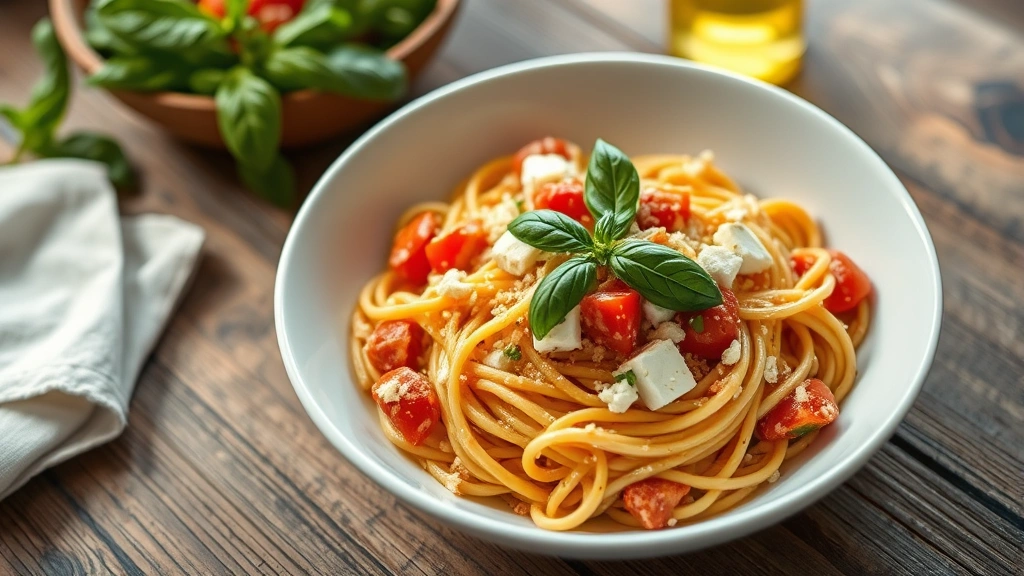
There’s something absolutely magical about the simplicity of a great feta tomato pasta. This Mediterranean-inspired dish celebrates fresh, quality ingredients and comes together in under 30 minutes, making it perfect for weeknight dinners or elegant entertaining. The creamy feta cheese melts into a luxurious sauce with burst tomatoes, garlic, and fresh basil, creating layers of flavor that taste far more complicated than they actually are.
What makes this recipe so special is how the heat from the pasta creates a silky sauce with the feta cheese, while the tomatoes break down into a light, bright base. There’s no heavy cream needed here—just good olive oil, fresh tomatoes, quality feta, and a few aromatics. It’s the kind of dish that reminds you why Italian and Greek cuisines have stood the test of time. Whether you’re serving this to family on a Tuesday night or impressing guests at your next dinner party, this feta tomato pasta delivers restaurant-quality results every single time.
The beauty of this recipe lies in its flexibility. You can use fresh herbs like basil and oregano to customize the flavor profile to your preferences. Some people love adding a pinch of red pepper flakes for heat, while others prefer keeping it purely herbaceous and fresh. You can also make this dish your own by incorporating vegetables like roasted vegetables or adding proteins like grilled chicken or shrimp for a heartier meal.
I’ve made this recipe dozens of times, and it never disappoints. The key is using the best quality ingredients you can find—ripe, flavorful tomatoes, creamy Greek feta cheese, and excellent extra virgin olive oil. These simple components transform into something truly spectacular when treated with care and attention. This is comfort food elevated, and once you master this technique, you’ll find yourself making it again and again.
For more Mediterranean pasta inspiration, check out our flavorful pasta dishes and don’t miss our other Mediterranean recipes. Looking for side dish ideas? Our fresh bread recipes pair beautifully with this pasta. For more pasta sauce techniques, visit Bon Appétit’s pasta collection and Serious Eats’ comprehensive pasta guide.
Ingredients
- 1 pound fresh pasta (or 12 ounces dried pasta like penne or rigatoni)
- 3 tablespoons extra virgin olive oil, divided
- 6 cloves garlic, minced
- 2 pounds fresh tomatoes (about 8-10 medium tomatoes), halved, or 2 cans (28 ounces each) crushed San Marzano tomatoes
- 1 teaspoon kosher salt
- ½ teaspoon freshly ground black pepper
- ¼ teaspoon red pepper flakes (optional, for heat)
- 1 cup crumbled feta cheese (about 5 ounces), preferably Greek feta
- ½ cup fresh basil leaves, plus more for garnish
- ¼ cup fresh oregano leaves (or 1 tablespoon dried oregano)
- 2 tablespoons fresh lemon juice
- Pasta water (about ½ cup reserved)
- Parmesan cheese for serving (optional)
- Sea salt for finishing
Instructions
- Bring a large pot of salted water to a rolling boil. The water should taste like the sea—this is your only opportunity to season the pasta itself. Add pasta and cook according to package directions until al dente, about 2-3 minutes for fresh pasta or 9-11 minutes for dried pasta. Reserve about ½ cup of pasta water before draining.
- While the pasta cooks, heat 2 tablespoons of olive oil in a large, shallow skillet or Dutch oven over medium heat. Once the oil is shimmering and fragrant, add the minced garlic and sauté for about 1-2 minutes, stirring constantly, until it becomes fragrant but not browned. Burnt garlic tastes bitter, so watch carefully.
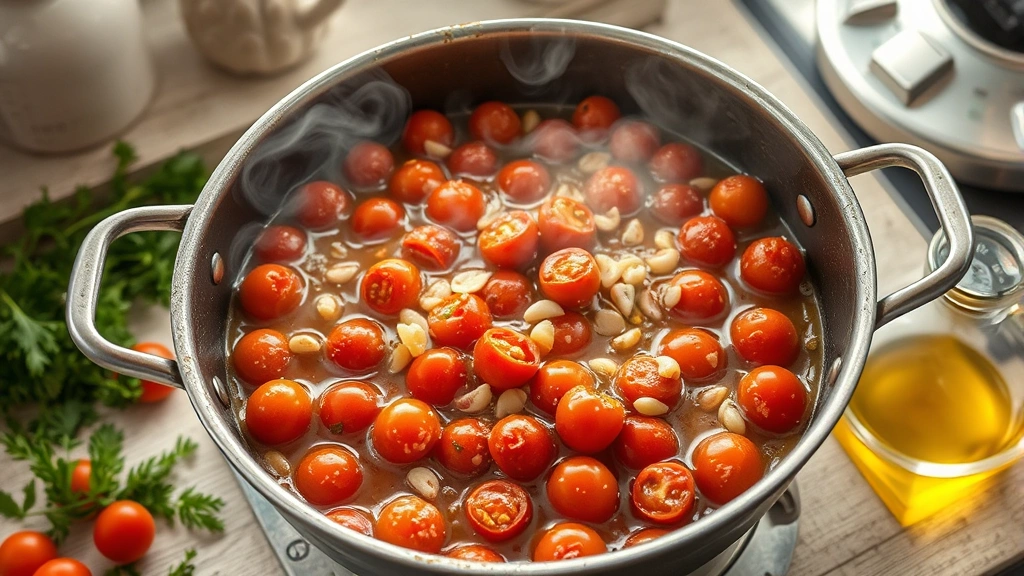
- Add the fresh tomatoes (if using fresh) to the skillet with the garlic. If using canned tomatoes, add them now along with their juices. Stir well to combine. The tomatoes will begin to break down and release their juices.
- Season the tomato mixture with kosher salt, black pepper, and red pepper flakes if using. Stir to combine. Allow the sauce to simmer over medium heat for about 8-10 minutes, stirring occasionally. The tomatoes should soften and start to break down into a light sauce. If using fresh tomatoes, some will burst and create a beautiful chunky sauce.
- While the sauce simmers, roughly tear the fresh basil leaves and finely chop the fresh oregano (if using fresh). Set aside. Squeeze the lemon juice into a small bowl and reserve.
- Once the pasta is cooked and drained, add it directly to the tomato sauce. Pour in about ¼ cup of the reserved pasta water. Toss gently to combine, allowing the starchy pasta water to create a silky consistency.
- Remove the skillet from heat. Scatter the crumbled feta cheese over the top of the pasta mixture. Add the fresh basil, oregano, and the remaining 1 tablespoon of olive oil. Drizzle with the fresh lemon juice.
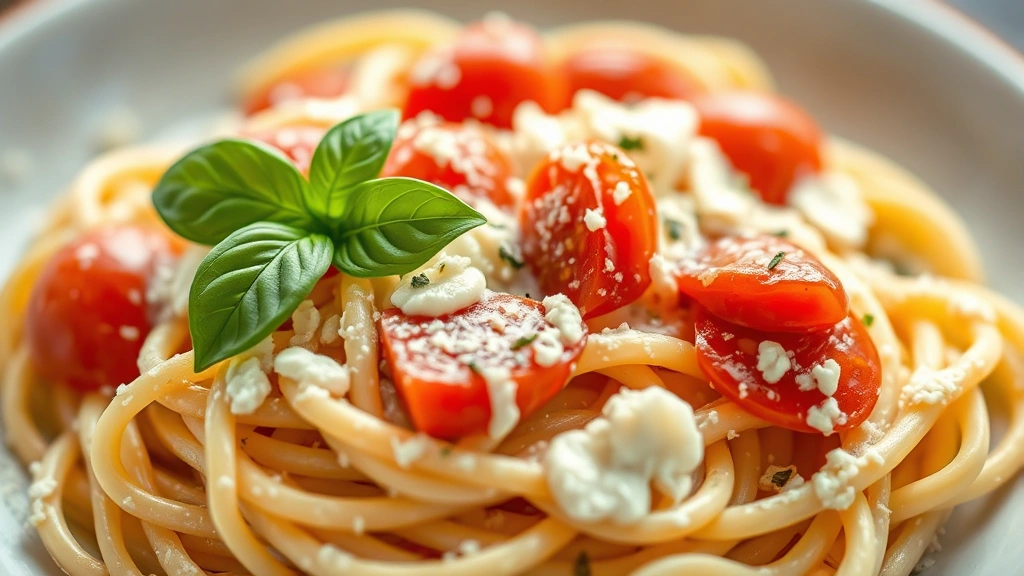
- Gently toss the pasta, allowing the residual heat to slightly soften the feta cheese while keeping some chunks intact for that creamy, luxurious texture. The feta will begin to melt and create a dreamy sauce. If the pasta seems too thick, add more pasta water, a tablespoon at a time, until you reach your desired consistency.
- Taste and adjust seasonings with additional salt, pepper, or lemon juice as needed. The dish should be bright, balanced, and delicious.
- Divide the pasta among bowls or plates. Garnish generously with additional fresh basil, a drizzle of excellent olive oil, and freshly grated Parmesan cheese if desired. Serve immediately while warm, finishing each bowl with a pinch of fleur de sel or sea salt for extra dimension.
Pro Tips
PASTA WATER IS ESSENTIAL: Never discard your pasta water! The starchy liquid is crucial for creating a silky sauce that clings to the pasta. Start with ¼ cup and add more gradually if needed. This technique, called “mantecatura,” is key to professional-quality pasta dishes.
FRESH VERSUS CANNED TOMATOES: Fresh tomatoes work beautifully during summer months when they’re ripe and flavorful. In winter, quality canned San Marzano tomatoes actually produce superior results. Don’t feel obligated to use fresh tomatoes year-round—canned is perfectly respectable and often better.
HERB FLEXIBILITY: While basil and oregano are traditional, you can experiment with other Mediterranean herbs. Fresh mint adds an interesting brightness, while thyme brings earthiness. Fresh dill creates a different but equally delicious profile. Use what you have on hand and what you enjoy.
FETA MELTING TECHNIQUE: The feta should partially melt, creating creamy pockets throughout the pasta while maintaining some texture. Remove the skillet from direct heat before adding the feta to prevent it from melting completely. The residual heat is perfect for achieving this balance.
SCALING THE RECIPE: This recipe doubles easily for entertaining. Simply multiply all ingredients by two and use a larger skillet or divide between two skillets. The cooking time remains approximately the same.
TASTING AND ADJUSTING: Taste your sauce throughout cooking. You may need more salt, more lemon juice for brightness, or more pepper for complexity. Every tomato variety has different acidity levels, so adjustment is normal and expected.
MAKE-AHEAD OPTIONS: You can prepare the tomato sauce up to 2 days ahead, storing it in an airtight container in the refrigerator. Simply reheat gently when ready to serve, then add the fresh herbs and feta just before combining with pasta.
SERVING SUGGESTIONS: Pair this pasta with a crisp white wine like Sauvignon Blanc or Pinot Grigio. Serve with crusty bread for soaking up the delicious sauce. A simple green salad dressed with lemon vinaigrette complements the richness of the feta beautifully.