
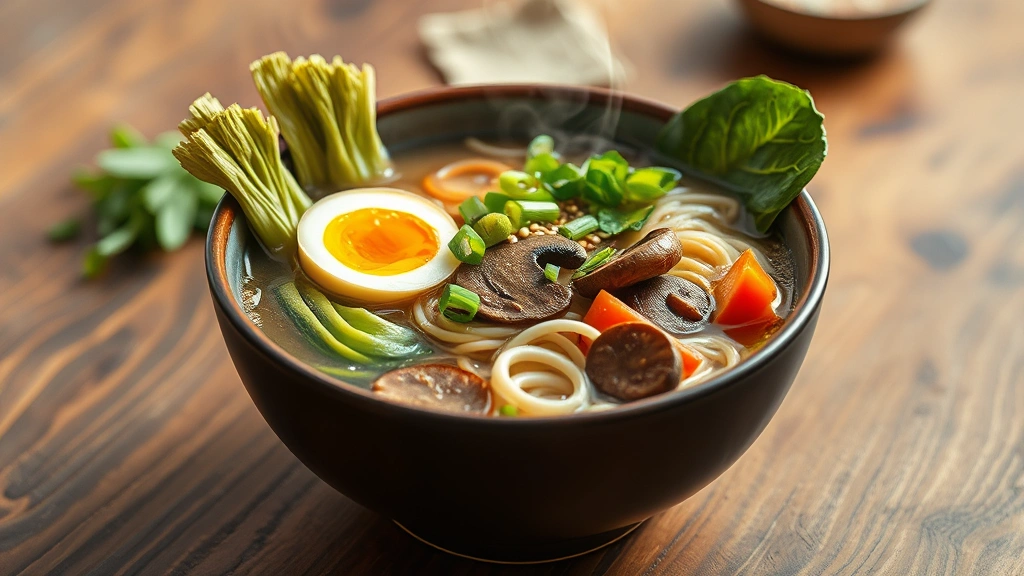
There’s something absolutely magical about a steaming bowl of ramen that’s both nourishing and totally satisfying. This healthy ramen recipe proves that you don’t have to sacrifice flavor or comfort for nutrition. Whether you’re looking for a quick weeknight dinner or a cozy lunch, this recipe delivers restaurant-quality results in under 30 minutes.
What makes this version special is the emphasis on whole ingredients and a deeply flavorful broth that comes together quickly without any complicated techniques. We’re building layers of umami with a simple but incredibly tasty broth base, adding plenty of vegetables, and keeping the noodles portion-controlled so you get all the satisfaction with the nutritional balance. The beauty of this dish is its versatility—you can customize it based on what you have on hand, making it perfect for meal prep or feeding a crowd.
I absolutely love how this recipe brings together the best of Asian flavors with a modern, health-conscious approach. The broth is simmered with ginger, garlic, and a touch of miso for depth, while fresh vegetables like bok choy, mushrooms, and carrots add both nutrition and wonderful texture. You can add protein of your choice—whether that’s tofu, chicken, shrimp, or a perfectly soft-boiled egg—to make it a complete meal. The whole bowl comes together in about 25 minutes, which means you can have a homemade, nutritious dinner on the table faster than ordering takeout.
For those looking to explore more noodle-based dishes, try our Easy French Crepes Recipe for a different culinary experience. If you’re interested in building a full healthy meal plan, our Easy Granola Recipe makes a perfect breakfast complement. You might also enjoy exploring our Buckwheat Pancakes Recipe for another nutrient-dense option. For more inspiration on building balanced bowls, check out this guide on ramen fundamentals from Serious Eats, and for additional healthy noodle ideas, visit Bon Appétit’s healthy noodles collection.
Ingredients
- 4 cups low-sodium vegetable or chicken broth
- 2 tablespoons miso paste (white or red)
- 1 tablespoon soy sauce
- 1 teaspoon sesame oil
- 1 tablespoon rice vinegar
- 2 cloves garlic, minced
- 1 tablespoon fresh ginger, minced
- 4 ounces ramen noodles (whole wheat or regular)
- 2 cups fresh bok choy, chopped
- 1 cup shiitake or cremini mushrooms, sliced
- 1 large carrot, julienned
- 2 green onions, sliced
- 2 eggs
- 8 ounces protein of choice (tofu, chicken, or shrimp)
- Salt and pepper to taste
- Red pepper flakes (optional)
- Cilantro for garnish (optional)
- Sesame seeds for garnish (optional)
Instructions
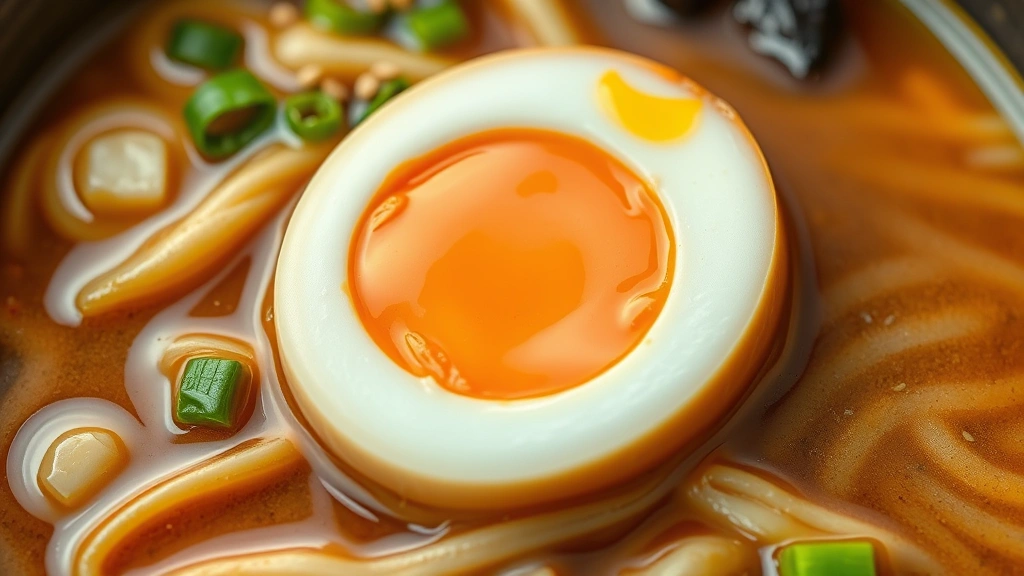
- Bring a large pot of water to boil for the eggs. Gently lower the eggs into the boiling water and cook for 6-7 minutes for soft-boiled eggs (6 minutes for jammy yolks, 7 minutes for firmer yolks). Transfer to an ice bath to stop the cooking process.
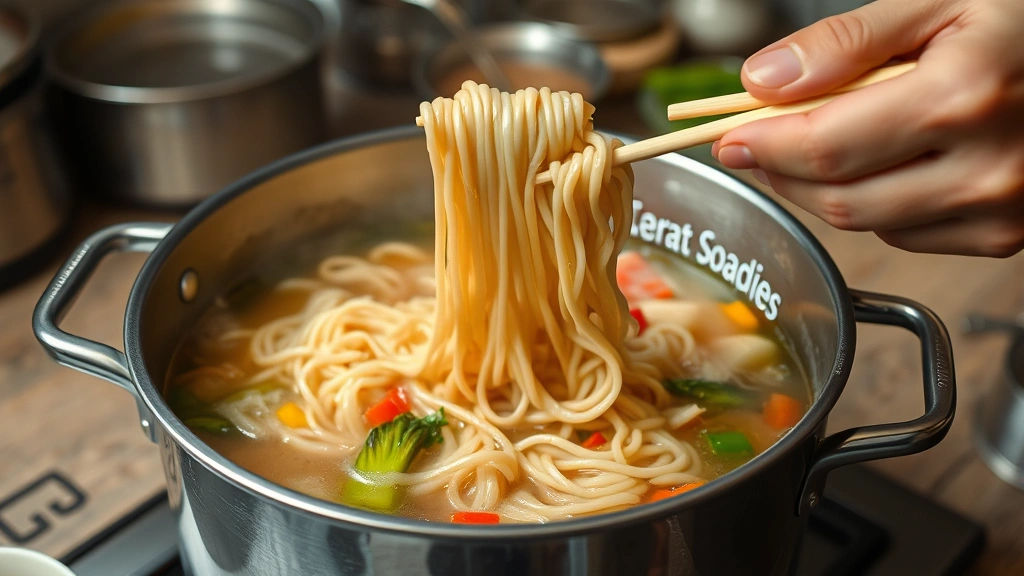
- While the eggs cook, heat a large soup pot or Dutch oven over medium-high heat. Add the broth and bring it to a gentle simmer.
- In a small bowl, whisk together the miso paste with a few tablespoons of the warm broth until smooth and lump-free, then stir this mixture back into the pot.
- Add the soy sauce, sesame oil, rice vinegar, minced garlic, and fresh ginger to the broth. Stir well and let simmer for 3-4 minutes to allow the flavors to meld.
- If using tofu, press it between paper towels to remove excess moisture, then cut into cubes and pan-fry until golden. If using chicken, dice it into bite-sized pieces and cook in a separate skillet until golden and cooked through. If using shrimp, devein and cook until pink and curled.
If you prefer, you can also poach the protein directly in the broth during the last few minutes of cooking.
- Add the carrots to the simmering broth and cook for 2 minutes until just beginning to soften.
- Add the mushrooms and bok choy to the broth and cook for another 3-4 minutes until the vegetables are tender-crisp. Taste the broth and adjust seasoning with salt, pepper, and additional soy sauce or vinegar as needed.
- While the vegetables finish cooking, bring a separate pot of salted water to a boil and cook the ramen noodles according to package directions, usually 3-4 minutes. Drain well and divide between two bowls.
- Ladle the hot broth and vegetables over the cooked noodles in each bowl.
- Top each bowl with your cooked protein (tofu, chicken, or shrimp).
- Peel the soft-boiled eggs and carefully cut them in half. Place one whole egg or two halves on top of each bowl.
- Garnish with sliced green onions, sesame seeds, cilantro, and a sprinkle of red pepper flakes if desired. Serve immediately while the broth is hot.
For additional inspiration on Asian noodle soups, check out New York Times Cooking’s ramen collection.
Pro Tips
Noodle Swaps: Traditional ramen noodles work beautifully, but you can also use whole wheat noodles, soba noodles, or even rice noodles for a gluten-free option. Each brings its own unique texture and nutritional profile to the dish.
Protein Perfection: The beauty of this recipe is its flexibility with protein. Silken tofu adds creaminess, grilled chicken breast provides lean protein, shrimp cooks incredibly quickly, and even canned chickpeas work for a vegetarian powerhouse bowl.
Vegetable Variations: Don’t limit yourself to the vegetables listed. Spinach, snap peas, broccoli, cabbage, and bell peppers all work wonderfully. Add delicate vegetables like spinach in the final minute so they don’t become mushy.
Broth Building: The depth of flavor comes from quality ingredients. Use a good-quality broth as your base—homemade is ideal, but store-bought low-sodium versions work well. The miso paste is non-negotiable for that umami depth that makes this feel restaurant-quality.
Egg Perfection: The soft-boiled egg with its jammy yolk is crucial to this dish. Start timing from when the egg hits the boiling water, and use the ice bath immediately to stop the cooking process. This ensures that perfectly runny center.
Seasonality: This recipe adapts beautifully to the seasons. In spring, use fresh asparagus and peas. In summer, add corn and zucchini. In fall and winter, incorporate winter squash and hearty greens.
Taste Testing: Always taste your broth before serving and adjust seasonings to your preference. Some prefer more soy sauce for saltiness, others want more vinegar for brightness, and some add a touch of sweetness with a teaspoon of honey or maple syrup.
Leftover Strategy: Store broth and toppings separately for best results. The noodles can get soggy if stored with liquid, so assemble bowls fresh each time for optimal texture.