
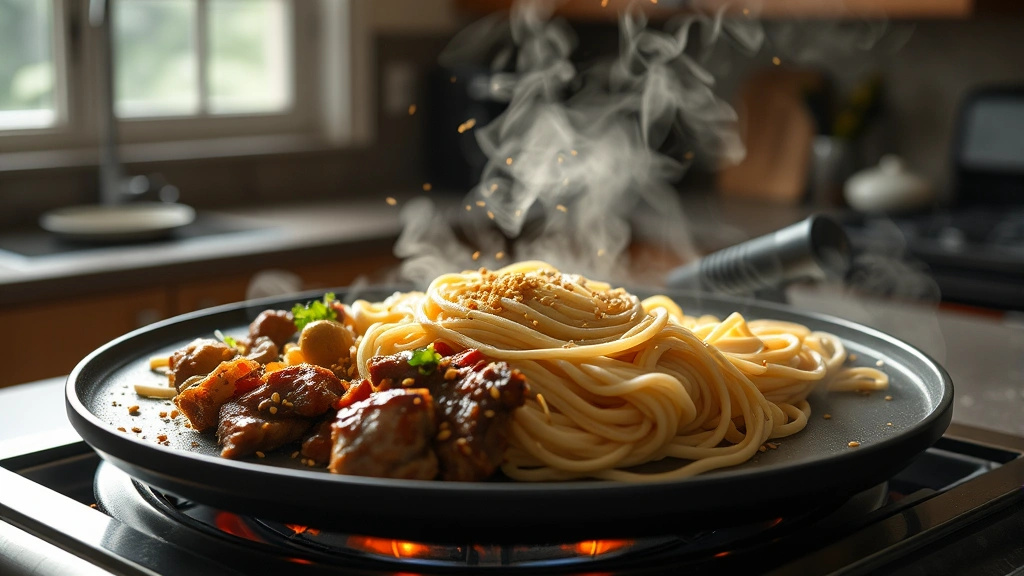
There’s nothing quite like the sizzle and excitement of hibachi cooking right at your table, and guess what? You can absolutely recreate that magic at home with this easy hibachi noodles recipe! Whether you’re craving that theatrical experience or just want delicious stir-fried noodles loaded with vegetables and protein, this is the dish for you.
Hibachi noodles are a Japanese teppanyaki favorite that have become beloved worldwide. The beauty of making them at home is that you control every ingredient—no mystery sauces or excessive sodium. Plus, the cooking method is incredibly forgiving, making it perfect for weeknight dinners or impressing guests without hours of prep work.
What makes this recipe so tasty is the combination of perfectly cooked noodles, a savory-sweet sauce, and the char and caramelization you get from high-heat cooking. The key is having everything prepped and ready to go before you start cooking, just like the professionals do. This is where mise en place (having everything in its place) becomes your best friend.
The beauty of hibachi noodles is their versatility. You can use your favorite protein like our best taco meat, or swap in shrimp, tofu, or keep it vegetarian. The cooking technique remains the same, and the results are always spectacular. Many home cooks are intimidated by hibachi cooking, but I promise you’ll feel like a teppanyaki master by the end of this recipe.
For best results, use a large cast-iron skillet or griddle. A flat cooking surface is essential for achieving those beautiful caramelized edges and proper heat distribution. If you don’t have a griddle, a large wok works wonderfully too. The high heat creates that signature hibachi flavor through the Maillard reaction—that’s the fancy term for browning that creates incredible depth of flavor.
This recipe serves four people generously and takes less than thirty minutes from start to finish. You’ll want to have all your ingredients prepped before you start cooking because once that heat is on, things move quickly! I like to arrange my ingredients in small bowls on a tray so I can grab them in order. Check out our perfect roasted veggies recipe for vegetable prep inspiration.
The sauce is what ties everything together beautifully. It’s a simple combination of soy sauce, butter, garlic, and a touch of sweetness. Some hibachi restaurants add oyster sauce or a bit of sesame oil for extra umami depth. I recommend trying Serious Eats’ hibachi technique guide for professional tips on high-heat cooking.
One of my favorite aspects of this recipe is how customizable it is. You can apply similar creative thinking to unique dishes like taco cupcakes, but here we keep things classically delicious. Add mushrooms, broccoli, snap peas, or onions—whatever vegetables you have on hand. The noodles act as a beautiful canvas for your favorite toppings.
For the noodles themselves, ramen noodles work perfectly, but you can also use egg noodles, udon, or even linguine. If using instant ramen, be sure to cook them until just barely tender, then drain well. Any excess moisture will steam rather than fry, preventing that gorgeous caramelization. Pat the cooked noodles with paper towels if needed.
The protein choice makes a big difference. I’ve included beef in this recipe, but shrimp takes about half the cooking time and has a delicate sweetness. Chicken cooks beautifully this way too. If you prefer vegetarian, extra-firm tofu or chickpeas add wonderful texture. Bon Appétit has excellent variations on teppanyaki noodle recipes.
The cooking technique itself is what transforms simple ingredients into restaurant-quality hibachi noodles. Start with a smoking hot griddle—this is crucial. The heat creates those beautiful caramelized bits called fond, which add incredible depth. Don’t crowd the pan; give everything space to cook. Work in batches if needed. Stir frequently but not constantly; let things sit for a moment to develop color.
I always recommend tasting and adjusting seasoning as you go. Everyone’s preferences differ slightly when it comes to salt and sweetness levels. Some people love more garlic, others prefer extra sesame seeds for nuttiness. Make this recipe your own!
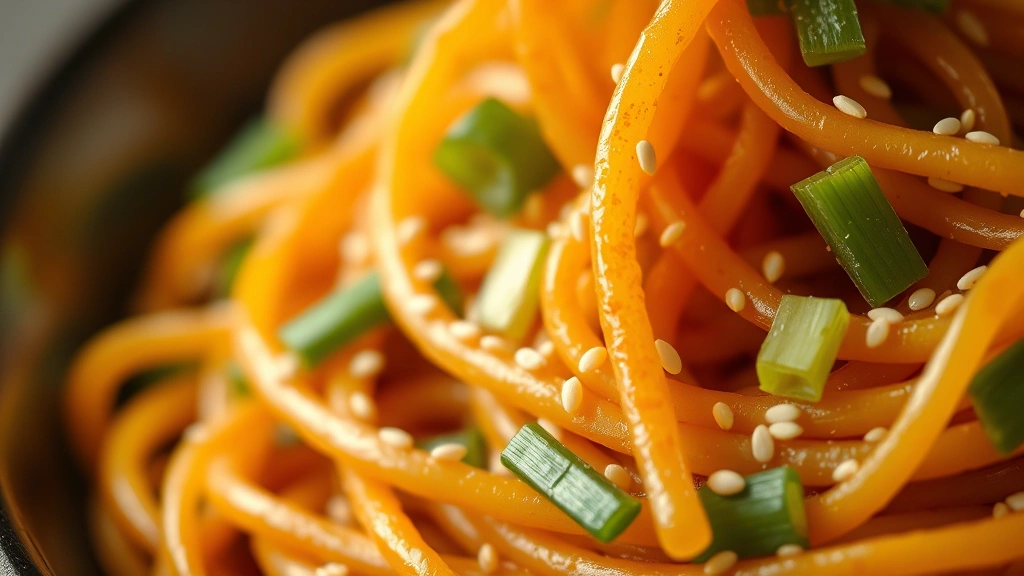
For serving, I like to plate everything and top with sesame seeds, fresh green onions, and a touch of sriracha for those who want heat. You can also add a fried egg on top for extra richness—very popular at hibachi restaurants. Fresh garnishes like green chutney-inspired toppings add brightness to rich noodle dishes too.
This recipe is perfect for meal prep because you can cook double the batch and enjoy leftovers for lunch. Reheat gently in a skillet with a splash of soy sauce and butter to restore that fresh-cooked taste. Store in an airtight container in the refrigerator for up to three days.
Whether you’re a hibachi enthusiast or trying this style of cooking for the first time, this easy hibachi noodles recipe will become a regular in your rotation. The combination of technique, flavor, and theater makes it special enough for entertaining but simple enough for Tuesday night dinner. Let’s get cooking!
Ingredients
- 1 pound ramen noodles or egg noodles
- 1 pound beef sirloin, thinly sliced
- 4 tablespoons butter, divided
- 1 medium onion, diced
- 2 cups mushrooms, sliced
- 1 cup zucchini, diced
- 4 cloves garlic, minced
- 3 tablespoons soy sauce
- 1 tablespoon oyster sauce
- 1 teaspoon sesame oil
- 1 teaspoon sugar
- 2 green onions, chopped
- 2 tablespoons sesame seeds
- Salt and pepper to taste
- Optional: sriracha for serving

Instructions
- Cook the ramen noodles according to package directions until just tender, about 3 minutes. Drain thoroughly in a colander and set aside. Pat dry with paper towels if necessary to remove excess moisture.
- While the noodles cook, prepare all your ingredients and arrange them in small bowls on a tray in the order you’ll use them. This mise en place approach ensures smooth cooking once you start.
- In a small bowl, whisk together the soy sauce, oyster sauce, sesame oil, and sugar. Set this sauce mixture aside.
- Heat your cast-iron griddle or large skillet over high heat for 2-3 minutes until it’s smoking hot. This is crucial for achieving proper caramelization.
- Add 2 tablespoons of butter to the hot griddle and swirl to coat. Once foaming, add the sliced beef in a single layer.
- Let the beef sit undisturbed for 1 minute to develop a golden crust, then stir and cook for another 2-3 minutes until mostly cooked through. Transfer to a clean plate.
- Add the remaining 2 tablespoons of butter to the griddle. Add the diced onion and cook for 2 minutes, stirring occasionally, until it begins to soften and brown.
- Add the sliced mushrooms and diced zucchini to the griddle. Cook for 3-4 minutes, stirring occasionally, until the vegetables are tender and lightly caramelized.
- Add the minced garlic to the griddle and cook for 30 seconds, stirring constantly, until fragrant. Be careful not to burn the garlic.
- Return the cooked beef to the griddle along with all accumulated juices. Stir to combine with the vegetables.
- Add the drained noodles to the griddle and spread them out in a thin layer. Let them sit for 1-2 minutes without stirring to develop caramelization on the bottom.
- Pour the sauce mixture over the noodles and toss everything together thoroughly, breaking up any clumps and ensuring the sauce coats everything evenly.
- Continue cooking and stirring for 2-3 minutes until the noodles are heated through and slightly caramelized in spots. Taste and adjust seasoning with salt and pepper as needed.
- Transfer the hibachi noodles to serving plates and top with fresh green onions, sesame seeds, and sriracha if desired. Serve immediately while hot.
Pro Tips
- Start with high heat and maintain it throughout cooking. If your griddle or skillet cools down significantly, pause to reheat before continuing. Temperature control is essential for proper caramelization and the authentic hibachi experience.
- Pat your cooked noodles completely dry before cooking. Any moisture on the noodles will create steam rather than allowing them to crisp and caramelize properly on the hot surface.
- Don’t skip the mincing of garlic. Pre-minced garlic from a jar works in a pinch, but freshly minced garlic provides superior flavor and aroma that really elevates this dish.
- If you prefer a vegetarian version, substitute the beef with firm tofu cut into cubes, chickpeas, or simply increase the vegetable quantities. The cooking technique remains identical.
- The sauce can be made ahead of time and stored in the refrigerator. This is a huge time-saver for busy weeknights. Simply have it ready in a small bowl before you start cooking.
- For shrimp hibachi noodles, use one pound of large shrimp, peeled and deveined. Shrimp cooks much faster than beef, typically only 2-3 minutes total, so add it to the griddle after the vegetables are partially cooked.
- Sesame seeds add wonderful texture and nutty flavor. Toast them in a dry skillet for 1-2 minutes before using to intensify their flavor, though this is optional.
- This recipe reheats beautifully. Store leftovers in an airtight container for up to three days. Reheat gently in a skillet over medium heat with a splash of soy sauce and a tablespoon of butter.
- For entertaining, you can cook this directly on a portable hibachi grill at the table for maximum theatrical appeal. The technique is the same, just with an intimate audience!
- Fresh green onions and a squeeze of fresh lime juice at the end add brightness and freshness that complements the rich, caramelized flavors beautifully.
- If your griddle is small, work in batches to avoid overcrowding. Overcrowded pans steam rather than sear, resulting in soggy noodles instead of those desirable crispy bits.