
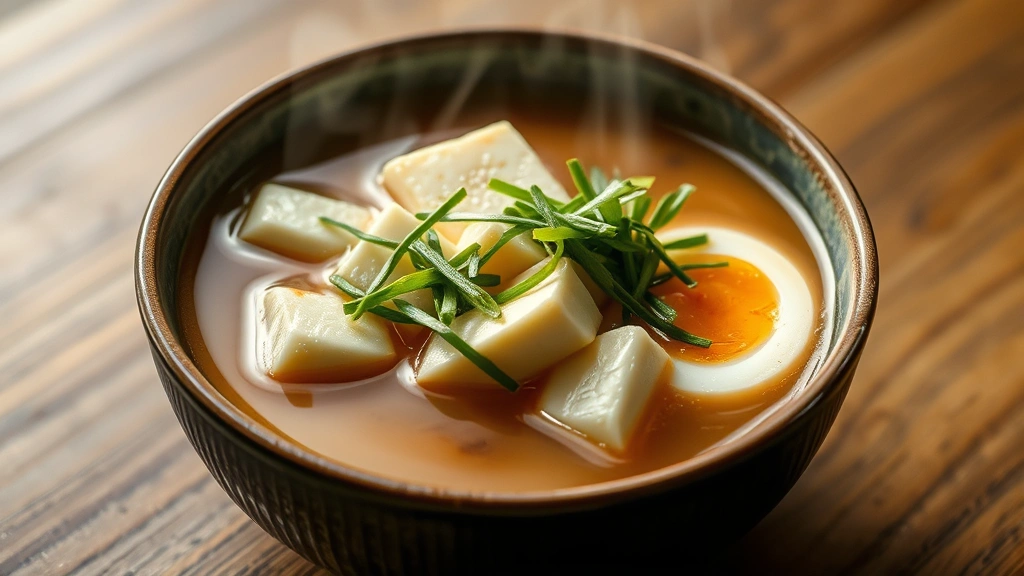
There’s something absolutely magical about a steaming bowl of Japanese soup on a chilly afternoon. This simple Japanese soup recipe is the kind of comforting dish that reminds you why Japanese cuisine is so beloved around the world. With just a handful of quality ingredients and minimal cooking time, you can create a restaurant-worthy soup that tastes like pure comfort in a bowl.
What makes this soup so special isn’t complicated technique or hard-to-find ingredients. Instead, it’s the respect for each individual component and the harmony they create together. The clear, delicate broth is the soul of this dish, infused with the umami-rich flavors of dashi—a foundational Japanese stock that’s surprisingly easy to make at home. If you’re new to Japanese cooking, this recipe is the perfect starting point because it teaches you fundamental techniques while delivering absolutely delicious results.
I love making this soup when I want something nourishing but not heavy. It’s elegant enough for entertaining, yet simple enough for a weeknight dinner. The beauty of this Japanese soup recipe lies in its versatility too. You can customize the toppings and proteins based on what you have on hand or what you’re craving. Whether you’re a seasoned cook or just beginning to explore Asian cuisine, this recipe will become a trusted favorite in your kitchen.
The preparation is straightforward and meditative. There’s something wonderful about taking time to properly prepare dashi and letting the broth develop its subtle flavors. This isn’t fast food—it’s mindful cooking that rewards you with genuine flavor and satisfaction. Once you master this basic Japanese soup, you’ll find yourself making it again and again, each time perhaps adding your own special twist.
One of my favorite things about this recipe is how it pairs with other dishes. Serve it alongside Easy Asian Stir Fry Recipe for a complete Japanese-inspired meal, or enjoy it with some Best Baby Bella Mushroom Stir Fry Recipe on the side for added umami depth. You could even incorporate elements from our Perfect Boiled Carrots Recipe as a creative topping variation.
For those interested in learning more about Japanese soup foundations, Serious Eats has an excellent guide to making dashi, which is the backbone of authentic Japanese soups. Additionally, Bon Appétit offers variations on Japanese soup recipes that you might enjoy exploring. If you want to deepen your understanding of Japanese ingredients, The New York Times has a comprehensive guide to essential Japanese ingredients.
This soup is naturally light yet deeply satisfying. The dashi provides a clean, ocean-forward base that’s nothing like heavy Western broths. It’s infused with the delicate flavors of kombu (kelp) and bonito flakes, creating complexity from simplicity. The toppings—whether you choose tofu, noodles, vegetables, or proteins—add textural interest and customize the soup to your preferences.
Making this Japanese soup recipe at home means you control the sodium levels and ingredient quality. Store-bought broths often contain excessive salt and additives, but homemade dashi is pure and clean. Once you experience the difference, you’ll never go back. Plus, the dashi is so quick to make that there’s really no excuse not to prepare it fresh.
I encourage you to treat this recipe as a foundation rather than a strict formula. Japanese cooking celebrates seasonal ingredients and personal adaptation. In spring, add fresh bamboo shoots and peas. In summer, incorporate delicate summer vegetables. In autumn and winter, hearty mushrooms and root vegetables shine. This flexibility makes it a recipe you’ll turn to year-round.
The meditative process of making this soup—carefully selecting your ingredients, gently simmering the broth, thoughtfully arranging the toppings—is part of the pleasure. It’s about creating something nourishing for yourself and others with intention and care. That’s the heart of Japanese home cooking, and it’s absolutely achievable in your own kitchen.
Ingredients
- 4 cups water
- 1 piece kombu (kelp), about 4 inches long
- 1 cup bonito flakes (katsuobushi)
- 2 cups silken tofu, cubed
- 2 green onions, sliced thin
- 1 tablespoon white miso paste
- 2 tablespoons light soy sauce
- 1 teaspoon mirin (sweet rice wine)
- 1 sheet nori (seaweed), cut into thin strips
- Optional: fresh shiitake mushrooms, sliced
- Optional: 4 ounces fresh ramen or udon noodles
- Optional: 1 egg per serving
- Salt and white pepper to taste
Instructions
- Fill a medium pot with 4 cups of water and place it over medium heat. Do not boil yet.
- Add the kombu (kelp) to the cold water and slowly bring it to a gentle heat. This allows the kombu to release its flavors gradually and creates a more delicate broth.
- Just before the water comes to a boil—when you see small bubbles forming around the edges—remove the kombu with tongs and discard it. If the water boils, the broth may become bitter or cloudy.
- Immediately add the bonito flakes to the hot water, stirring gently to distribute them evenly throughout the pot.
- Remove the pot from the heat and let the bonito flakes steep for 3-5 minutes without disturbing them. This infuses the broth with deep umami flavor.
- Carefully pour the broth through a fine-mesh strainer lined with cheesecloth into a clean pot, leaving the bonito flakes behind. This gives you a clear, beautiful dashi.
- Return the strained dashi to the pot and bring it back to a gentle simmer over medium heat.
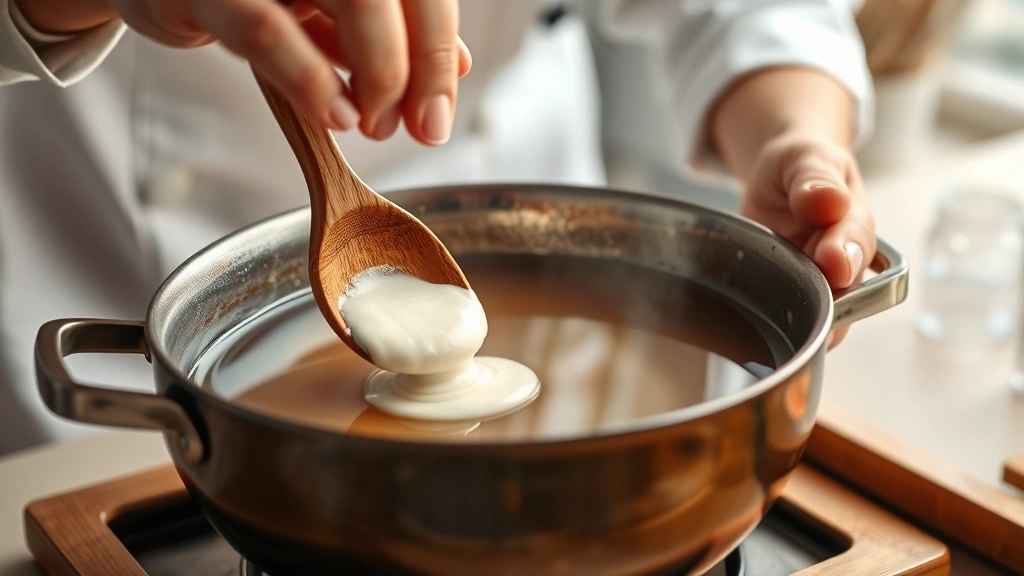
- In a small bowl, dissolve the white miso paste with a ladle of warm dashi, stirring until completely smooth and lump-free.
- Pour the dissolved miso back into the pot of simmering dashi, stirring gently to combine. Do not boil the miso, as this can diminish its flavor and beneficial properties.
- Add the light soy sauce and mirin to the broth, tasting and adjusting the seasoning as needed. The soup should taste balanced—savory but not overly salty, with a subtle sweetness.
- If using fresh mushrooms, add them to the simmering broth now and let them cook for 3-4 minutes until tender.
- Gently add the cubed silken tofu to the broth and let it warm through for 2 minutes. Handle the tofu carefully to keep the cubes intact.
- If using noodles, cook them separately according to package directions, then divide among serving bowls.
- If making soft-boiled eggs, gently place them in simmering water for 6-7 minutes, then peel and halve them.
- Ladle the hot broth and tofu into individual serving bowls, distributing the mushrooms and any other cooked ingredients evenly.
- Top each bowl with sliced green onions, nori strips, and any optional proteins like soft-boiled eggs.
- Serve immediately while the soup is steaming hot. Enjoy slowly and mindfully.
Pro Tips
Miso paste is delicate and should never be boiled. Dissolving it separately in warm broth before adding it back prevents the beneficial probiotics and complex flavors from being destroyed by high heat.
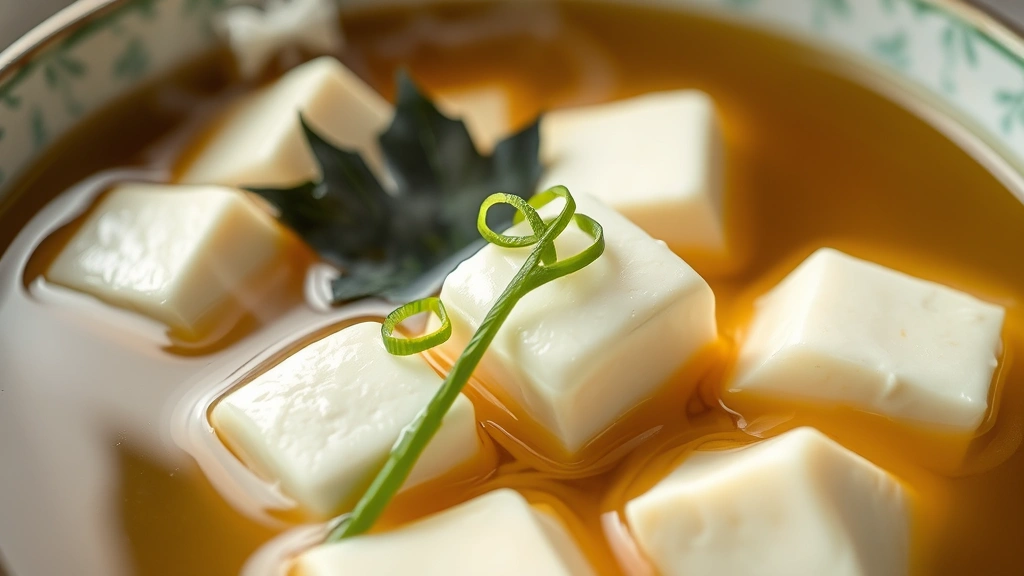
Silken tofu is essential for this recipe—it has a delicate texture that’s perfect for soup. Firm tofu will work but has a different mouthfeel. Handle all tofu gently to maintain its silky texture.
This soup is naturally vegetarian and can easily be made vegan by omitting the bonito flakes and using vegetable dashi instead. Some cooks make vegetable dashi using kombu and shiitake mushroom stems for depth.
White miso is milder and more delicate than red miso. It’s the traditional choice for this style of soup, though you can experiment with other varieties once you’re familiar with this basic recipe.
Mirin adds subtle sweetness and depth. Don’t skip it—it’s an important flavor component. Make sure you’re using true mirin (hon-mirin) rather than aji-one mirin, which contains added ingredients.
The soup comes together very quickly once the dashi is made, making it perfect for weeknight dinners. You can prepare the dashi in advance and store it refrigerated for up to three days.
Customization options are endless: add cooked chicken, shrimp, or fish for protein; include seasonal vegetables like kabocha squash or bok choy; use different types of mushrooms; add noodles of any variety; or include bamboo shoots for textural contrast.
The nori (seaweed) adds a briny, oceanic note that complements the dashi beautifully. Add it just before serving so it stays crispy rather than absorbing moisture from the broth.
This recipe serves four people as a light meal or eight people as a soup course in a larger meal. It scales easily—just maintain the ratio of dashi to other ingredients.