
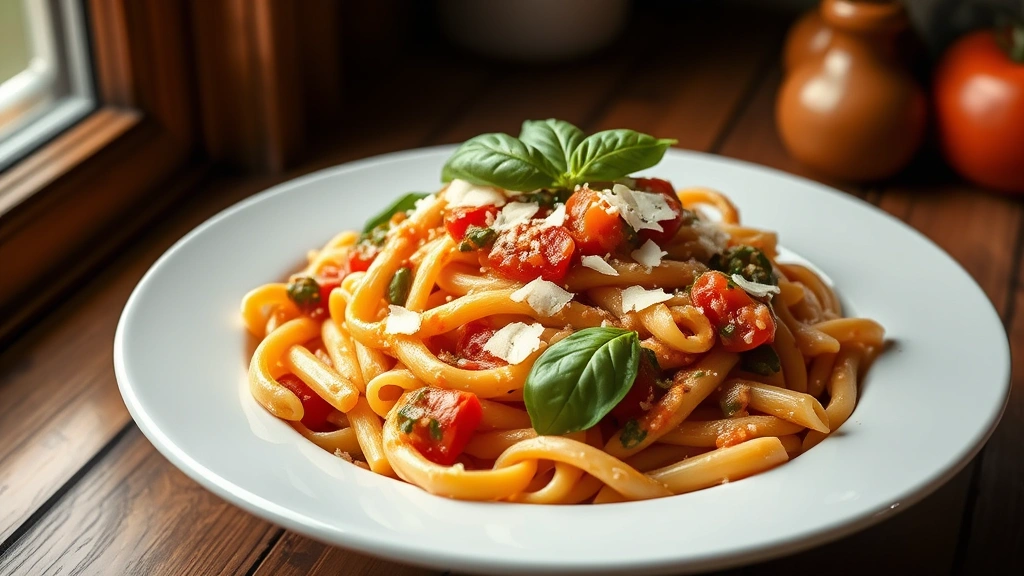
There’s something absolutely magical about a bowl of perfectly cooked penne rigate tossed with a simple, elegant sauce. This quick and easy penne rigate recipe is my go-to weeknight dinner when I want something restaurant-quality without all the fuss. The beauty of penne rigate lies in those gorgeous ridges that catch and hold onto every bit of sauce, creating pockets of flavor in every bite.
I’ve been making variations of this dish for years, and I’ve finally perfected the technique to ensure your pasta is never mushy and your sauce clings beautifully to each piece. Whether you’re cooking for yourself, your family, or unexpected guests, this recipe delivers impressive results in under thirty minutes. The secret is using quality ingredients and understanding the importance of the pasta water—it’s liquid gold in Italian cooking!
What I absolutely love about this penne rigate recipe is its versatility. You can dress it up with fresh basil and beautiful tomatoes for a summery feel, or go rich and creamy with a simple alfredo sauce. The ridged texture of penne rigate makes it perfect for holding onto chunky sauces, creamy preparations, and even oil-based dressings. This is the kind of recipe that becomes a staple in your rotation because it’s foolproof, delicious, and ready faster than you can order takeout.
I’ve included detailed instructions to help you achieve that perfect al dente texture every single time. Plus, I’m sharing all my professional tips and tricks for making this dish shine. Once you master this basic penne rigate recipe, you’ll find yourself making it again and again. Pair it with a crisp white wine, some crusty bread, and a simple salad for a complete meal that feels special but requires minimal effort. This is comfort food elevated to an art form, and I can’t wait for you to try it!
For more pasta inspiration, check out our Best Toll House Cookie Recipe collection, or explore our Best Coconut Cookies Recipe for sweet treats. If you’re planning a complete dinner party, our Best Vanilla Muffin Recipe makes an excellent accompaniment. You might also enjoy our Perfect Tea Cakes Recipe for dessert planning. For additional side dish ideas, see our Best Lemon Brownies Recipe for inspiration on complementary flavors.
Ingredients
- 1 pound penne rigate pasta
- 4 tablespoons unsalted butter
- 4 cloves garlic, minced
- 1 can (28 ounces) crushed San Marzano tomatoes
- 1/2 cup heavy cream
- 1/4 cup fresh basil, roughly chopped
- 1/2 cup grated Parmigiano-Reggiano cheese
- 2 tablespoons olive oil
- 1 teaspoon kosher salt, plus more for pasta water
- 1/2 teaspoon freshly ground black pepper
- 1/4 teaspoon red pepper flakes
- Pasta water for sauce adjustment
- Fresh parmesan shavings for garnish
- Fresh basil leaves for garnish
Instructions
- Bring a large pot of salted water to a rolling boil. The water should taste like the sea—this is your only opportunity to season the pasta itself. Fill the pot about three-quarters full to allow the pasta room to move around freely.
- While the water heats, prepare your sauce base. Heat the olive oil and 2 tablespoons of butter in a large, heavy-bottomed skillet over medium heat. Once the butter is melted and foaming, add the minced garlic and red pepper flakes.
- Cook the garlic for about 60 to 90 seconds, stirring constantly, until it becomes fragrant and lightly golden. Be careful not to let it brown, as burnt garlic will taste bitter and ruin your sauce. You want those gorgeous golden flecks, not dark brown ones.
- Pour the entire can of crushed San Marzano tomatoes into the skillet with the garlic butter. Stir well to combine, making sure you break up any large tomato chunks against the side of the pan with your wooden spoon.
- Reduce the heat to medium-low and let the tomato sauce simmer gently while you cook the pasta. This allows the flavors to meld beautifully. The sauce should bubble gently around the edges, not aggressively boil.
- Add the penne rigate to your boiling salted water and stir immediately to prevent sticking. Set a timer for one minute less than the package directions recommend—we’re aiming for al dente, which means tender but still with a slight firmness when you bite into it.
- While the pasta cooks, continue working on your sauce. Add the remaining 2 tablespoons of butter and the heavy cream to the simmering tomato sauce. Stir everything together until the cream is fully incorporated and the sauce has a beautiful, silky appearance.
- Taste your sauce and season with kosher salt and freshly ground black pepper. Remember that you’ll be adding grated Parmigiano-Reggiano at the end, which adds saltiness, so taste before you over-season. Add the fresh basil and stir gently to combine.
- When the pasta timer goes off, carefully scoop out about 1 cup of the starchy pasta cooking water using a measuring cup or ladle. Set this aside—this is your secret weapon for achieving the perfect sauce consistency.
- Drain the pasta in a colander, but don’t rinse it. The starch on the outside of the pasta helps the sauce cling beautifully. You want that starch to stay right where it is.
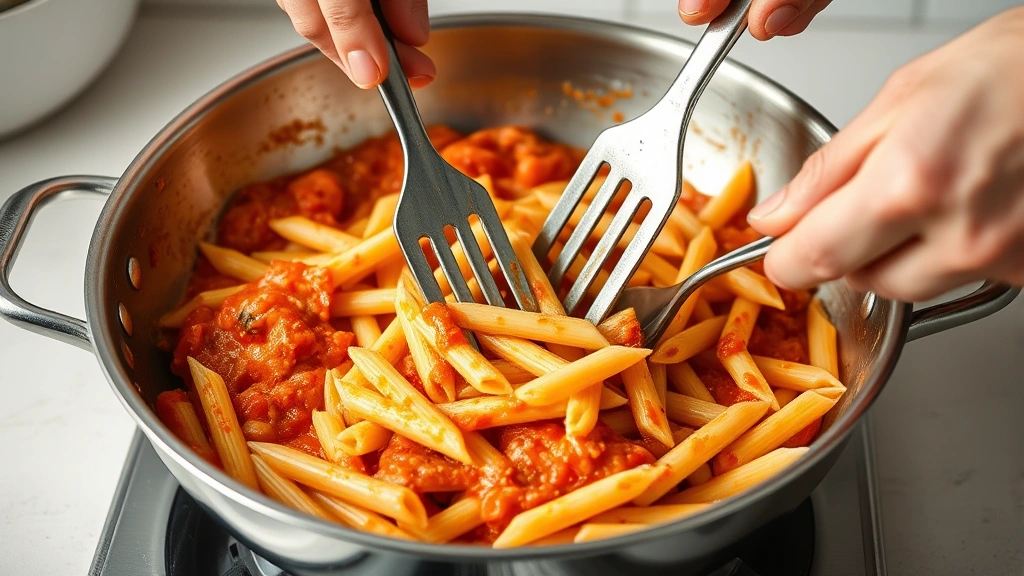
- Add the drained pasta directly to your skillet with the sauce. Using two forks or a pasta fork and spoon, toss the pasta and sauce together vigorously for about 2 to 3 minutes. This is where the magic happens—the pasta will absorb the sauce and everything will come together in a cohesive, delicious dish.
- If your pasta looks too thick or dry, add pasta water a few tablespoons at a time while tossing. The sauce should be creamy and coat every piece of penne without pooling at the bottom. Add the grated Parmigiano-Reggiano cheese and toss again until it’s fully incorporated.
- Remove the skillet from the heat and taste the pasta. Adjust seasonings as needed with salt and pepper. Remember that the cheese adds saltiness, so be conservative with additional salt.
- Divide the penne rigate among four warm bowls. Garnish each bowl with fresh basil leaves and a few shavings of fresh Parmigiano-Reggiano cheese. A light drizzle of good quality olive oil on top adds a beautiful finishing touch.
- Serve immediately while the pasta is still hot and steaming. This dish doesn’t sit well, so have everyone ready to eat when you plate it up. Offer more grated cheese at the table for those who want it.
Pro Tips
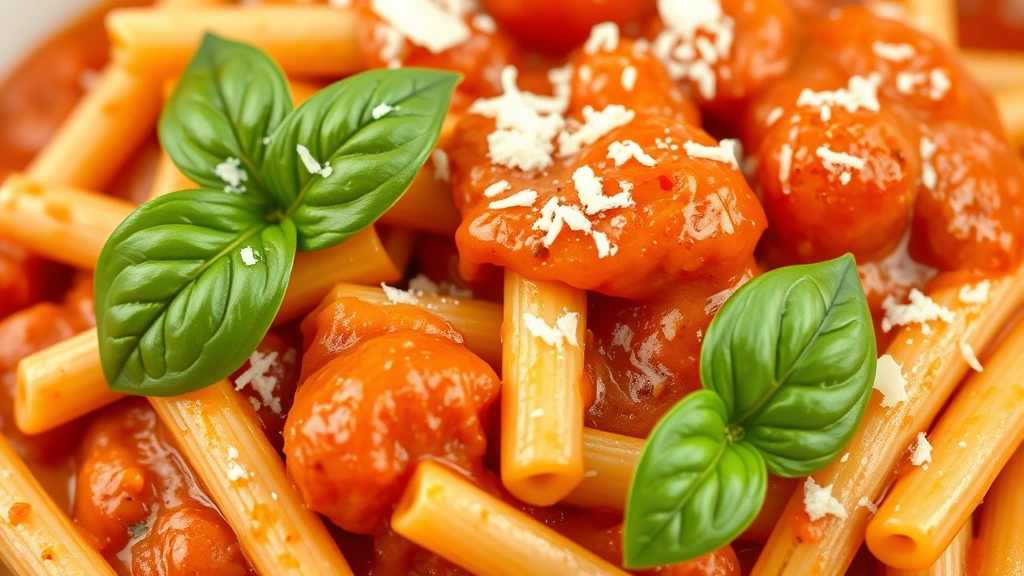
- The key to perfect penne rigate is understanding that the ridges are functional, not just decorative. These ridges are designed specifically to catch and hold sauce, making penne rigate superior to smooth pasta shapes for most sauces.
- San Marzano tomatoes are absolutely worth seeking out. They have lower acidity, fewer seeds, and a sweeter flavor than standard canned tomatoes. Once you use them, you’ll understand why Italian cooks are so particular about this ingredient.
- Never discard your pasta cooking water. This starchy liquid is essential for creating a silky sauce that coats the pasta. Professional chefs always keep it nearby, and you should too.
- Al dente cooking is crucial for this dish. Overcooked pasta becomes mushy and won’t hold the sauce properly. Start checking your pasta one minute before the package suggests, then taste a piece. It should have a slight firmness in the center when you bite it.
- Don’t rinse your pasta after draining. The starch coating helps the sauce adhere beautifully. This is a fundamental rule in Italian cooking that makes a noticeable difference in your final dish.
- Fresh basil should always be added at the end of cooking or as a garnish. Heat breaks down its delicate flavor compounds, so save the prettiest leaves for garnishing rather than cooking them into the sauce.
- Quality butter makes a difference in this recipe. Use real butter, not margarine or oil spreads. The emulsification of butter with the tomato sauce creates a silky, luxurious texture.
- This recipe scales beautifully. For 8 servings, simply double everything and use a larger skillet or divide between two pans.
- Leftovers can be refrigerated for up to 3 days, but this pasta is best enjoyed fresh. If you do have leftovers, reheat gently over low heat with a splash of pasta water to restore the sauce consistency.
- For a vegetarian version, this recipe is already meat-free. For a richer version, add crispy pancetta or guanciale while you’re cooking the garlic.
- Make sure your skillet is large enough that the pasta spreads out in a single layer when you add it to the sauce. If it’s too crowded, use two skillets or a large pot instead.