
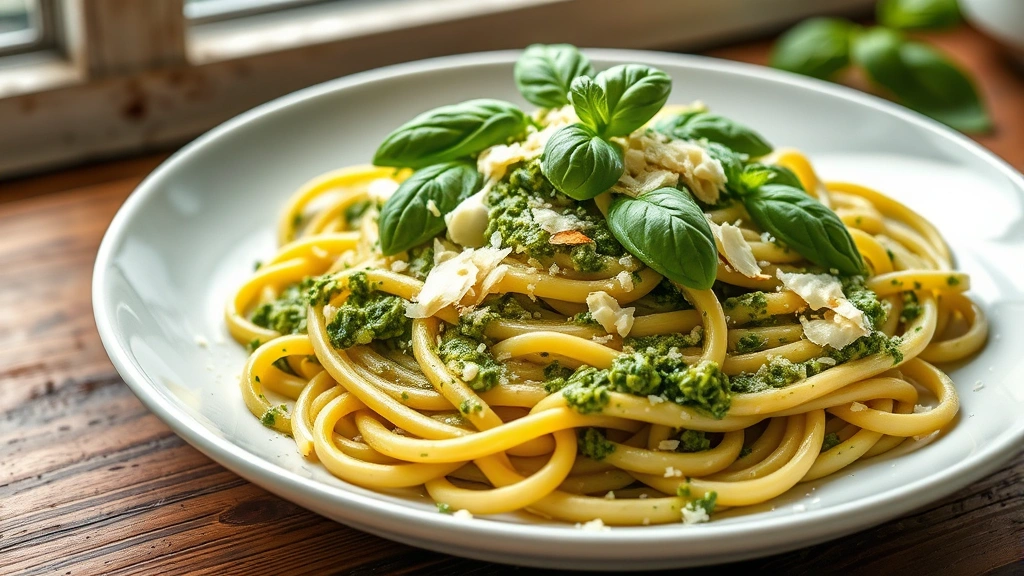
There’s something absolutely magical about fresh pesto pasta, and the best part? You can have it on the table in just 15 minutes! This isn’t some complicated weeknight dinner that requires hours of prep or a long ingredient list. Instead, this is the kind of recipe that celebrates simplicity and quality ingredients coming together in perfect harmony.
Pesto is one of those timeless sauces that transforms even the most basic pasta into something restaurant-worthy. Made with vibrant fresh basil, garlic, pine nuts, Parmigiano-Reggiano, and quality olive oil, it’s a celebration of Italian cooking at its finest. The beauty of making pesto pasta at home is that you control every element—from the ratio of garlic to basil, to the quality of your olive oil, to the type of pasta you choose.
I absolutely love this recipe because it comes together so quickly, yet it tastes like you spent hours in the kitchen. The key is using the freshest basil you can find and not over-processing your pesto. You want it to have a little texture, not turn into a thick paste. This recipe serves four people as a main course, or six as a lighter side dish.
One of my favorite things about pesto pasta is how versatile it is. You can add cherry tomatoes for a pop of color and freshness, toss in some grilled chicken for extra protein, or add a handful of fresh mozzarella at the end for creaminess. I’ve even added a squeeze of fresh lemon juice to brighten everything up. The creamy textures of this dish pair beautifully with light summer meals.
For the best results, I recommend using fresh basil from your garden or farmers market if possible. The flavor difference is truly noticeable. Make sure your garlic is fresh, your pine nuts are toasted (or raw if you prefer), and your Parmigiano-Reggiano is freshly grated—not the pre-grated kind that has anti-caking agents.
If you’re short on time or don’t have all the traditional ingredients on hand, don’t worry. You can substitute walnuts for pine nuts, use a combination of basil and spinach if you’re low on basil, or even use jarred pesto as a starting point and freshen it up with fresh herbs and lemon juice. Check out this amazing guide to fresh ingredients for more inspiration.
The pasta water is your secret weapon here. Reserve at least one cup before draining your pasta. This starchy water is liquid gold—it helps emulsify the pesto and creates a silky sauce that coats every strand of pasta beautifully. Don’t skip this step!
For external inspiration and technique, check out Bon Appétit’s classic pesto recipe for variations, or Serious Eats’ detailed pesto guide for pro tips on achieving the perfect consistency.
Whether you’re cooking for a casual weeknight dinner, impressing guests, or just craving something fresh and delicious, this pesto pasta recipe is your answer. It’s the kind of dish that reminds you why simple, quality ingredients are sometimes all you need. Let me walk you through exactly how to make it.
Ingredients
- 1 pound fresh pasta (fettuccine, pappardelle, or spaghetti work beautifully)
- 3 cups fresh basil leaves, lightly packed
- 1/2 cup fresh pine nuts (or toasted walnuts as a substitute)
- 4 cloves fresh garlic, roughly chopped
- 3/4 cup freshly grated Parmigiano-Reggiano cheese
- 1/2 cup extra virgin olive oil, divided
- 2 tablespoons fresh lemon juice
- 1/2 teaspoon kosher salt
- 1/4 teaspoon freshly ground black pepper
- 1 teaspoon pasta water (reserved from cooking)
- Optional: cherry tomatoes, fresh mozzarella, grilled chicken, or red pepper flakes for serving
Instructions
- Fill a large pot with water and bring to a rolling boil. This is your foundation—the water needs to be as salty as the sea for properly seasoned pasta. Add about 2 tablespoons of salt to the boiling water.
- While the water heats, prepare your basil by washing and gently patting it dry with paper towels. Moisture on the basil can cause your pesto to become watery and oxidize more quickly, so this step matters. Remove any damaged leaves and discard the stems.
- Add your fresh pasta to the boiling water and stir immediately to prevent sticking. Fresh pasta cooks much faster than dried pasta—usually around 3 to 5 minutes depending on thickness. Keep an eye on it and taste for doneness starting at the 3-minute mark.
- While the pasta cooks, place your pine nuts in a small dry skillet over medium-low heat. Toast them for about 2 to 3 minutes, shaking the pan occasionally, until they become fragrant and lightly golden. Be careful not to burn them—they can go from perfect to charred quickly. Transfer to a plate to cool slightly.
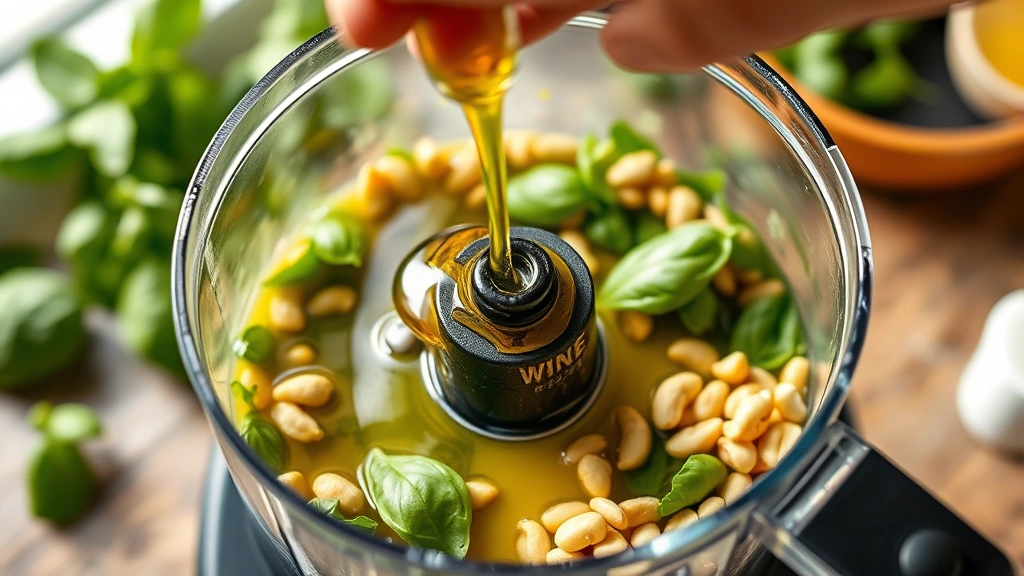
- Add your roughly chopped garlic and toasted pine nuts to the bowl of a food processor. Pulse a few times until the garlic is broken down into small pieces but not pulverized into a paste.
- Add your fresh basil leaves to the food processor in two batches. Pulse gently between additions until the basil is broken down but still has some texture. You’re going for a chunky consistency, not a smooth puree.
- While the machine is running, slowly drizzle in 1/4 cup of your extra virgin olive oil. This creates an emulsion that helps distribute the oil evenly throughout the pesto and prevents it from becoming too thick.
- Transfer the pesto mixture to a large serving bowl. Stir in the remaining 1/4 cup of olive oil by hand, then add the freshly grated Parmigiano-Reggiano, fresh lemon juice, kosher salt, and freshly ground black pepper. Taste and adjust seasonings as needed.
- When your pasta is perfectly al dente, reserve at least 1 cup of the starchy pasta cooking water before draining. This water is essential for creating a silky sauce that coats the pasta beautifully.
- Add the hot pasta directly to the bowl with the pesto. Start with just 1/4 cup of the reserved pasta water and toss gently but thoroughly, coating every strand of pasta with the vibrant green sauce.
- Add more pasta water a tablespoon or two at a time until the sauce reaches your desired consistency. The pasta will continue to absorb moisture as it sits, so err on the side of slightly looser sauce.
- Divide the pesto pasta among your serving bowls and top with additional Parmigiano-Reggiano if desired. If using optional additions like cherry tomatoes, fresh mozzarella, grilled chicken, or red pepper flakes, add them now for extra flavor and visual appeal.
- Serve immediately while the pasta is still hot and the sauce is silky and coating each strand perfectly. This dish is best enjoyed fresh and warm.
Pro Tips
- Fresh basil is non-negotiable for the best pesto. If you can’t find fresh basil, make a smaller batch and store it in the refrigerator rather than using old, wilted basil
- Pine nuts are traditional but expensive. Walnuts, almonds, or even sunflower seeds work beautifully as substitutes and cost significantly less
- Don’t skip reserving the pasta water. This starchy liquid is what transforms pesto from a thick sauce into something silky that coats the pasta evenly
- If you’re making pesto ahead of time, store it in an airtight container in the refrigerator for up to 3 days. Press plastic wrap directly onto the surface to prevent oxidation and browning
- For a creamier pesto, add 2 to 3 tablespoons of mascarpone or crème fraîche at the end
- If your pesto becomes too thick, loosen it with a little more olive oil or some of the reserved pasta water
- This recipe doubles beautifully for entertaining. Make double the pesto and cook additional pasta—it takes just as long but feeds more people
- Fresh mozzarella torn into the hot pasta at the end creates a creamy, luxurious texture that’s absolutely divine
- For a protein-packed version, toss in grilled chicken breast, crispy bacon, or white beans
- Grate your Parmigiano-Reggiano fresh on a microplane grater just before using for the best flavor and texture
- Cherry tomatoes halved and added to the finished dish provide a fresh pop of flavor and beautiful color contrast
- Make sure your food processor is dry before starting—any moisture can affect the pesto texture
- Don’t process the pesto until the very last minute before serving if possible, as basil oxidizes and browns when exposed to air for too long
- Lemon juice not only adds brightness but also helps preserve the vibrant green color of the basil
Pingback: Canned Artichoke Recipes: 15 Quick & Delicious Ideas - Simple Recipe Finder
Pingback: Cashew Cheese Recipe: Best Vegan Spread in 5 Minutes - Simple Recipe Finder
Pingback: Crème Fraîche Recipe: Easy Homemade in 5 Minutes - Simple Recipe Finder