
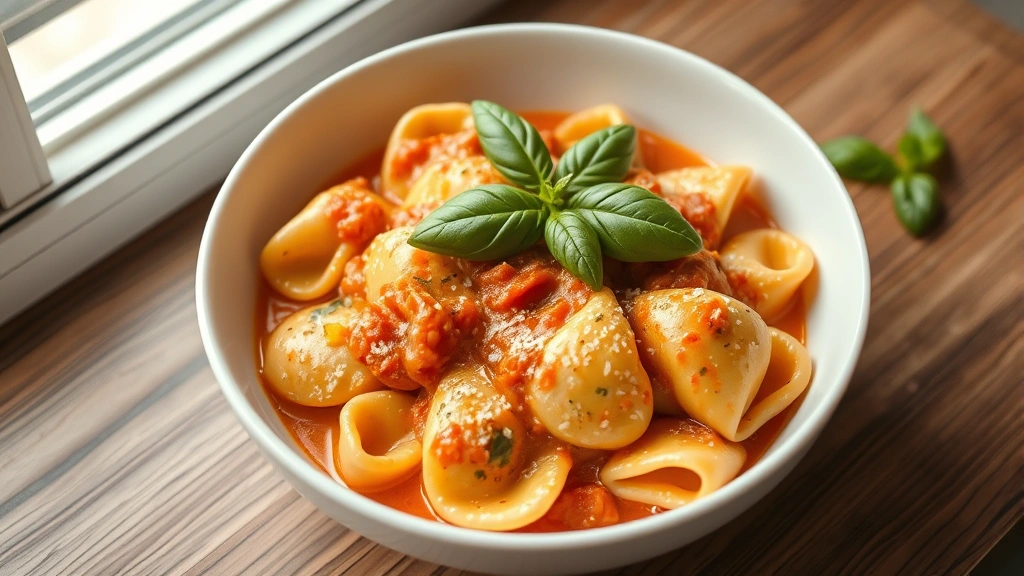
There’s something absolutely magical about homemade ravioli sauce that transforms a simple pasta dish into a restaurant-quality meal. After years of testing countless recipes, I’m thrilled to share my foolproof method for creating the BEST ravioli sauce that’s not only incredibly delicious but also surprisingly easy to make.
This ravioli sauce recipe is a game-changer because it balances rich, savory flavors with bright, fresh notes that make your taste buds sing. Whether you’re serving it with cheese ravioli, spinach ravioli, or meat ravioli, this sauce adapts beautifully to any filling. The secret lies in using quality ingredients and giving yourself time to let the flavors develop. I’ve stripped away the complicated techniques and unnecessary steps to bring you a recipe that delivers professional results in your own kitchen.
What makes this sauce truly special is its versatility. You can prepare it on a busy weeknight in under 30 minutes, or you can let it simmer low and slow on your stovetop for deeper flavor development. The beauty of this recipe is that it works with both fresh and canned tomatoes, fresh basil and dried herbs, and even allows for creative variations based on what you have on hand. I love adding a splash of cream for richness, a pinch of red pepper flakes for heat, or fresh garlic that’s been minced to perfection.
Many people think making a quality ravioli sauce requires hours of work and an endless ingredient list. Not true! This straightforward approach proves that simplicity and quality aren’t mutually exclusive. By focusing on the fundamentals—proper sautéing, quality tomatoes, fresh herbs, and patience—you’ll create a sauce that tastes like it came straight from a Tuscan kitchen. The best part? Your family will think you spent all day in the kitchen when really you were relaxed and stress-free the entire time.
If you’re looking to elevate your pasta game, consider pairing this sauce with homemade sides. A Quick Greek Salad Recipe makes a refreshing counterpoint to the rich sauce, while a warm bowl of Best Vegetable Broth Soup Recipe could start your meal beautifully. The sauce also works wonderfully as a base for other Italian dishes, similar to how the flavors in Best Spanish Paella Recipe build complexity through technique, or the depth found in Best Coq au Vin Recipe.
For more inspiration on building layered flavors, check out Bon Appétit’s marinara sauce for comparison techniques, or explore Serious Eats’ pasta sauce collection for creative variations. If you want to dive deeper into Italian cooking fundamentals, New York Times’ tomato sauce guide offers excellent foundational knowledge. You might also enjoy Bon Appétit’s fresh tomato pasta sauce and Serious Eats’ ravioli recipes for additional inspiration.
I genuinely believe this ravioli sauce recipe will become a staple in your kitchen, just as it has in mine. It’s the kind of recipe you’ll return to again and again, each time remembering why it earned its place in your rotation. So grab your favorite pot, gather your ingredients, and let’s create something absolutely delicious together!
Ingredients
- 3 tablespoons extra virgin olive oil
- 4 cloves garlic, minced
- 1 small onion, finely diced
- 1 can (28 ounces) crushed San Marzano tomatoes
- 2 tablespoons tomato paste
- 1 teaspoon dried Italian seasoning
- 1/2 teaspoon salt
- 1/4 teaspoon black pepper
- 1/4 teaspoon red pepper flakes (optional)
- 1/4 cup heavy cream or half-and-half
- 1/4 cup fresh basil, chopped (or 1 tablespoon dried basil)
- 2 tablespoons butter
- 1/4 cup grated Parmesan cheese
- 1 teaspoon sugar (optional, to balance acidity)
Instructions
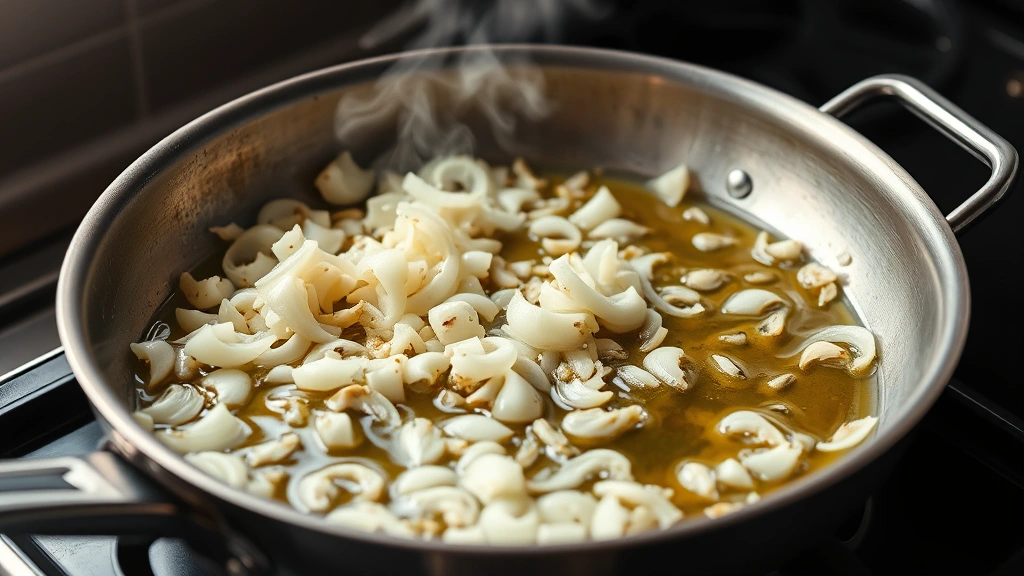
- Heat the olive oil in a large saucepan or Dutch oven over medium heat. Allow it to warm for about 1 minute until it shimmers gently—you want it hot enough to cook the aromatics but not so hot that it burns.
- Add the diced onion to the hot oil and sauté for 3 to 4 minutes, stirring occasionally, until the onion becomes translucent and fragrant. This builds the flavor foundation for your entire sauce.
- Add the minced garlic to the pan with the onions and cook for another 30 seconds to 1 minute, stirring constantly. Be careful not to let the garlic burn, as burnt garlic will make your sauce taste bitter. You’re looking for that beautiful golden color and incredible aroma.
- Stir in the tomato paste and cook for 1 to 2 minutes, stirring frequently. This step, called ‘blooming’ the tomato paste, deepens the tomato flavor and removes any raw taste from the concentrate.
- Add the crushed San Marzano tomatoes directly to the pan, including all the juice from the can. Stir well to combine everything evenly and break up any clumps of tomato.
- Season the sauce with dried Italian seasoning, salt, black pepper, and red pepper flakes if using. Stir everything together thoroughly so the seasonings are evenly distributed throughout the sauce.
- Bring the sauce to a gentle simmer over medium heat. Once it begins to bubble, reduce the heat to medium-low and let it simmer uncovered for 15 to 20 minutes. This allows the flavors to meld together and the sauce to thicken slightly.
- After the sauce has simmered, taste it and adjust seasonings as needed. Add more salt, pepper, or Italian seasoning to suit your preferences. If the sauce tastes too acidic, stir in the optional teaspoon of sugar to balance it.
- Remove the pan from heat and stir in the butter, which adds richness and silkiness to the sauce. The butter will melt into the hot sauce and create a beautiful, glossy finish.
- Add the heavy cream to the sauce and stir until it’s completely incorporated. This creates a slightly creamy sauce that coats the ravioli beautifully without being overly heavy.
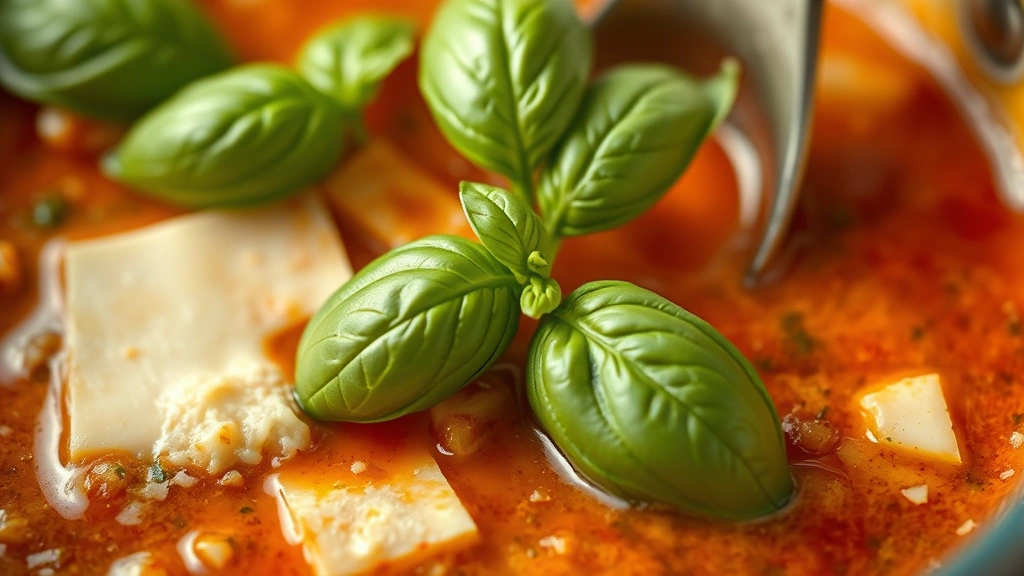
- Gently fold in the fresh basil (or dried basil if using) and the grated Parmesan cheese. Stir until combined, but don’t overmix as this can bruise the fresh basil and affect its flavor.
- Pour the warm ravioli sauce over your cooked ravioli or serve it on the side for dipping. Garnish with additional fresh basil and Parmesan cheese if desired, then serve immediately to your delighted family and friends.
Pro Tips
- This sauce is best served immediately while still warm, but it stores beautifully in an airtight container in the refrigerator for up to 5 days. Simply reheat gently over low heat, adding a splash of pasta water or cream if it thickens too much during storage.
- For a lighter version without cream, simply omit the heavy cream and butter, and the sauce will still be delicious with bright tomato flavor. You can add an extra tablespoon of olive oil instead for richness.
- If you prefer a chunkier sauce texture, use crushed tomatoes with a slightly coarser texture, or pulse your canned tomatoes a few times before adding them. For a smoother sauce, use whole peeled tomatoes and crush them with a wooden spoon as they cook.
- Fresh basil is ideal for this sauce, but if you don’t have it available, dried basil works wonderfully—just use about one-third the amount since dried herbs are more concentrated in flavor.
- Make this sauce ahead of time by preparing it through step 8, then refrigerate it for up to 2 days. When ready to serve, reheat gently and add the butter, cream, basil, and Parmesan just before serving for the best flavor and texture.
- For extra depth of flavor, add a splash of red wine (about 1/4 cup) after the tomato paste step and let it reduce for 2 to 3 minutes before adding the canned tomatoes.
- To make this sauce completely from scratch with fresh tomatoes, use about 2 pounds of fresh tomatoes, blanched and peeled, then chopped. The flavor will be incredible during peak tomato season.
- This sauce works perfectly with any type of ravioli—cheese, spinach, meat, or butternut squash. It’s also wonderful on other pasta shapes, as a pizza sauce base, or as a dipping sauce for fresh bread.
- If you find the sauce is too thin after simmering, mix 1 tablespoon of cornstarch with 2 tablespoons of cold water to create a slurry, then stir it into the simmering sauce to thicken it to your desired consistency.
Pingback: Dungeon Crabs Recipes: Ultimate Guide to Cooking Perfection - Simple Recipe Finder