
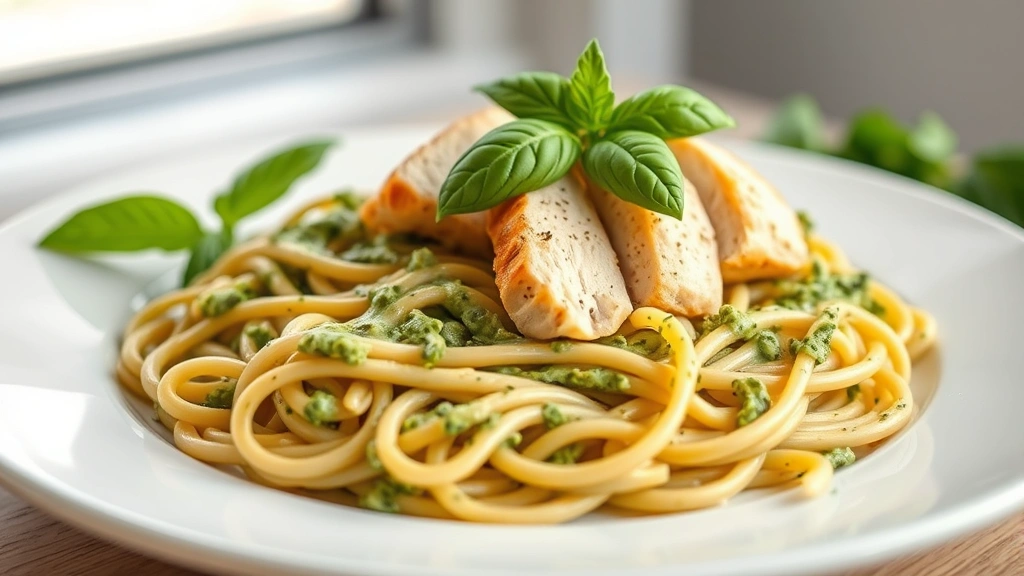
There’s something absolutely magical about a plate of pesto chicken pasta—it’s the kind of dish that tastes like you’ve been cooking all day, yet comes together in under thirty minutes. This recipe has become my go-to for weeknight dinners, date nights at home, and those moments when you want something restaurant-quality without leaving your kitchen.
What makes this pesto chicken pasta truly the best is the combination of juicy, perfectly seasoned chicken paired with a vibrant, herbaceous pesto sauce that clings beautifully to every strand of pasta. The secret isn’t complicated—it’s all about quality ingredients, proper technique, and understanding how each component works together. I’ve learned so much from exploring different pasta shapes and pesto variations, and I’m thrilled to share my favorite version with you.
The beauty of this dish lies in its versatility. You can use freshly made pesto (which I absolutely recommend), or quality store-bought pesto when life gets busy. You can swap the pasta shape, add sun-dried tomatoes, incorporate fresh mozzarella, or toss in some roasted vegetables. But today, I’m sharing the classic version that has won over every person who’s sat at my table.
I love serving this with a simple side salad dressed in lemon vinaigrette and crusty garlic bread for soaking up every last bit of that gorgeous pesto sauce. Pair it with a crisp white wine like Pinot Grigio or Sauvignon Blanc, and you’ve got yourself a meal that feels special but doesn’t stress you out. This recipe serves four generously, and it’s one of those dishes that actually tastes even better as leftovers the next day.
While you’re exploring pasta recipes with pesto, you might also enjoy creating a beautiful meal by pairing this with Perfect Fraiche Cream Recipe for a luscious dessert. For more inspiration on building a complete menu, check out Best Easy Berry Compote Recipe which pairs wonderfully as a light ending.
Let me walk you through making restaurant-quality pesto chicken pasta in your own kitchen. The technique is straightforward, but paying attention to details like chicken thickness, sauce consistency, and pasta water will elevate your dish from good to absolutely extraordinary. You’ve got this!
For more detailed pasta techniques, check out Serious Eats’ pasta guide, and for pesto variations, Bon Appétit’s classic pesto recipe is incredibly helpful. The New York Times also offers excellent pesto pasta inspiration for when you want to experiment with different approaches.
Ingredients
- 1 pound boneless, skinless chicken breasts (about 2 large breasts)
- 1 pound pasta (penne, fettuccine, or your favorite shape)
- 1 cup fresh basil pesto (homemade or high-quality store-bought)
- 3 tablespoons olive oil, divided
- 1 teaspoon kosher salt, plus more to taste
- ½ teaspoon freshly ground black pepper
- ½ teaspoon garlic powder
- ½ teaspoon Italian seasoning
- ¼ teaspoon red pepper flakes (optional, for subtle heat)
- 1 cup reserved pasta water
- ½ cup heavy cream or half-and-half (optional, for creamier sauce)
- ½ cup freshly grated Parmesan cheese, plus more for serving
- Juice of ½ fresh lemon
- 2 cloves garlic, minced
- Fresh basil leaves for garnish
- Cherry tomatoes, halved (optional)
- Pine nuts, toasted (optional, for garnish)
Instructions
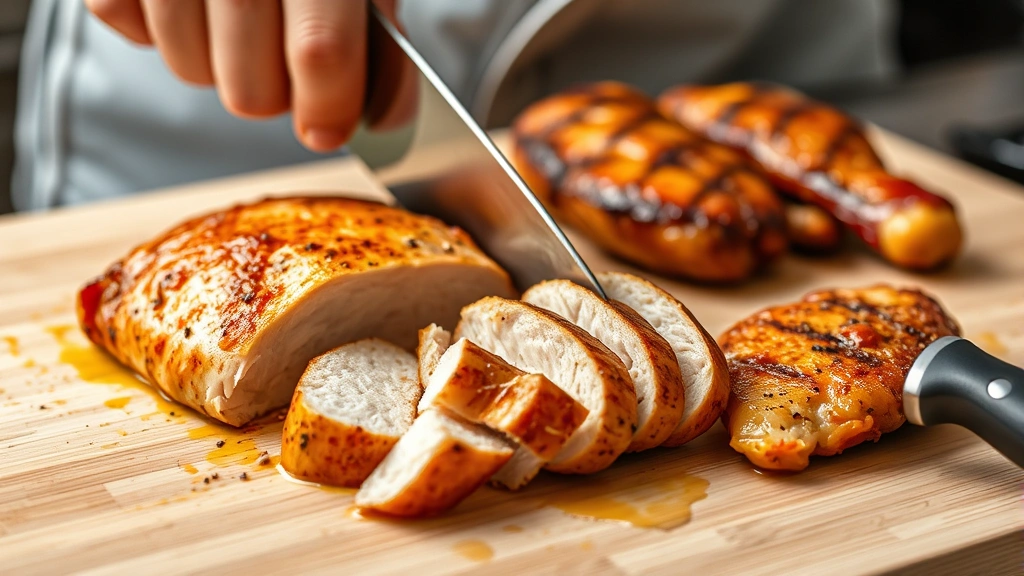
- Pat the chicken breasts dry with paper towels. Place them on a cutting board and, using the palm of your hand or a meat mallet, gently pound each breast to an even thickness of about three-quarters of an inch. This ensures even cooking and prevents dry chicken.
- In a small bowl, combine the kosher salt, black pepper, garlic powder, Italian seasoning, and red pepper flakes. Rub this seasoning mixture all over both sides of the chicken breasts, making sure to coat them evenly. Set aside.
- Bring a large pot of salted water to a rolling boil. Add the pasta and cook according to package directions until al dente. Before draining, reserve at least one cup of the starchy pasta water—this liquid gold is essential for creating a silky sauce. Drain the pasta and set aside.
- While the pasta cooks, heat two tablespoons of olive oil in a large skillet over medium-high heat. Once the oil is shimmering, carefully place the seasoned chicken breasts in the pan. Do not move them around—let them develop a golden crust for about six to seven minutes.
- Flip the chicken breasts and cook for another six to seven minutes on the second side, until the internal temperature reaches one hundred sixty-five degrees Fahrenheit when measured with an instant-read thermometer at the thickest part. Transfer the cooked chicken to a clean cutting board and tent loosely with foil to keep warm.
- In the same skillet (don’t wash it—those browned bits add flavor), heat the remaining tablespoon of olive oil over medium heat. Add the minced garlic and cook for about thirty seconds, stirring constantly, until fragrant.
- Add the pesto to the skillet and stir to combine with the garlic and oil. If you’re using the optional heavy cream, add it now and stir well to create a smooth sauce. Warm the pesto through for about two minutes, stirring occasionally.
- Slowly add the reserved pasta water to the pesto sauce, starting with about one-half cup and stirring constantly. The pasta water will help the pesto coat the noodles beautifully while also loosening the sauce to your desired consistency. You may not need all of the water, so add gradually.
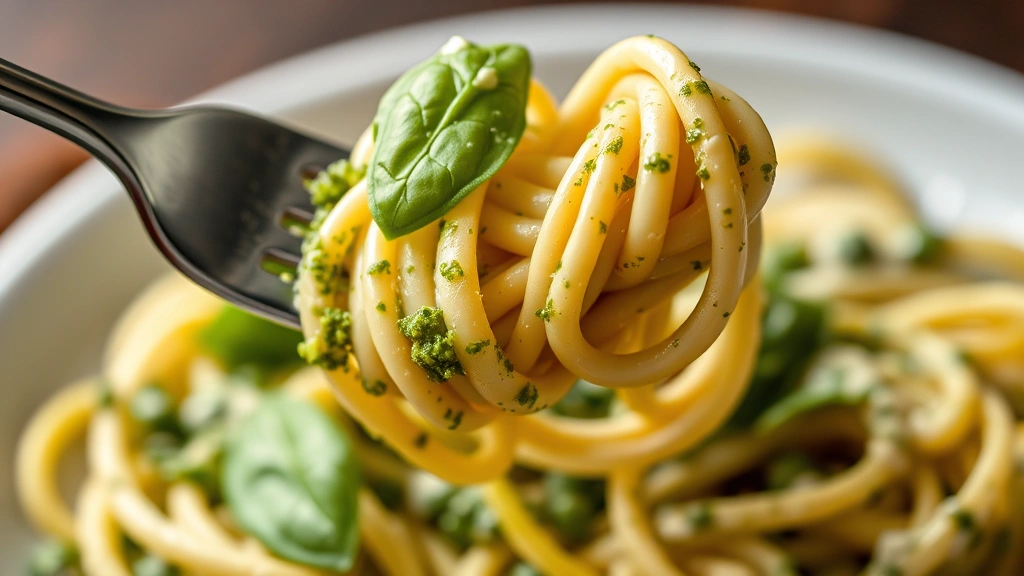
- Add the cooked pasta to the skillet with the pesto sauce and toss gently but thoroughly, ensuring every strand is coated. The starchy pasta water will help the sauce adhere beautifully. Cook together for about one to two minutes.
- Remove the skillet from heat and stir in the freshly grated Parmesan cheese and the juice from the fresh lemon. Taste and adjust seasoning with additional salt and pepper as needed.
- Slice the rested chicken breasts against the grain into strips or bite-sized pieces. You can either arrange them on top of individual plates of pasta or toss them directly into the skillet with the pasta—both presentations are beautiful.
- Divide the pesto chicken pasta among four serving bowls or plates. Top each serving with sliced chicken, additional freshly grated Parmesan cheese, a sprinkle of fresh basil leaves, and optional pine nuts and cherry tomatoes. Serve immediately while hot.
Pro Tips
- The key to tender, juicy chicken is even thickness and not overcooking. Use a meat thermometer to ensure you hit exactly one hundred sixty-five degrees Fahrenheit—no more, no less. Overcooked chicken becomes dry and rubbery, which is why this step is absolutely critical for achieving the best results.
- Making your own pesto takes about five minutes and tastes dramatically better than most store-bought versions. Blend fresh basil, garlic, pine nuts, Parmesan cheese, lemon juice, and olive oil until you reach your desired consistency. However, high-quality store-bought pesto is a perfectly acceptable shortcut on busy weeknights.
- Pasta water is your secret ingredient for silky sauces. The starch in the water helps the sauce adhere to the noodles and creates a cohesive, restaurant-quality dish. Always reserve it before draining!
- This dish can be made ahead and reheated gently in a skillet over low heat with an extra splash of pasta water if needed. The flavors actually deepen after a day or two, making this perfect for meal prep.
- Feel free to customize this recipe with your favorite additions: roasted cherry tomatoes, sun-dried tomatoes, fresh mozzarella balls, spinach, roasted red peppers, or caramelized onions all work beautifully.
- For a lighter version, skip the heavy cream entirely. The pasta water and pesto create plenty of sauce on their own. For a richer version, increase the cream to three-quarters cup.
- Leftover pesto chicken pasta keeps refrigerated for up to four days. Store it in an airtight container and reheat gently on the stovetop, adding a splash of water if the sauce has thickened too much.
- The optional red pepper flakes add a subtle warmth that complements the fresh basil beautifully. Adjust the amount based on your heat preference.
- For a vegetarian version, simply omit the chicken and add extra vegetables like zucchini, mushrooms, or chickpeas for protein and substance.
- Serve this immediately after cooking for the best texture and temperature. However, it’s still delicious served at room temperature the next day for lunch.
Pingback: Alfajores Recipe: Best Authentic Method (Easy!) - Simple Recipe Finder
Pingback: Cajun Alfredo Recipe: Best Creamy Pasta in 20 Minutes - Simple Recipe Finder
Pingback: Cajun Alfredo Sauce Recipe: Best Creamy & Spicy Blend - Simple Recipe Finder