
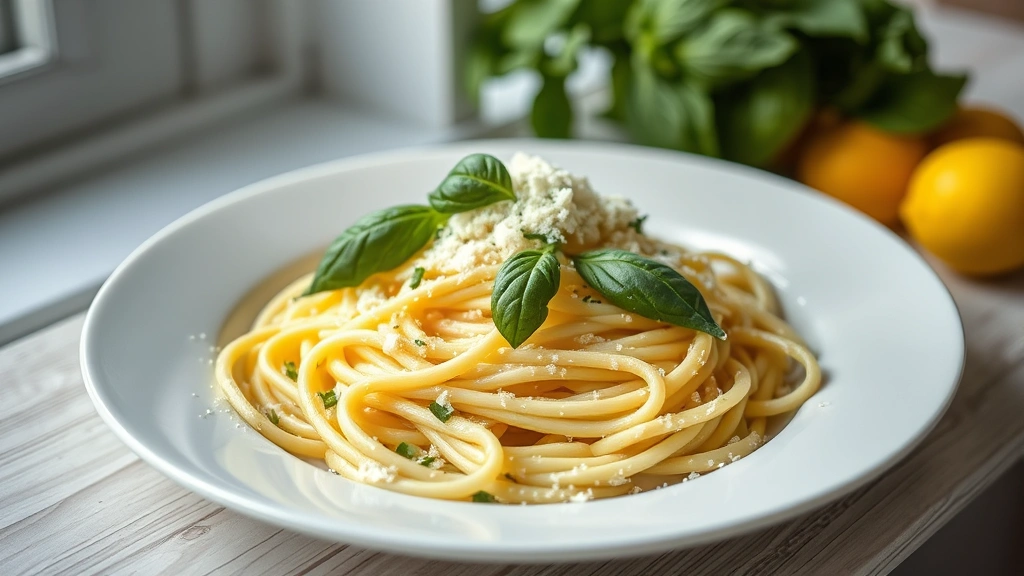
There’s something absolutely magical about a bowl of creamy ricotta pasta that tastes like you’ve been slaving away in an Italian kitchen all day, yet comes together in just minutes. This ricotta pasta recipe is my go-to weeknight dinner that feels fancy enough for entertaining, and honestly, it’s become a staple in our kitchen rotation.
I first fell in love with ricotta pasta during a trip to Rome, where I watched a chef toss together the simplest ingredients—fresh ricotta, pasta water, lemon, and herbs—and create something utterly transcendent. Since then, I’ve been perfecting my own version, and today I’m sharing all my secrets with you. The beauty of this dish lies in its simplicity. Unlike heavy cream-based sauces, ricotta creates this luxurious, silky coating that clings to every strand of pasta without feeling heavy or overly rich.
What makes this ricotta pasta truly the best is understanding that quality ingredients matter here. You’ll want fresh, whole milk ricotta (not the shelf-stable kind), good pasta, fresh lemon, and quality olive oil. The magic happens when these simple ingredients come together with perfectly reserved pasta water—that starchy liquid is your secret weapon for creating the silkiest sauce.
This recipe is endlessly adaptable, making it perfect for any season. In spring, I add fresh peas and asparagus; in summer, burst tomatoes and basil; in fall and winter, roasted mushrooms or crispy pancetta. But today, I’m sharing my favorite classic version with lemon and herbs, which is bright, fresh, and absolutely foolproof. Whether you’re cooking for a crowd or just for yourself, this easy weeknight dinner will become your new favorite.
The technique is just as important as the ingredients. We’re going to bloom the ricotta with garlic, then add reserved pasta water gradually to create an emulsion that coats the noodles perfectly. This method ensures you get that restaurant-quality sauce without any lumps or curdling. I learned this trick from studying traditional Italian cooking, and it’s genuinely changed how I make this dish.
If you’re looking to expand your pasta repertoire, this ricotta base is incredibly versatile. You can treat it like a blank canvas—add quality ingredients and let them shine. The creaminess of the ricotta elevates everything, from simple herbs to roasted vegetables to proteins.
One thing I love about this recipe is that it teaches you a fundamental cooking skill: how to build flavor and texture with minimal ingredients. This is the kind of cooking that looks effortless but actually requires technique and understanding. Once you master this ricotta pasta, you’ll find yourself making it constantly—it’s that good and that easy.
For more pasta inspiration, check out my guide on creating foolproof recipes and simple techniques that work every time. And if you want to round out your meal, my dessert collection has plenty of options to follow this stunning main course.
Ingredients
- 1 pound fresh pasta (fettuccine, linguine, or pappardelle work beautifully)
- 1 1/2 cups fresh whole milk ricotta cheese, at room temperature
- 4 cloves garlic, minced
- 1/4 cup fresh lemon juice (about 2 lemons)
- Zest of 1 lemon
- 1/2 cup freshly grated Parmigiano-Reggiano cheese, plus more for serving
- 3 tablespoons extra virgin olive oil
- 1/4 cup fresh basil leaves, torn (or fresh parsley if preferred)
- 2 tablespoons fresh mint leaves, torn (optional but recommended)
- Salt and freshly ground black pepper to taste
- Red pepper flakes for garnish
- Reserved pasta water (about 1-2 cups)
Instructions
- Bring a large pot of generously salted water to a rolling boil. The water should taste like the sea—this is your only opportunity to season the pasta itself.
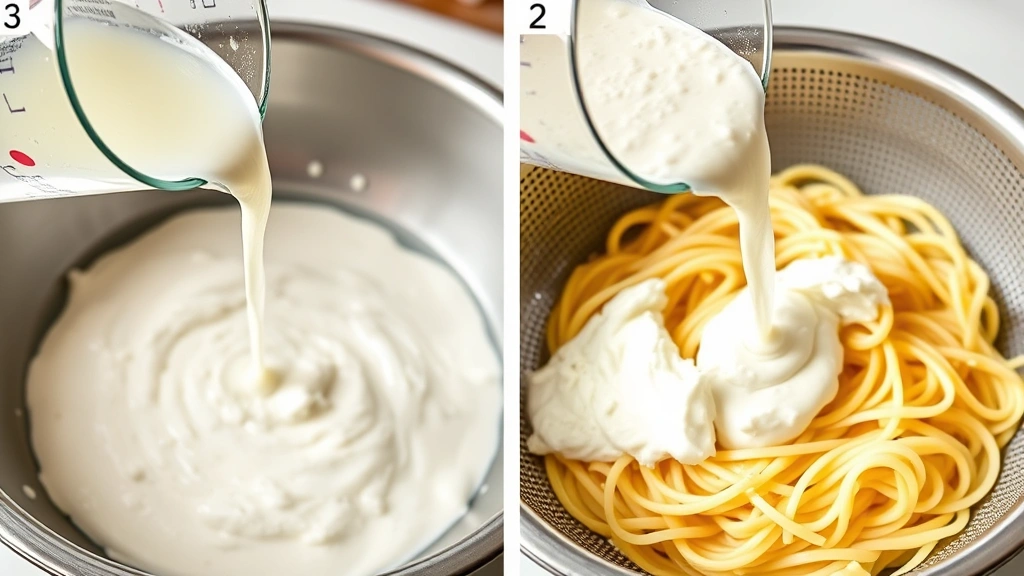
- While the water heats, place the room-temperature ricotta in a large bowl or shallow pasta bowl. This is crucial; cold ricotta won’t emulsify properly with the pasta water.
- Add the minced garlic to the ricotta and stir well to combine, allowing the garlic to soften slightly from the residual warmth of the ricotta.
- Add the lemon juice and lemon zest to the ricotta mixture, stirring gently but thoroughly until well combined. The ricotta may look slightly curdled—this is normal and will smooth out.
- Stir in the grated Parmigiano-Reggiano cheese, mixing until you have a creamy, textured base for your sauce.
- Drizzle in the extra virgin olive oil while stirring constantly to create an emulsified mixture. Set this aside while you cook the pasta.
- Add the pasta to the boiling water and cook according to package directions until al dente, usually about 2-3 minutes for fresh pasta (do not overcook).
- Just before draining the pasta, reserve 1 to 2 cups of the starchy pasta cooking water in a measuring cup or small bowl.
- Drain the pasta in a colander but do not rinse it—you want all that starch to help create the sauce.
- Immediately add the hot drained pasta to the ricotta mixture, gently tossing to combine.
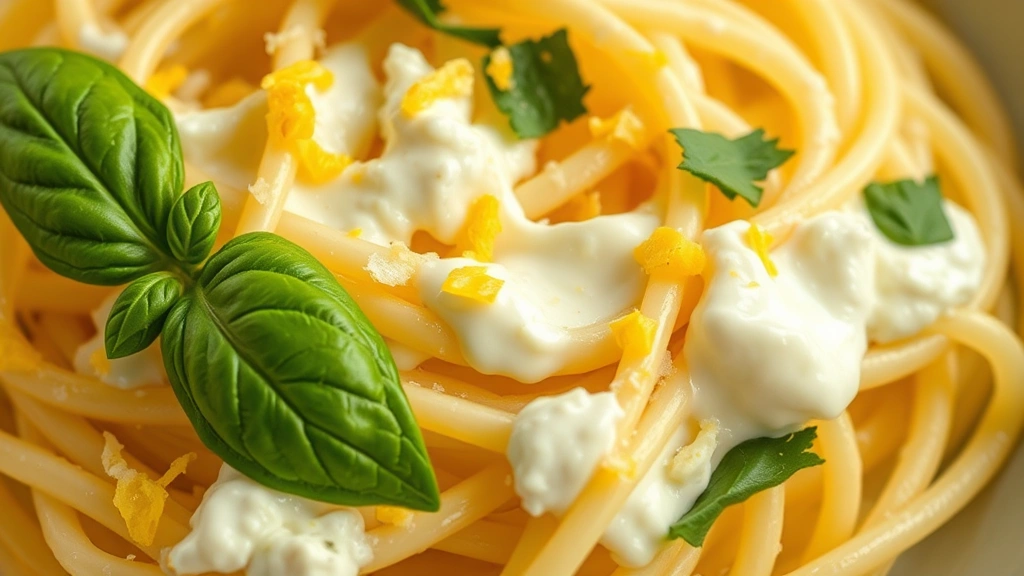
- Add the reserved pasta water, one ladle at a time, folding and tossing gently until the sauce becomes creamy and coats every strand of pasta. You may not need all the water, and that’s okay.
- Fold in the torn basil and mint leaves, reserving some for garnish.
- Taste and adjust seasoning with salt, freshly ground black pepper, and additional lemon juice if desired.
- Divide among serving bowls or plates and top with additional Parmigiano-Reggiano cheese, fresh herbs, and red pepper flakes.
- Serve immediately while piping hot, as ricotta-based sauces are best enjoyed right away.
Pro Tips
Pasta Water is Your Secret Weapon: This starchy liquid is essential for creating the silky emulsion that coats the pasta. Don’t skip this step or use regular water as a substitute.
Fresh Ricotta Matters: Seek out fresh ricotta from your local Italian market or quality grocery store. The shelf-stable ricotta in plastic tubs produces a different, less creamy result. If you can’t find fresh ricotta, let packaged ricotta sit in a fine-mesh strainer lined with cheesecloth for 30 minutes to remove excess moisture.
Don’t Overcook the Pasta: Fresh pasta cooks incredibly quickly—usually just 2-3 minutes. Overcooked pasta will turn mushy and won’t have the right texture with the delicate sauce. Start checking at 2 minutes.
Garlic Options: For a less aggressive garlic flavor, you can infuse the olive oil with sliced garlic first, then remove it before adding to the ricotta. Or use roasted garlic cloves instead of raw minced garlic for a sweeter, mellow flavor.
Citrus Balance: The lemon is what makes this dish sing. If you prefer a less pronounced lemon flavor, start with 2 tablespoons juice and add more to taste. Conversely, if you love bright citrus, add an extra tablespoon.
Variations and Add-Ins: This recipe is incredibly versatile. Add crispy pancetta or guanciale, roasted cherry tomatoes, fresh peas, sautéed mushrooms, or roasted asparagus. Keep any additions warm and fold them in at the end to preserve texture. You can also make this with brown butter and sage for a different flavor profile.
Make It Ahead: You cannot make the finished pasta ahead, but you can prepare the ricotta mixture up to 4 hours in advance. Cover and refrigerate, then bring to room temperature before tossing with the hot pasta. This makes it perfect for entertaining.
Cheese Selection: While Parmigiano-Reggiano is traditional, you can experiment with Pecorino Romano for a sharper taste or a combination of both. Freshly grate your cheese—pre-grated cheese contains anti-caking agents that affect the sauce texture.
Herb Combinations: Basil and mint are my favorite, but fresh parsley, dill, or tarragon work beautifully too. Fresh herbs are preferable to dried in this recipe since they’re added at the end.
Serving Suggestions: Pair with a crisp white wine like Pinot Grigio or Vermentino. A simple green salad with a bright vinaigrette complements this rich pasta perfectly. For dessert, consider something light and refreshing.
Storage Notes: While best served immediately, leftovers can be refrigerated for 1-2 days. Reheat gently on the stovetop with additional pasta water or cream to restore creaminess. The sauce will thicken as it cools.
Pingback: Best Mac and Cheese Recipe: Creamy & Easy Homemade - Simple Recipe Finder
Pingback: Coffee Syrup Recipe: Easy Homemade in 5 Minutes - Simple Recipe Finder
Pingback: Dulce de Leche Recipe: Easy Homemade in 3 Ways - Simple Recipe Finder