
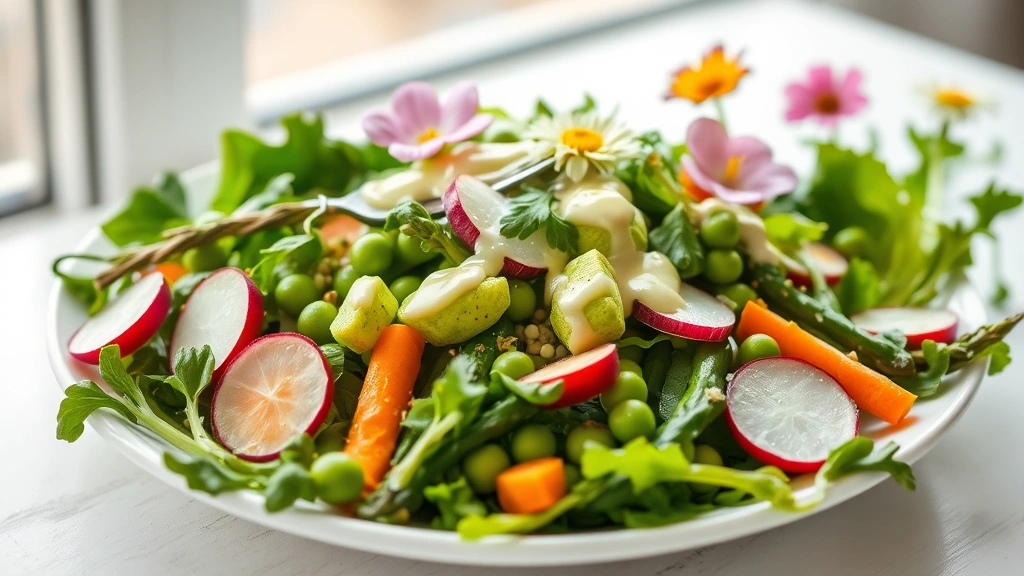
There’s something absolutely magical about serving a beautiful Easter salad at your spring gathering—it’s the perfect way to celebrate the season with fresh, vibrant flavors and gorgeous presentation. This Easter salad recipe combines tender greens, crisp vegetables, and a light vinaigrette that feels both elegant and effortless, making it an ideal addition to your holiday table.
I absolutely love creating salads that feel special enough for Easter dinner but are simple enough to prepare without stress. This recipe features a lovely mix of spring vegetables, fresh herbs, and a delicate dressing that lets all the ingredients shine. The beauty of this salad is its versatility—you can easily swap in seasonal produce you have on hand, making it perfect for any Easter celebration.
When I’m planning my Easter menu, I always start with a stunning salad because it sets the tone for the entire meal. The freshness and brightness of spring vegetables remind us that warmer days are ahead, and there’s something deeply satisfying about that seasonal celebration. Whether you’re hosting a large family gathering or an intimate brunch, this salad will impress your guests with its sophisticated flavors and beautiful presentation.
The key to making this Easter salad truly spectacular is using the freshest ingredients you can find. Visit your farmers market if possible, and select vegetables that are vibrant and crisp. The dressing is where the magic happens—it’s light enough to let the vegetables take center stage but flavorful enough to tie everything together beautifully.
I’ve included helpful tips throughout this recipe to ensure your salad turns out perfectly every single time. From selecting the best greens to achieving the perfect vinaigrette consistency, you’ll find guidance that will make you feel confident in the kitchen. Don’t be afraid to get creative with your vegetable selections based on what’s available in your area and what your family enjoys.
This recipe pairs wonderfully with so many Easter mains, from glazed ham to roasted lamb to herb-brined turkey. If you’re looking for other side dish inspiration, you might also enjoy our Best Cream Cheese Dip Recipe for appetizers or our Quick Pickled Cabbage Recipe for additional crunch and tang. For complementary flavors, consider our Easy Dried Tomatoes Recipe as a topping option.
The beauty of this salad is that you can prepare many components ahead of time, which makes your Easter day much more relaxed. Wash and dry your greens the day before, prepare your vinaigrette, and even chop your vegetables in advance—just keep everything stored separately until it’s time to assemble. This advance preparation means you can spend more time with your family and guests rather than being stuck in the kitchen.
If you’re looking for additional inspiration for your Easter spread, check out Best Ranch Dip Recipe or our Best Dill Dip Recipe for appetizers that pair beautifully with this salad. These dips are perfect for serving while dinner is being prepared, keeping guests happy and entertained.
For external inspiration and techniques, I recommend checking out Serious Eats’ guide to green salads for additional salad-making tips. You might also enjoy Bon Appétit’s spring salad inspiration for creative variations. For vinaigrette techniques, The New York Times’ vinaigrette guide offers excellent foundational knowledge. Additionally, Serious Eats’ salad dressing guide provides deeper understanding of emulsification and flavor balancing. For seasonal produce selection, Bon Appétit’s spring ingredients feature showcases what’s at peak freshness.
Ingredients
- 8 cups mixed spring greens (combination of butter lettuce, arugula, and baby spinach)
- 2 cups fresh peas or sugar snap peas, lightly blanched
- 1 bunch fresh asparagus, trimmed and cut into 2-inch pieces
- 1 cup baby carrots, thinly sliced or halved lengthwise
- 1 cup radishes, thinly sliced
- 1 bunch fresh green onions, white and light green parts only, sliced into 1-inch pieces
- 1 cup English cucumber, diced or sliced into half-moons
- ½ cup fresh herbs (combination of dill, parsley, and chives), chopped
- ¼ cup grated Parmigiano-Reggiano cheese
- ¼ cup sliced or slivered almonds, lightly toasted
- 3 tablespoons fresh lemon juice
- 1 tablespoon fresh lime juice
- 1 tablespoon Dijon mustard
- 1 teaspoon honey
- ¼ cup extra-virgin olive oil
- 2 tablespoons grapeseed oil
- 1 clove garlic, minced
- Sea salt and freshly ground black pepper to taste
- Optional: edible flowers for garnish
Instructions
- Prepare all your vegetables by washing them thoroughly under cool running water. Pat them completely dry using paper towels or a clean kitchen cloth—this step is crucial because excess moisture will dilute your dressing and make the salad soggy.
- For the asparagus, fill a medium pot with salted water and bring it to a boil. Add the trimmed asparagus pieces and blanch for 2-3 minutes until they’re bright green and tender-crisp, then immediately transfer them to an ice bath to stop the cooking process. Drain well and set aside.
- If using fresh peas in the pod, shell them now. If using sugar snap peas, you can leave them whole or slice them lengthwise for a more delicate presentation. Fresh peas can be eaten raw, but if you prefer them slightly tender, you can blanch them for just 1-2 minutes alongside the asparagus.
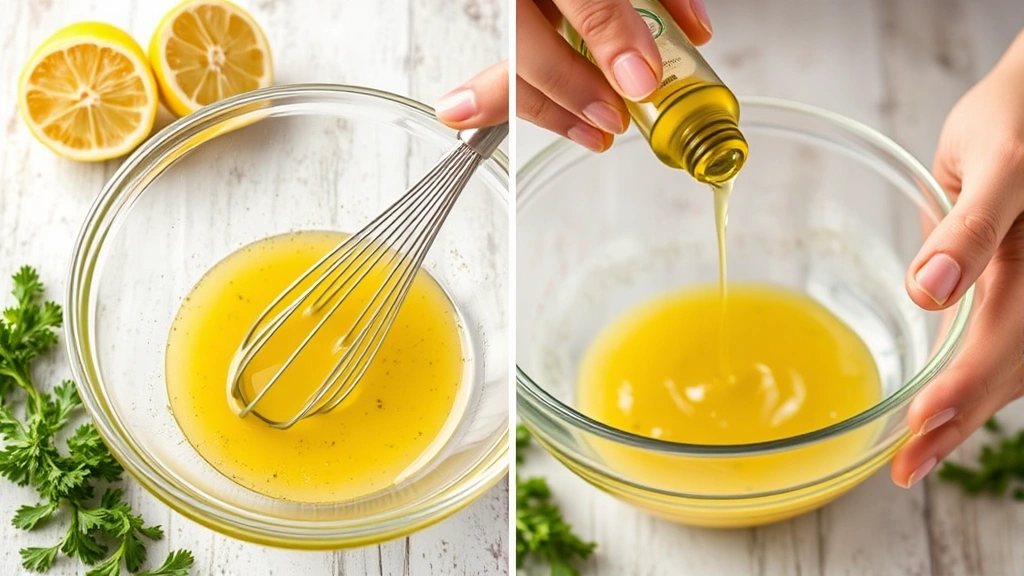
- In a small mixing bowl, combine the fresh lemon juice, lime juice, Dijon mustard, minced garlic, and honey. Whisk these ingredients together until the honey is fully dissolved and the mixture is well combined.
- While whisking continuously, slowly drizzle in the extra-virgin olive oil and grapeseed oil in a thin stream. The slow incorporation of oil will help create an emulsified dressing that clings beautifully to the greens. Continue whisking until the dressing is pale, slightly thickened, and well combined.
- Taste your vinaigrette and season generously with sea salt and freshly ground black pepper. Remember that the dressing needs to be flavorful on its own because it will coat the mild spring greens—don’t be shy with seasoning.
- Lightly toast your sliced or slivered almonds in a dry skillet over medium heat for 2-3 minutes, stirring frequently, until they’re fragrant and lightly golden. This step enhances their flavor and adds a beautiful crunch to the finished salad. Set them aside to cool.
- In a large serving bowl or on a platter, arrange your mixed spring greens as the base. Layer them gently to create height and visual interest rather than piling them flat.
- Distribute all your prepared vegetables evenly across the greens: arrange the asparagus pieces, peas, carrot slices, radish slices, cucumber, and green onions in a visually appealing pattern. You want each component to be visible and accessible when serving.
- Sprinkle the chopped fresh herbs (dill, parsley, and chives) evenly over the top of the salad. The bright green herbs add both flavor and a fresh, spring-like appearance to your dish.
- Just before serving, drizzle your vinaigrette over the salad in a circular pattern. Start with about three-quarters of the dressing and toss gently to coat everything evenly. Add more dressing if needed, but remember that it’s better to under-dress and let guests add more than to over-dress and create a soggy salad.
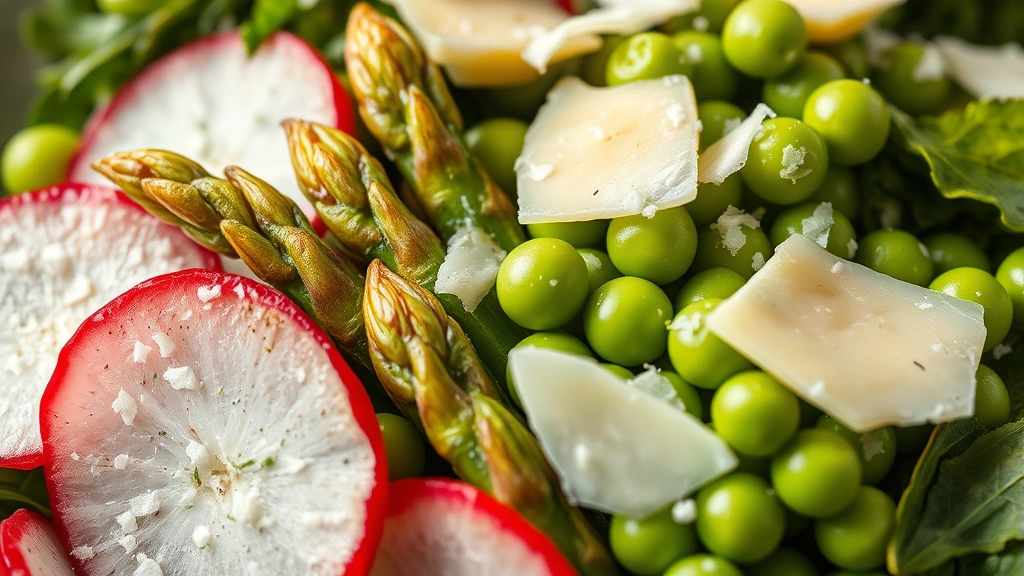
- Top with the toasted almonds and grated Parmigiano-Reggiano cheese. If using edible flowers for garnish, scatter them over the top now for a beautiful finishing touch that really captures the Easter spirit.
- Serve immediately while the greens are crisp and cold. The salad is best enjoyed right after assembly to maintain the texture contrast between tender greens and crisp vegetables.
Pro Tips
Vegetable Variations: Feel free to swap vegetables based on seasonal availability and personal preference. Cherry tomatoes, fennel, shaved beets, or blanched green beans all work beautifully in this salad. If you can’t find certain vegetables, choose what looks freshest at your market.
Herb Options: While dill, parsley, and chives are recommended, you can use tarragon, basil, mint, or a combination of whatever fresh herbs you have available. Fresh mint adds a particularly springy note that works wonderfully for Easter.
Nut Alternatives: If you have nut allergies in your group, substitute the almonds with toasted pumpkin seeds or sunflower seeds for similar crunch and nutrition. You could also add crispy croutons made from crusty bread.
Cheese Variations: Parmigiano-Reggiano is classic, but you could also use crumbled goat cheese, shaved Pecorino Romano, or crispy bacon bits for different flavor profiles. Each choice brings something special to the table.
Vinaigrette Storage: The vinaigrette will keep in a sealed glass jar in the refrigerator for up to 5 days. It may separate as it sits—this is completely normal. Simply shake or whisk it again before using. The emulsification might break down slightly, but it will still taste delicious.
Serving Size: This recipe serves 8-10 people as a side salad with an Easter dinner. If you’re serving it as a main course salad, you can add grilled chicken, shrimp, or hard-boiled eggs to make it more substantial. The basic recipe creates a generous side that won’t overwhelm your other dishes.
Blanching Vegetables: Blanching the asparagus and peas brightens their color and softens them slightly while maintaining their crisp texture. The ice bath is crucial—it stops the cooking process immediately and helps them retain their vibrant green color.
Emulsifying Your Dressing: The key to a great vinaigrette is patience. Add your oil slowly while whisking constantly. This allows the acid to properly break down the oil into tiny droplets, creating a stable, creamy dressing that coats the greens beautifully.
Taste Testing: Always taste your vinaigrette before adding it to the salad. It should be bright, balanced, and perhaps slightly more flavorful than you want the final salad to be, since the greens will dilute it slightly.
Presentation Ideas: Arrange this salad on a large wooden board or ceramic platter for maximum visual impact. The bright colors of spring vegetables really shine when displayed beautifully, making your Easter table feel festive and special.
Pingback: Almond Paste Recipe: Easy Homemade in 5 Minutes - Simple Recipe Finder
Pingback: Cottage Cheese Chips Recipe: Crispy Low-Carb Snack in 15 Min - Simple Recipe Finder