
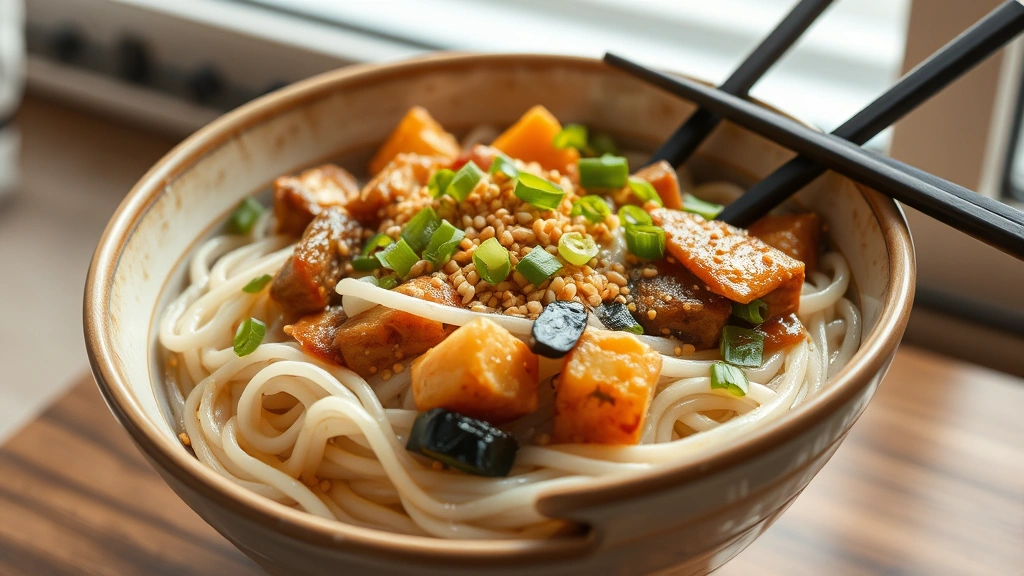
Shirataki noodles are a game-changer for anyone looking to enjoy delicious, satisfying pasta dishes without the guilt! These translucent, gelatinous noodles made from konjac root are virtually calorie-free and packed with fiber, making them the perfect choice for health-conscious home cooks. Whether you’re following a low-carb lifestyle, managing your weight, or simply exploring new ingredients, this recipe will show you exactly how to prepare shirataki noodles so they taste absolutely incredible.
I absolutely love working with shirataki noodles because they’re so versatile and incredibly easy to prepare. The key to making them taste amazing is all in the preparation—rinsing them thoroughly and cooking them properly makes all the difference in the world. In this guide, I’m sharing my tried-and-true method that delivers perfectly tender noodles with just the right texture every single time.
This shirataki noodles recipe is inspired by classic Asian noodle dishes, but you can easily customize it to match your personal preferences and dietary needs. I’ve included a simple garlic and ginger-infused sauce that complements the noodles beautifully, along with fresh vegetables and protein options that make this a complete, restaurant-quality meal you can prepare right in your own kitchen.
What I love most about this recipe is that it comes together in under 20 minutes, making it perfect for busy weeknights when you want something healthy but don’t have a lot of time to spend cooking. You’ll be amazed at how restaurant-quality this turns out, and your family will be asking for seconds! Check out our homemade ice cream recipe for a lighter dessert option to follow this meal.
The beauty of shirataki noodles is that they’re completely customizable to your taste preferences. You can make them Asian-inspired with soy sauce and sesame oil, or transform them into a lighter Italian-style dish with garlic and olive oil. Try pairing this with our peach smoothies recipe for a refreshing beverage option.
If you’re looking for more noodle inspiration, Serious Eats has excellent resources on pasta and noodle techniques. For additional sauce ideas and variations, Bon Appétit offers creative takes on Asian noodle dishes. You can also explore New York Times Cooking for professional chef techniques. For more comfort food options, explore our cookies and cream ice cream recipe or our churro cheesecake recipe for dessert inspiration.
Ingredients
- 2 packages (8 oz) shirataki noodles, drained
- 3 tablespoons low-sodium soy sauce
- 2 tablespoons sesame oil
- 1 tablespoon rice vinegar
- 2 cloves garlic, minced
- 1 tablespoon fresh ginger, minced
- 1 teaspoon honey
- 1/2 teaspoon red pepper flakes (optional)
- 2 cups fresh vegetables (bell peppers, broccoli, carrots, snap peas)
- 4 oz protein of choice (shrimp, chicken, tofu, or beef)
- 2 green onions, sliced
- 1 tablespoon sesame seeds
- 2 cups vegetable or chicken broth
- 1 tablespoon cornstarch (optional, for thicker sauce)
- Salt and pepper to taste
Instructions
- Remove shirataki noodles from their package and place them in a fine-mesh strainer. Rinse thoroughly under cold running water for at least 30 seconds, making sure to separate any clumped noodles as you rinse.
- Bring a large pot of water to a rolling boil. Add the rinsed shirataki noodles and cook for 2-3 minutes. This boiling step helps remove any remaining odor and improves the texture significantly.
- Drain the cooked noodles using the fine-mesh strainer and set aside. Pat them dry gently with a paper towel if they seem too wet.
- In a small bowl, whisk together the soy sauce, sesame oil, rice vinegar, minced garlic, minced ginger, honey, and red pepper flakes. Set the sauce mixture aside.
- Heat 1 tablespoon of sesame oil in a large skillet or wok over medium-high heat. Once the oil is shimmering, add your protein of choice and cook until nearly done, approximately 3-4 minutes for shrimp or 5-6 minutes for chicken.
- Add the fresh vegetables to the skillet with the cooked protein. Stir-fry everything together for 3-4 minutes until the vegetables are tender-crisp and maintain their vibrant colors.
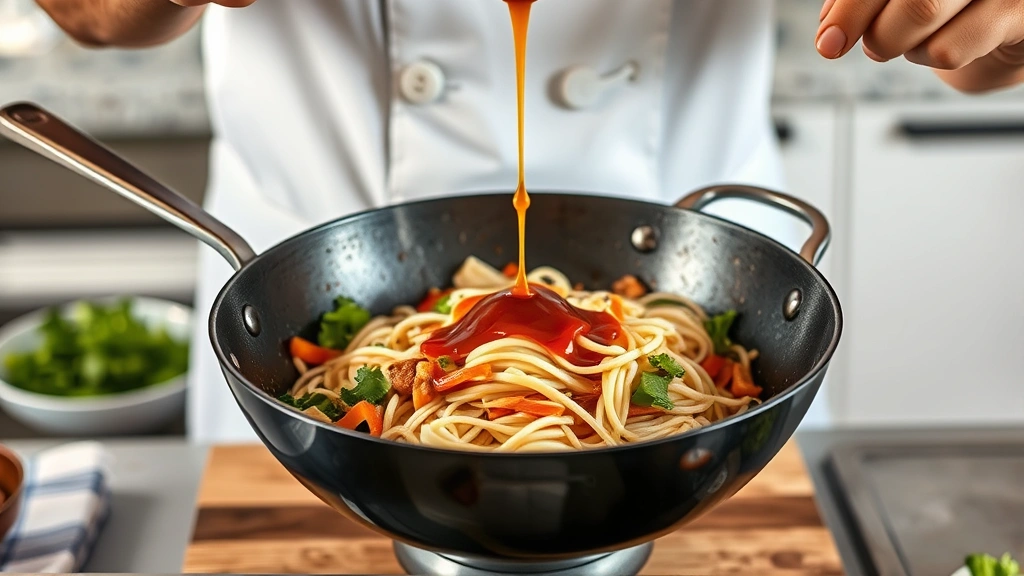
- Pour the prepared sauce mixture into the skillet with the vegetables and protein. Stir everything together well to coat evenly.
- Add the prepared shirataki noodles to the skillet and toss everything together gently but thoroughly, making sure the noodles are well coated with the sauce and mixed evenly with the vegetables and protein.
- If you prefer a thicker sauce, mix 1 tablespoon of cornstarch with 2 tablespoons of water to create a slurry, then pour it into the skillet while stirring constantly. Cook for an additional 1-2 minutes until the sauce reaches your desired consistency.
- Taste the dish and adjust seasonings with additional salt and pepper as needed. Remember that shirataki noodles are quite neutral in flavor, so don’t be shy with seasonings.
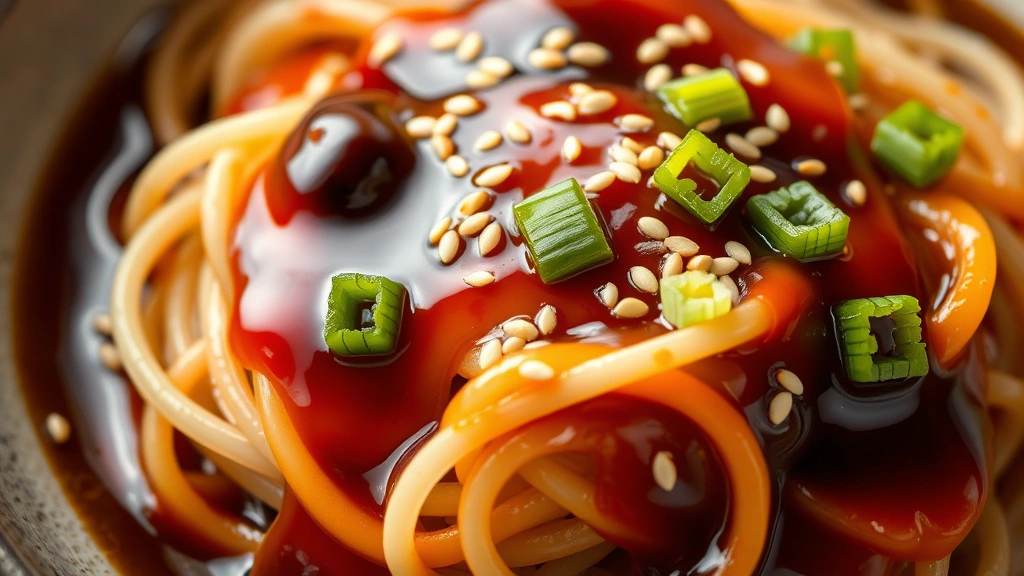
- Divide the noodle mixture between two bowls or plates. Garnish generously with sliced green onions and sesame seeds for color and extra flavor.
- Serve immediately while hot, and enjoy this delicious, low-carb, guilt-free noodle dish!
Pro Tips
Boiling the Noodles: While some people prefer to skip boiling, I highly recommend doing this step as it significantly improves the texture and reduces any unpleasant odors. Three minutes in boiling water is all you need.
Sauce Customization: Feel free to adjust the sauce to your taste preferences. If you prefer spicier dishes, increase the red pepper flakes or add sriracha. For a sweeter sauce, add more honey. For extra umami flavor, add a teaspoon of fish sauce.
Protein Options: This recipe works beautifully with virtually any protein. Shrimp cooks quickly and pairs wonderfully with the Asian flavors. Chicken breast is economical and family-friendly. Tofu is perfect for vegetarian and vegan diets. Beef or ground meat creates a heartier version.
Vegetable Variations: Use whatever fresh vegetables you have on hand. Broccoli, carrots, bell peppers, snap peas, mushrooms, and zucchini all work wonderfully. Aim for about 2 cups of vegetables total to maintain the proper ratio in the dish.
Make-Ahead Options: You can prepare the sauce and chop your vegetables ahead of time, storing them in separate containers in the refrigerator. However, prepare the shirataki noodles right before cooking, as they don’t store well after being rinsed and boiled.
Storage Instructions: Leftover shirataki noodle dishes can be stored in an airtight container in the refrigerator for up to three days. Reheat gently in a skillet over medium heat, adding a splash of water if the sauce has been absorbed.
Nutrition Information: Shirataki noodles contain approximately 5-10 calories per serving and virtually no carbohydrates, making them an excellent choice for low-carb and keto diets. They’re high in soluble fiber, which supports digestive health and keeps you feeling full longer.
Texture Notes: The texture of shirataki noodles is quite different from traditional wheat pasta. They’re more gelatinous and tender, which some people love and others need time to adjust to. Don’t judge them too quickly; many people find they prefer the unique texture once they’ve tried properly prepared shirataki noodles.
Seasoning Recommendations: Because shirataki noodles are fairly neutral in flavor, this recipe relies on the sauce for taste. Don’t be conservative with garlic, ginger, and soy sauce. These ingredients really shine when properly featured in the dish.
Pingback: Easy Japanese Recipes: 10 Best Dishes for Beginners - Simple Recipe Finder