
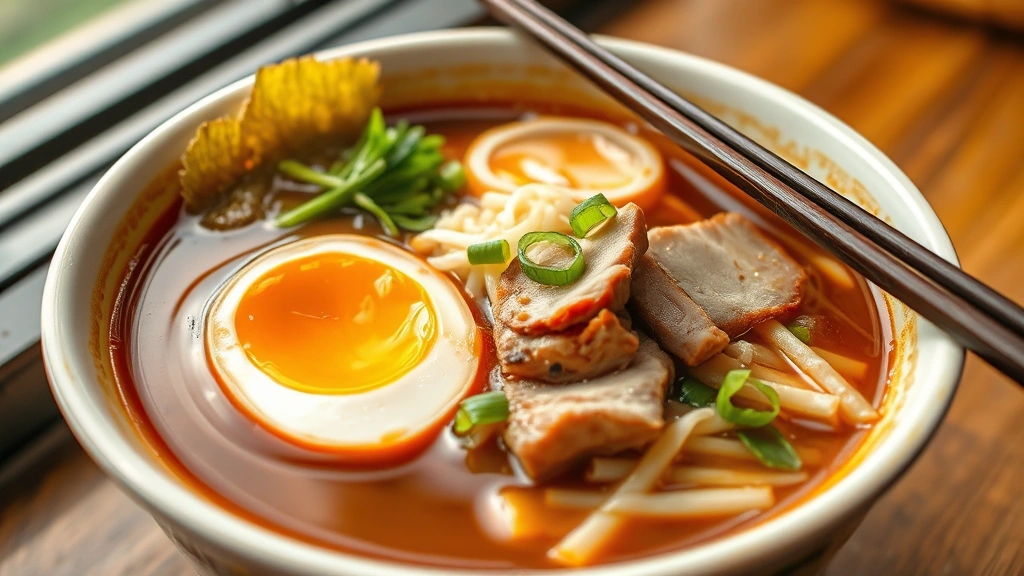
Shoyu ramen is a beloved Japanese noodle dish that brings together rich, savory flavors in one beautiful bowl. This classic soy-based broth has been perfected over generations in Japan, and now you can recreate that authentic experience right in your own kitchen. The beauty of shoyu ramen lies in its balance—a deeply flavorful broth made from simmered bones and aromatics, paired with silky noodles and a variety of toppings that add texture and depth.
Making authentic shoyu ramen at home might seem intimidating, but breaking it down into manageable components makes it entirely achievable. The key is understanding that great ramen comes from patience and attention to detail. You’ll start by building a robust broth that simmers for hours, developing complex umami flavors that simply can’t be rushed. While the broth works its magic on the stove, you can prepare your toppings and gather your ingredients for the final assembly.
This recipe guides you through making ramen from scratch, including a simplified broth method perfect for home cooks. If you’re looking for more inspiration in the kitchen, check out our Best Chocolate Bundt Cake Recipe or explore our Perfect Mochi Cake Recipe for dessert inspiration.
What makes shoyu ramen truly special is the tare—the concentrated flavoring base that gets combined with the broth. Tare is typically made from soy sauce, mirin, sake, and other seasonings that pack serious flavor into a small amount of liquid. This approach allows you to customize your ramen experience and make adjustments to suit your taste preferences. The broth itself should be clean and refined, allowing the soy flavor to shine through without overwhelming the palate.
There’s something deeply satisfying about slurping a bowl of homemade shoyu ramen. The noodles should have a slight firmness (what the Japanese call “al dente”), and they should be coated in that glossy, savory broth. The toppings—soft-boiled eggs, bamboo shoots, green onions, and tender pork—add layers of flavor and make every spoonful interesting. This is comfort food at its finest, and once you’ve mastered this recipe, you’ll understand why ramen lovers are so passionate about their bowls.
For more culinary adventures, explore our Best Jello Poke Cake Recipe or our Best Chantilly Cream Recipe. For professional techniques and deeper insights into ramen preparation, check out Serious Eats and Bon Appétit for additional resources. You can also find inspiration on New York Times Cooking for more ramen variations and Asian noodle dishes.
Ingredients
- 3 pounds chicken bones or 2 pounds pork bones (or combination)
- 2 inch piece fresh ginger, smashed
- 4 cloves garlic, smashed
- 1 large onion, halved
- 3 dried shiitake mushrooms
- 2 carrots, cut into chunks
- 2 green onions, cut into 2-inch pieces
- 10 cups water
- ½ cup soy sauce (shoyu)
- 3 tablespoons mirin
- 2 tablespoons sake
- 1 tablespoon sugar
- 1 teaspoon salt
- 1 sheet nori (seaweed), cut into strips
- 4 ramen noodles (fresh or dried)
- 4 large eggs
- 8 ounces pork belly or pork shoulder, thinly sliced
- 1 cup bamboo shoots (menma)
- 2 green onions, sliced thin (for garnish)
- 1 teaspoon sesame oil
- ½ teaspoon white pepper
- Chili oil or rayu (optional, for heat)
Instructions
- Prepare your ingredients by smashing the ginger and garlic, halving the onion, and cutting the carrots into chunks. This preparation ensures that all aromatics will release their flavors into the broth efficiently.
- Blanch the bones by placing them in a large pot of cold water and bringing to a boil over high heat. Once boiling, drain and rinse the bones thoroughly under cold running water. This step removes impurities and ensures a clear, clean broth.
- In a large stockpot, combine the cleaned bones with 10 cups of fresh water. Bring to a boil over high heat, then immediately reduce to a gentle simmer.
- Add the smashed ginger, garlic, halved onion, dried shiitake mushrooms, carrots, and green onion pieces to the simmering broth.
- Maintain a gentle simmer for 4 to 5 hours, skimming off any foam or impurities that rise to the surface during the first 30 minutes. The longer you simmer, the more developed the flavor will be.
- While the broth simmers, prepare the tare by combining ½ cup soy sauce, 3 tablespoons mirin, 2 tablespoons sake, 1 tablespoon sugar, and 1 teaspoon salt in a small bowl. Stir until the sugar dissolves completely. Set aside.
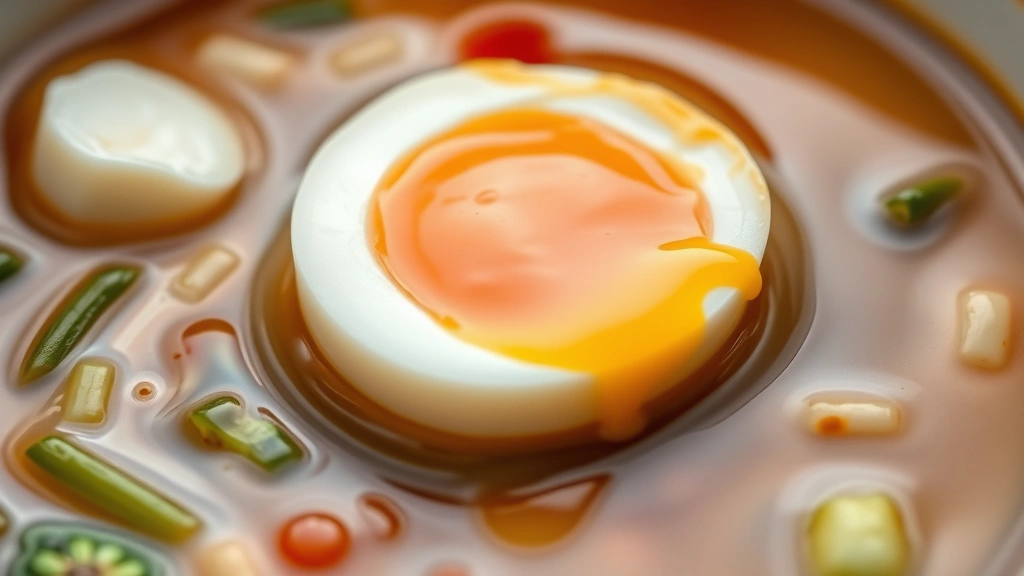
- Bring a separate pot of water to a boil and carefully add the eggs. Boil for exactly 6½ minutes for soft-boiled eggs with jammy yolks. Remove and immediately place in an ice bath to stop the cooking process.
- Once cooled, peel the eggs gently under cool running water, starting from the wider end. Slice each egg in half and set aside for garnish.
- If using pork belly or shoulder, season lightly with salt and sear in a hot skillet until the edges are caramelized, about 2-3 minutes per side. This adds depth and prevents the meat from tasting bland.
- After the broth has simmered for 4 to 5 hours, strain it through a fine mesh sieve into a clean pot, discarding the solids. The broth should be flavorful and slightly reduced.
- Bring a large pot of salted water to a boil for cooking the ramen noodles. This is a separate pot from your broth and should have enough water to cook the noodles according to package directions.
- Cook the ramen noodles according to package directions, usually 3-4 minutes for fresh noodles or 4-5 minutes for dried noodles. Drain and rinse lightly under cool water to prevent sticking.
- To assemble each bowl, pour 2 tablespoons of the prepared tare into a ramen bowl. This concentrated flavoring base is essential for proper seasoning.
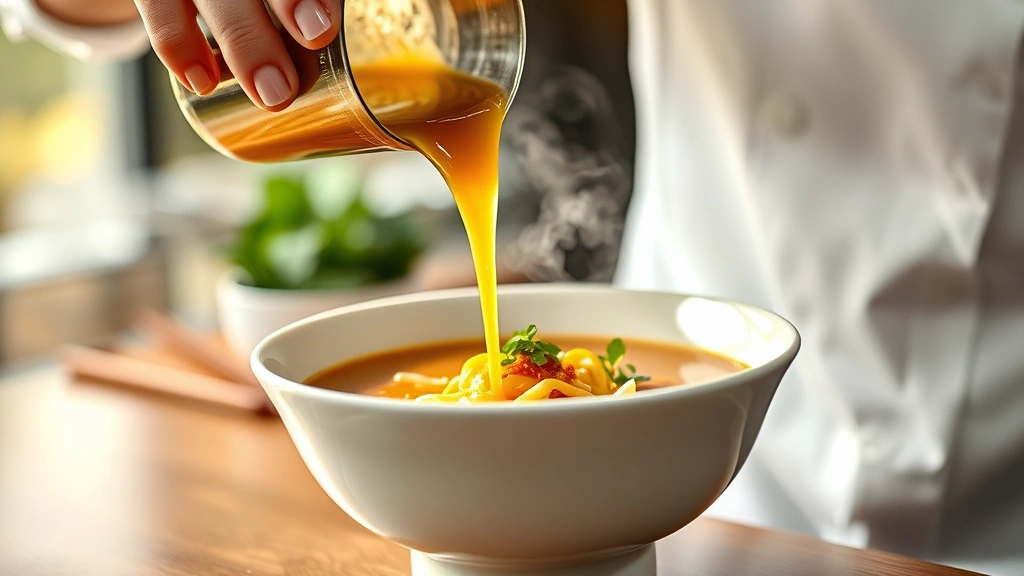
- Heat the strained broth over medium heat until steaming but not boiling. Pour approximately 1½ to 2 cups of hot broth into each bowl with the tare, stirring to combine thoroughly.
- Place a portion of cooked ramen noodles into the center of each bowl.
- Arrange the toppings artfully on top of the noodles: place two egg halves on one side, add bamboo shoots, sliced pork, and nori strips strategically around the bowl.
- Garnish with sliced green onions, a drizzle of sesame oil, and white pepper to taste. Add chili oil if you prefer extra heat and depth.
- Serve immediately while the broth is steaming hot. The temperature is crucial for the best eating experience and proper texture of all components.
Pro Tips
- Broth quality is paramount to ramen success. Using a combination of chicken and pork bones creates a more complex flavor profile than using just one type. Chicken bones make a lighter, cleaner broth while pork bones add richness and body.
- The tare can be made up to one week ahead and stored in an airtight container in the refrigerator. This makes weeknight ramen preparation much faster since your most time-consuming component is already ready.
- If you don’t have time to make broth from scratch, high-quality store-bought chicken or vegetable broth can be used as a base. You’ll want to enhance it with the tare and additional seasonings to approximate the depth of homemade broth.
- Fresh ramen noodles provide superior texture and chewiness compared to dried noodles, but dried noodles work perfectly well if that’s what you have available. Look for ramen noodles specifically, not Asian wheat noodles, as they have the proper texture.
- Soft-boiled eggs are a ramen essential, but the yolk consistency matters. Six and a half minutes gives you that perfect jammy center that’s neither too runny nor too firm. Timing is important, so use a kitchen timer.
- The pork topping can be made with leftover roasted pork, rotisserie chicken, or chashu pork (a traditional braised pork preparation). Any tender, flavorful protein works well.
- Bamboo shoots add essential texture and a subtle sweetness to ramen. They’re available canned in most Asian grocery stores and larger supermarkets. Rinse them before using to remove excess brine.
- Don’t skip the step of blanching and rinsing the bones. This simple action makes a dramatic difference in the clarity and cleanliness of your final broth.
- Sesame oil should be drizzled just before serving as it’s aromatic and can become bitter if heated for extended periods. Use it as a finishing touch only.
- The ratio of tare to broth can be adjusted to your taste preferences. Some people prefer a stronger soy flavor and will use more tare, while others prefer a lighter, more delicate bowl.
- Leftover broth freezes beautifully for up to three months, making it convenient to have components ready for quick ramen assembly on busy weeknights.
- Customize your ramen with additional toppings like corn, mushrooms, spinach, or bean sprouts depending on your preferences and what’s available.
Pingback: Burmese Food Recipes Mohinga: Ultimate Authentic Guide - Simple Recipe Finder