
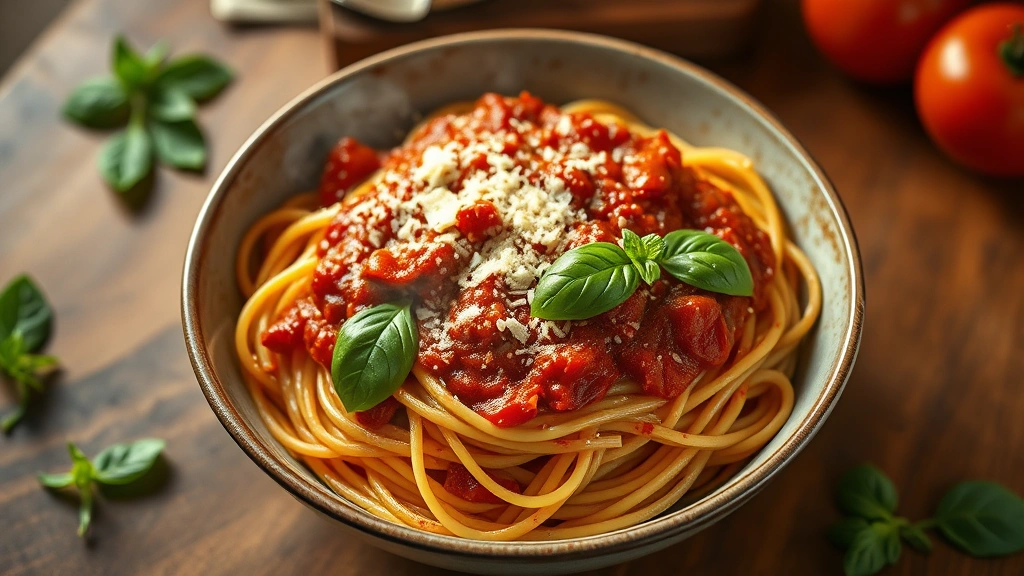
There’s something absolutely magical about a homemade spaghetti sauce simmering on the stove, filling your kitchen with the most wonderful aromas. This quick and easy no-meat spaghetti sauce is the kind of recipe that makes you feel like you’ve been cooking all day, when really you’ve only spent about thirty minutes in the kitchen. It’s vegetarian, budget-friendly, and packed with so much flavor that no one will miss the meat one bit.
I grew up watching my grandmother make sauce on Sunday afternoons, and while her version took hours, I’ve learned that you can create something equally delicious in a fraction of the time. The secret isn’t in long simmering—though that certainly doesn’t hurt—it’s in using quality ingredients and building layers of flavor from the very beginning. This recipe uses a combination of fresh vegetables, aromatic herbs, and a touch of umami to create a sauce that tastes like it’s been cooking for hours.
What I love most about this no-meat spaghetti sauce is its versatility. Sure, it’s perfect tossed with a pound of spaghetti, but it’s also wonderful over zucchini noodles, baked sweet potatoes, or even as a base for hearty vegetable dishes. You can make a big batch and freeze it in portions for those nights when dinner needs to be on the table in minutes. I like to freeze mine in ice cube trays so I can grab exactly the amount I need.
The beauty of this recipe lies in its simplicity. We’re starting with a classic soffritto—that magical combination of onions, garlic, and celery that forms the foundation of so many Italian dishes. Then we add fresh tomatoes (or canned, depending on the season), tomato paste for concentrated flavor, and a selection of herbs that make your whole house smell like an Italian trattoria. A splash of red wine adds depth, while a pinch of sugar balances the acidity of the tomatoes. It’s restaurant-quality sauce that you can make at home.
For those looking to add more vegetables to their diet, this sauce is the perfect vehicle. You can dice up mushrooms, bell peppers, or zucchini and add them right into the pot. I sometimes add a handful of fresh spinach at the end, which wilts into the sauce and adds nutrition without changing the flavor profile. If you want to make it even heartier, consider adding some cooked lentils or white beans for extra protein and fiber.
One of my favorite tips is to taste as you go and adjust the seasonings to your preference. Some people prefer a more garlicky sauce, while others want it to be more herbaceous. Don’t be afraid to experiment with fresh basil, oregano, or even a bit of thyme. Fresh basil added at the very end keeps its bright flavor, while dried herbs work better if they’re added early so they can infuse the sauce.
This recipe is also incredibly forgiving. If you don’t have red wine, you can skip it or use a splash of balsamic vinegar instead. If fresh garlic isn’t your thing, garlic powder works in a pinch. The sauce will taste slightly different, but it will still be delicious. That’s the beauty of cooking—it’s not about following rules perfectly; it’s about understanding the basics and making it work for you.
For more inspiration on creating delicious meatless meals, check out these helpful resources: Bon Appétit’s vegetarian collection offers stunning recipe ideas, while Serious Eats has detailed guides on sauce techniques. For New York Times recipes, their cooking section features wonderful vegetarian options.
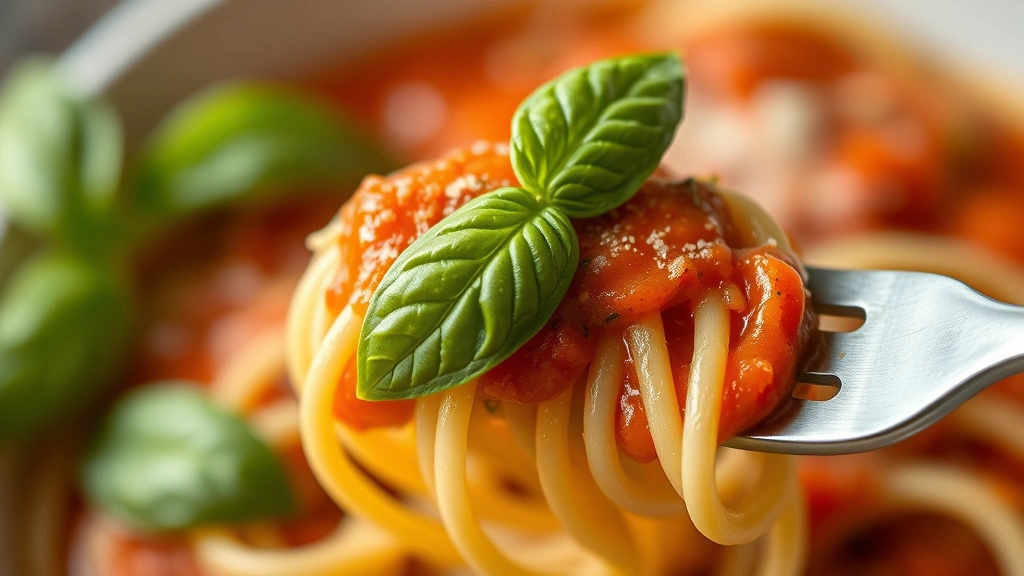
I also love pairing this sauce with fresh pasta when I have time to make it, but honestly, dried spaghetti works beautifully too. The sauce clings to the pasta strands and creates something truly special. Make sure to reserve some pasta water before draining—a splash of that starchy water helps the sauce coat the pasta perfectly and creates a silky finish.
Once you’ve mastered this basic recipe, you’ll find yourself making it again and again. It’s the kind of recipe that becomes a staple in your cooking repertoire, something you can make without thinking because you know it will turn out beautifully every single time. That’s when you know a recipe is truly special—when it becomes second nature and brings comfort to your table.
Ingredients
- 3 tablespoons extra-virgin olive oil
- 1 medium yellow onion, finely diced
- 3 cloves garlic, minced
- 1 celery stalk, finely diced
- 3 tablespoons tomato paste
- 1 can (28 ounces) crushed San Marzano tomatoes
- 1/2 cup dry red wine (optional, or use vegetable broth)
- 2 tablespoons fresh basil, chopped (or 1 tablespoon dried)
- 1 tablespoon fresh oregano, chopped (or 1 teaspoon dried)
- 1 teaspoon sugar or honey
- 1/2 teaspoon salt (adjust to taste)
- 1/4 teaspoon black pepper
- 1/4 teaspoon red pepper flakes (optional)
- 2 tablespoons fresh parsley, chopped
- 1 bay leaf
Instructions
- Heat the extra-virgin olive oil in a large, heavy-bottomed pot or Dutch oven over medium heat. Allow it to warm for about 1 minute until it shimmers.
- Add the diced onion and a pinch of salt to the hot oil. Cook for 4-5 minutes, stirring occasionally, until the onion becomes translucent and begins to soften. This is the beginning of building flavor.
- Stir in the minced garlic and diced celery, cooking for another 2 minutes until fragrant. Be careful not to let the garlic brown, as this can make it bitter.
- Add the tomato paste to the pot and stir continuously for 1-2 minutes. This step is crucial as it caramelizes the paste slightly and deepens the overall flavor of the sauce.
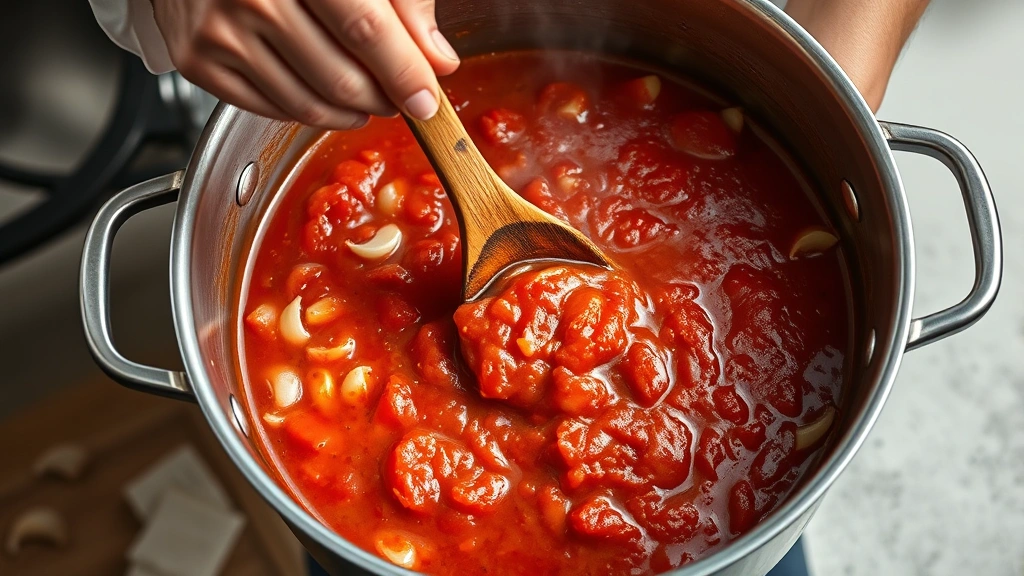
- Pour in the crushed tomatoes and red wine (if using), stirring well to combine all ingredients. Make sure to scrape up any browned bits from the bottom of the pot—that’s where all the flavor lives.
- Add the bay leaf, dried oregano, and dried basil (if using fresh herbs, wait and add them at the end). Stir to combine.
- Season with sugar, salt, pepper, and red pepper flakes if desired. The sugar helps balance the acidity of the tomatoes.
- Bring the sauce to a gentle simmer over medium-high heat. Once it reaches a simmer, reduce the heat to medium-low.
- Let the sauce simmer uncovered for 15-20 minutes, stirring occasionally. The sauce should bubble gently but not aggressively. This allows the flavors to meld together beautifully.
- Taste the sauce and adjust seasonings as needed. Add more salt, pepper, or herbs to your preference.
- If using fresh basil and parsley, stir them in during the last minute of cooking. Fresh herbs maintain their bright flavor when added at the end.
- Remove the bay leaf before serving. Serve the sauce over your favorite pasta, reserving some pasta water to thin the sauce if needed.
- For extra creaminess, you can stir in a splash of heavy cream or a dollop of mascarpone cheese, though this is entirely optional and delicious either way.
Pro Tips
Vegetable Additions: Feel free to customize this sauce with your favorite vegetables. Finely diced mushrooms, bell peppers, zucchini, or even grated carrots can be added when you cook the onions. For a heartier sauce, add cooked lentils, cannellini beans, or crumbled tofu during the last 5 minutes of simmering.
Wine Alternatives: If you prefer not to use wine, substitute with an equal amount of vegetable broth, or simply omit it entirely. The sauce will be slightly less complex but still delicious. A splash of balsamic vinegar can also add depth if you want a non-alcoholic option.
Herb Substitutions: While basil and oregano are traditional, don’t be afraid to experiment. Fresh thyme, marjoram, or even a small amount of fennel can add interesting dimensions. Just remember that dried herbs are more concentrated than fresh, so use about one-third the amount.
Pasta Water Secret: Always reserve at least 1 cup of pasta cooking water before draining. The starchy water helps the sauce coat the pasta more evenly and creates a silky texture. Add a splash at a time if your sauce seems too thick.
Tomato Quality Matters: San Marzano tomatoes are worth the investment for this recipe. They have fewer seeds, less water content, and a sweeter flavor than other varieties. If you can’t find them, look for high-quality crushed tomatoes without added ingredients.
Spice Level Control: If you like heat, add red pepper flakes to taste. If you prefer a milder sauce, skip them entirely or reduce the amount. You can always add more heat gradually, but you can’t remove it once it’s added.
Cream Additions: For a richer sauce, stir in 1/4 cup heavy cream, half-and-half, or even a dollop of mascarpone cheese in the last minute of cooking. This creates a beautiful pink sauce that’s absolutely decadent.
Fresh vs. Canned Tomatoes: In summer when tomatoes are in season, you can use 2 pounds of fresh tomatoes instead of canned. Just blanch them to remove the skins, then roughly chop and use as directed. The flavor will be even more vibrant.
Pingback: Classic Bolognese Recipe Italian: Authentic & Easy - Simple Recipe Finder