
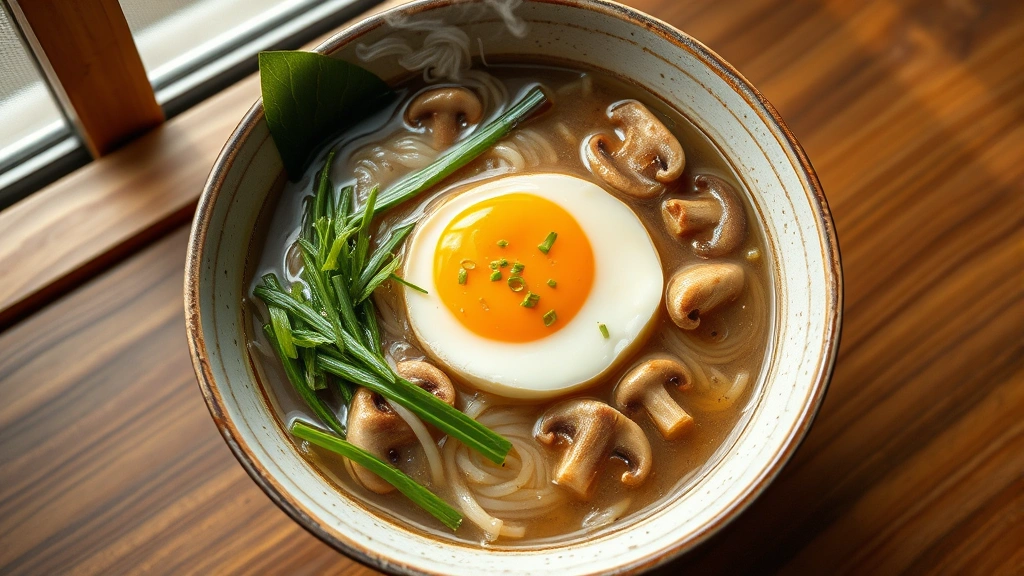
Udon noodle soup is pure comfort in a bowl – silky, tender noodles swimming in a deeply flavorful broth that warms you from the inside out. This classic Japanese dish is easier to make at home than you might think, and the results are absolutely restaurant-quality. The key to the best udon noodle soup lies in building a rich, umami-packed broth that serves as the perfect canvas for chewy udon noodles and your favorite toppings.
Whether you’re a fan of simple broths or prefer loaded bowls with all the fixings, this recipe is incredibly versatile. We’ll walk you through creating a beautiful dashi-based broth from scratch, cooking perfect udon noodles, and assembling a bowl that’s both visually stunning and deeply satisfying. The beauty of udon noodle soup is that it comes together quickly once you have your components ready, making it perfect for weeknight dinners or impressive enough for entertaining.
I love how this dish brings together Japanese culinary traditions with accessible ingredients you can find at most grocery stores. The combination of tender noodles, aromatic broth, and fresh toppings creates a harmonious balance of flavors and textures that keep you coming back for more. Like other beloved noodle dishes, udon noodle soup is best enjoyed fresh and hot, making it a perfect meal for any season.
What makes this recipe special is the attention to detail in each component. The broth is simmered to develop deep, complex flavors, the noodles are cooked until perfectly al dente, and the toppings are chosen to complement and enhance the overall dish. You’ll find that mastering cooking techniques like proper noodle cooking and broth seasoning elevates your home cooking significantly.
This udon noodle soup recipe serves as a foundation that you can customize based on your preferences and what you have on hand. Some days you might want a meat-based broth, other days a vegetarian version works beautifully. The flexibility of this dish is one of its greatest strengths, allowing you to create something uniquely suited to your taste every single time.
For those interested in exploring more Asian noodle dishes, adding complementary Asian sides can round out your meal perfectly. The umami flavors in udon broth pair wonderfully with various vegetables and proteins, giving you endless possibilities for customization.
One thing I always emphasize when making udon noodle soup is the importance of quality ingredients. Fresh or frozen udon noodles make a tremendous difference, and investing in good dashi stock or kombu and bonito flakes for homemade dashi will transform your soup. These small details are what separate good udon noodle soup from exceptional udon noodle soup.
I’m excited to share this recipe with you because it’s one of those dishes that feels fancy but is genuinely approachable for home cooks of any skill level. The cooking process is straightforward, the ingredient list is manageable, and the payoff is enormous. Once you master this basic technique, you’ll find yourself making it regularly, tweaking it based on the seasons and your mood.
For more inspiration on building layered, flavorful broths and soups, exploring different broth-based recipes can expand your cooking repertoire. Each culinary tradition has its own approach to creating warming, nourishing soups that bring people together.
The best part about making udon noodle soup at home is that you control every element – the saltiness of the broth, the thickness of the soup, the ratio of noodles to broth, and every single topping that goes into your bowl. This level of customization means your homemade version can be even better than what you get at restaurants, tailored exactly to your preferences.
Ingredients
- 8 cups water or chicken stock
- 4 inch piece kombu (dried kelp)
- 1 ounce bonito flakes (katsuobushi)
- 3 tablespoons soy sauce
- 2 tablespoons mirin
- 1 tablespoon sake or dry sherry
- 1 teaspoon sugar
- 1 teaspoon salt, plus more to taste
- 1 pound fresh or frozen udon noodles
- 2 cups diced chicken breast or 8 ounces sliced beef (optional)
- 4 green onions, sliced
- 2 eggs
- 1 sheet nori (seaweed), cut into strips
- 1 cup cooked spinach or bok choy
- 1 cup sliced mushrooms, cooked
- 2 tablespoons vegetable oil
- 1 teaspoon white pepper
- Sesame seeds for garnish
- Chili oil or sriracha (optional)
Instructions
- Begin by preparing your dashi broth, which is the foundation of exceptional udon noodle soup. Pour 8 cups of water into a large pot and bring it to a gentle boil over medium-high heat.
- Once the water reaches a boil, add the 4-inch piece of kombu and let it steep for about 5 minutes, then remove it from the heat and let it sit for an additional 5 minutes to infuse its umami flavors.
- Remove the kombu from the pot and increase the heat back to high. Just before the water returns to a rolling boil, add the bonito flakes all at once.
- Turn off the heat immediately after adding the bonito flakes and let them settle to the bottom of the pot for about 5 minutes without stirring.
- Carefully strain the broth through a fine-mesh sieve lined with cheesecloth into a clean pot, leaving the bonito flakes and any sediment behind. This creates a clear, flavorful dashi.
- Return the strained dashi to the pot and bring it back to a gentle simmer over medium heat.
- Add the soy sauce, mirin, sake, sugar, and salt to the simmering broth, stirring to combine all the seasonings thoroughly.
- Taste the broth and adjust the seasonings as needed – it should be flavorful but not overly salty, as the noodles will add their own saltiness. Simmer the broth while you prepare the other components.
- If using chicken, heat 2 tablespoons of vegetable oil in a separate skillet over medium-high heat and cook the diced chicken until golden and cooked through, about 6-8 minutes, seasoning with salt and white pepper.
- For soft-boiled eggs to serve in your bowls, bring a separate pot of water to a boil and gently lower 4 eggs into the water.
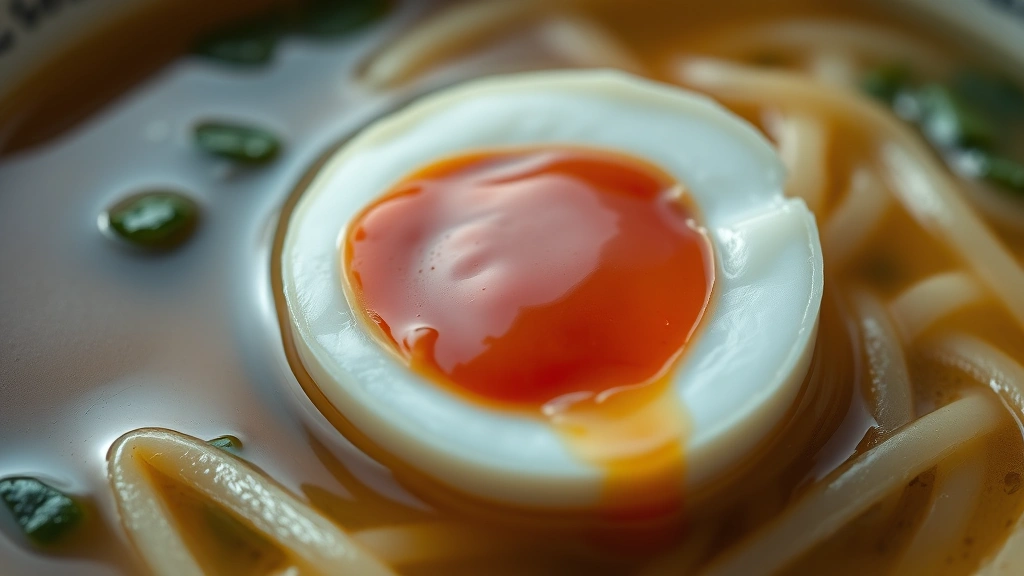
- Cook the eggs for 6-7 minutes for a soft yolk that’s still slightly runny in the center, then transfer them to an ice bath to stop the cooking process.
- Once cooled, carefully peel the eggs and cut them in half lengthwise, setting them aside for garnish.
- Prepare your vegetables by cooking the spinach or bok choy separately in boiling salted water for about 2-3 minutes until tender, then drain and set aside.
- In another pan, sauté the sliced mushrooms in a little oil over medium-high heat until golden and cooked through, about 5 minutes, then season with a pinch of salt.
- When you’re ready to serve, bring a large pot of water to a rolling boil for cooking the udon noodles.
- Add the udon noodles to the boiling water and cook according to package directions, usually about 2-3 minutes for fresh noodles or 4-5 minutes for frozen noodles, stirring occasionally to prevent sticking.
- Reserve about 1 cup of the noodle cooking water, then drain the noodles thoroughly in a colander.
- If the noodles seem to be sticking together, toss them gently with a small amount of oil to keep them separated.
- Divide the cooked udon noodles among four serving bowls, distributing them evenly.
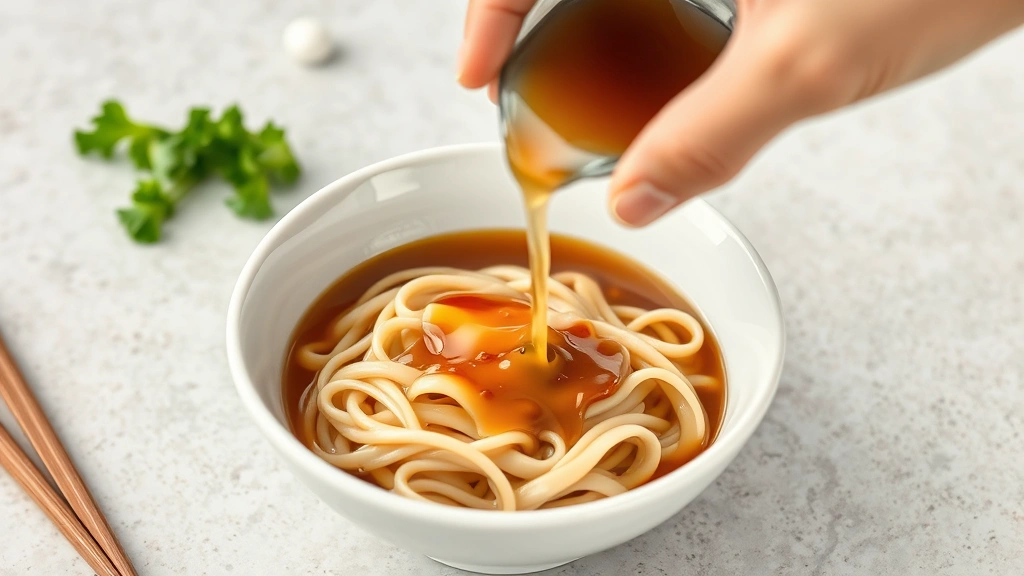
- Carefully ladle the hot dashi broth over the noodles in each bowl, filling each about three-quarters full.
- Arrange your prepared toppings artfully on top of each bowl – place the cooked chicken or beef, soft-boiled egg halves, cooked spinach, sautéed mushrooms, sliced green onions, and nori strips in an organized and visually appealing manner.
- Sprinkle sesame seeds over the top of each bowl and add a small drizzle of chili oil if you prefer a touch of heat.
- Serve the udon noodle soup immediately while the broth is steaming hot, providing small bowls of additional condiments like extra soy sauce, mirin, or chili oil on the side for guests to adjust flavors to their preference.
Pro Tips
Making dashi from scratch elevates your soup significantly, but you can substitute with instant dashi powder in a pinch. Simply dissolve 2-3 teaspoons of dashi powder in your hot water.
The broth can be made 1-2 days ahead and refrigerated, making this recipe convenient for meal prep. Simply reheat gently before serving and taste to adjust seasonings.
Experiment with different protein options based on your preferences. Tofu, shrimp, pork, or a combination of proteins all work beautifully in udon noodle soup.
Vegetable options are highly flexible. Consider adding carrots, daikon radish, cabbage, or fresh herbs like cilantro or mint depending on what you have available.
For a vegetarian version, replace the dashi with vegetable broth and increase the kombu steeping time to 10 minutes for deeper umami flavor.
Don’t skip the ice bath for your eggs – it stops the cooking process and ensures that perfect jammy yolk every time.
The noodle cooking water can be added to your broth if it seems too concentrated or salty, as it helps dilute and balance the flavors.
Serve udon noodle soup in warmed bowls to keep the broth at the ideal temperature throughout eating.
Leftovers are best consumed the same day, though the broth stores well separately from the noodles for up to 3 days.