
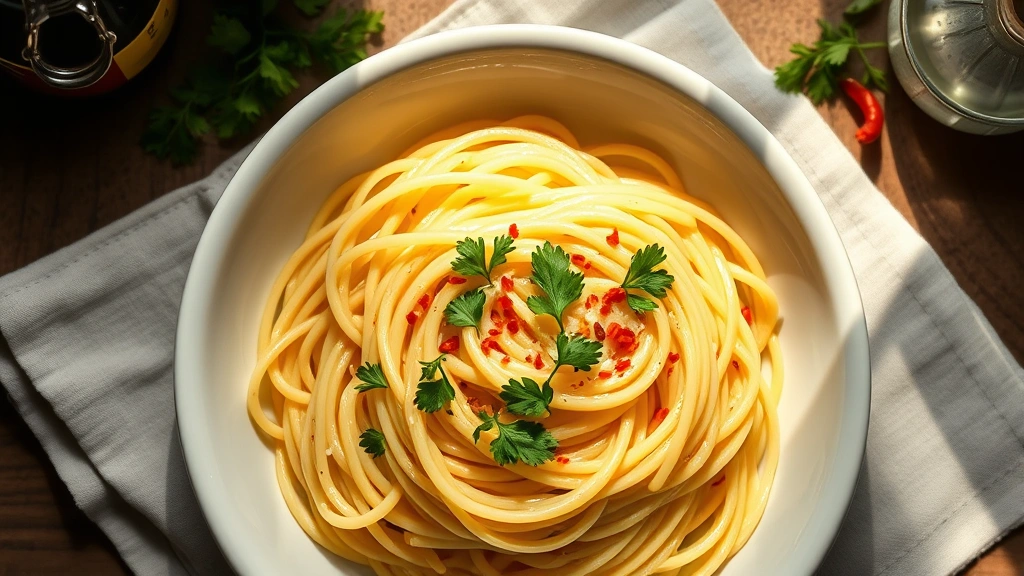
An aglio olio recipe is the ultimate expression of Italian simplicity—just garlic, olive oil, pasta, and a whisper of red pepper flakes create something absolutely magical. This authentic dish comes together in just 15 minutes, making it perfect for weeknight dinners when you want something restaurant-quality without the fuss. What makes this pasta so special is how the silky garlic-infused oil coats every strand, creating a dish that’s elegant enough for guests yet humble enough for a Tuesday night.
I fell in love with aglio olio during my first trip to Rome, where I watched a nonno at a tiny trattoria toss this dish with such ease and confidence that I knew I had to master it myself. The beauty of this recipe lies in its restraint—there are no heavy creams, no complicated techniques, just quality ingredients treated with respect. Once you understand the technique, you’ll find yourself making this again and again because it’s the kind of comfort food that feels both indulgent and light at the same time.
Jump To Section
Why This Recipe Works
The magic happens when you take your time infusing the olive oil with garlic over low heat, allowing the flavors to develop slowly without browning. This gentle approach ensures your oil becomes fragrant and delicious while your pasta cooks to perfect al dente texture. The starchy pasta water acts as a natural emulsifier, helping the oil cling to each strand and creating a silky, cohesive sauce that tastes far more substantial than its simple ingredients suggest.
Additionally, the timing matters tremendously here. You’re not mixing everything together in a pan and walking away—you’re orchestrating a quick dance between hot oil, cooked pasta, and reserved pasta water. The result is a dish that’s genuinely better than the sum of its parts, with each component playing a crucial role in achieving that perfect balance of flavors.
Ingredient Tips & Substitutions
Start with the best extra virgin olive oil you can find because it’s literally half your recipe. Look for oils with peppery, grassy notes that will shine through without any muddy flavors. However, if you prefer something milder, regular extra virgin olive oil works wonderfully too—just taste as you go and adjust to your preference.
Fresh garlic is non-negotiable here, and I always use more than you’d think necessary because garlic mellows significantly during cooking. Thin slices work better than minced garlic since they infuse the oil more evenly. For the pasta, spaghetti is traditional, but linguine, bucatini, or even fettuccine create beautiful variations—just avoid small shapes like penne that won’t showcase the silky oil coating.
Red pepper flakes add a gentle heat that balances the richness of the oil. If you’re sensitive to spice, start with just a pinch and taste as you go. Meanwhile, parmesan cheese is optional but highly recommended for that final umami punch—some purists skip it, but I think it elevates the dish beautifully. For a fun twist, try making this as an spaghetti pasta salad by letting it cool and adding fresh vegetables and herbs.
Serving Suggestions
Serve this pasta immediately while it’s piping hot and the oil still clings beautifully to each strand. A sprinkle of fresh parmesan and a pinch more red pepper flakes on top adds visual appeal and flavor. Consider pairing it with an easy Caesar salad for a simple, elegant meal that feels special without requiring hours in the kitchen.
This humble pasta pairs wonderfully with crispy bread for soaking up every drop of that precious oil. A simple green salad with lemon dressing cuts through the richness perfectly. For a heartier meal, consider topping it with roasted cherry tomatoes, crispy pancetta, or fresh herbs like parsley and basil. You could also explore variations like pairing it with Tuscan chicken pasta ingredients for a more substantial dish, or keeping it light with just vegetables and fresh herbs.
Storage & Reheating
Aglio olio is best enjoyed fresh, but leftovers keep in the refrigerator for up to three days in an airtight container. The pasta will absorb more of the oil as it sits, which some people love and others find too rich—it’s really a matter of preference. When reheating, gently warm it in a skillet over low heat with a splash of pasta water to refresh the texture and help the oil coat the pasta evenly again.
For meal prep, you can cook the pasta and make the garlic oil separately, storing them apart until you’re ready to combine them. This method keeps everything fresher and allows you to adjust the sauce-to-pasta ratio when you reheat. If you find yourself with extra pasta oil, don’t throw it away—it’s liquid gold for drizzling over bread, vegetables, or even soup.
The Perfect Pasta Night
This aglio olio recipe teaches you something fundamental about Italian cooking: that incredible food doesn’t require a long ingredient list or complicated techniques. Instead, it demands attention to detail, quality ingredients, and respect for tradition. Whether you’re cooking for yourself on a quiet weeknight or impressing guests with your culinary knowledge, this pasta delivers every single time.
The beauty of mastering this dish is that it opens doors to countless variations. Once you understand how the oil infuses with garlic and coats the pasta, you can experiment with different herbs, vegetables, and proteins. Try adding anchovy paste for depth, fresh herbs like parsley or oregano for brightness, or even crispy breadcrumbs for texture. For more inspiration on Italian pasta dishes, check out pesto chicken pasta or explore other classic preparations.
Keep this recipe in your back pocket for those moments when you need something delicious fast. It’s the kind of dish that proves you don’t need fancy equipment or obscure ingredients to create restaurant-quality food at home. With just 15 minutes and these simple components, you’ll have a steaming bowl of authentic Italian pasta that tastes like you spent hours in the kitchen. That’s the real magic of aglio olio—it’s simple, it’s elegant, and it absolutely works every single time.
Ingredients
- 1 pound spaghetti or linguine pasta
- 1 cup extra virgin olive oil
- 8-10 garlic cloves, thinly sliced
- 1/4 to 1/2 teaspoon red pepper flakes (adjust to taste)
- 1 teaspoon kosher salt (plus more for pasta water)
- 1/2 teaspoon black pepper
- 1/2 cup reserved pasta water
- 1/4 cup fresh parmesan cheese, finely grated (optional but recommended)
- 2 tablespoons fresh parsley, finely chopped (optional garnish)
- Zest of 1 lemon (optional but delicious)
Instructions
- Bring a large pot of salted water to a rolling boil—it should taste like the sea. Add the pasta and cook according to package directions until al dente, usually 9-12 minutes. Stir occasionally to prevent sticking.
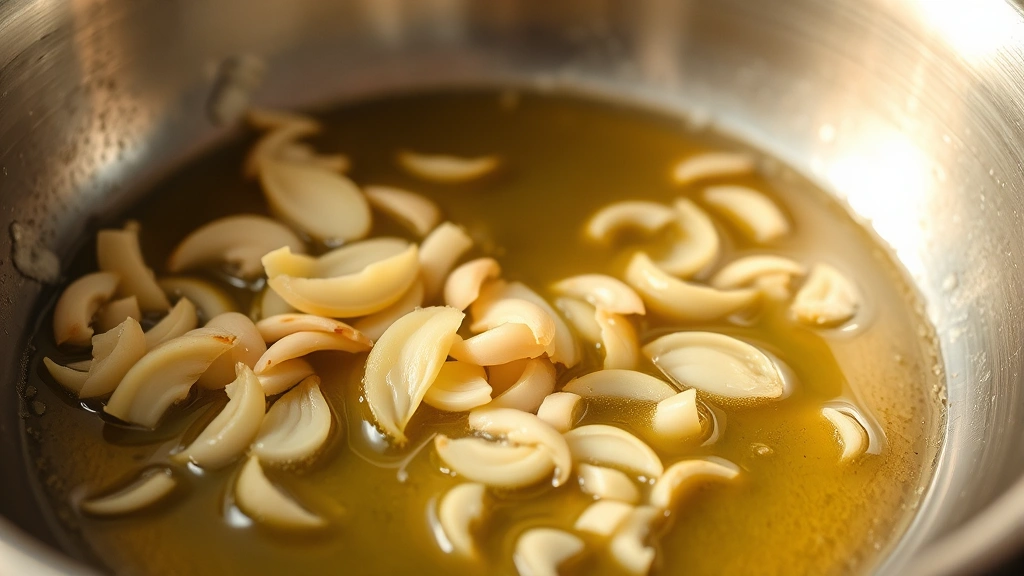
- While the pasta cooks, pour the olive oil into a large skillet and add the thinly sliced garlic. Place the skillet over low heat and let the garlic gently infuse into the oil for about 5-7 minutes, stirring occasionally. You want the garlic to turn golden and fragrant but never brown, which would make it bitter.
- Add the red pepper flakes to the garlic oil and stir well, letting them toast for just 30 seconds. This step awakens the heat and distributes it throughout the oil. Add the kosher salt and black pepper to the oil mixture.
- Reserve 1/2 cup of the pasta water before draining the pasta—this starchy water is essential for creating a silky sauce. Drain the pasta well but don’t rinse it, as the starch helps the oil cling to each strand.
- Add the hot drained pasta directly to the skillet with the garlic oil, tossing gently to coat every strand. If the mixture seems too dry, add the reserved pasta water a few tablespoons at a time, tossing continuously until you achieve a silky, cohesive sauce.
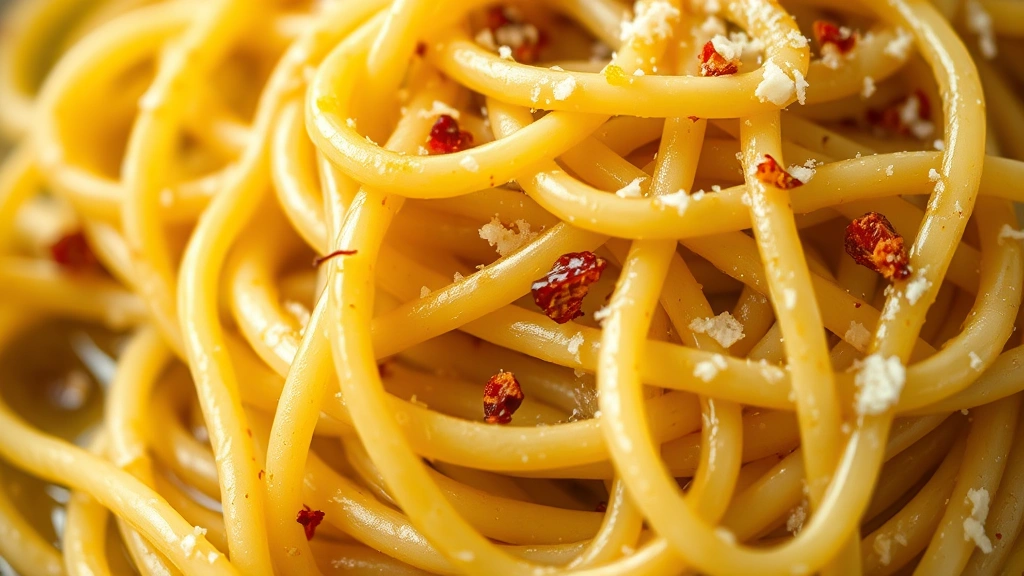
- Divide the pasta among four warm bowls or plates. Drizzle any remaining oil from the skillet over the top, then sprinkle with parmesan cheese if using, fresh parsley, and lemon zest for brightness. Serve immediately while piping hot.
Pro Tips
The key to perfect aglio olio is managing your timing so everything comes together at once. Start cooking your pasta first, then begin infusing the oil with garlic. This way, when your pasta finishes cooking, your oil is perfectly fragrant and ready to receive it.
Don’t rush the garlic infusion step. Low heat is your friend here—it gently coaxes out the garlic’s sweetness and creates a mellow, refined flavor rather than harsh, burnt garlic notes. If your heat is too high, you’ll end up with brown garlic bits that taste acrid and bitter, so patience really does pay off.
The pasta water is absolutely crucial and shouldn’t be overlooked. The starch in that water acts as an emulsifier, helping the oil and pasta come together into a silky, unified sauce. Add it gradually and taste as you go—you want enough to create a cohesive sauce without making the dish feel soupy or oily.
For variations, try adding anchovy paste or finely minced anchovies to the oil—they dissolve into the sauce and add incredible depth without tasting fishy. Fresh herbs like oregano, basil, or mint can be added at the end for brightness. Some cooks crisp up breadcrumbs separately and sprinkle them on top for texture, while others add red pepper flakes strategically for those who enjoy more heat.
If you’re vegetarian or vegan, this recipe is naturally accommodating—simply omit the parmesan or use a plant-based alternative. The dish stands beautifully on its own without any protein additions, though you could certainly add sautéed mushrooms, roasted cherry tomatoes, or crispy chickpeas for extra substance and nutrition.
Storage-wise, aglio olio keeps in the refrigerator for up to three days, though it’s genuinely best enjoyed fresh. When reheating, warm it gently in a skillet over medium-low heat with a splash of pasta water to refresh the texture. The pasta will absorb more oil as it sits, which creates a richer texture that some people prefer over the fresh version.