
An ahi tuna recipe doesn’t have to mean seared perfection—sometimes the best preparations celebrate this gorgeous fish in completely different ways. I’ve fallen in love with exploring beyond the traditional sear, and I’m thrilled to share five incredible methods that’ll change how you think about cooking with ahi tuna. Whether you’re a seafood enthusiast or someone looking to impress at the dinner table, these techniques prove that versatility is this fish’s greatest strength.
The beauty of ahi tuna lies in its firm texture and delicate flavor. It’s meaty enough to stand up to bold preparations, yet delicate enough to shine when treated simply. I’ve tested these methods countless times in my kitchen, and each one reveals something special about this premium fish.
Jump To Section
Why This Recipe Collection Works
These five approaches move beyond the expected seared exterior into territory that’s equally exciting. You’ll find yourself reaching for these techniques because they’re not just delicious—they’re genuine crowd-pleasers that work for weeknight dinners and special occasions alike. The key is understanding that ahi tuna’s quality comes through in every preparation style.
What makes this collection special is the balance between technique and flavor. Each method brings out different characteristics of the fish. Meanwhile, all five approaches are accessible enough that you won’t need restaurant-level skills to nail them. I’ve designed these recipes with home cooks in mind, which means they’re forgiving, straightforward, and absolutely delicious.
The ahi tuna recipes here range from raw preparations to gently cooked options, from Asian-inspired bowls to Mediterranean-style platters. For instance, our poke bowl method celebrates the fish’s natural sweetness with minimal intervention. Meanwhile, our crudo variation proves that sometimes less really is more. Additionally, our grilled preparation showcases how high heat—without a sear—creates incredible texture.
Ingredient Tips & Substitutions
Quality matters tremendously when working with ahi tuna, especially in raw applications. You’ll want sushi-grade or sashimi-grade fish from a reputable fishmonger who specializes in seafood. Don’t settle for regular grocery store tuna—the difference is night and day. Ask your fishmonger about the source and how recently the fish arrived.
For the sesame oil, invest in toasted sesame oil rather than the lighter variety. The nutty depth it brings is non-negotiable. For citrus elements, fresh lemon and lime juice make all the difference—bottled versions won’t deliver the same brightness. Fresh ginger should be peeled and minced just before using to capture maximum flavor and aroma.
Soy sauce selection impacts your final dish significantly. I recommend using tamari or low-sodium soy sauce to control saltiness. However, if you prefer traditional soy sauce, that works beautifully too. The wasabi in several recipes should be fresh if possible, though quality tube versions are perfectly acceptable for home cooking.
For our grilled version, look for thick-cut ahi steaks about 1½ inches thick. This thickness ensures the interior stays buttery and tender while the exterior develops a beautiful crust. Thin pieces tend to cook through too quickly, losing that prized texture contrast.
Preparation Methods Explained
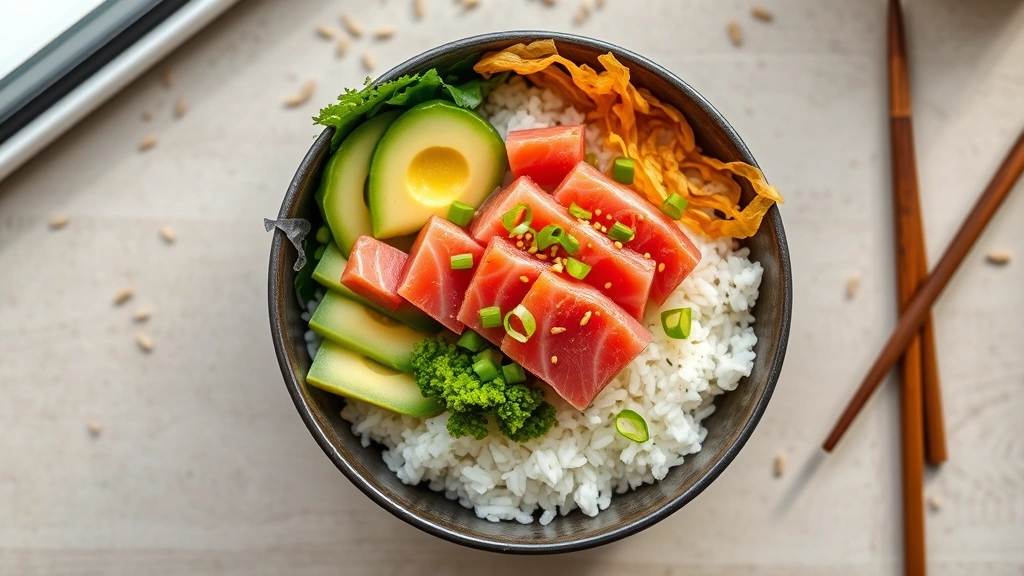
Method one is our signature poke bowl—a Hawaiian-inspired approach that’s become my go-to weeknight dinner. The fish is cubed and marinated in a simple sesame-soy mixture, then served over rice with fresh vegetables. It’s fresh, bright, and comes together in about 20 minutes. Try pairing this with our best rice noodles recipe for a complete meal.
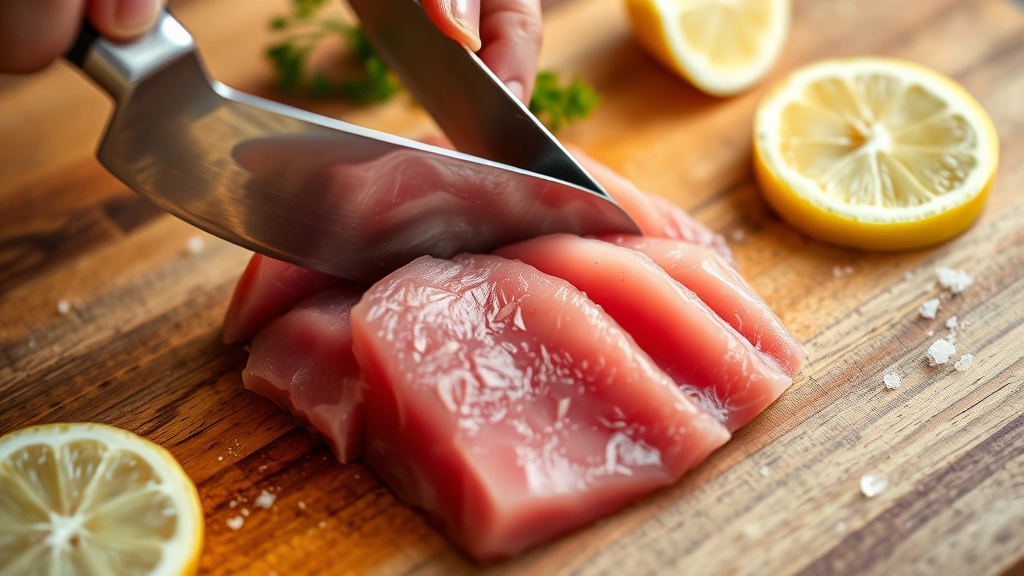
Method two embraces the crudo tradition—paper-thin slices of raw fish dressed simply with olive oil, lemon, and fleur de sel. This approach requires impeccable fish quality but rewards you with pure, unadulterated flavor. It’s elegant, sophisticated, and looks impressive on the plate.
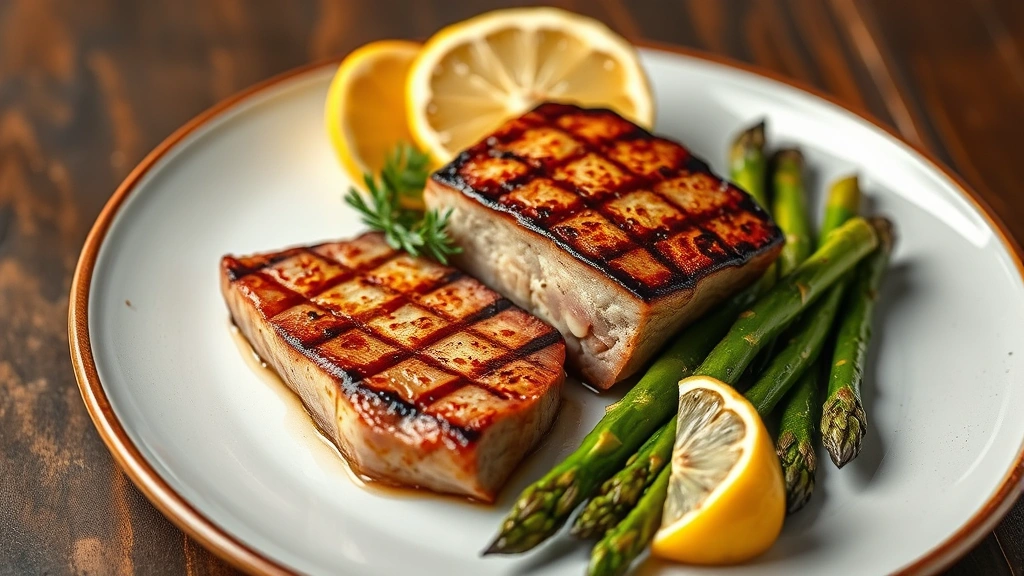
Method three features our grilled preparation, where thick steaks are seasoned simply and cooked over high heat until the exterior is caramelized while the interior remains barely warm. This technique creates that textural contrast everyone craves without any searing in a pan.
Method four is our tartare variation—finely diced fish mixed with capers, shallots, Dijon mustard, and a touch of olive oil. It’s rich, complex, and absolutely addictive. This preparation works beautifully as an appetizer or light main course.
Method five showcases our poke salad approach, where cubed ahi is tossed with mixed greens and a wasabi vinaigrette. It’s lighter than traditional poke bowls yet still deeply satisfying. Additionally, you can prepare this salad ahead and dress it just before serving.
Serving Suggestions & Pairings
Our poke bowls shine alongside best spicy cucumber salad recipe for a complete Asian-inspired meal. The cool, tangy salad balances the rich, savory poke perfectly. Top everything with toasted sesame seeds and green onions for extra texture.
For crudo presentations, serve with crusty bread or thin crackers on the side. A crisp white wine like Sauvignon Blanc or Albariño pairs beautifully. Consider adding microgreens or edible flowers for visual impact—presentation matters with this simple preparation.
The grilled steaks pair wonderfully with our quick tasty spring salad recipe for a lighter dinner option. Alternatively, serve alongside roasted asparagus or grilled vegetables. A squeeze of fresh lemon or a drizzle of ponzu sauce elevates everything.
Tartare presentations work beautifully as appetizers served on crostini or endive leaves. They’re perfect for entertaining because you can prepare them ahead and assemble just before guests arrive. Meanwhile, the poke salad variation makes an excellent light lunch or dinner option.
Don’t overlook beverage pairings—they truly complete the experience. For Asian-inspired preparations, sake or Japanese beer work wonderfully. For Mediterranean approaches, crisp white wines shine. If you’re serving multiple preparations, consider a versatile option like Prosecco that complements all five methods.
Storage & Make-Ahead Tips
Raw fish preparations require careful handling and proper storage. Keep your ahi tuna in the coldest part of your refrigerator until the moment you’re ready to prep. Once cubed or sliced, these dishes are best enjoyed immediately, though they’ll keep for up to 2 hours if covered. Don’t prepare raw fish more than 2-3 hours ahead of serving.
The marinade for poke bowls can be made a day ahead and stored in an airtight container. However, combine the fish with the marinade no more than 4 hours before serving, as the acid will begin to denature the fish. For tartare, prepare all components separately and combine just before serving.
Grilled ahi steaks are best enjoyed immediately after cooking, though leftovers keep well in the refrigerator for up to 2 days. Reheat gently in a low oven (275°F) to avoid overcooking. Cold grilled ahi also makes an excellent salad topping the next day.
Always source your fish from reputable fishmongers and use it within 1-2 days of purchase. Proper storage at 32-35°F is essential for food safety with raw preparations. If you’re uncertain about fish quality, opt for the grilled version instead—cooking eliminates any safety concerns.
For entertaining, prep your garnishes, sauces, and accompaniments the day before. Having everything organized means you can assemble these beautiful dishes quickly without stress. This approach lets you focus on enjoying your guests rather than spending time in the kitchen.
Looking for Asian-inspired sides? Our perfect tom yum soup recipe makes an excellent starter course before serving ahi tuna preparations. For a complete Thai-inspired meal, pair your chosen ahi method with our best shrimp pad Thai recipe for variety.
These five methods for preparing ahi tuna showcase just how versatile this incredible fish can be. From raw applications that celebrate its pristine quality to grilled preparations that bring out caramelized depths, you’ll never run out of exciting ways to cook with it. I hope you’ll try each technique and discover your personal favorite—I have a feeling you’ll be making these recipes again and again.
Ingredients
- 1½ pounds sushi-grade ahi tuna, cubed or sliced as directed
- 3 tablespoons soy sauce
- 1 tablespoon toasted sesame oil
- 1 tablespoon rice vinegar
- 1 teaspoon fresh ginger, minced
- 1 teaspoon garlic, minced
- 1 teaspoon sriracha or chili paste
- 2 green onions, sliced
- 2 tablespoons sesame seeds, toasted
- 2 tablespoons edible seaweed, optional
- Fresh lemon juice (2-3 lemons)
- Fresh lime juice (2-3 limes)
- Extra virgin olive oil
- Fleur de sel or sea salt
- Freshly cracked black pepper
- Fresh wasabi or wasabi tube
- Dijon mustard
- 2 shallots, minced
- 2 tablespoons capers, drained
- Mixed salad greens for serving
Instructions
- For Poke Bowl Method: Cut your sushi-grade ahi tuna into ¾-inch cubes, keeping it as cold as possible throughout. Combine soy sauce, toasted sesame oil, rice vinegar, minced ginger, garlic, and sriracha in a small bowl, whisking until combined. This creates your marinade base.
- Place cubed ahi tuna in a medium bowl and pour the marinade over it, gently folding to coat evenly. Cover and refrigerate for no more than 2 hours—the acid will continue to work on the fish, so timing matters here.
- Prepare your serving bowls with cooked sushi rice or your preferred grain base. Top with marinated ahi tuna and arrange fresh vegetables like cucumber, avocado, and pickled ginger around it.
- Garnish generously with toasted sesame seeds, sliced green onions, and edible seaweed if using. Serve immediately with extra soy sauce on the side and a dollop of wasabi for heat.
- For Crudo Method: Freeze your ahi tuna for 30 minutes—this makes slicing easier and safer. Using a very sharp knife, slice the fish as thin as possible, about ⅛-inch thick, working quickly to prevent warming.
- Arrange the paper-thin slices on a chilled plate, slightly overlapping them in an artistic pattern. Drizzle sparingly with your finest extra virgin olive oil.
- Squeeze fresh lemon juice over the slices—just enough to brighten without overwhelming. Finish with a light sprinkle of fleur de sel and freshly cracked black pepper.
- Serve immediately on chilled plates with crusty bread or thin crackers on the side. The simplicity here lets the fish’s natural flavor shine completely.
- For Grilled Method: Remove your ahi tuna steaks from refrigeration 20 minutes before cooking to bring them closer to room temperature. Pat them completely dry with paper towels—this ensures better crust development.
- Brush both sides lightly with olive oil and season generously with salt and pepper. Preheat your grill to high heat, ensuring grates are clean and well-oiled.
- Place steaks on the hottest part of the grill for 2-3 minutes per side, aiming for a beautiful caramelized crust while keeping the interior barely warm and buttery. Don’t move the fish—let it develop color undisturbed.
- Transfer to a cutting board and rest for 5 minutes before serving. The fish will be beautifully cooked on the outside with a tender, barely-set interior.
- For Tartare Method: Using a sharp knife, finely dice your ahi tuna into small cubes, about ¼-inch. Work quickly and keep everything as cold as possible throughout.
- In a bowl, combine the diced ahi with minced shallots, capers, and Dijon mustard. Add a small squeeze of lemon juice and a drizzle of excellent olive oil.
- Season with salt and pepper to taste, then fold everything together gently. Serve immediately on crostini, crackers, or endive leaves for an elegant appetizer.
- For Poke Salad Method: Cube your ahi tuna and marinate for 1-2 hours in a mixture of soy sauce, rice vinegar, and sesame oil as described in the poke bowl method.
- Whisk together fresh lemon juice, minced wasabi, Dijon mustard, and olive oil to create your vinaigrette. Taste and adjust seasonings as needed.
- Toss mixed salad greens with the vinaigrette and arrange on serving plates. Top each salad with marinated ahi tuna and garnish with sesame seeds and green onions.
- Serve immediately while the greens are crisp and the fish is perfectly chilled. This lighter preparation makes an excellent lunch or light dinner option.
Pro Tips
Quality seafood sourcing is absolutely essential, especially for raw preparations. Visit a fishmonger who specializes in sushi-grade fish and ask specific questions about the source and handling. The difference between quality sushi-grade ahi and regular fish is significant—your final dish depends on it.
For the poke bowl method, timing your marinade is crucial. The acid in the marinade will begin to denature the fish’s proteins, similar to ceviche. Don’t marinate longer than 2-3 hours, or your beautiful cubes will become mushy and lose their appealing texture.
However, if you’re uncomfortable working with raw fish, the grilled method is absolutely foolproof and delivers incredible flavor and texture. High heat creates a beautiful crust while keeping the interior buttery and tender—it’s restaurant-quality results achieved at home.
For the crudo preparation, invest in a very sharp knife or ask your fishmonger to slice the fish for you. Paper-thin slices require proper equipment. Additionally, serving crudo on chilled plates matters—the temperature enhances the eating experience.
Sesame oil can be overpowering if you use too much. Start with the amounts listed and adjust upward if desired. The toasted variety has more flavor than light sesame oil, so use it sparingly. For instance, a little goes a long way in marinades and dressings.
Wasabi intensity varies by brand and product type. Fresh wasabi is more complex and less sharp than tube versions. Start with smaller amounts and taste as you go, especially if you’re not accustomed to its heat level.
These recipes work beautifully for meal prep if you keep components separate. Prepare your rice, vegetables, and marinades the day before, then assemble just before eating. This approach saves time on busy weeknights while keeping everything fresh.
Leftovers should be consumed quickly—within 24 hours for raw preparations and within 2 days for grilled ahi. Always store fish in the coldest part of your refrigerator, ideally surrounded by ice. Trust your senses: if anything smells off, discard it.
For entertaining, these recipes are perfect because you can prepare components ahead and assemble quickly. Your guests will be impressed by the restaurant-quality presentation, yet you’ll barely spend time in the kitchen during the party.
Consider building a tasting menu using multiple preparations. Serve crudo as an appetizer, tartare on crostini as a second course, then poke bowls or salad as the main. This approach showcases ahi’s versatility beautifully.