
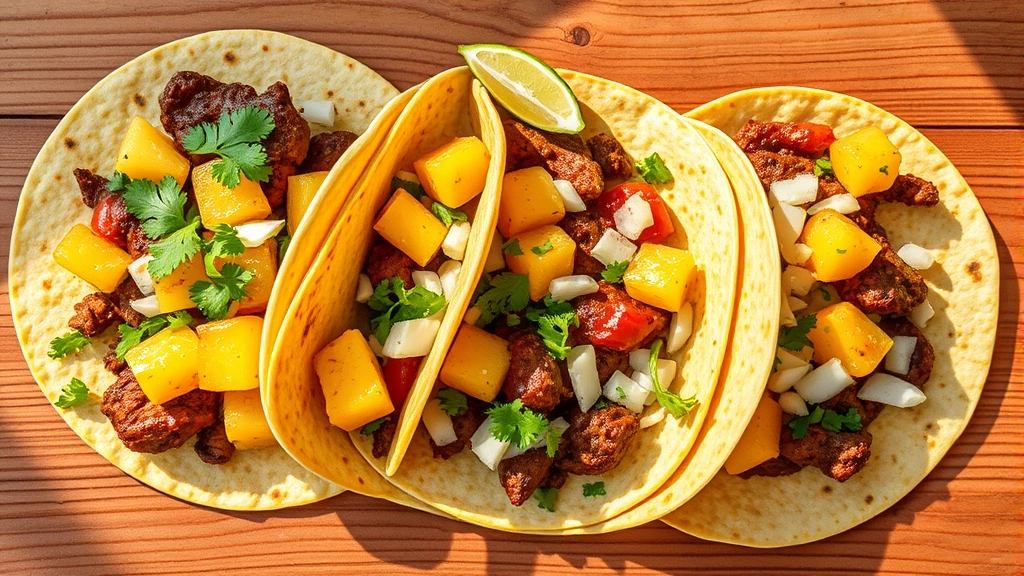
An al pastor recipe is the ultimate game-changer for taco night, bringing authentic Mexican flavors straight to your kitchen with minimal fuss. This stunning dish combines tender, marinated pork with a sweet-savory glaze that’ll have everyone asking for seconds—and honestly, it’s way easier to make at home than you’d think.
Al pastor has such a fascinating story. This cooking style actually originated in the Levantine region and was brought to Mexico by Lebanese immigrants in the early 20th century. They adapted their traditional shawarma technique to local ingredients, creating this beautiful fusion that’s now iconic in Mexican cuisine. When you make this recipe, you’re honoring that incredible culinary heritage.
Jump To Section
What makes al pastor so special? It’s the marinade. We’re talking a gorgeous blend of dried chiles, vinegar, pineapple juice, and warm spices like cumin and oregano. These flavors work together to create something truly magical—tender, juicy pork that tastes like you spent all day preparing it, even though you really didn’t.
Why This Recipe Works
The beauty of this al pastor recipe lies in its simplicity combined with complex flavors. The dried chiles provide depth and a subtle heat, while the pineapple juice adds natural sweetness and helps tenderize the meat through enzymatic action. Additionally, the vinegar brings brightness that cuts through the richness perfectly.
You have flexibility with your cooking method too. Whether you use a cast-iron skillet, grill, or slow cooker, this marinade works beautifully. The key is giving the pork enough time to absorb all those incredible flavors—at least four hours in the fridge, though overnight is even better. This means you can prep everything the night before and have dinner ready faster than takeout.
The texture you’ll achieve is absolutely divine. Thinly sliced pork gets slightly caramelized on the edges while staying incredibly tender inside. When you pile it into warm tortillas with caramelized pineapple and fresh cilantro, you’ll understand why this dish has become a beloved staple across Mexico and beyond.
Ingredient Tips & Substitutions
For the best results, seek out pork shoulder or pork butt—these cuts have enough fat to stay juicy during cooking. However, if you prefer something leaner, pork loin works too, just watch it carefully so it doesn’t dry out. The marbling in shoulder is really what creates that restaurant-quality texture though.
Dried chiles are essential to authentic flavor. New Mexico or guajillo chiles provide a mild, fruity heat, while chipotles add smokiness. You can find these at most grocery stores in the international section, or order them online. For instance, a combination of three to four different dried chiles creates more complexity than using just one type. If you absolutely can’t find them, a combination of chili powder and smoked paprika provides a decent substitute, though the flavor won’t be quite as nuanced.
Fresh pineapple juice is worth seeking out—the canned stuff works in a pinch, but fresh juice has more enzyme activity and flavor. The pineapple serves double duty here: it marinates the meat and then you grill those slices to serve alongside the tacos for a beautiful sweet-savory contrast. This is a key element that makes al pastor truly special.
Meanwhile, your choice of tortillas matters more than you might think. Corn tortillas are traditional and provide authentic texture, but flour tortillas work beautifully too if that’s your preference. Warm them directly over a gas flame or in a dry skillet just before serving for maximum flavor and pliability.
Preparation & Cooking Methods
Start by preparing your marinade early in the day or the night before. Toast your dried chiles in a dry skillet for just 30 seconds per side—this awakens their flavor without burning them. Then soak them in hot water for about 10 minutes until they’re soft and pliable. Blend them with vinegar, pineapple juice, garlic, and spices until completely smooth. This paste is your flavor foundation.
Slice your pork shoulder into thin pieces, about a quarter-inch thick, and massage the marinade into every surface. Don’t be shy—this is where all the magic happens. Transfer everything to a container, cover it, and let it sit in the refrigerator. The longer it marinates, the deeper the flavor will be. Four hours is the minimum, but eight to 24 hours is ideal.
When you’re ready to cook, you have options. For a traditional approach, arrange the marinated pork on skewers and cook it on a rotisserie or over an open flame, slicing it as it cooks. For home cooking, a cast-iron skillet over medium-high heat works wonderfully. Cook the pork in batches so you don’t overcrowd the pan, which prevents proper browning. Meanwhile, grill or pan-sear those pineapple slices until they’re caramelized and slightly charred.
Serving Suggestions
Assembly is where this recipe really shines. Warm your tortillas, then layer in the cooked al pastor, a slice of that caramelized pineapple, fresh cilantro, and diced onion. A squeeze of fresh lime brings everything into focus. Some people add a drizzle of Mexican crema or sour cream, which provides a cooling contrast to the warm spices.
Try serving al pastor alongside a best Mexican cucumber salad for a refreshing side. You could also prepare a best Mexican soup recipe as a starter to round out your meal. If you’re in the mood for variety, check out our best shredded chicken taco recipe or tasty steak taco recipe for taco night inspiration. For another fantastic protein option, our best turkey tacos recipe offers delicious alternatives.
Traditional toppings include diced white onion, fresh cilantro, and lime wedges. However, don’t hesitate to add jalapeños, avocado, or your favorite salsa. Some people love adding crispy fried onions or a sprinkle of cotija cheese for extra richness. The beauty of tacos is their adaptability—make them your own.
Storage & Reheating
Cooked al pastor keeps beautifully in the refrigerator for up to four days. Store it in an airtight container with the marinade to keep it moist and flavorful. When you’re ready to eat, reheat it gently in a skillet over medium heat with just a splash of water to prevent drying out. The leftover marinade is liquid gold—use it to reheat the meat or drizzle it over rice.
You can also freeze the marinated pork for up to three months before cooking. This makes meal prep incredibly convenient. Simply thaw it overnight in the refrigerator, then cook according to the recipe. Additionally, cooked al pastor freezes well for about two months, so you can make a big batch and enjoy it throughout the month.
For best results, don’t freeze already-cooked al pastor in the marinade for extended periods, as the flavors can become muted. Instead, freeze the cooked meat separately and store extra marinade in the freezer to use for reheating. This small step ensures your leftovers taste just as delicious as the first time you made them.
Mexican cooking is all about building flavor layers and respecting traditional techniques while making them work for modern home cooks. This al pastor recipe does exactly that. According to Serious Eats, the key to great al pastor is understanding how marinades transform tough cuts into tender masterpieces. New York Times Cooking emphasizes the importance of proper marinade time for developing depth of flavor in Mexican dishes. Bon Appétit celebrates al pastor as one of the most innovative fusion dishes in modern cuisine.
Whether this is your first time making al pastor or you’re a seasoned pro, this recipe delivers restaurant-quality results at home. The marinade is forgiving, the cooking method is straightforward, and the payoff is absolutely worth it. Your family will be amazed, your guests will ask for the recipe, and you’ll find yourself making it again and again. That’s the mark of a truly great recipe.
Ingredients
- 3 dried guajillo chiles, stems and seeds removed
- 2 dried ancho chiles, stems and seeds removed
- 1 dried chipotle chile in adobo sauce
- 1/2 cup fresh pineapple juice
- 1/4 cup apple cider vinegar
- 6 garlic cloves
- 1 teaspoon ground cumin
- 1 teaspoon dried oregano
- 1/2 teaspoon ground cloves
- 1/4 teaspoon ground cinnamon
- 1/4 teaspoon black pepper
- 1 teaspoon salt
- 2 tablespoons olive oil
- 3-4 pounds pork shoulder, sliced into 1/4-inch thick pieces
- 1 fresh pineapple, peeled, cored, and sliced into rings
- Warm corn or flour tortillas for serving
- Fresh cilantro, chopped
- Diced white onion
- Lime wedges
- Mexican crema or sour cream (optional)
Instructions
- Toast the dried guajillo, ancho, and chipotle chiles in a dry skillet over medium heat for about 30 seconds per side, just until fragrant. Be careful not to burn them or they’ll become bitter.
- Place the toasted chiles in a bowl and cover with hot water. Let them soak for 10 minutes until they’re soft and pliable.
- Drain the softened chiles and transfer them to a blender. Add the fresh pineapple juice, apple cider vinegar, garlic cloves, cumin, oregano, cloves, cinnamon, black pepper, and salt.
- Blend the mixture until completely smooth and uniform in color. You should have a deep reddish-brown paste that’s completely lump-free.
- Pat the pork shoulder slices dry with paper towels. This helps the marinade adhere better to the meat.
- Place the pork slices in a large bowl or zip-top plastic bag. Pour the marinade over the pork and massage it into every piece, ensuring even coverage.
- Cover the bowl or seal the bag and refrigerate for at least 4 hours, though overnight is ideal for maximum flavor development.
- When you’re ready to cook, remove the marinated pork from the refrigerator and let it sit at room temperature for about 15 minutes.
- Heat the olive oil in a large cast-iron skillet over medium-high heat until it’s shimmering and hot.
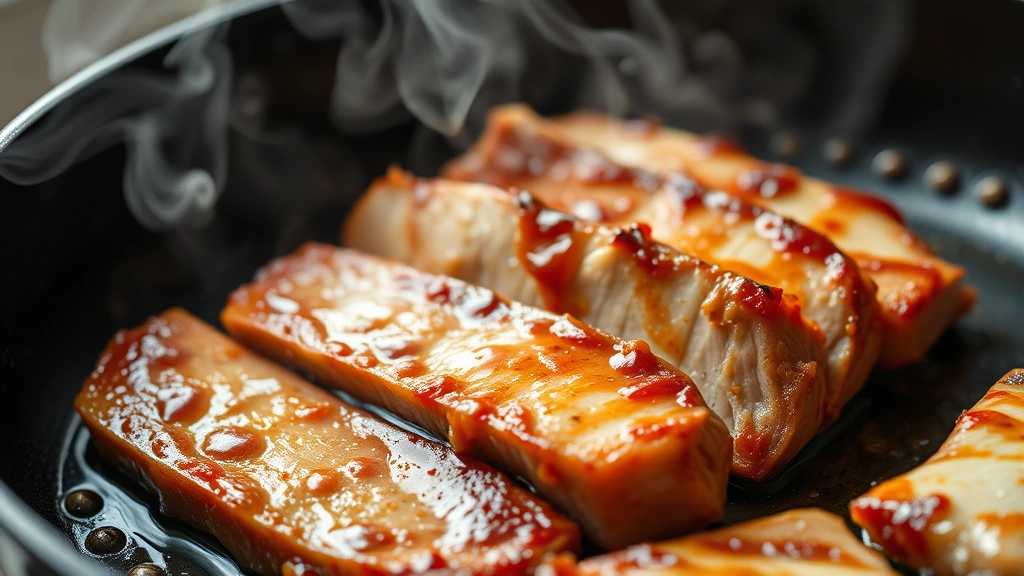
- Working in batches to avoid overcrowding the pan, carefully place the marinated pork slices in the skillet. Cook for about 3-4 minutes per side until the edges are caramelized and the meat is cooked through.
- Transfer the cooked al pastor to a serving platter and keep warm. Repeat with remaining pork.
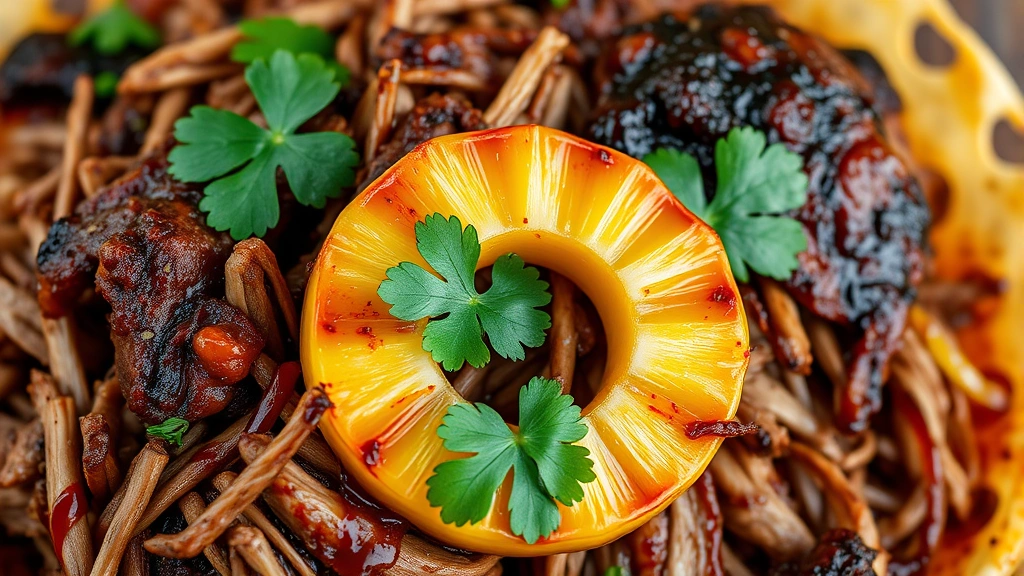
- Once all the pork is cooked, arrange the pineapple slices in the same skillet and cook for 2-3 minutes per side until they’re caramelized and slightly charred.
- Warm your tortillas directly over a gas flame or in a dry skillet for about 30 seconds per side.
- To serve, fill each warm tortilla with al pastor, top with a slice of caramelized pineapple, fresh cilantro, diced onion, and a squeeze of lime juice.
- Serve immediately with Mexican crema or sour cream on the side if desired, and additional lime wedges for extra brightness.
Pro Tips
The marinade is truly the heart of this recipe. Don’t skip toasting the dried chiles—this step brings out their natural oils and deepens the flavor significantly. If you can’t find fresh pineapple juice, pure bottled pineapple juice works fine, but avoid the sweetened kind with added sugars.
For the pork, pork shoulder is ideal because the fat content keeps the meat incredibly moist during cooking. However, if you prefer leaner meat, pork loin works too—just be careful not to overcook it or it will dry out. Additionally, if you have access to a rotisserie spit, cooking al pastor the traditional way creates amazing caramelization on the outside edges.
Marinade timing is flexible. You can marinate for as little as 4 hours or as long as 24 hours. The longer it sits, the deeper the flavors penetrate. Meanwhile, if you’re short on time, even a 2-hour marinade will give you delicious results, though 4 hours or overnight is recommended for best flavor development.
For cooking, a cast-iron skillet is wonderful because it distributes heat evenly and creates beautiful caramelization. Alternatively, you can cook this on a grill over medium-high heat for a smoky flavor. The key is cooking in batches rather than crowding the pan, which prevents proper browning and creates steam instead of sear.
Storage is straightforward. Keep cooked al pastor in an airtight container in the refrigerator for up to four days. You can also freeze the raw marinated pork for up to three months before cooking. This makes meal prep incredibly convenient for busy weeknights. When reheating, use a skillet over medium heat with just a splash of water to restore moisture.
Substitution options include using pork tenderloin if that’s what you have available, though it’s leaner and requires careful cooking. Some people enjoy making this with chicken thighs instead of pork—use the same marinade and reduce cooking time slightly. The dried chiles can be adjusted based on your heat preference; fewer chipotles mean less spice, while more create a hotter final dish.