
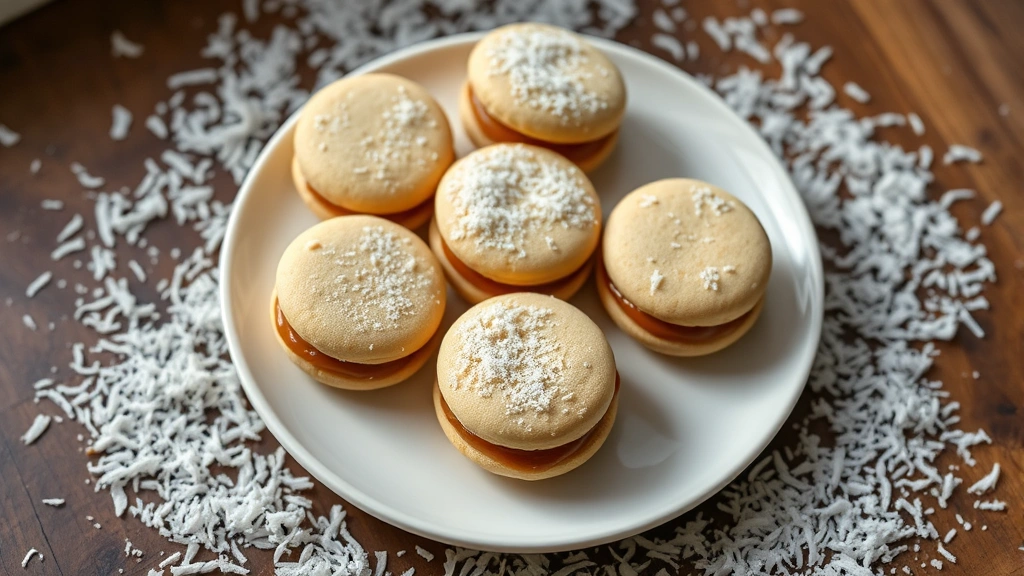
An alfajores recipe is the ultimate way to experience the magic of Latin American dulce de leche in cookie form. These delicate, buttery shortbread cookies sandwiched together with sweet caramel filling and rolled in shredded coconut are absolutely irresistible—and honestly, they’re easier to make than you’d think. Once you master this authentic method, you’ll find yourself baking batch after batch for friends, family, and yes, yourself.
I fell in love with alfajores during a trip to Argentina, where these cookies are practically a national treasure. The moment I bit into one, with that delicate cookie melting on my tongue and the rich dulce de leche oozing out, I was completely hooked. What surprised me most was how simple the ingredient list actually is—just butter, flour, egg yolks, and a touch of vanilla. The magic happens in the technique and the assembly.
Jump To Section
Why This Recipe Works
This particular alfajores recipe uses a straightforward shortbread dough that creates perfectly tender, melt-in-your-mouth cookies every single time. The key to success is using room-temperature butter and not overworking the dough—this keeps the cookies delicate rather than tough. I also add a pinch of cornstarch to the flour mixture, which creates an incredibly tender crumb that’s characteristic of authentic alfajores.
The filling is where the real magic happens. While homemade dulce de leche is wonderful, using a quality store-bought version saves significant time without sacrificing flavor. However, if you want to go the traditional route with homemade dulce de leche, you can simmer a can of sweetened condensed milk in a water bath for about three hours. The coconut coating adds that signature texture and tropical sweetness that makes alfajores so distinctive.
Ingredient Tips & Substitutions
For the flour, I recommend using all-purpose flour combined with cornstarch—this combination is absolutely essential for achieving that tender, delicate texture. The cornstarch reduces the protein content and creates a more delicate cookie structure. Additionally, make sure your butter is truly unsalted and at room temperature; cold butter won’t cream properly, and salted butter will throw off the delicate flavor balance.
The egg yolks are crucial for richness and binding, so don’t skip them or substitute with whole eggs. For the dulce de leche, Argentine brands like Arcor are excellent if you can find them, but any quality dulce de leche will work beautifully. If you’re looking to pair this with other sweet treats, check out our best pesto chicken pasta recipe for a complete meal strategy.
You can absolutely customize the coconut coating. While traditional alfajores use unsweetened shredded coconut, some recipes call for sweetened coconut—it’s really a matter of personal preference. For a modern twist, try crushed pistachios or finely chopped toasted hazelnuts instead of coconut. If you have a coconut allergy, finely ground almonds or additional cornstarch work as excellent alternatives.
Serving Suggestions
Alfajores are meant to be enjoyed with coffee or tea—they’re the perfect afternoon treat in Latin American culture. The buttery, sweet cookies pair beautifully with a strong espresso or a cup of hot chocolate. For special occasions, arrange them on a beautiful platter and dust with a touch of powdered sugar for an elegant presentation.
These cookies also make spectacular gifts. Package them in pretty boxes lined with parchment paper, and you’ve got a homemade present that tastes infinitely better than anything store-bought. During the holidays, I often make extra batches to share with neighbors and friends. They’re also wonderful for potlucks, bake sales, or as a special treat during afternoon celebrations. Speaking of celebrations, our quick tasty spring salad recipe makes a great light complement if you’re serving these at a gathering.
Storage & Reheating
Store alfajores in an airtight container at room temperature for up to five days. However, here’s a pro tip: they actually taste even better on day two or three, once the flavors have melded together and the cookies have softened slightly from the moisture in the dulce de leche. If you live in a very warm climate, you can refrigerate them, though they’ll become firmer.
You can make the cookie dough ahead and freeze it for up to three months—just thaw it in the refrigerator before baking. For maximum convenience, you can also bake the cookies weeks in advance and freeze them unfilled, then assemble them with dulce de leche and coconut shortly before serving. This makes alfajores perfect for entertaining since most of the work can be done in advance. Meanwhile, if you’re planning a complete menu, consider adding our best Panera butternut squash soup recipe for a full spread.
If your alfajores start to dry out slightly, don’t worry—they actually soften up beautifully when stored with a piece of bread in the container, which adds gentle moisture. Additionally, you can revive slightly stale alfajores by wrapping them loosely in foil and warming them in a 300°F oven for about five minutes. The dulce de leche filling will warm through and become creamy again, making the cookies taste freshly made.
The Perfect Latin American Treat
Making an alfajores recipe from scratch gives you complete control over the sweetness level and quality of ingredients. This authentic method has been passed down through generations of Latin American families, and for good reason—it’s straightforward, reliable, and produces absolutely delicious results every time. The combination of buttery shortbread, rich dulce de leche, and tropical coconut is simply unbeatable.
Whether you’re baking for a special occasion or just craving something sweet and special, this alfajores recipe delivers. The first time you pull a batch from the oven, fill them with dulce de leche, and roll them in coconut, you’ll understand why these cookies are beloved across Latin America and increasingly popular worldwide. For more recipe inspiration, explore our perfect pesto pasta recipe in 15 minutes and our tasty salad in a jar recipe for more culinary adventures.
This recipe makes about 24 sandwich cookies (48 individual cookie halves), which is perfect for sharing. The entire process, from mixing the dough to assembling the final cookies, takes about two hours including baking and cooling time. Once you taste these homemade alfajores, you’ll never go back to store-bought versions again.
Ingredients
- 2 cups all-purpose flour
- 1/2 cup cornstarch
- 1/2 teaspoon salt
- 1 cup unsalted butter, room temperature
- 3/4 cup granulated sugar
- 3 large egg yolks
- 1 teaspoon pure vanilla extract
- 1 1/2 cups dulce de leche
- 1 1/2 cups unsweetened shredded coconut
Instructions
- In a medium bowl, whisk together the all-purpose flour, cornstarch, and salt. Set this dry mixture aside.
- In a large bowl, cream the room-temperature butter and granulated sugar together using an electric mixer on medium speed for about 3-4 minutes until the mixture is light and fluffy.
- Add the egg yolks one at a time to the creamed butter and sugar, beating well after each addition. Pour in the vanilla extract and mix until fully combined.
- Gently fold the dry ingredient mixture into the wet ingredients using a spatula or wooden spoon. Avoid overmixing—stop as soon as the flour is just incorporated.
- Divide the dough in half, wrap each portion in plastic wrap, and refrigerate for at least 30 minutes until the dough is firm enough to handle.
- Preheat your oven to 350°F and line baking sheets with parchment paper.
- On a lightly floured surface, roll out one portion of dough to about 1/4-inch thickness. Using a 1.5-inch round cookie cutter, cut out circles and place them about 1 inch apart on the prepared baking sheets.
- Bake for 10-12 minutes until the cookies are set but not golden brown—they should still be pale and tender.
- Remove from the oven and let the cookies cool on the baking sheets for 5 minutes, then transfer to a wire rack to cool completely.
- Repeat the rolling, cutting, and baking process with the second portion of dough.
- Once all cookies are completely cooled, place the unsweetened shredded coconut in a shallow bowl.
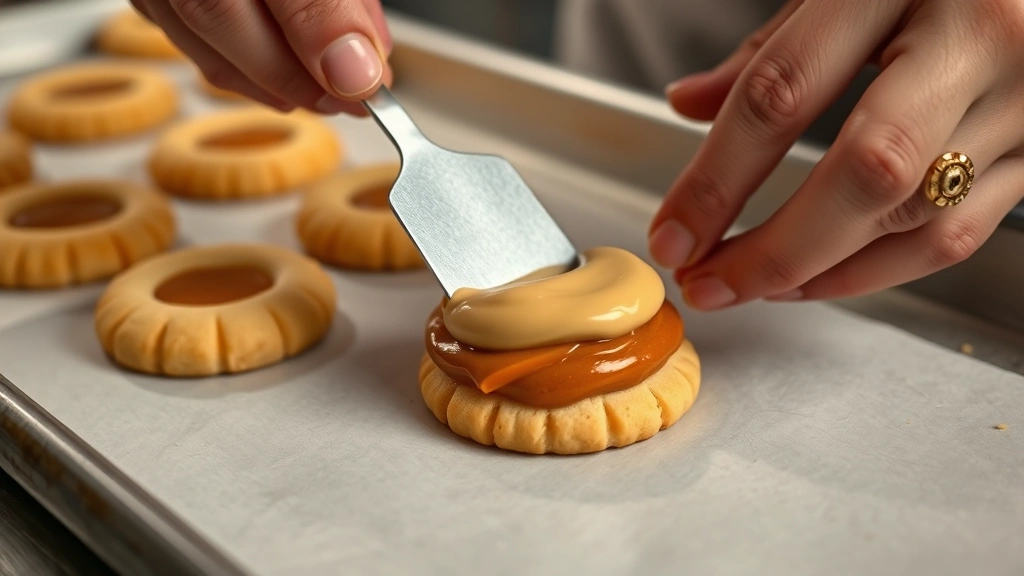
- Take two cookies and spread about 1 teaspoon of dulce de leche on the flat side of one cookie.
- Press the flat side of the second cookie firmly against the dulce de leche to create a sandwich, then gently squeeze to distribute the filling evenly to the edges.
- Roll the edges of each sandwich cookie in the shredded coconut until the exposed filling is completely coated.
- Place the finished alfajores on a serving plate and let them sit at room temperature for at least 30 minutes before serving to allow the filling to set slightly.

Pro Tips
The texture of your alfajores depends greatly on proper technique. Make sure you don’t overwork the dough, as this will develop too much gluten and result in tough cookies instead of the delicate, tender texture that makes alfajores special. The creaming step is important for incorporating air, but once you add the flour mixture, handle it as gently as possible.
If your dough seems too soft to work with after the 30-minute chill, you can refrigerate it for an additional 15-30 minutes. Conversely, if it becomes too hard and cracks when you roll it, let it sit at room temperature for a few minutes to soften slightly. The ideal consistency is firm enough to hold its shape but pliable enough to roll without cracking.
For the filling, the thickness of the dulce de leche matters. If your dulce de leche is very thin, you may want to use a bit less per cookie to prevent it from squishing out excessively. If it’s very thick, you can warm it slightly in the microwave for 10-15 seconds to make it more spreadable. The goal is to have just enough filling that a little bit peeks out when you press the cookies together, creating that beautiful coconut-coated edge.
When rolling the edges in coconut, work quickly while the dulce de leche is still slightly sticky—this helps the coconut adhere. If the filling has already set too firmly, you can dip the edges very quickly in a tiny bit of water to reactivate the stickiness. Additionally, some people prefer to coat the entire cookie in coconut rather than just the edges, which creates a more uniform appearance.
These cookies are best assembled within a day or two of baking for optimal freshness. However, you can bake all the cookies and freeze the unfilled halves for up to three months. This makes alfajores incredibly convenient for last-minute entertaining. Just thaw the cookies, fill them, coat with coconut, and you have a homemade treat ready to serve. Storage in an airtight container at room temperature keeps them fresh for up to five days, though they taste best within the first three days.