
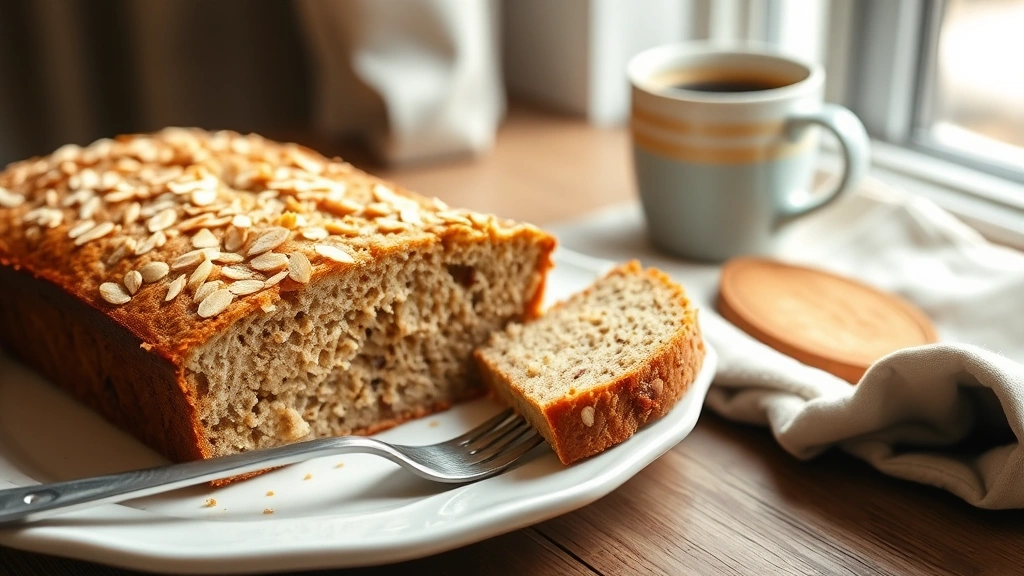
This almond flour banana bread recipe is about to become your new favorite go-to treat. It’s moist, tender, naturally gluten-free, and so easy to make that you’ll find yourself baking it constantly.
I discovered the magic of almond flour baking years ago when a friend with celiac disease came to visit. She brought this gorgeous loaf to share, and I was absolutely stunned—it tasted better than any traditional banana bread I’d ever had. The crumb was impossibly soft, the flavor was rich and complex, and somehow it stayed moist for days. When she finally shared her secrets, I became obsessed with perfecting this version.
Jump To Section
What makes this almond flour banana bread recipe so special? The combination of ripe bananas and almond flour creates a naturally dense, fudgy texture that feels indulgent without any of the heaviness of regular flour. Additionally, there’s no weird aftertaste—just pure banana goodness with a subtle nuttiness underneath.
Why This Recipe Works
The secret to this moist banana bread lies in three key elements. First, we’re using very ripe bananas—the kind with brown spots that most people would throw away. Those bananas have more natural sugars and moisture, which keeps the bread tender and prevents that dry, crumbly texture.
Second, almond flour brings its own moisture to the party. Unlike regular flour, which can absorb liquid and sometimes create a dense crumb, almond flour has natural oils that keep everything silky and moist. However, this also means we need to be careful not to overmix the batter, or those oils will break down and create a greasy loaf.
Third, we’re using a combination of butter and oil for the fat component. This hybrid approach gives us the flavor of butter with the moisture retention of oil. The result? A banana bread that tastes incredible on day one and even better on day three.
The baking temperature and time are also crucial here. We’re baking at 350°F rather than the typical 375°F, which allows the bread to bake through gently without the outside burning before the inside is cooked. This slower bake gives you a gorgeous golden crust and a perfectly cooked center.
Ingredient Tips & Substitutions
Let’s talk bananas first, because this is non-negotiable for the best results. You want bananas that are very ripe—almost to the point where you’d feel bad eating them fresh. They should have plenty of brown spots and be soft when you squeeze them gently. If you’re using regular flour banana bread recipes as reference, remember that almond flour is more absorbent, so you’ll want slightly softer bananas than usual.
For the almond flour itself, make sure you’re buying blanched almond flour, not almond meal. Almond meal still has the skin on the almonds, which gives it a grittier texture and darker color. Blanched almond flour creates that silky crumb we’re after. You can find quality almond flour at most grocery stores now, or order it online if you prefer.
Meanwhile, eggs are your binder here, so don’t skip them or substitute with flax eggs. The structure of this bread depends on real eggs to hold everything together. If you need a vegan version, you’ll need to adjust the recipe significantly—I’d recommend checking out Serious Eats for their vegan almond flour baking tips.
The vanilla extract makes a huge difference in this recipe. Use real vanilla, not imitation if you can manage it. For instance, real vanilla adds a depth of flavor that transforms basic banana bread into something truly special. If you only have imitation vanilla, use about half the amount since it has a stronger, sometimes metallic flavor.
For sweetness, I prefer using honey or maple syrup along with coconut sugar. This combination prevents the bread from being too sweet while giving it a subtle complexity. However, you can use all white sugar if that’s what you have on hand—it will still turn out delicious.
Regarding the baking powder and baking soda, don’t be tempted to swap these out. Baking soda reacts with the acidity in the bananas, while baking powder provides lift on its own. Together, they create the perfect crumb. Additionally, make sure your baking powder isn’t expired—old leavening agents are the enemy of good banana bread.
Serving Suggestions & Variations
This almond flour banana bread recipe is wonderful served warm from the oven with a slather of butter or cream cheese frosting. The warmth brings out the banana flavor, and the melting butter is absolutely divine. For a more elegant presentation, try serving it with New York Times recipes for complementary spreads and toppings.
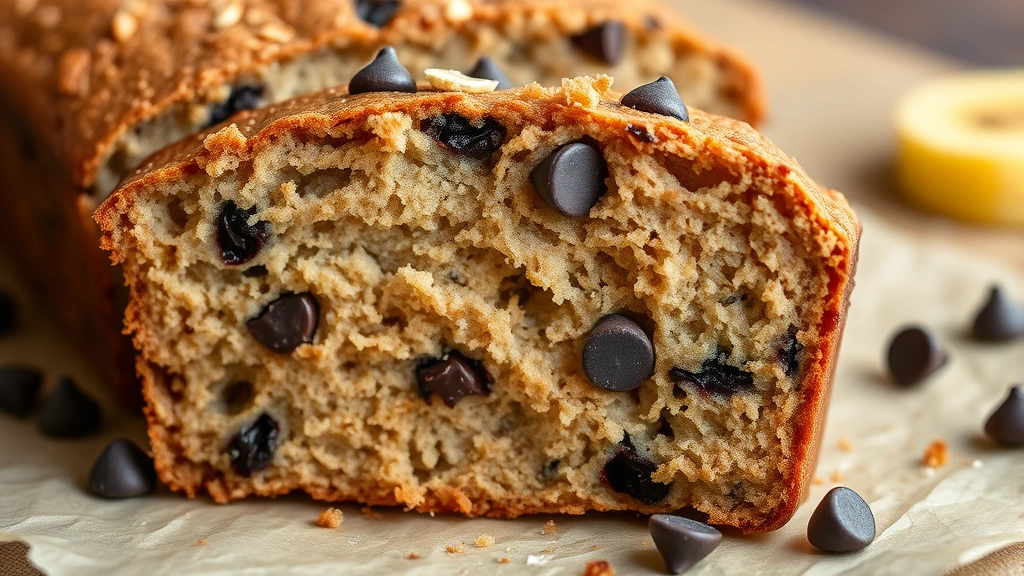
If you want to get creative, consider adding mix-ins. Chocolate chips are always welcome—use about ¾ cup and fold them in gently at the end. Chopped walnuts or pecans add a lovely crunch and extra nuttiness. For something different, try adding a teaspoon of cardamom or a pinch of cinnamon for warmth and complexity.
You can also make this into a fun breakfast bread by adding a streusel topping. Mix together ¼ cup almond flour, ¼ cup brown sugar, 2 tablespoons cold butter, and a pinch of cinnamon. Sprinkle this over the batter before baking for a lovely textured top.
For serving occasions, this bread is perfect alongside morning coffee, as an afternoon snack, or even as a simple dessert. Try pairing it with best tea sandwiches for an elegant afternoon tea service, or serve it alongside Bon Appétit’s beverage recommendations.
Storage & Make-Ahead Tips
One of the absolute best things about this banana bread is how well it keeps. Wrapped tightly in plastic wrap or stored in an airtight container, it stays moist and delicious for up to five days at room temperature. The flavors actually improve after a day, as everything melds together beautifully.
If you want to make it further ahead, this bread freezes exceptionally well. Wrap the cooled loaf tightly in plastic wrap, then place it in a freezer bag. It will keep for up to three months frozen. Simply thaw it at room temperature for a few hours before serving, and it tastes just as good as freshly baked.
For meal prep, you can also slice the bread before freezing. Individual slices thaw in just 10-15 minutes, making them perfect for quick breakfasts. Pop a slice in the toaster for a few minutes to restore that warm, fresh-baked feeling.
Alternatively, you can prepare the batter up to 24 hours ahead and keep it in the refrigerator. Just give it a gentle stir before pouring into your prepared pan, then bake as directed. This is incredibly convenient if you want fresh banana bread for breakfast but don’t want to deal with baking early in the morning.
Why Almond Flour Matters
Beyond just being gluten-free, almond flour offers real nutritional benefits that regular flour can’t match. It’s higher in protein and healthy fats, making this banana bread surprisingly satisfying. Additionally, almond flour has a lower glycemic index, so it won’t cause the blood sugar spike that regular banana bread might.
The almond flour banana bread recipe also works beautifully for anyone with dietary restrictions. It’s naturally gluten-free, and you can easily make it dairy-free by swapping the butter for coconut oil or vegan butter. You might even want to try making this alongside best pistachio salad recipe for a complete nut-forward menu.
The versatility of this recipe makes it a real kitchen workhorse. Whether you’re baking for a special occasion, feeding your family, or bringing something to a potluck, this almond flour banana bread recipe delivers every single time. It’s foolproof, forgiving, and absolutely delicious—exactly what every home baker needs.
Ingredients
- 3 medium very ripe bananas, mashed (about 1½ cups)
- 2 cups blanched almond flour
- ½ cup honey or maple syrup
- ¼ cup coconut sugar or brown sugar
- 3 large eggs, room temperature
- ¼ cup melted butter
- 2 tablespoons neutral oil (coconut or vegetable)
- 2 teaspoons vanilla extract
- 1½ teaspoons baking powder
- ½ teaspoon baking soda
- ¼ teaspoon sea salt
- ¼ teaspoon cinnamon (optional)
- ¾ cup chocolate chips or chopped walnuts (optional)
Instructions
- Preheat your oven to 350°F and prepare a 9×5-inch loaf pan by lining it with parchment paper or greasing it generously with butter. This prevents sticking and makes removal so much easier.
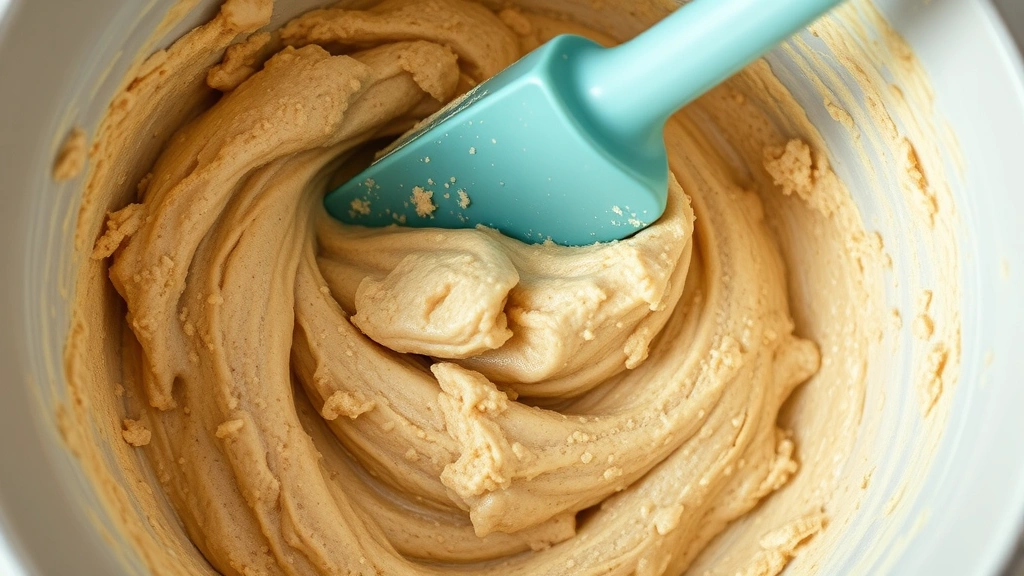
- In a large bowl, combine your mashed bananas, melted butter, oil, honey, and coconut sugar. Stir gently until everything is well combined—you want the mixture smooth but not overmixed.
- Add the eggs one at a time, stirring gently after each addition until just incorporated. Pour in the vanilla extract and mix until the wet ingredients are uniform.
- In a separate bowl, whisk together the almond flour, baking powder, baking soda, salt, and cinnamon if using. Make sure there are no lumps in the almond flour, as these can create dense spots in your bread.
- Pour the dry ingredients into the wet ingredients and fold gently with a spatula until just combined. Do not overmix—a few small streaks of flour are perfectly fine. Overmixing will cause the almond flour’s oils to break down, resulting in a greasy loaf.
- If using chocolate chips or nuts, fold them in gently now, distributing them evenly throughout the batter.
- Pour the batter into your prepared loaf pan and smooth the top with a spatula. Tap the pan gently on the counter a couple of times to release any air bubbles.
- Bake for 50-55 minutes, until a toothpick inserted into the center comes out clean or with just a few moist crumbs. The top should be golden brown and the bread should smell absolutely heavenly.
- Remove from the oven and let the bread cool in the pan for 10 minutes. This allows the structure to set so it won’t fall apart when you remove it.
- Turn the loaf out onto a wire rack and let it cool completely before slicing. This takes about an hour, but the wait is worth it—warm banana bread can crumble, while completely cooled bread slices beautifully.
Pro Tips
Make sure your bananas are very ripe with plenty of brown spots. This isn’t just for flavor—ripe bananas have more natural moisture and sugars, which keeps your bread tender and prevents that dry, crumbly texture that plagues some banana bread recipes. If your bananas are too yellow, give them another day or two on the counter.
Don’t skip the cooling time in the pan. I know it’s tempting to turn it out immediately while it’s still warm, but this crucial step allows the almond flour structure to set properly. If you turn it out too early, the bread might crack or crumble.
The baking time can vary slightly depending on your oven. Start checking at 48 minutes with a toothpick. The bread is done when a toothpick inserted in the center comes out clean or with just a few moist crumbs—not completely dry. A few moist crumbs are actually ideal, as they indicate the bread will stay moist and tender.
For storage, wrap the completely cooled loaf tightly in plastic wrap or store it in an airtight container at room temperature for up to five days. The flavors actually deepen and improve after a day, so don’t be surprised if day-two banana bread tastes even better than day-one.
Freezing works beautifully with this recipe. Wrap the cooled loaf in plastic wrap, then place it in a freezer-safe bag. It will keep for up to three months frozen. Thaw at room temperature for a few hours, or slice before freezing and thaw individual slices in the toaster.
Substitution note: You can swap the honey for agave nectar or use all white or brown sugar if you prefer. The texture might be slightly different, but it will still turn out delicious. If you only have unblanched almond flour, the bread will have a nuttier flavor and slightly speckled appearance, but it will still be wonderful.
For a vegan version, replace each egg with a flax egg (one tablespoon ground flaxseed mixed with three tablespoons water per egg) and use vegan butter instead of regular butter. You may need to add an extra tablespoon of honey to account for the moisture difference.